Category
Manufacturer
Model
FAQ:
What is a Moriondo pasta cooker and how does it work?
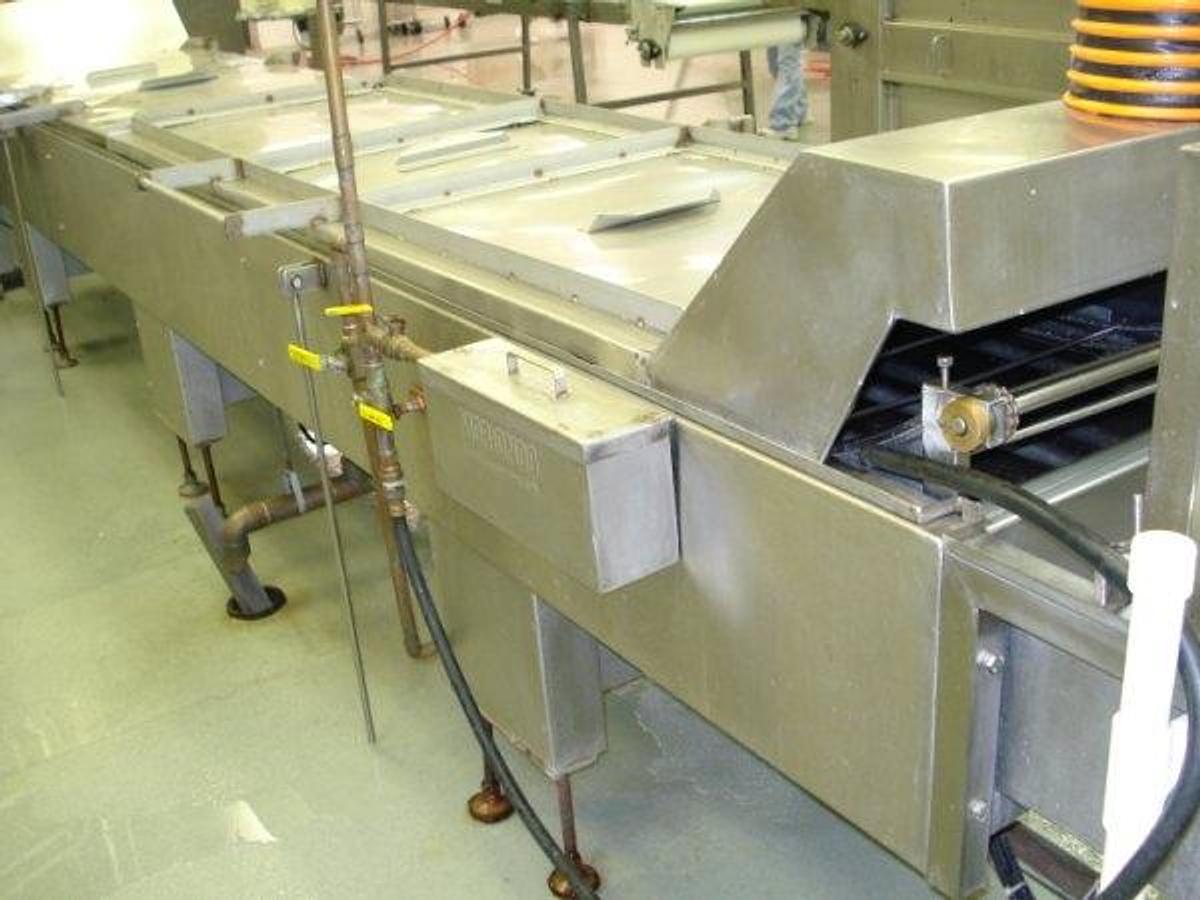
Moriondo is an Italian brand with deep roots in professional pasta equipment manufacturing. Their pasta cookers are built for commercial kitchen environments where consistency, speed, and volume matter. The machines heat water to precise temperatures and maintain that temperature throughout service, which is critical for cooking pasta properly at scale. Most models feature separate cooking baskets that allow kitchen staff to cook multiple pasta portions simultaneously without flavor transfer or timing confusion.
The design centers on rapid water heating and stable temperature control. When an order comes in, a basket is loaded with pasta and submerged in the heated water. Cook times vary by pasta type and thickness, but the controlled environment means results are repeatable across hundreds of portions during a busy service. The stainless steel construction is standard on commercial units, including the 28-inch wide models that appear in the used equipment market, and it holds up well in the demanding conditions of a professional kitchen.
What should I look for when buying a used Moriondo pasta cooker?
Buying used commercial pasta cooking equipment requires a more hands-on approach than buying from a manufacturer. The most important step is getting a thorough inspection before committing to a purchase. Reputable used equipment dealers will typically offer in-person inspections, video walkthroughs, or photo documentation of the machine's current condition. Pay close attention to the heating elements, the condition of the baskets and their mechanisms, the integrity of the stainless steel basin, and any visible signs of scale buildup or corrosion from years of water contact.
Beyond the physical condition, it helps to ask the dealer about the machine's history. Was it in active production recently? Was it decommissioned, and if so, why? Also worth doing is contacting Moriondo or an authorized service provider to ask about parts availability for the specific model you're considering, since older units may have limited support. Age and model generation can significantly affect how easy it is to source replacement components, so that conversation is worth having before finalizing any purchase.
What is the typical price range for a used Moriondo pasta cooker?
Pricing for used commercial pasta cookers varies considerably depending on the model, age, condition, and included accessories. A used Moriondo unit in good working order generally commands a higher price than generic commercial pasta cookers because of the brand's reputation for build quality and Italian manufacturing standards. Buyers should expect to pay more for larger models, such as the 28-inch wide stainless steel units, compared to compact countertop versions.
Beyond the listed price, it's important to factor in the full landed cost of the equipment. Shipping, rigging, palletization or crating, and any freight handling fees can add meaningfully to the total. Larger, heavier machines often require specialized rigging for loading and unloading, which is an added expense. Asking the dealer for a complete cost breakdown before agreeing to purchase helps avoid surprises and gives a clearer picture of the actual investment.
Is a Moriondo pasta cooker suitable for home use?
Moriondo pasta cookers are designed and built for commercial kitchen environments, not residential use. The equipment is sized, powered, and constructed to handle the volume and continuous operation demands of restaurants, hotel kitchens, and catering operations. The 28-inch wide models, for example, are substantial pieces of equipment that require dedicated space, appropriate electrical or gas connections, and proper ventilation, none of which are typical in a home kitchen setup.
That said, some buyers with large-scale entertaining needs or semi-professional kitchen setups do purchase commercial pasta cooking equipment. Before going that route, it's worth verifying that the machine's power and voltage requirements are compatible with what your space can support. Commercial equipment often runs on higher voltage or three-phase power that standard residential electrical panels don't provide. Consulting with an electrician and reviewing the machine's specifications carefully is a necessary step before purchasing a commercial unit for any non-restaurant setting.
What are the power and voltage requirements for a commercial pasta cooker like the Moriondo?
Commercial pasta cookers generally require significantly more electrical capacity than standard household appliances. Many commercial units operate on 208V to 240V single-phase or three-phase power, and some larger models may require dedicated circuit breakers with amperage ratings well above what a typical kitchen outlet can handle. Gas-fired versions exist as well, requiring proper gas line connections and ventilation according to local codes. The specific requirements vary by model, so reviewing the machine's nameplate data or asking the dealer for the technical specifications sheet is an essential step before purchase.
For buyers considering a used Moriondo pasta cooker, confirming compatibility with the intended installation space before the machine ships is critical. Retrofitting electrical infrastructure after the fact can be costly and time-consuming. If the machine's specifications aren't immediately available from the dealer, reaching out to Moriondo directly or to a qualified commercial kitchen equipment technician can help clarify what the unit needs to operate safely and effectively.
What pasta types and volumes can a commercial pasta cooker handle?
Commercial pasta cookers are built to handle virtually any type of pasta, from long formats like spaghetti and linguine to short cuts like penne, rigatoni, and farfalle, as well as fresh pasta and stuffed varieties like tortellini and ravioli. The basket system used in most commercial units allows different pasta types to be cooked at the same time in separate baskets, which is a major operational advantage during busy service. Larger models with wider basins, like the 28-inch units, can accommodate more baskets simultaneously and handle higher throughput per hour.
Volume capacity depends on the size of the unit and the number of baskets it supports. A full-size commercial pasta cooker in a high-volume restaurant setting can process dozens of individual portions per hour without a significant drop in water temperature, which is the key factor in consistent results. Smaller or older units may have less recovery time between portions, which can slow down service if demand is high. When evaluating a used machine, asking about the number of baskets included and the size of the cooking basin gives a practical sense of what the unit can realistically handle.
Does a used Moriondo pasta cooker come with a warranty?
Warranties on used commercial equipment work very differently than they do on equipment purchased directly from a manufacturer. Used equipment dealers typically sell machinery on an as-is basis, meaning the buyer takes on the responsibility of verifying the machine's condition before purchase. This is standard practice in the used commercial kitchen equipment industry and is not specific to any one brand or dealer. Because of this, the inspection process before buying becomes especially important.
Buyers are best protected by choosing dealers with a strong track record in commercial food equipment specifically, and by taking full advantage of any inspection options offered, whether in person, via video, or through detailed photo documentation. It's also worth contacting Moriondo or a certified service technician to understand what level of manufacturer support is available for the specific model being considered. Older models may have limited parts availability, while more recent production runs may still have support channels open. Going in with a clear picture of the machine's condition and serviceability is the most practical form of protection available when buying used.
How should a commercial pasta cooker be cleaned and maintained?
Regular cleaning and descaling are the two most important maintenance tasks for any commercial pasta cooker. Hard water deposits, or scale, build up inside the basin and on heating elements over time, reducing efficiency and potentially shortening the life of the equipment. Most operators descale their units on a scheduled basis using food-safe descaling solutions, with frequency depending on local water hardness. Daily cleaning involves draining the basin, wiping down surfaces, and cleaning the baskets and any removable components. Stainless steel construction, which is standard on commercial units like the Moriondo models, makes cleaning more straightforward and resists the bacterial buildup that can occur in other materials.
For used equipment, it's worth having a qualified technician inspect the heating elements and thermostat before putting the machine into regular service. Years of use can affect calibration and component integrity in ways that aren't always visible during a standard inspection. Establishing a maintenance schedule from the start, including periodic professional servicing, helps extend the life of the equipment and keeps it performing reliably. Replacement parts availability for the specific model should also be confirmed ahead of time so that minor repairs don't turn into extended downtime.
How does shipping work for a used commercial pasta cooker?
Shipping commercial kitchen equipment like a pasta cooker involves more logistics than standard parcel delivery. The machine needs to be properly palletized or crated to prevent damage in transit, and the level of packaging required affects the overall shipping cost. Larger, heavier units may also require specialized rigging for both loading at the dealer's facility and unloading at the destination, which adds to the total expense. Buyers should ask dealers upfront for a detailed breakdown of packaging, freight, and any rigging fees to understand the full landed cost before committing to a purchase.
For machines of significant size or weight, a liftgate service or loading dock at the delivery address may be necessary. If neither is available, arranging for a freight company that can handle the delivery with appropriate equipment is the buyer's responsibility in most cases. It's worth discussing all of these logistics with the dealer before finalizing the transaction to avoid unexpected costs or delivery complications. Getting the full landed cost in writing before payment is a straightforward way to keep the process clean.
What are the standard payment terms when buying used commercial pasta cooking equipment?
Most used commercial equipment dealers require full payment before a machine is released for shipping. This is standard across the industry and applies to equipment of all sizes and price points. Some dealers may offer payment terms to established customers with a prior purchasing history, but buyers approaching a dealer for the first time should expect to pay in full upfront. Common payment methods include wire transfer, credit card, or certified funds, though accepted methods vary by dealer.
Before sending any payment, buyers should confirm that they have received sufficient documentation of the machine's condition, whether through an in-person visit, a video inspection, or detailed photos. Having a clear record of what was represented at the time of sale is useful if any discrepancies arise after delivery. Asking for an invoice that accurately describes the machine, its condition, and all associated fees creates a paper trail that protects both parties in the transaction.