Category
Manufacturer
Model
FAQ:
What is a Menzing continuous fryer and how does it differ from batch fryers?
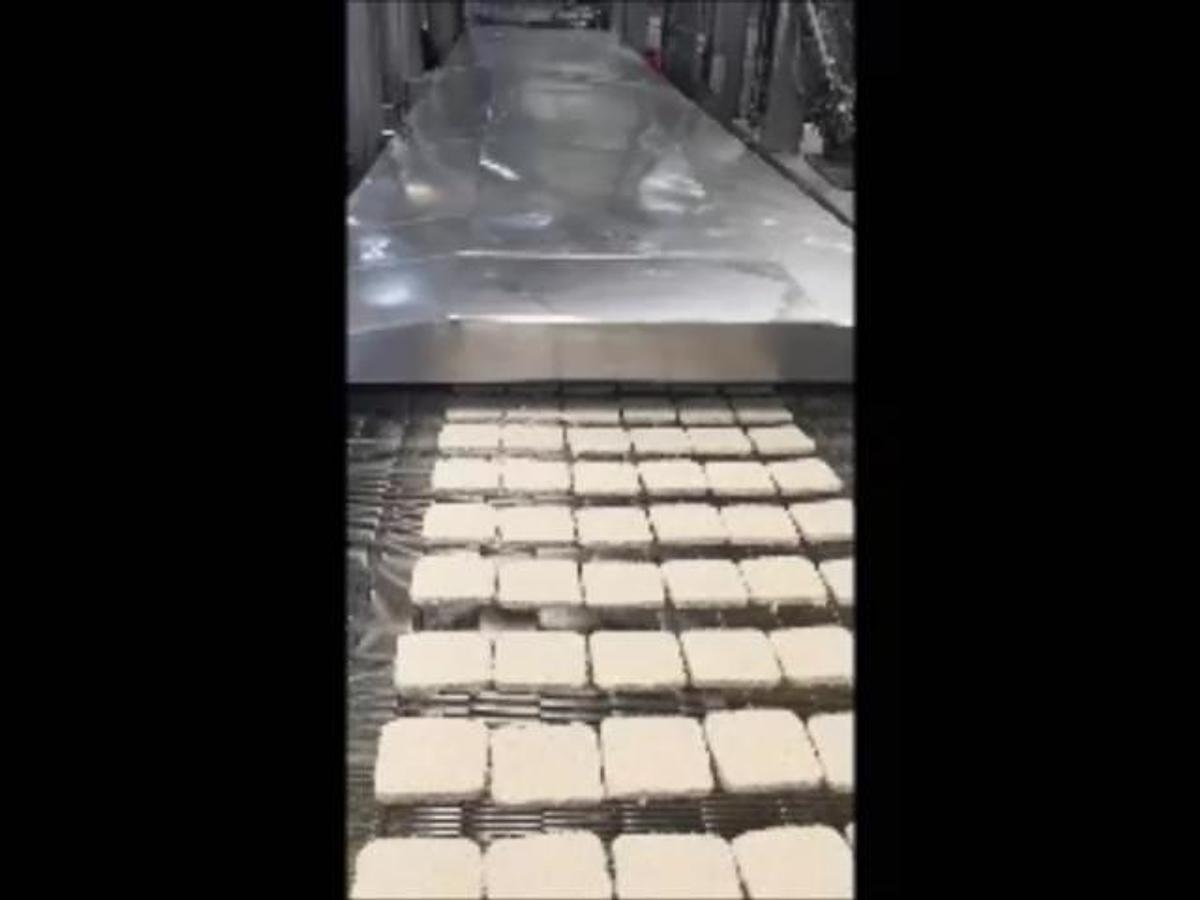
A Menzing continuous fryer is a high-capacity, industrial-grade frying system designed to process large volumes of product without stopping between cycles. Unlike batch fryers, which require operators to load, fry, and unload discrete quantities of food before starting the next cycle, a continuous fryer moves product through a heated oil bath on a conveyor or similar transport mechanism. This allows for uninterrupted production, making it a practical choice for high-throughput food manufacturing environments such as snack food plants, protein processing facilities, and large-scale commercial kitchens.
The Menzing Titan model, for example, is rated at 1,000 pounds per hour, which gives a clear sense of the production scale these machines are built for. They are constructed from stainless steel for durability and sanitation compliance, and gas-fired models like the Titan use natural gas or propane to maintain precise, consistent oil temperatures across the full length of the frying chamber. That level of thermal consistency is difficult to achieve with batch equipment and is one of the primary reasons food manufacturers choose continuous fryer systems for high-volume lines.
What capacity does the Menzing Titan fryer offer?
The Menzing Titan continuous fryer is rated at 1,000 pounds per hour of throughput. This positions it firmly in the heavy industrial category of food processing equipment, well beyond the capacity of standard commercial kitchen fryers used in restaurants or catering operations. A machine at this output level is typically found in dedicated food manufacturing plants where consistent, large-batch frying is a core part of the production process.
For buyers evaluating whether this capacity fits their operation, it helps to work backward from your production targets. A 1,000 lb/hour rating assumes relatively consistent product density and moisture content, so actual throughput can vary depending on what is being fried. Consulting with a knowledgeable equipment dealer before purchasing is advisable, particularly when buying a used machine, since the dealer can help match the machine's rated capacity to your specific product and line speed requirements.
What should I know about buying a used Menzing fryer?
Buying a used Menzing fryer requires more due diligence than purchasing from a manufacturer, since the machine has already seen production use. The most important step is arranging a thorough inspection before committing to a purchase. Reputable used equipment dealers will typically accommodate in-person inspections, virtual walkthroughs, or video captures of the machine so buyers can assess its current condition. Some units may still be installed and running at a production facility, which gives buyers a rare opportunity to observe the equipment operating under real conditions.
Beyond the visual inspection, buyers should examine the condition of the stainless steel surfaces for corrosion or weld repairs, check the burner and heat exchanger components on gas-fired models, and evaluate the conveyor or transport mechanism for wear. Used industrial fryers are sold as-is, so the onus of identifying any issues rests entirely with the buyer. Selecting a dealer with a long track record in food processing equipment and a specialization in frying systems significantly reduces the risk of an unpleasant surprise after delivery.
What is the typical price range for a used industrial continuous fryer like the Menzing Titan?
Pricing for used industrial continuous fryers varies considerably based on age, condition, capacity, and configuration. Machines in the 1,000 lb/hour class, like the Menzing Titan, generally fall into a price range that reflects their scale and complexity. Entry-level pricing for older or higher-hour units might start in the low tens of thousands of dollars, while well-maintained, more recent models in good working condition can command significantly higher prices, sometimes exceeding $100,000 depending on the specific configuration and the market at the time of sale.
Buyers should factor in more than just the purchase price when calculating total acquisition cost. Rigging, crating, freight, and any reconditioning or spare parts needed after delivery can add meaningfully to the final number. Gas-fired continuous fryers also involve installation costs, including gas line connections, exhaust ventilation, and any required permits, which vary by facility and location. Getting a clear picture of the full landed cost before finalizing a purchase is a standard practice among experienced buyers of used processing equipment.
Why is stainless steel construction important in an industrial fryer?
Stainless steel is the material of choice for industrial food processing equipment because it resists corrosion from hot cooking oils, food acids, and the caustic cleaning agents used during sanitation. In a continuous fryer that runs for extended production shifts, the frying chamber, conveyor components, and oil containment surfaces are all exposed to high heat and repeated chemical cleaning cycles. Carbon steel or lower-grade alloys would corrode quickly under these conditions, introducing contamination risks and shortening the equipment's usable life.
From a regulatory standpoint, stainless steel construction is closely tied to food safety compliance. Equipment used in commercial food production is typically expected to meet standards set by organizations like NSF International, and stainless steel surfaces are far easier to clean and sanitize to those standards than porous or painted alternatives. When evaluating a used stainless steel fryer, buyers should inspect weld seams and interior surfaces carefully, since pitting, cracks, or poorly executed repairs can create harborage points for bacteria and may indicate that the machine has been subjected to harsh conditions or inadequate maintenance.
What are the advantages of a gas-fired continuous fryer compared to electric models?
Gas-fired continuous fryers are the dominant choice in large-scale food manufacturing for several practical reasons. Natural gas and propane deliver high BTU output at a lower operating cost per unit of heat compared to electricity in most industrial settings, which matters significantly when a fryer is running multiple shifts per day. Gas burners also respond quickly to temperature adjustments, which helps maintain consistent oil temperature as product load fluctuates during a production run. That thermal responsiveness translates directly to more uniform product quality.
Electric fryers have their own advantages in smaller or more controlled environments, particularly where gas infrastructure is unavailable or where precise electronic temperature control is a priority. However, at the throughput levels associated with a 1,000 lb/hour machine like the Menzing Titan, the energy economics of gas firing are difficult to match. Buyers evaluating a used gas-fired fryer should confirm that their facility has adequate gas supply capacity and proper exhaust ventilation before purchase, since retrofitting those systems adds to the total installation cost.
How should a used industrial fryer be inspected before purchase?
A thorough pre-purchase inspection of a used industrial fryer covers several distinct areas. Structurally, buyers should examine the fryer tank and all stainless steel surfaces for signs of corrosion, weld repairs, or physical damage. The conveyor or product transport system should be checked for worn sprockets, bent flights, or damaged bearings. On gas-fired models, the burner assembly, heat exchanger, and any associated controls should be evaluated for condition and functionality. Electrical components including thermostats, control panels, and safety shutoffs deserve careful attention since these can be expensive to replace.
Inspections can be conducted in person at the dealer's facility, or in cases where the equipment is still installed at a production plant, arrangements can sometimes be made to view the machine on-site. Virtual inspections via video call or pre-recorded video walkthroughs are also commonly offered by reputable dealers. One important limitation to keep in mind is that most used equipment dealers are not set up to run actual food production tests, since that requires food-grade permitting and a full production environment. The inspection is therefore focused on mechanical and structural condition rather than a live product trial.
What are the typical shipping and logistics considerations for a large industrial fryer?
Industrial continuous fryers are heavy, large-footprint machines that require careful handling throughout the shipping process. Proper packaging is critical to preventing damage in transit. Depending on the machine's size and the distance it needs to travel, it may need to be palletized, crated, or both. Larger machines often require professional rigging for loading and unloading, which involves specialized equipment like forklifts or cranes and adds to the overall cost. Buyers should ask the dealer specifically about what packaging and rigging services are included in the quoted price and what will be billed separately.
Freight costs for industrial equipment are typically calculated based on weight, dimensions, and the freight class assigned to the shipment, and they can vary significantly depending on origin, destination, and carrier rates at the time of shipment. Buyers should request a full breakdown of all logistics costs, including rigging at origin, freight, and any required rigging or unloading assistance at the destination, before finalizing the purchase. Understanding the complete landed cost upfront avoids surprises and allows for accurate budgeting of the total equipment acquisition.
What maintenance does a continuous industrial fryer require to stay in good working condition?
Continuous industrial fryers require a consistent maintenance routine to operate reliably and produce quality output. Oil management is one of the most time-intensive aspects of fryer maintenance. Cooking oil degrades with use due to heat, food particles, and oxidation, so regular filtration and periodic full oil changes are necessary. Allowing degraded oil to remain in the system accelerates buildup on heating surfaces and can affect product taste and color. Most high-volume operations have a defined oil filtration schedule that runs multiple times per shift.
Mechanical maintenance focuses on the conveyor system, which takes constant wear during production. Sprockets, chains, bearings, and flights should be inspected regularly and replaced on a schedule before failure rather than after. Burner components on gas-fired models require periodic cleaning and calibration to maintain efficient combustion and accurate temperature control. The fryer tank itself should be cleaned thoroughly during scheduled downtime to remove carbonized oil deposits, which can become a fire hazard if allowed to accumulate. Buyers of used fryers should ask about the maintenance history of a machine when possible, since a well-documented service record is a strong indicator of how the equipment was treated during its previous service life.
What payment terms are typically involved when buying used industrial food processing equipment?
Used equipment dealers generally require full payment before a machine is released for shipping. This is standard practice in the industry and reflects the nature of used equipment transactions, where the seller needs to confirm cleared funds before incurring the costs and logistics of preparing a machine for transport. Some dealers may extend payment terms to buyers with whom they have an established purchasing relationship, but first-time buyers should expect to pay in full upfront.
Common payment methods include wire transfer, which is the most widely accepted for large transactions, as well as certified checks or other secured payment instruments. Credit card payments are less common for high-value equipment purchases due to processing fees and transaction limits. Buyers should clarify the accepted payment methods with the dealer early in the process and confirm the exact payment timeline relative to inspection approval and shipping preparation. Getting all terms documented in writing before sending any funds is a basic but important step in any used equipment transaction.