Category
Manufacturer
Model
Matrix Packaging
Matrix Packaging is recognized for its innovative packaging solutions, particularly in the food and beverage sectors. They offer a variety of machines for filling and sealing, emphasizing sustainability and efficiency.
FAQ:
What types of packaging machines does Matrix Packaging make?
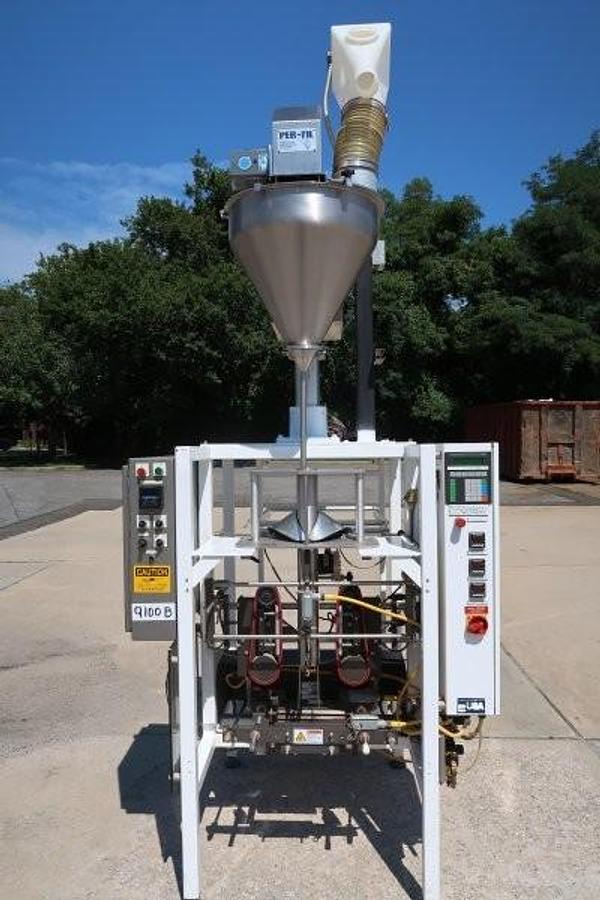
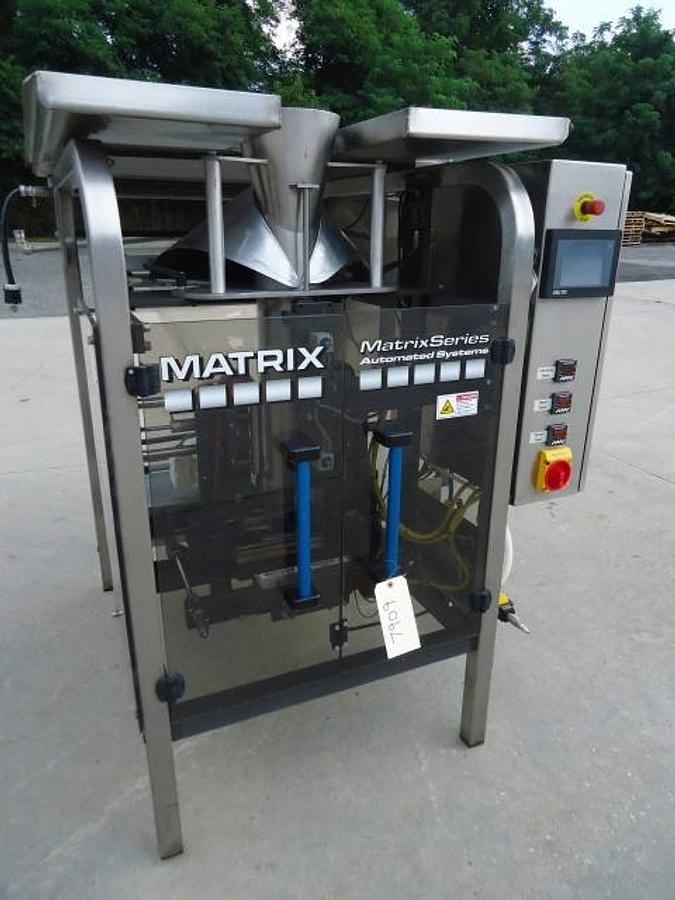
Matrix Packaging Machinery is best known for its vertical form fill seal (VFFS) equipment, which forms a bag from a flat roll of film, fills it with product, and seals it in one continuous motion. Their machines support a wide range of bag styles, including pillow bags, gusseted bags, quad seal bags, and stand-up pouches. This flexibility makes Matrix equipment a practical choice across food, pharmaceutical, and consumer goods applications. The Matrix 916, for example, is a VFFS machine paired with an auger filling head, which is specifically designed for free-flowing powders and granular products like coffee, flour, spices, and protein supplements.
Beyond the specific model, Matrix has built a reputation in the industry for producing machines that handle high-volume production without sacrificing consistency or seal quality. Their equipment tends to feature user-friendly HMI touchscreen controls, which reduce the learning curve for operators and make changeovers between bag sizes or product types more manageable. Whether a facility packages snack foods, frozen goods, or dry pharmaceuticals, Matrix machines are generally regarded as a dependable platform that can be adapted to a fairly broad range of production needs.
What is the Matrix 916 VFFS machine and what is it used for?
The Matrix 916 is a vertical form fill seal machine equipped with an auger filling head. Auger fillers work by using a rotating screw mechanism to dispense measured amounts of product into each bag, making them well-suited for dry, free-flowing powders and granular materials. Common applications include coffee, spices, baking mixes, protein powders, dry soups, and similar products where accurate fill weights are critical to both product quality and regulatory compliance.
The VFFS process itself is highly efficient. A continuous roll of flat packaging film is fed through the machine, formed into a tube around a vertical fill tube, filled from above, and then cross-sealed and cut into individual bags. This all-in-one process reduces labor requirements compared to pre-made pouch systems and allows for high throughput on a relatively compact footprint. Used Matrix 916 machines available on the secondary market offer facilities an opportunity to access this production capability at a fraction of the cost of purchasing equivalent equipment through a manufacturer's sales channel.
What should buyers know about purchasing a used Matrix packaging machine?
Buying used packaging equipment requires more due diligence than purchasing through a manufacturer's channel. Since used machines are sold as-is, the buyer takes on responsibility for verifying the machine's condition before committing to a purchase. Reputable used equipment dealers with a long track record in the packaging industry are generally the safest starting point, as they tend to have deeper knowledge of specific makes and models and can provide accurate condition assessments. Buyers should prioritize dealers who specialize in packaging machinery rather than general industrial equipment, since that specialization directly affects the quality of information available about a given machine.
Inspections are a critical part of the process. Most established dealers will accommodate in-person visits, video walkthroughs, or recorded video captures of the machine so buyers can assess its current state. Some machines may still be installed and running at a facility, which offers a meaningful opportunity to see the equipment in operation. It is also worth contacting Matrix Packaging directly to ask about parts availability and technical support for the specific model and age of machine being considered, since older models may have limited parts inventory or reduced manufacturer support compared to more recent production runs.
How can buyers inspect a used Matrix packaging machine before purchasing?
Used equipment dealers typically offer several inspection options depending on where the machine is located and whether it is still in active production. In-person inspections are the most thorough approach, allowing a buyer or their technician to physically examine the machine's components, check for wear on sealing jaws and film path hardware, review the condition of the electrical panel, and assess the overall mechanical state of the equipment. For buyers who cannot travel, video inspections conducted live via video call or pre-recorded walkthroughs of the machine are a widely accepted alternative.
One important limitation to keep in mind is that most used equipment dealers do not have the permitting or infrastructure to run actual production trials with product. A dealer can power a machine on and demonstrate basic mechanical function, but a full production run with real film and product is generally not possible in a dealer's facility. If the machine is still installed at the original production site, the dealer may be able to arrange access for a more thorough in-plant inspection where the equipment can be observed running under real conditions. Buyers should ask about this possibility early in the process, as it can significantly reduce the uncertainty involved in a used machinery purchase.
What films and packaging materials are compatible with Matrix VFFS machines?
Matrix VFFS machines are designed to work with a broad range of flexible packaging films, which is one of the reasons they are widely used across different industries. Common compatible materials include polyethylene (PE), polypropylene (PP), laminated films, metallized films, and various co-extruded structures. The specific film compatibility for a given machine depends on its sealing system, temperature range, and the type of forming collar installed. Machines equipped with heat seal jaws work well with standard thermoplastic films, while machines configured for cold seal or other specialty materials may require additional tooling.
For buyers evaluating a used Matrix machine, it is worth verifying which film types the machine was previously running and whether the sealing parameters are adjustable for different materials. Film thickness, surface treatment, and barrier properties all affect seal quality, so confirming compatibility with the intended packaging material before purchase can prevent costly issues after installation. Consulting with a packaging film supplier alongside the equipment purchase is a practical step, as film suppliers can often advise on whether a specific machine configuration is well-matched to the films a buyer plans to use.
Are Matrix packaging machines suitable for small or mid-size production operations?
Matrix Packaging has produced equipment across a range of production scales, so the answer depends on the specific model. Some Matrix VFFS machines are designed for high-speed industrial environments where outputs of several hundred bags per minute are the target. Others are built for more moderate throughput and are a reasonable fit for small to mid-size operations that need reliable, consistent packaging without the complexity and cost of the highest-capacity industrial lines. The Matrix 916 with an auger filler, for instance, is a practical choice for operations that package dry goods in moderate volumes and need accurate fill weights without investing in a full-scale production system.
For smaller operations considering used Matrix equipment, the total cost of ownership deserves careful thought. Beyond the purchase price, factors like spare parts availability, the cost of any refurbishment needed before startup, and the availability of qualified technicians for ongoing maintenance all affect whether a particular machine is a good fit. Used equipment can deliver strong value for smaller facilities, but only when the buyer has a clear picture of what the machine needs to get into reliable production and what ongoing support will look like. Talking to a dealer who specializes in packaging equipment is one of the better ways to get an honest assessment of those factors for a specific machine.
What is the difference between vertical form fill seal (VFFS) and horizontal packaging machines?
Vertical form fill seal machines orient the bag-forming and filling process along a vertical axis. Film unwinds from a roll, wraps around a vertical forming tube, and product drops or is metered down through the tube into the bag from above using gravity or a filling device like an auger, volumetric cup, or multi-head weigher. This design makes VFFS machines particularly well-suited for dry products, granules, powders, and small solid pieces where gravity assists the fill. Matrix Packaging has built much of its reputation around VFFS technology, and it remains the dominant format for snack foods, coffee, frozen vegetables, and dry goods packaging.
Horizontal packaging machines, including flow wrappers and horizontal form fill seal (HFFS) systems, orient the process along a horizontal plane. Product is fed horizontally into the packaging material, which wraps around it and is sealed on the sides and ends. This format is better suited for solid, rigid, or irregularly shaped products that cannot be dropped vertically without damage, such as candy bars, baked goods, fresh produce, or medical devices. The choice between VFFS and HFFS generally comes down to product characteristics, required bag style, and production speed targets. For buyers looking at used Matrix machines, the available inventory tends to reflect Matrix's core strength in the VFFS category.
How difficult is it to operate and maintain a Matrix packaging machine?
Matrix machines are generally regarded as operator-friendly relative to many other VFFS platforms, largely because of their HMI touchscreen controls. These interfaces allow operators to store and recall product recipes, adjust fill weights, modify seal temperatures, and monitor machine performance without needing deep mechanical knowledge. Changeovers between different bag sizes or products can be completed by following stored parameters, which reduces downtime and lowers the skill threshold for line operators. That said, any packaging machine requires a baseline level of training, and operators should be comfortable with the basics of film threading, jaw cleaning, and routine adjustments before running production independently.
Maintenance requirements for Matrix machines are consistent with what you would expect from industrial packaging equipment. Sealing jaws and their associated heating elements require periodic inspection and replacement as they wear. The film path components, forming tube, and cross-seal assembly benefit from regular cleaning to prevent buildup that can affect seal quality. Auger filling systems need routine cleaning, particularly when switching between products. For used machines, buyers should factor in the age and prior usage of the equipment when estimating what maintenance will be needed before and after startup. Sourcing spare parts directly from Matrix or through qualified parts suppliers is an important step to plan for before the machine goes into production.
What should buyers understand about parts and technical support for used Matrix packaging machines?
Parts availability and technical support are two of the most practical factors to research before purchasing any used packaging machine. Matrix Packaging, like most established equipment manufacturers, offers parts and support for their machines, but the level of availability can vary depending on the age and model of the equipment. Older machines or discontinued models may have limited parts in stock at the manufacturer level, which can mean longer lead times or the need to source components from third-party suppliers. Contacting Matrix directly before finalizing a purchase is a worthwhile step, as they can give a clear picture of what support and parts are available for the specific machine being considered.
Beyond the manufacturer, a network of independent packaging equipment service technicians and parts suppliers exists for widely used platforms like Matrix VFFS machines. These third-party resources can be valuable for keeping older equipment running when manufacturer support is limited. Buyers should also ask the selling dealer about the machine's service history if that information is available, since a well-documented maintenance record can indicate how the machine was treated and what components may be approaching the end of their service life. Planning for parts inventory and technical support before the machine arrives at a facility avoids the frustration of unexpected downtime after installation.
What are typical shipping and payment considerations when buying used Matrix packaging equipment?
Shipping costs for used packaging machinery depend on the size and weight of the equipment, the distance involved, and the level of packaging required to protect the machine in transit. VFFS machines like the Matrix 916 are substantial pieces of industrial equipment that typically require professional rigging for loading and unloading. Larger or heavier machines may need crane service or specialized flatbed transport, which adds to the landed cost. Buyers should ask dealers for a detailed breakdown of crating or palletization requirements, rigging fees, and freight charges so there are no surprises when calculating the total cost of getting the machine to their facility.
On the payment side, most used equipment dealers require full payment before a machine ships. Some dealers extend payment terms to repeat customers with an established relationship, but this is not standard practice for first-time buyers. Because used machinery is typically sold as-is, the payment and inspection process is closely linked. Completing a thorough inspection before payment is made is the most straightforward way to protect the buyer's interests. Buyers should clarify the dealer's payment requirements, accepted methods, and timeline expectations early in the negotiation to avoid any delays once a purchase decision is made.