Category
Manufacturer
Model
Mateer Burt
Mateer Burt specializes in packaging solutions for the pharmaceutical and food industries, offering equipment that ensures precise filling and sealing of products. Their machines are designed for high-speed operations while maintaining quality.
FAQ:
What types of equipment did Mateer Burt manufacture?
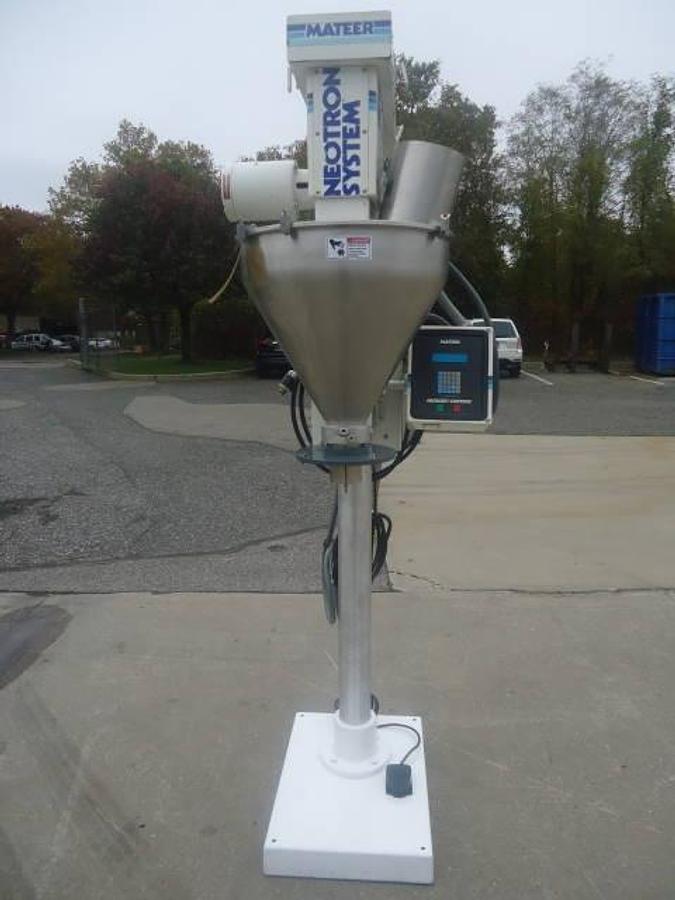
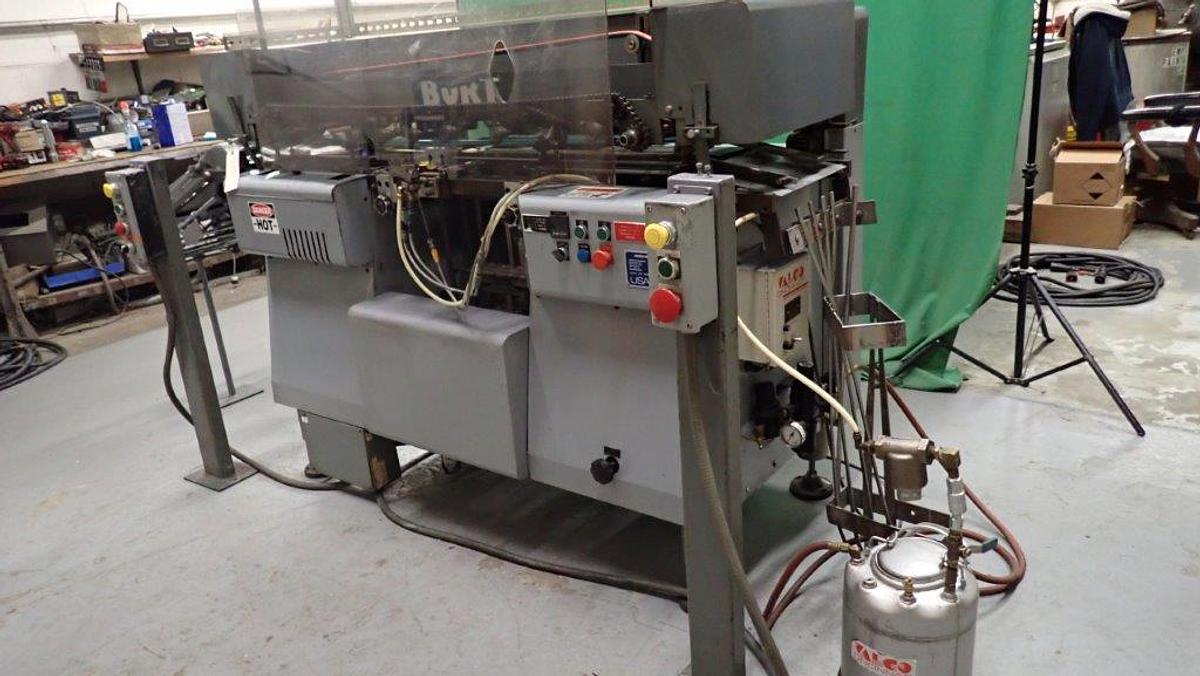
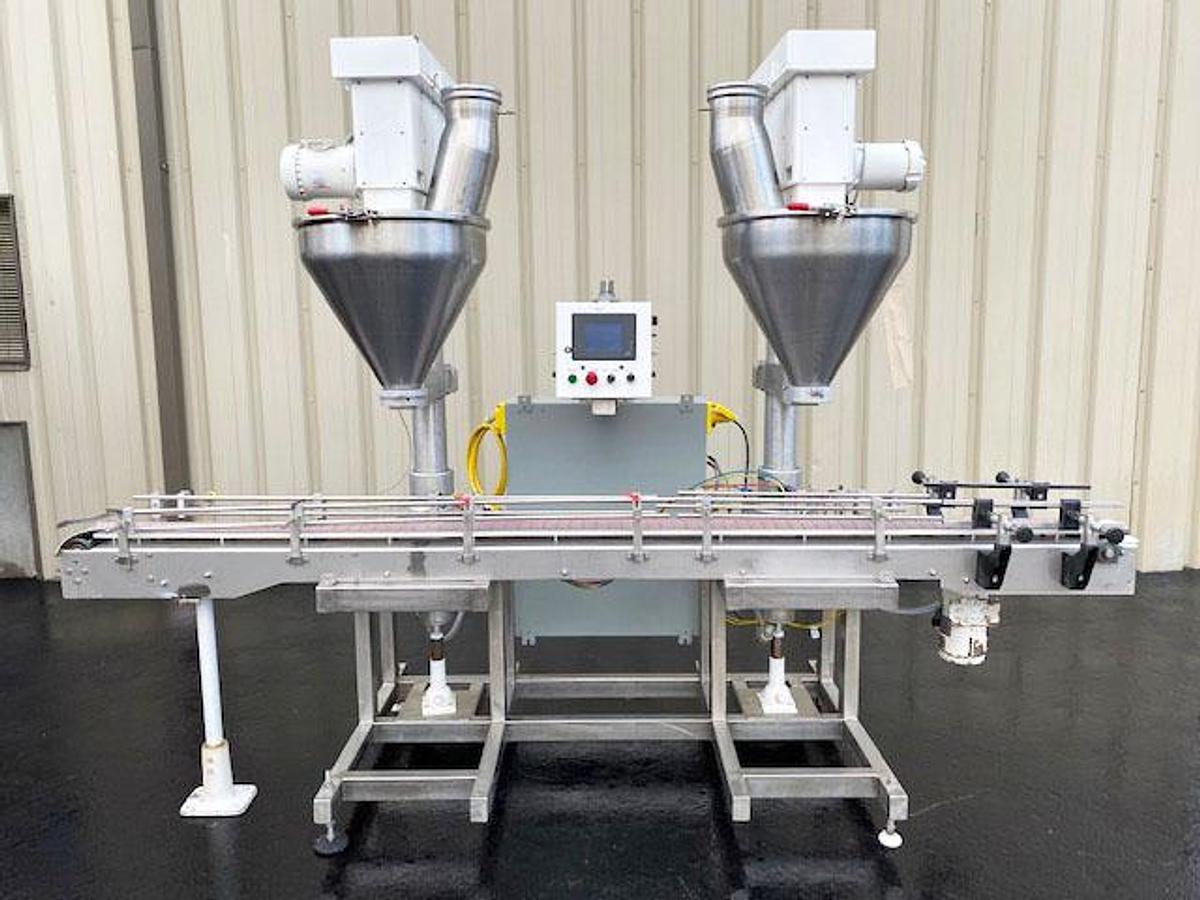
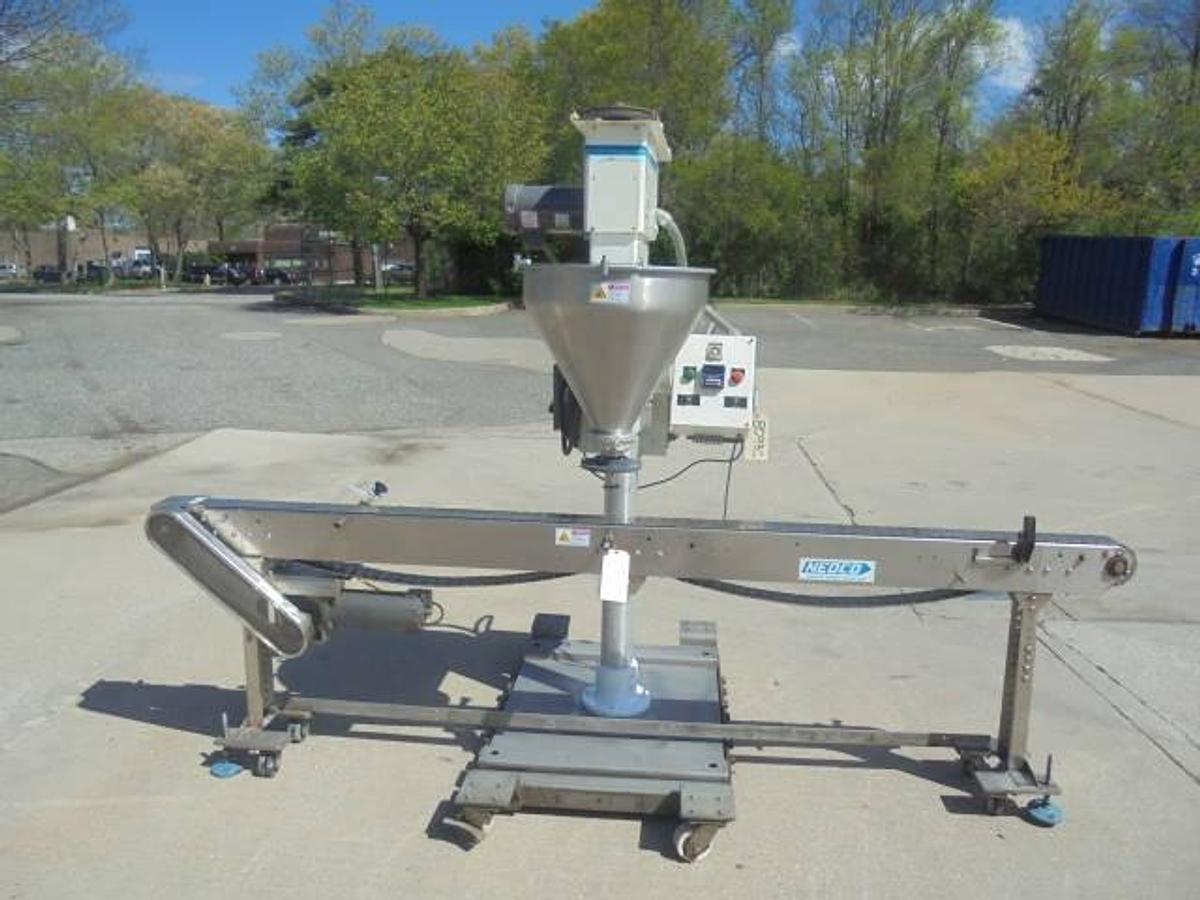
Mateer Burt was an American manufacturer with a long history of producing filling, capping, and packaging machinery for a range of industries. Their product lineup included auger powder fillers, piston fillers, tube fillers, capping machines, and labeling equipment. The auger-based filling machines were particularly well regarded for their precision in handling dry powder products, while their labeling equipment handled high-speed inline applications. Specific models that appear regularly in the used equipment market include the Mateer Burt 408A Horizontal Glue Labeler, the Neotron Automatic Inline Dual Head Auger Powder Filler, the Single Auger Powder Filler with Agitated Hopper, and the 1900 Single Auger Pedestal Filler.
The company built a reputation for mechanical reliability and straightforward operation, which is a big part of why their machines remain in demand decades after production. Buyers in pharmaceutical, food, and cosmetic manufacturing still seek out these machines for small-to-mid scale production runs where proven, repeatable performance matters more than cutting-edge automation. The relative simplicity of the mechanical design also makes these machines easier to maintain and troubleshoot compared to more complex modern systems, which adds to their appeal in the used equipment market.
What industries is Mateer Burt equipment designed for?
Mateer Burt equipment was designed primarily for the pharmaceutical and food industries, with significant crossover into cosmetic and chemical manufacturing as well. Their filling machines were built to handle the precision and consistency requirements that pharmaceutical production demands, including accurate dosing of powder products into capsules, bottles, and other containers. Food manufacturers relied on the same equipment for dry ingredient filling applications where contamination control and fill-weight accuracy are critical to product quality and regulatory compliance.
Beyond those core sectors, Mateer Burt machines found wide use in cosmetic manufacturing for filling powdered personal care products, as well as in industrial chemical applications where consistent volumetric or weight-based filling is needed. The versatility of their auger filler designs in particular made them adaptable across product types with varying densities and flow characteristics. This cross-industry applicability is one reason used Mateer Burt machines hold their value reasonably well and attract buyers from multiple sectors when they come up for sale.
Where can I find used Mateer Burt equipment for sale?
Used Mateer Burt equipment surfaces through a few main channels: specialized used machinery dealers who focus on packaging and processing equipment, industrial surplus dealers, and occasionally through direct plant sales when a facility decommissions older production lines. Dealers who specialize in pharmaceutical or food packaging equipment tend to carry the most relevant inventory and can provide more informed context about the machines they list, including model history and typical applications.
When searching for used Mateer Burt equipment, it pays to work with dealers who have a long track record in the packaging machinery segment specifically, rather than general surplus houses. Specialists are more likely to have accurately identified the model, assessed the mechanical condition, and can facilitate inspections. Some equipment may still be installed in an active production facility at the time of sale, which can actually work in a buyer's favor since it offers the opportunity to see the machine running under real production conditions before committing to a purchase.
How do I verify the condition of used Mateer Burt equipment before buying?
Verifying the condition of any used packaging machine before purchase requires a combination of visual inspection, mechanical assessment, and ideally some form of operational demonstration. Reputable used equipment dealers will typically offer in-person inspections, video walkthroughs, or detailed photo documentation of the machine. For a piece of equipment like a Mateer Burt auger filler or labeler, buyers should look closely at the condition of the auger flights, hopper, seals, drive components, and any electronic controls. Wear on contact parts and evidence of prior repairs or modifications are important things to note.
Keep in mind that most used equipment dealers are not set up to run full production trials, since that would require product, permitting, and production infrastructure that a dealer facility typically does not have. The inspection is meant to give an accurate picture of the machine's current mechanical state, not to replicate a full production run. If the machine is still installed at a manufacturing facility, a dealer may be able to arrange an inspection there, where an operational demonstration under actual production conditions may be possible. Buyers should ask specifically what inspection options are available and request as much documentation as possible, including any maintenance records if they exist.
Does used Mateer Burt equipment come with a warranty?
Warranties on used packaging equipment are generally not offered by resellers or dealers. The standard practice in the used machinery market is to sell equipment on an as-is basis, which means the responsibility for evaluating the condition of the machine falls on the buyer before the transaction is finalized. This is true across the used equipment industry and is not specific to any one brand or dealer. Because of this, the inspection process is especially important, and buyers should take full advantage of any in-person or video inspection options a dealer offers.
For buyers concerned about long-term support, it is worth contacting the manufacturer or their authorized service representatives directly to understand what level of parts and technical support is available for a specific Mateer Burt model. Older machines may have limited parts availability, while other models may still have a reasonable supply of replacement components either through the manufacturer or through third-party suppliers. Choosing a dealer with a solid reputation and a long history in the packaging equipment segment is one of the best ways to reduce risk when purchasing used machinery without a formal warranty.
What is the typical production speed of Mateer Burt auger powder filling machines?
Mateer Burt auger powder fillers were built for high-speed production environments while maintaining fill-weight accuracy, which made them a go-to choice in pharmaceutical and food packaging lines for many years. Production speeds vary considerably depending on the specific model, the product being filled, container size, and the configuration of the machine. Single-head auger fillers are generally suited for smaller production runs or applications where precision is prioritized, while dual-head configurations like the Neotron Automatic Inline Dual Head Auger Powder Filler are designed to increase throughput by running two fill heads simultaneously.
Buyers evaluating a specific used Mateer Burt model for their production requirements should cross-reference the model number with manufacturer documentation or consult with a knowledgeable equipment dealer to get accurate speed specifications. Actual output on a used machine may differ from published specs depending on the machine's current mechanical condition, the characteristics of the product being filled (density, flowability, particle size), and the level of any recent maintenance or refurbishment. Getting a clear picture of the machine's current state during the inspection phase will help set realistic expectations for production performance.
Are replacement parts still available for older Mateer Burt machines?
Parts availability for older Mateer Burt equipment depends heavily on the specific model and its age. For some models, the manufacturer or authorized service providers may still stock or be able to fabricate certain components, particularly wear items like auger flights, seals, and drive parts. For older or discontinued models, buyers may need to source parts through third-party machine shops capable of fabricating replacements, or through the used parts market where components from decommissioned machines occasionally become available.
Before purchasing a used Mateer Burt machine, it is a practical step to contact the manufacturer directly and ask about parts support for that specific model. This conversation can reveal a lot about the long-term serviceability of the machine and help a buyer budget realistically for ongoing maintenance. Some buyers also find that the relatively straightforward mechanical design of many Mateer Burt machines makes it feasible to have certain parts fabricated locally, which can offset limited availability from the manufacturer. A dealer who specializes in packaging equipment may also have useful insight into parts sourcing for specific models they have sold in the past.
What should I know about shipping and rigging used Mateer Burt equipment?
Shipping used packaging machinery like Mateer Burt fillers and labelers involves more complexity than standard freight, and the costs can vary significantly based on the size of the machine, its weight, and the level of packaging required to protect it in transit. Smaller tabletop or pedestal-style units may be suitable for palletizing with adequate blocking and bracing, while larger inline systems or machines with sensitive components may require custom crating to prevent damage. Buyers should ask the dealer specifically what packaging method will be used and factor that cost into the total purchase price.
For heavier machines, rigging for loading at the origin point and unloading at the destination is often an additional cost that buyers need to account for. This typically involves a forklift or crane depending on the machine's configuration and weight. Getting a clear breakdown of all landed costs, including packaging, rigging, freight, and any applicable fuel surcharges, before finalizing a purchase helps avoid surprises. Some dealers will coordinate shipping on behalf of the buyer, while others may require the buyer to arrange their own freight carrier.
What payment terms are typical when buying used Mateer Burt equipment from a dealer?
The standard practice among used equipment dealers is to require full payment before a machine is released for shipping. This applies broadly across the industry and is not unique to any particular type of packaging equipment. The reasoning is straightforward: once a machine leaves the dealer's facility, the transaction is effectively complete, and requiring payment upfront protects both parties from complications that can arise during transit or after delivery.
Some dealers may offer extended payment terms or financing arrangements to repeat customers or buyers with an established relationship, but this is not the norm for first-time transactions. Buyers should clarify payment expectations early in the negotiation process and confirm accepted payment methods, which commonly include wire transfer for transactions of this size. Understanding the full payment timeline, including when funds need to clear before shipping is scheduled, helps both sides coordinate logistics efficiently and avoids unnecessary delays in getting the equipment to its destination.
Why do buyers choose used Mateer Burt equipment over newer filling and labeling machines?
Used Mateer Burt equipment appeals to buyers for a few practical reasons. The machines have a demonstrated track record across decades of pharmaceutical and food production, and their mechanical designs are well understood by experienced maintenance technicians. For operations running small-to-mid scale production volumes, a well-maintained used Mateer Burt filler or labeler can deliver consistent, reliable performance at a fraction of the cost of purchasing comparable new equipment. The cost savings can be substantial, and for facilities that already have familiarity with the platform, integration into an existing line is often straightforward.
There is also a practical argument for simplicity. Older mechanical designs tend to be easier to troubleshoot and repair without specialized diagnostic tools or proprietary software, which matters in production environments where downtime is costly. Buyers who prioritize uptime and ease of maintenance sometimes find that a proven older machine serves their needs better than a more complex modern system. That said, buyers should weigh these advantages against the condition of any specific machine they are considering, since age and maintenance history vary widely in the used equipment market.