Category
Manufacturer
Model
Mateer
Mateer is known for its packaging machinery, particularly in the pharmaceutical and personal care sectors. They provide solutions for filling, sealing, and labeling that meet high industry standards.
FAQ:
What types of products can Mateer filling machines handle?
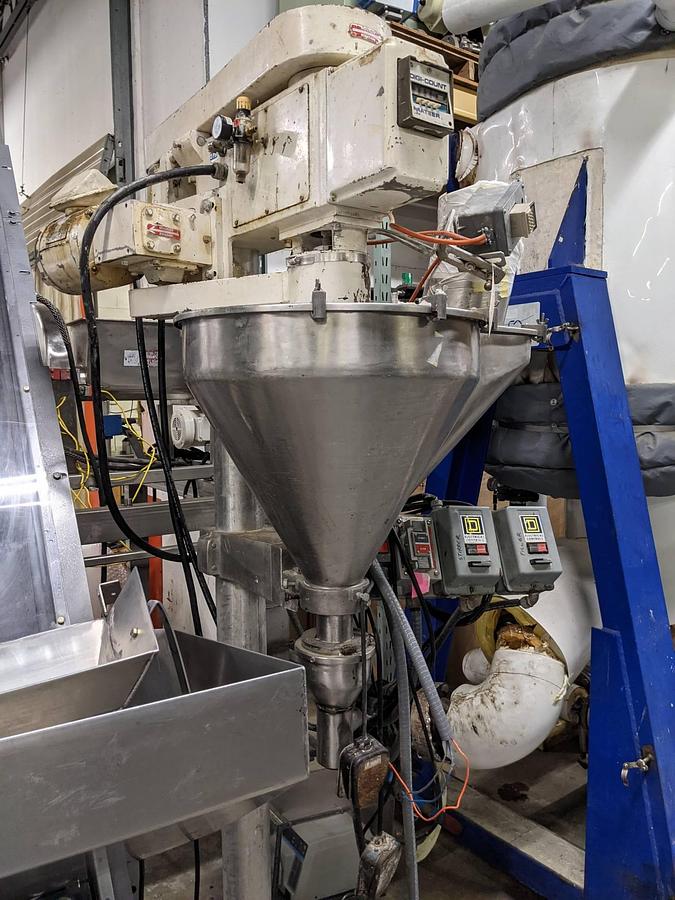
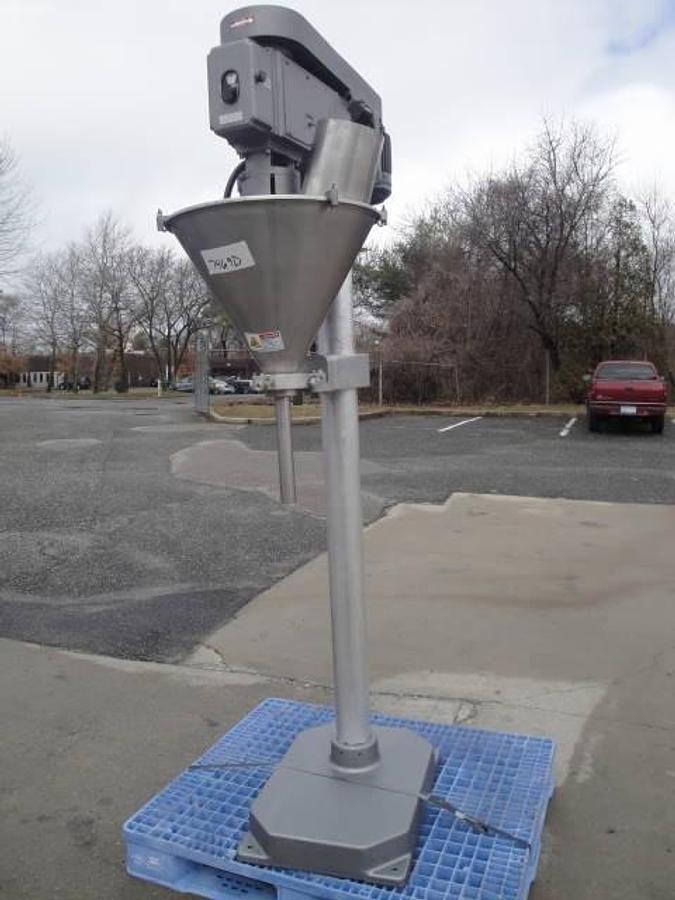
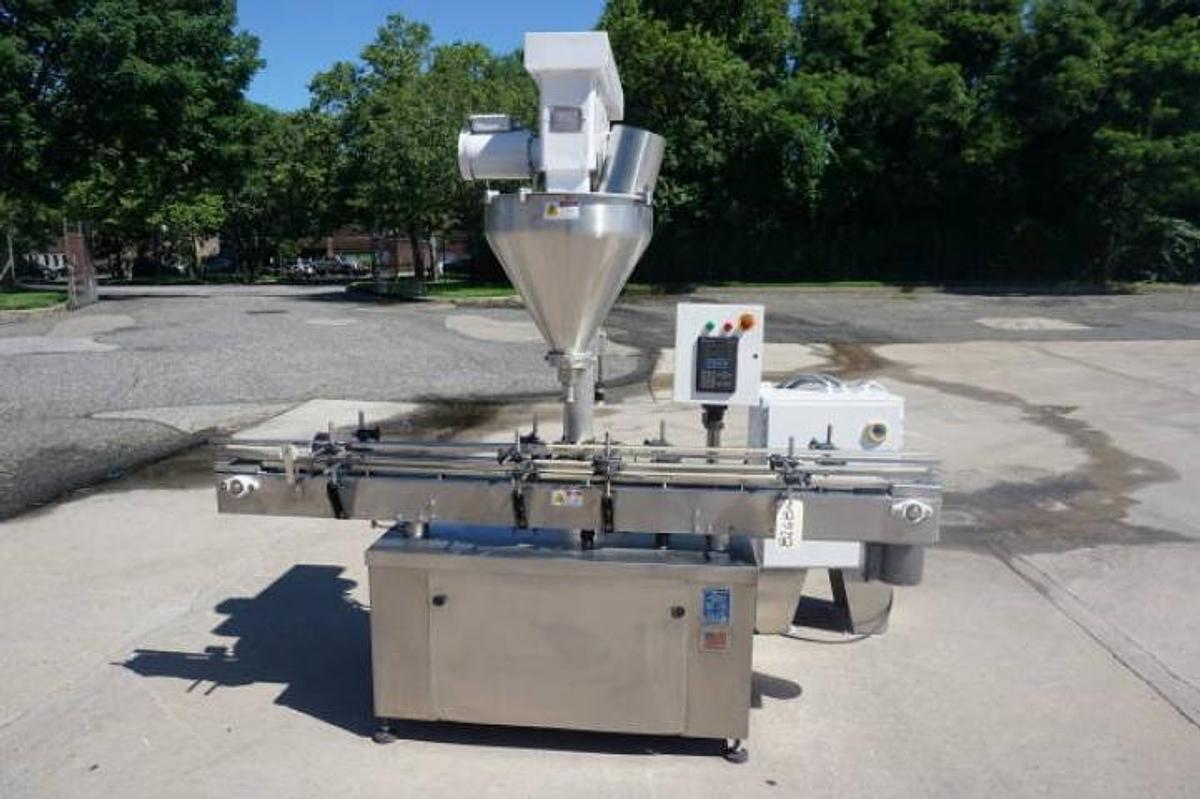
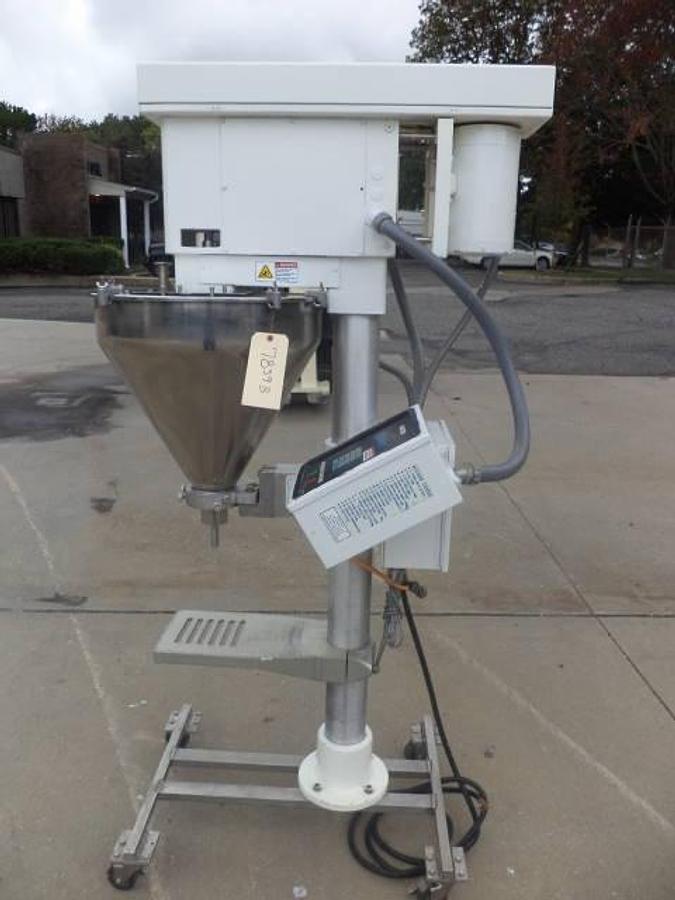
Mateer filling machines were engineered to handle a wide range of product types, making them a versatile choice across multiple manufacturing sectors. The most commonly found models on the used market include auger powder fillers, piston fillers, and rotary cup fillers. Auger-based models, like the Mateer 31A and similar single-head configurations, are specifically designed for dry, free-flowing, and semi-cohesive powder products. These are particularly well-suited for pharmaceuticals, nutraceuticals, spices, protein powders, and similar granular or powdered materials. Some Mateer configurations also accommodate semi-viscous or paste-type products, depending on the head and hopper setup.
The agitated hopper feature found on several Mateer auger filler models is worth noting for buyers working with powders that tend to bridge or clump. Agitation keeps material moving consistently into the auger, which helps maintain fill accuracy even with challenging product characteristics. Mateer-Burt also produced case packing equipment, such as the PN-1 model with elevator, which integrates downstream packaging functions into the line. Buyers should review individual machine specifications carefully, since the product compatibility of any given used Mateer unit depends on its specific model, head type, and the condition of seals and contact parts at the time of purchase.
What industries commonly use Mateer filling machines?
Mateer and Mateer-Burt filling machines built a strong reputation primarily in the pharmaceutical and personal care industries, where fill accuracy and repeatability are critical. Pharmaceutical manufacturers relied on these machines for precise dosing of powdered medications, capsule fills, and similar applications where even small deviations in fill weight can have regulatory implications. Cosmetics and personal care companies also adopted Mateer equipment for filling powders, talcs, and similar dry formulations into jars, bottles, and tubes.
Beyond pharma and personal care, Mateer fillers have found use in food and beverage manufacturing, particularly for dry goods like spices, coffee, protein supplements, and baking mixes. The machines' mechanical durability and consistent fill performance made them attractive to mid-size and contract manufacturers who needed reliable output without constant recalibration. On the used market today, buyers from all of these sectors continue to seek out Mateer equipment because the core mechanical design holds up well over time, and the fill accuracy reputation of the brand remains intact even in older models. Buyers should verify that any used machine's contact surfaces and materials meet the sanitary or regulatory requirements of their specific industry before putting the equipment into production.
Are Mateer filling machines still being manufactured, or are they only available used?
Mateer and Mateer-Burt filling machines are no longer manufactured as a current product line, which means buyers looking for this equipment today are working entirely within the secondary, used machinery market. The brand developed a strong following during its production years for the quality and longevity of its mechanical construction, and that reputation is a large part of why these machines continue to trade on the used market decades after production ended. Used equipment dealers, auction platforms, and industrial surplus sellers are the primary channels through which buyers can locate Mateer filling machines.
Because these are legacy machines, availability depends entirely on what has come off production floors and into the resale market at any given time. Inventory changes frequently, and specific models, such as the 31A single-head auger filler or the Mateer-Burt PN-1 case packer, may not always be available simultaneously. Buyers with a specific model in mind should work with dealers who specialize in packaging and filling equipment, as these dealers are more likely to have relevant inventory and the technical knowledge to accurately describe the condition and configuration of the machine. Patience is often required, since the right model in the right condition may take time to surface.
What should buyers know about replacement parts for used Mateer filling machines?
Parts availability is one of the most important due-diligence items for anyone considering a used Mateer filling machine. Because these machines are no longer in active production, some components, particularly proprietary or model-specific parts, may not be available through standard supply channels. Buyers should contact the manufacturer directly before purchasing to understand what level of parts and technical support remains available for the specific model and age of machine they are considering. Older models or discontinued configurations may require custom fabrication for certain wear components, which adds cost and lead time to any future maintenance.
That said, many of the mechanical components used in Mateer auger fillers and piston fillers, including motors, gearboxes, seals, and standard fasteners, are common industrial parts that can be sourced through third-party suppliers or machine shops. Experienced packaging equipment mechanics can often fabricate or adapt parts that are no longer available through the manufacturer. Before finalizing a purchase, it is worth asking the selling dealer whether any spare parts are included with the machine, as sellers sometimes have leftover components from the same production line. Stockpiling critical wear parts at the time of purchase is a common and practical strategy for buyers investing in legacy filling equipment.
How do buyers inspect a used Mateer filling machine before purchasing?
Inspection is a critical step when buying any used filling machine, and reputable dealers will typically accommodate in-person visits, live video walkthroughs, or recorded video inspections of the equipment. An in-person inspection is the most thorough option, allowing a buyer or their technician to physically examine the machine's mechanical condition, check for wear on the auger, hopper, seals, and drive components, and assess the overall state of the electrical system. Some machines may still be installed at the facility where they were last used, making it possible to see the equipment in a production context, though it may or may not be actively running.
Buyers should keep in mind that most used equipment dealers do not have the permits or facilities to run actual product through a machine during an inspection. Testing is generally limited to a dry mechanical run to confirm that the drive, auger, and controls operate as expected. For a more complete picture, buyers should ask for any available maintenance records, inquire about the machine's last known use and production history, and have a qualified packaging equipment technician review the inspection footage or accompany them on-site. The goal is to get as accurate a picture as possible of the machine's current mechanical condition before committing to a purchase.
What is the typical price range for used Mateer filling machines?
Pricing for used Mateer filling machines varies considerably based on the model, configuration, age, and overall condition of the equipment. Simpler single-head auger fillers in average working condition have historically sold in the range of a few thousand dollars, while more complete or well-maintained systems with additional features, such as agitated hoppers, extended hoppers, or integrated case packing capability, can command significantly higher prices. The Mateer-Burt PN-1 case packer with elevator, for example, represents a more complex piece of equipment than a standalone single-head filler and would typically be priced accordingly.
Buyers should also factor in the full landed cost of the equipment, not just the listed sale price. Shipping, rigging, crating, and any required reconditioning or parts replacement can add meaningfully to the total investment. A machine listed at a lower price that requires significant mechanical work may end up costing more than a higher-priced unit in better condition. Getting a clear picture of the machine's current state through a thorough inspection, and consulting with a packaging equipment technician about likely reconditioning costs, will help buyers make a more accurate cost comparison between available units.
What are the most common Mateer filling machine models found on the used market?
The models that appear most frequently on the used machinery market reflect the product lines that Mateer and Mateer-Burt produced in the highest volumes during their years of active manufacturing. The Mateer 31A is among the most recognized models, a single-head auger powder filler that was widely adopted in pharmaceutical and personal care production environments for its reliable fill accuracy and straightforward mechanical design. It is available in configurations with standard or extended hoppers, and with or without agitation, depending on the product requirements of the original buyer.
Beyond the 31A, buyers will also encounter general single-head automatic filling machines and single auger powder fillers with agitated hoppers under the Mateer name. On the downstream side, the Mateer-Burt PN-1 case packer with elevator represents the brand's packaging line capability, designed to automate the case packing step after filling. The specific inventory available at any point in time depends on what has come off production floors and into the resale channel, so buyers looking for a particular model should work with dealers who actively track the used packaging equipment market and can notify them when a target machine becomes available.
How difficult is it to set up and operate a used Mateer filling machine?
Mateer auger fillers and related equipment were designed for industrial production environments and are generally considered mechanically straightforward by packaging equipment standards. Operators familiar with auger filling technology will find the core principles consistent with other machines in this category: the auger rotation controls fill volume, and adjustments to fill weight are made by modifying auger speed, the number of auger rotations per cycle, or both. The mechanical simplicity of older Mateer designs can actually be an advantage for maintenance and troubleshooting, since there are fewer electronic components to diagnose compared to modern servo-driven fillers.
That said, setting up a used machine for a specific product and container always requires some time and expertise. Changeover between products or container sizes involves adjusting or swapping tooling, calibrating fill weights, and verifying accuracy across a sample run. Buyers who are new to auger filling equipment, or who are running the machine on a product type that differs from its previous use, should plan for a commissioning period and may benefit from consulting with a packaging equipment technician during initial setup. Obtaining any available manuals or documentation for the specific model from the selling dealer will also make the setup process considerably smoother.
What should buyers understand about shipping and delivery for a used Mateer filling machine?
Shipping a used filling machine involves more planning and cost than most buyers initially expect, and it is important to understand the full scope of logistics before finalizing a purchase. Mateer auger fillers and case packers are industrial machines with significant weight and physical dimensions, and they require proper packaging to prevent damage in transit. Depending on the size and weight of the specific unit, this may mean palletizing, crating, or both. The level of packaging required directly affects shipping costs, and buyers should ask the selling dealer for a detailed breakdown of crating, rigging, and freight charges to understand the true landed cost of the equipment.
Larger or heavier machines, such as a complete case packer with elevator, may require specialized rigging equipment for loading at the origin and unloading at the destination. This is typically an added cost that the buyer is responsible for arranging on their end. Freight carriers that handle industrial machinery are generally preferable to standard LTL freight for equipment of this type, as they are more experienced with the handling requirements. Buyers should confirm with the dealer exactly what is included in the quoted shipping cost and what arrangements need to be made independently, so there are no surprises at the time of delivery.
What payment terms do used equipment dealers typically require for a Mateer filling machine purchase?
The standard practice among used equipment dealers is to require full payment before a machine is released for shipping. This applies broadly across the industry and is not specific to any one seller or machine type. For buyers who are unfamiliar with a particular dealer, this means conducting appropriate due diligence on the seller's reputation and track record before transferring funds. Working with dealers who have a documented history in the packaging and filling equipment space, and who can provide references or demonstrate a verifiable sales history, reduces the risk associated with prepayment.
Some dealers may offer extended payment terms or other arrangements to established repeat customers, but this is the exception rather than the standard, particularly for first-time transactions. Buyers should also clarify whether the quoted price is inclusive of all fees, or whether crating, rigging, and freight will be invoiced separately. Understanding the complete payment structure upfront, including what is due and when, helps avoid confusion during the transaction. Using a secure, traceable payment method and getting all terms in writing before payment is made are basic but important precautions when purchasing used industrial equipment.