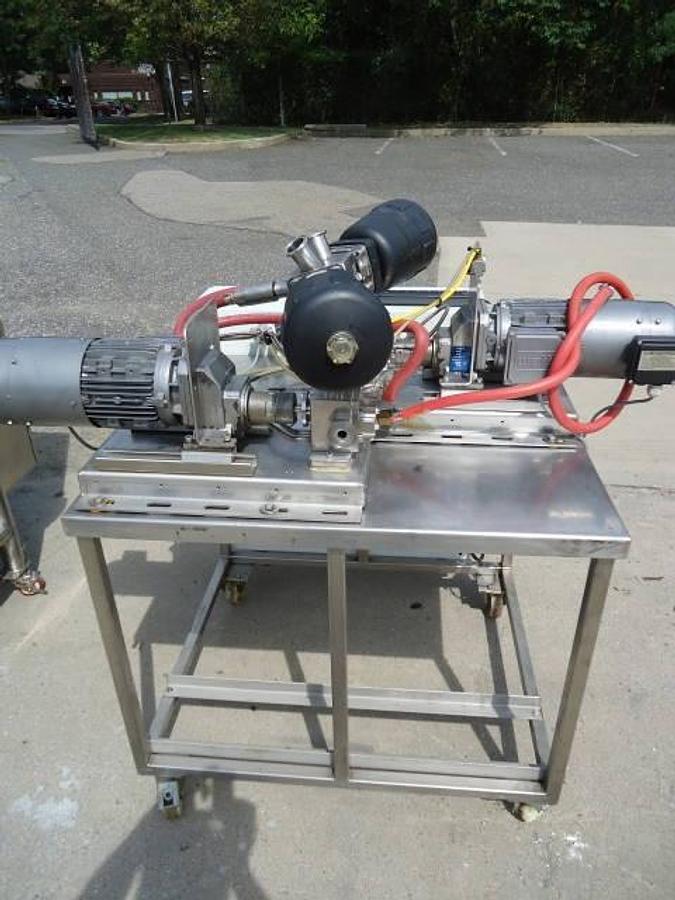
Category
Manufacturer
Model
Matec
Matec manufactures equipment for the food and beverage industries, particularly in the area of filtration and separation. Their systems are designed to enhance product quality and process efficiency.
FAQ:
What types of equipment does Matec manufacture?
Matec is an Italian manufacturer with a strong focus on filtration and separation technology, primarily serving the food and beverage industries along with sectors like stone processing, construction, mining, and aggregates. Their product lineup includes filter presses, thickeners, belt presses, metering and proportioning pump systems, and complete water recycling plants. Many of their systems are designed around high-pressure filter press technology, which is a core strength of the brand.
On the food and beverage side, Matec builds sanitary-grade equipment engineered to meet the hygiene and process standards that those industries require. Their systems are built to enhance product quality and improve process efficiency, which is why they tend to have long operational lifespans and remain in demand on the used equipment market well after their initial deployment.
What industries use Matec filtration and separation equipment?
Matec equipment serves a fairly broad range of industries, though the brand is particularly well known in two distinct segments. In the food and beverage space, their sanitary filtration and metering systems are used in production environments where hygiene compliance and precise proportioning are critical. In heavier industrial settings, Matec filter presses and water treatment systems are widely used in stone processing, aggregate production, mining, and construction, where dewatering and wastewater management are ongoing operational needs.
The common thread across these industries is the need for reliable liquid-solid separation. Matec systems are recognized for their high dewatering efficiency, low water consumption, and ability to help facilities meet environmental discharge regulations. That cross-industry versatility is one reason why used Matec machines attract buyers from several different sectors when they come up for sale.
Why do buyers consider used Matec equipment instead of purchasing directly from a manufacturer?
Used Matec equipment is frequently sought on the secondary market because these machines are built to last. Their durability and long operational lifespan mean that a well-maintained unit can deliver years of reliable service after its first deployment, making a used purchase a cost-effective alternative to buying a comparable machine at full price. For operations with tighter capital budgets or those scaling up production incrementally, used Matec equipment can offer significant savings without a major sacrifice in performance.
Beyond the price advantage, lead times on used equipment are generally much shorter than ordering through a manufacturer, which matters when a facility needs to replace a failing machine or expand capacity quickly. Buyers should account for the condition of the specific unit, any refurbishment that may be needed, and the availability of parts for the model in question before committing to a purchase. Consulting with the manufacturer about support availability for a particular age and model is a smart step in the evaluation process.
Does used Matec equipment come with a warranty?
Warranties on used industrial equipment are generally not offered by equipment dealers. Used machinery is typically sold on an as-is basis, which places the responsibility for evaluating condition squarely on the buyer. This is standard practice across the used equipment industry, not something specific to any one dealer or brand. Manufacturer warranties, by contrast, are tied to the sale of equipment directly through authorized channels and do not transfer with used machines in most cases.
Because of this, buyers should approach any used Matec purchase with a thorough inspection process. Choosing a reputable dealer with a long track record in industrial equipment is an important first step. Buyers should also contact Matec directly to understand what level of technical support, parts availability, and service documentation they can expect for the specific model and age of machine they are considering. Older or discontinued models may have more limited manufacturer support than more recent ones.
How should a buyer inspect used Matec equipment before purchasing?
Inspecting used industrial equipment like Matec filter presses or pump systems requires a clear picture of the machine's current operating condition. Reputable dealers typically offer in-person inspections, virtual walkthroughs, or detailed video captures of the equipment so buyers can assess wear, mechanical condition, and any visible damage. In some cases, the machine may still be in active production at a facility, which can allow for an inspection where the equipment is running under real operating conditions. In other cases, the machine may already be decommissioned.
Buyers should be aware that most used equipment dealers are not set up to run actual production tests, since that requires facility-specific permitting and infrastructure that dealers typically do not have. The goal of an inspection is to get an accurate, honest depiction of the machine's current state, not a full production trial. Reviewing maintenance records, asking about the machine's service history, and having a qualified technician evaluate the unit are all steps that experienced buyers take to reduce risk before finalizing a purchase.
What are the key performance advantages of Matec filter press systems?
Matec filter presses are widely recognized in the industrial equipment market for their high-pressure dewatering capability, which results in drier filter cakes and lower residual moisture compared to lower-pressure alternatives. This translates directly into reduced disposal costs and, in some applications, the ability to recycle process water back into production. Many Matec systems are designed with full automation in mind, which reduces the need for manual labor during the filtration cycle and lowers overall operating costs over time.
Environmental compliance is another area where Matec systems are frequently cited. Their water recycling and treatment configurations are built to help facilities meet discharge regulations, which is a growing concern in industries like aggregate processing, stone cutting, and mining. Low water consumption and efficient solids separation make these systems attractive in regions where water use is regulated or where disposal of contaminated water carries significant cost or liability.
Are spare parts and technical support available for used Matec machines?
Parts availability for used Matec equipment depends on the age and model of the machine. For relatively recent models, Matec and authorized service networks can typically supply replacement components such as filter cloths, membranes, hydraulic parts, and control system components. For older or discontinued models, parts sourcing may require more effort, including working with third-party suppliers or fabricating certain components. Before purchasing a used Matec machine, it is worth contacting the manufacturer directly to ask about parts availability and technical documentation for that specific model.
Technical support from the manufacturer is similarly tied to the age and configuration of the equipment. Matec, like most industrial equipment manufacturers, provides varying levels of after-sale support depending on how current the machine is. Buyers who are new to operating Matec equipment should factor in the cost of commissioning support or operator training when calculating the total cost of ownership for a used unit. A dealer experienced in filtration and separation equipment can often help connect buyers with service resources or provide guidance on maintenance requirements.
What maintenance does Matec filtration equipment typically require?
Matec filter presses and related filtration systems require regular maintenance to sustain performance and extend service life. Filter cloths are one of the most frequently replaced consumables, as they degrade over time due to pressure cycling, chemical exposure, and the abrasive nature of many slurries being processed. Hydraulic systems on high-pressure filter presses need periodic fluid checks, seal inspections, and cylinder maintenance. Control systems and sensors should also be reviewed on a scheduled basis to ensure accurate automation and cycle timing.
For metering and proportioning pump systems, common maintenance tasks include checking pump seals, calibrating flow rates, and inspecting tubing or hose connections for wear. In sanitary food and beverage applications, cleaning-in-place protocols and material compatibility are additional considerations that affect maintenance frequency. Buyers of used Matec equipment should request any available service manuals and maintenance logs from the seller, as this documentation can significantly reduce the learning curve and help establish a realistic maintenance schedule from day one.
What should buyers expect regarding shipping and logistics for used Matec equipment?
Shipping used industrial equipment like Matec filter presses involves more planning than standard freight. These machines can be large and heavy, and proper packaging is critical to preventing damage in transit. Depending on the size and configuration of the unit, the seller may need to crate or palletize components individually. Larger machines often require specialized rigging for loading and unloading, which adds to the overall cost. Buyers should ask the dealer for a detailed breakdown of packaging, rigging, and freight charges before agreeing to a purchase so they have a clear picture of the full landed cost.
For international shipments, additional considerations include customs documentation, import duties, and compliance with any destination-country equipment regulations. Freight costs for heavy industrial machinery can vary considerably based on origin, destination, shipping method, and whether the equipment is being moved in pieces or as a complete unit. Getting a freight quote specific to the machine's dimensions and weight, rather than relying on a rough estimate, is the most reliable way to budget accurately for delivery.
What payment terms are typical when buying used Matec equipment from a dealer?
Most used equipment dealers require full payment before a machine is released for shipping. This is standard practice in the industry and reflects the nature of used machinery transactions, where the seller needs to confirm funds before committing to packaging, rigging, and freight coordination. Wire transfer is the most common payment method for transactions of this size, though dealers may accept other forms depending on the arrangement. Buyers who have an established relationship with a particular dealer may occasionally be able to negotiate different terms, but this is the exception rather than the rule for first-time purchases.
Buyers should also factor in the full cost of the transaction beyond the listed equipment price. Rigging, crating, freight, and any applicable taxes or import duties can add meaningfully to the total outlay. Getting a complete cost summary from the dealer before finalizing the purchase prevents surprises and makes it easier to compare the true cost of different machines across multiple listings or sellers.