Category
Manufacturer
Model
Mastermatic
Mastermatic specializes in automation solutions for packaging lines, providing machinery that enhances efficiency in various manufacturing processes. Their systems are widely used in the food and consumer goods sectors.
FAQ:
What is Mastermatic and what types of commercial fryers do they make?
Mastermatic is a commercial foodservice equipment brand with strong roots in the Australian market and a broader international presence, often associated with the Moffat Group product lineup. The brand is known for producing high-volume frying equipment built to handle the demands of busy commercial kitchens, including restaurants, fish and chip shops, fast food outlets, and catering operations. Their fryers are recognized for stainless steel construction, precise thermostat controls, and fast oil recovery times that help maintain consistent food quality during peak service periods.
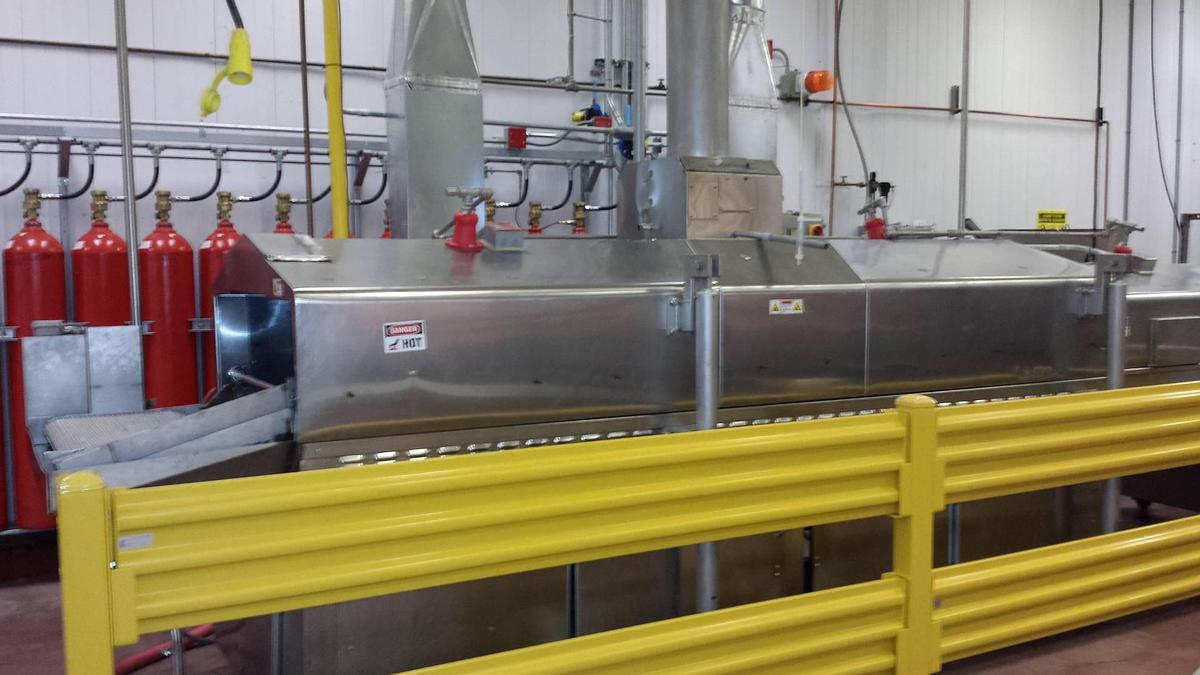
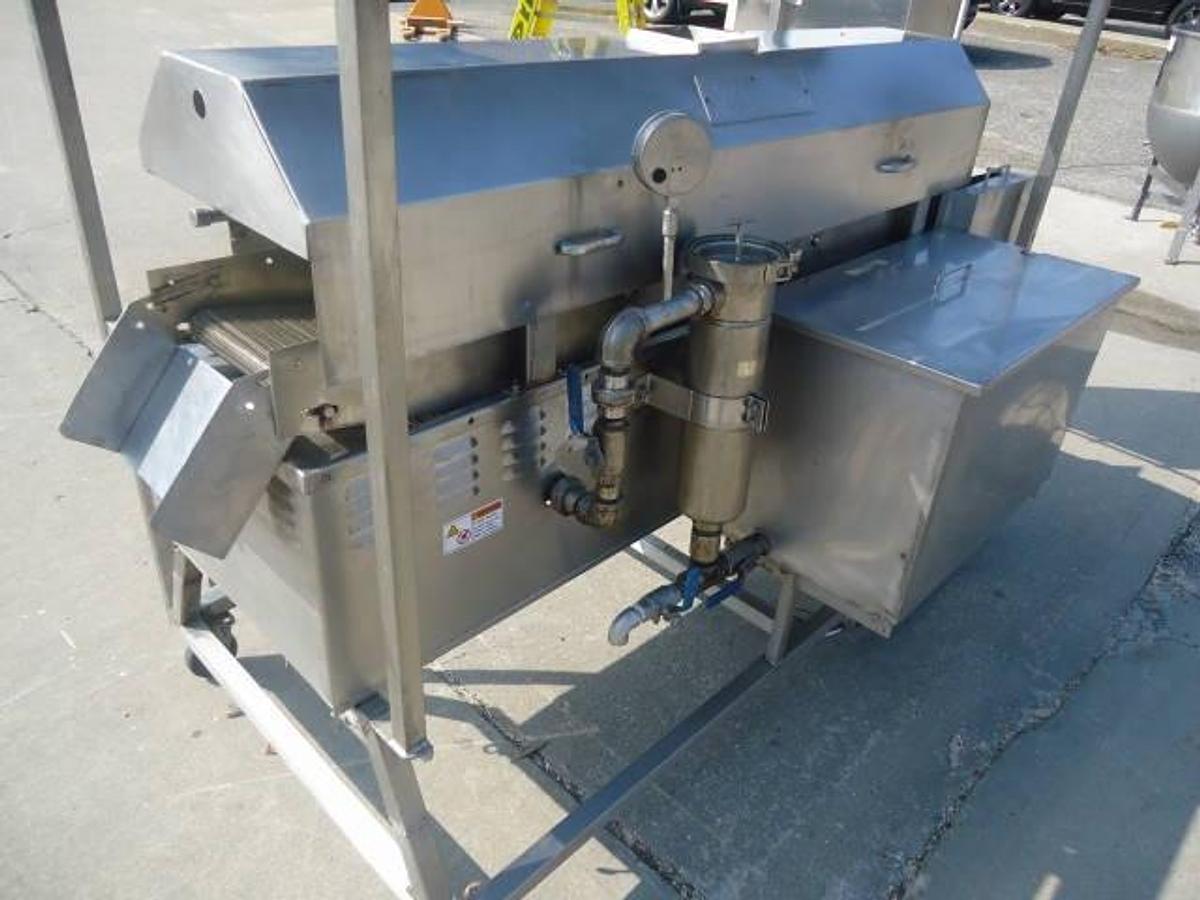
The Mastermatic fryer range includes both countertop and floor-standing configurations, as well as continuous fryer models designed for high-throughput production environments. A notable example is the Mastermatic 12-34 Stainless Steel Continuous Gas Fryer, which is built for operations that need to fry product in a steady, uninterrupted flow rather than in discrete batches. Mastermatic has also collaborated with Pitco on certain models, such as the Mastermatic/Pitco CF300E Continuous Fryer, which reflects the brand's position in the professional, high-capacity end of the commercial frying market.
What is the difference between a continuous fryer and a batch fryer?
A continuous fryer moves product through a heated oil bath on a conveyor or belt system, allowing food to enter one end and exit the other fully cooked, without stopping production between loads. This design is built for high-volume, consistent output and is common in food manufacturing facilities, large-scale catering operations, and quick-service restaurant chains that need to fry large quantities of a single product repeatedly throughout the day. Continuous fryers like the Mastermatic 12-34 are typically larger floor-standing units with a higher oil capacity and more complex temperature management systems.
A batch fryer, by contrast, cooks food in individual loads using a basket that is lowered into the oil and raised when the cycle is complete. Batch fryers are more common in standard restaurant and foodservice settings where a variety of products are cooked in smaller quantities at different times. Both designs have their place depending on the volume and variety of food being produced. For buyers considering used equipment, understanding which type suits their operation is an important first step, since a continuous fryer requires more space and a different workflow than a traditional batch unit.
Are Mastermatic commercial fryers available in both gas and electric models?
Yes, Mastermatic commercial fryers have been produced in both gas and electric configurations, giving foodservice operators flexibility based on their kitchen utility setup, local energy costs, and regulatory requirements. Gas models are popular in high-volume settings because they tend to heat oil quickly and recover temperature fast after food is added, which is critical during busy service periods. The Mastermatic 12-34, for example, is a continuous gas fryer, reflecting the preference for gas in high-throughput production environments where speed and heat output are priorities.
Electric models, such as the Mastermatic/Pitco CF300E, offer advantages in settings where gas lines are unavailable or where electric utility rates make that option more cost-effective. Electric fryers also tend to offer more precise temperature control in certain configurations. For buyers shopping for used Mastermatic fryers, confirming the fuel type of a specific unit is essential before purchase, since retrofitting a fryer from gas to electric or vice versa is generally not practical. Buyers should also verify that the voltage and gas connection specifications of a used unit match their facility's existing infrastructure.
What oil capacity do Mastermatic commercial fryers typically hold?
Oil capacity varies significantly across the Mastermatic fryer range depending on the model size and configuration. Smaller countertop models in the commercial fryer category generally hold around 8 to 10 liters of oil per tank, which suits lower-volume operations or kitchens with limited space. Larger floor-standing models and continuous fryers can hold 20 liters or more per tank, and some high-capacity continuous models used in food production environments hold considerably more oil to maintain consistent frying temperatures across a large cooking surface.
For buyers evaluating a used Mastermatic fryer, oil capacity is an important specification because it directly affects how much product can be cooked at one time and how quickly the oil temperature recovers after cold food is added. A fryer with a larger oil volume tends to experience less temperature drop when product is loaded, which translates to more consistent results and less greasy food. When inspecting a used unit, buyers should confirm the actual tank dimensions and oil capacity against the manufacturer's published specifications for that model to ensure it meets their operational needs.
What should buyers look for when inspecting a used Mastermatic commercial fryer?
A thorough inspection of a used commercial fryer should cover several key areas. The condition of the stainless steel tank and exterior is a good starting point, since pitting, heavy corrosion, or weld repairs can indicate neglect or prior damage that may affect performance and longevity. The heating elements (on electric models) or burner assembly and gas connections (on gas models) should be examined for wear, carbon buildup, or damage. Thermostat accuracy is another critical factor, since a fryer that cannot hold a consistent temperature will produce inconsistent food quality and may waste energy.
For continuous fryers specifically, buyers should inspect the conveyor belt or product transport mechanism for wear, alignment, and ease of cleaning. Seals, drain valves, and filtration components should also be checked, as these are often the first parts to show wear in a heavily used machine. Reputable used equipment dealers will typically accommodate in-person inspections or provide detailed video walkthroughs of a machine's current condition. Keep in mind that most dealers do not have the permitting or production facilities to run actual frying tests, so buyers should ask specific questions about the machine's last known operating status and request as much documentation as possible about its service history.
What is the typical price range for used Mastermatic commercial fryers?
Pricing for used Mastermatic commercial fryers varies widely based on the model, age, condition, and configuration of the specific unit. Smaller batch fryers in used condition can be found at lower price points, while large-format continuous fryers like the Mastermatic 12-34 Stainless Steel Continuous Gas Fryer or the Mastermatic/Pitco CF300E command higher prices due to their complexity, size, and high-capacity production capabilities. The used equipment market does not follow a fixed price list, so buyers should expect to compare multiple listings and factor in the machine's overall condition and any refurbishment that may have been done.
Beyond the purchase price, buyers should account for the full landed cost of a used fryer, which includes freight, rigging, and any crating or palletization required for safe transport. Larger continuous fryers are heavy pieces of equipment that may require specialized rigging for loading and unloading, adding to the total cost. Installation, any necessary utility connections, and potential repairs or parts replacement should also be budgeted for before the machine is put into service. Asking the dealer for a detailed breakdown of all associated costs upfront helps avoid surprises and makes it easier to compare the true cost of different units.
How does buying a used commercial fryer differ from buying a brand-new one?
Used commercial fryers are sold in their current condition, typically on an as-is basis, which is standard practice in the used equipment industry. This is a fundamental difference from purchasing directly through a manufacturer or authorized distributor, where the equipment is unused and often comes with manufacturer support. With used equipment, the buyer takes on the responsibility of thoroughly evaluating the machine's condition before purchase, which makes the inspection process especially important. Selecting a dealer with a long track record in commercial foodservice equipment and a reputation for accurate machine descriptions is one of the most effective ways to reduce risk.
The trade-off for accepting that added responsibility is typically a significantly lower purchase price compared to equivalent new equipment, which can make used fryers an attractive option for operators looking to control capital costs. Buyers should also contact the manufacturer directly before purchasing a used Mastermatic unit to understand what level of support, parts availability, and technical documentation they can expect for that specific model and age of machine. Older or discontinued models may have limited parts availability, which is worth factoring into the decision. A dealer who specializes in commercial foodservice equipment will generally be better positioned to provide accurate information about a specific machine than a general-purpose machinery dealer.
Are replacement parts available for older Mastermatic commercial fryers?
Parts availability for Mastermatic commercial fryers depends on the specific model and how long ago it was produced. For models that are still supported by the manufacturer or their authorized service network, common wear items such as thermostats, heating elements, burner components, and basket hardware are generally obtainable through commercial kitchen equipment parts suppliers. The Mastermatic brand's association with the Moffat Group means that some parts may be sourced through that network, though buyers should verify this directly with the manufacturer for their specific model.
For older or discontinued models, parts availability can become more challenging. Before purchasing a used Mastermatic fryer, it is worth contacting the manufacturer or an authorized service agent to ask specifically about parts support for that model number and production year. This conversation can reveal whether critical components are still stocked, whether aftermarket alternatives exist, or whether the model is essentially unsupported. Knowing this in advance helps buyers make a more informed decision and budget appropriately for potential maintenance needs after the machine is put back into service.
What are the typical shipping and logistics considerations for buying a used commercial fryer?
Commercial fryers, especially large continuous models, are heavy and bulky pieces of equipment that require careful handling during transport. Proper packaging is essential to prevent damage in transit, and costs will vary depending on the level of palletization or custom crating required for a specific machine. Dealers typically offer different levels of packaging, and buyers should ask for details on what is included in the quoted shipping price versus what might be an added cost. For large floor-standing or continuous fryers, specialized rigging equipment may be needed for safe loading at the origin point and unloading at the destination, which is an additional expense that should be factored into the total budget.
Buyers should request a full breakdown of all freight-related costs before committing to a purchase so they understand the complete landed cost of the equipment. This includes the base freight charge, any fuel surcharges, rigging fees, and delivery to a specific location within a facility if a standard curbside or dock delivery is not sufficient. For international buyers, customs duties, import fees, and compliance with local electrical or gas standards add further complexity. Discussing these logistics details with the dealer early in the process helps avoid unexpected costs and ensures the equipment arrives safely and on time.
What payment terms should buyers expect when purchasing used commercial frying equipment?
In the used commercial equipment market, it is standard practice for dealers to require full payment before a machine is released for shipping. This applies to most transactions, particularly for first-time buyers working with a dealer for the first time. Some dealers may offer payment terms or other arrangements to established customers with a history of repeat purchases, but buyers should not assume this will be available and should ask about it directly when discussing a specific machine.
Accepted payment methods vary by dealer but commonly include wire transfer, which is the most widely used method for larger equipment transactions. Buyers should confirm the payment process and timeline with the dealer before finalizing any agreement, including how payment confirmation is handled and what documentation is provided once payment is received. Because used equipment is typically sold as-is and payment is required upfront, taking the time to conduct a thorough inspection before paying is especially important. Completing due diligence on the machine's condition, confirming all shipping costs, and clarifying the timeline for loading and delivery should all happen before funds are transferred.