Category
Manufacturer
Model
Market Forge
Market Forge manufactures cooking and food preparation equipment primarily for the restaurant and food service industries. They are known for their steam cooking appliances, which are designed for efficiency and consistent results.
FAQ:
What types of Market Forge equipment are commonly available on the used market?
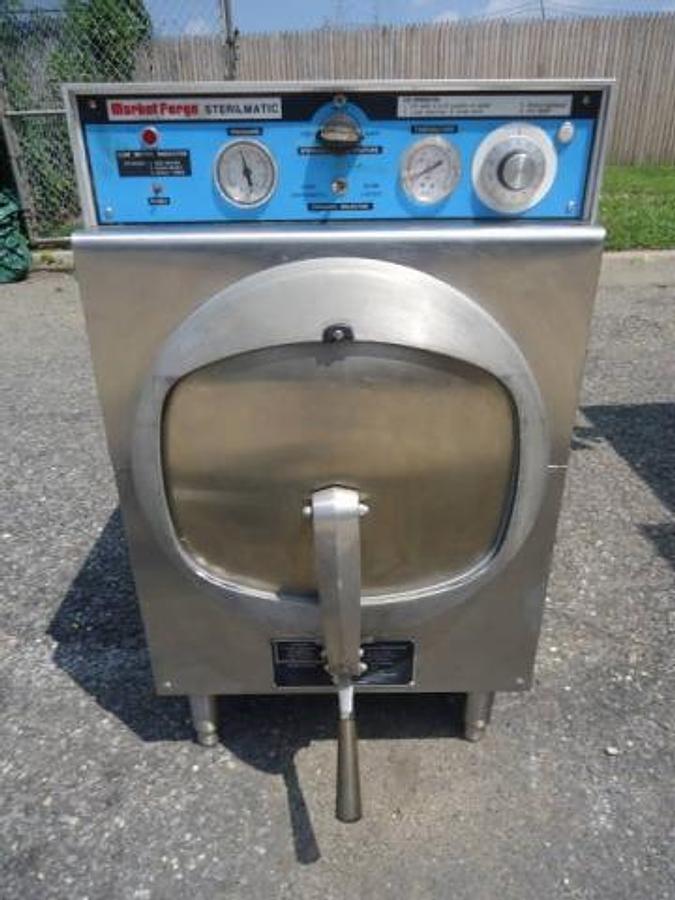
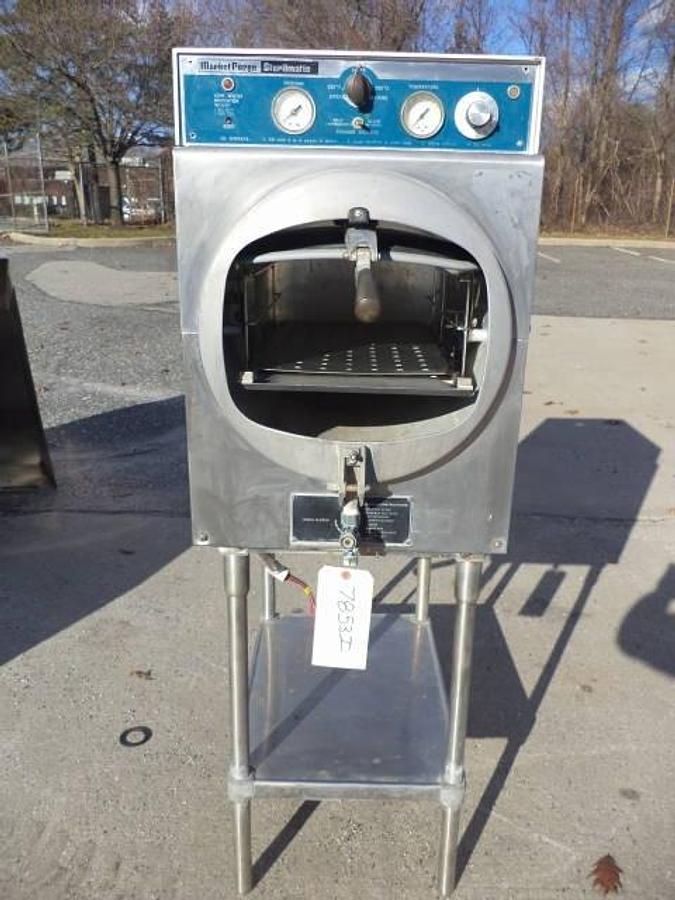
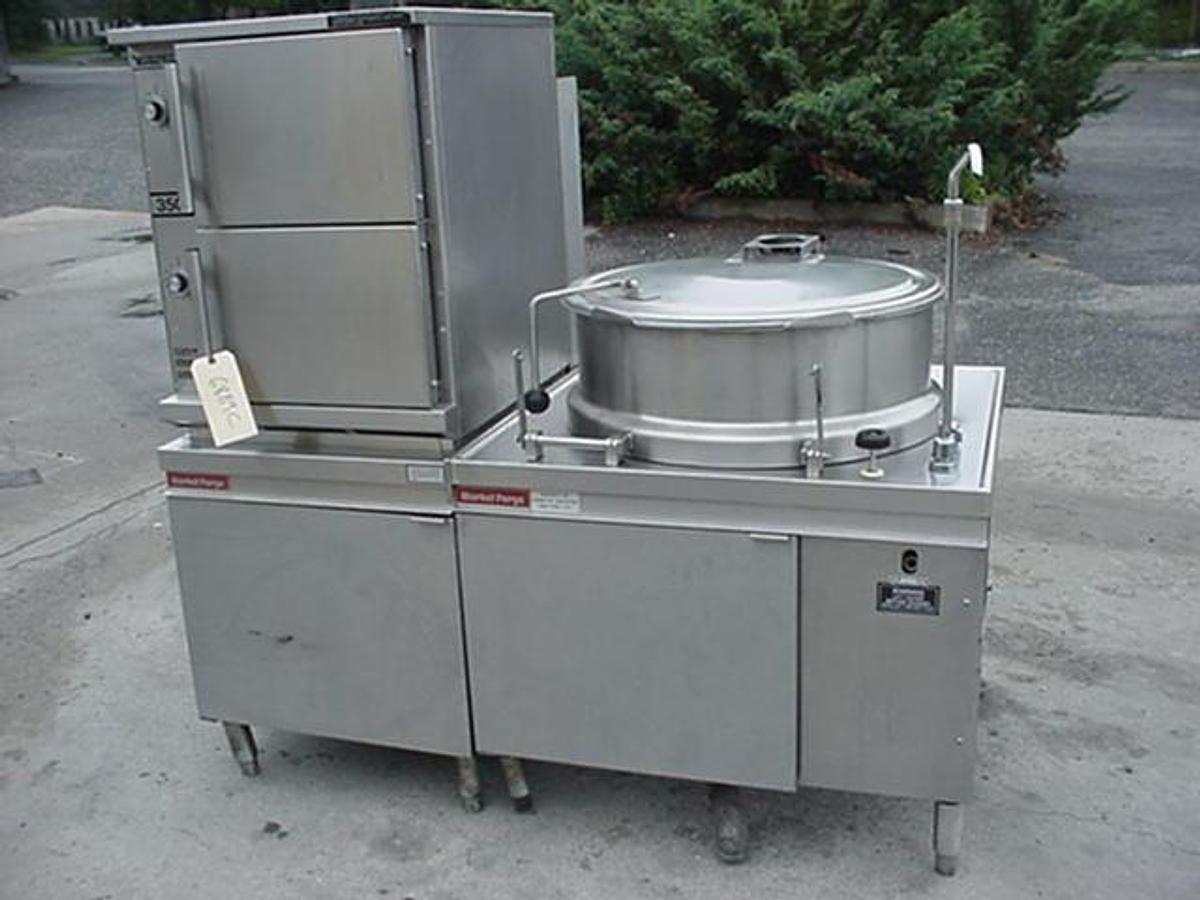
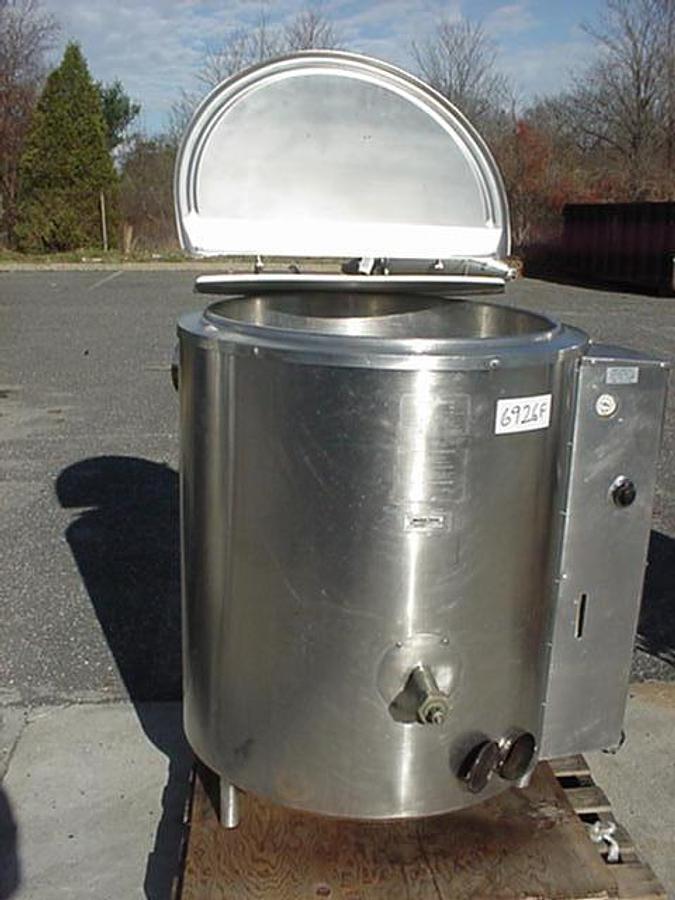
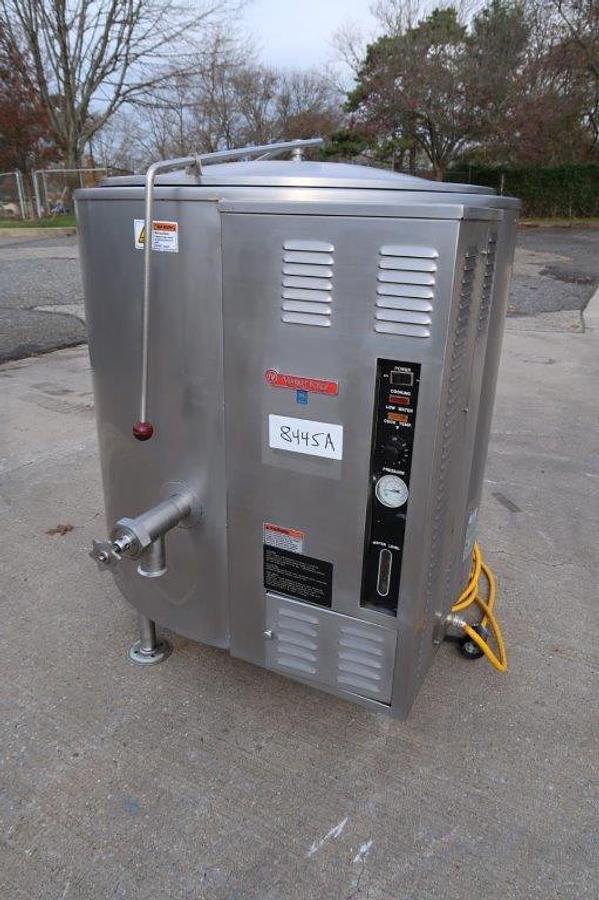
Market Forge built its reputation on steam cooking equipment for commercial and institutional kitchens, and that's reflected in what shows up most often on the used market. The most common units include steam kettles in various capacities (40-gallon tilting kettles, 60-gallon stainless kettles, and 80-gallon self-contained jacketed gas-fired kettles are typical examples), convection steamers, pressure steamers, and autoclaves such as the Sterilmatic tabletop and single-phase models. These machines were built for high-volume environments like hospitals, schools, correctional facilities, and large restaurants, so they tend to be heavy-duty units with long service lives.
Beyond steam cooking equipment, Market Forge also produced a range of food preparation and cooking appliances for the broader food service industry. Because the brand has been in commercial kitchens for decades, used inventory can vary considerably in age, configuration, and condition. Buyers should pay close attention to the specific model number and capacity when evaluating any used Market Forge unit, since the product line spans many years and configurations, and parts availability can differ significantly from one model to the next.
How durable is used Market Forge equipment, and what's a realistic service life expectancy?
Market Forge equipment has a well-established reputation for heavy-duty construction, and it's not uncommon to find units that have been in continuous commercial use for 20 years or more. The brand built its steam kettles and steamers to handle the demands of institutional kitchens where equipment runs for long shifts, day after day. That durability is a big part of why used Market Forge units remain attractive to buyers even when the machines are older, since a well-maintained unit can still deliver reliable performance well past what most lighter-duty equipment could manage.
That said, realistic service life depends heavily on how the equipment was maintained during its previous use. A unit that received regular descaling, gasket replacements, and proper cleaning will be in a fundamentally different condition than one that was run hard without upkeep. When evaluating any used Market Forge machine, it's worth asking about maintenance history, looking for signs of corrosion or scale buildup in steam chambers, and checking whether critical wear components like seals, valves, and controls are intact. Age alone doesn't disqualify a unit, but condition and maintenance history should carry significant weight in the buying decision.
What should I inspect before buying a used Market Forge steam kettle or steamer?
A thorough pre-purchase inspection of any used Market Forge steam equipment should cover both the mechanical and cosmetic condition of the unit. On the mechanical side, key areas to check include the condition of the steam jacket or steam generator, the integrity of seals and gaskets, the function of safety valves and pressure relief components, and the state of any electrical controls or thermostats. For gas-fired units like the jacketed kettles, the burner assembly and gas train components deserve close attention. Corrosion inside the steam chamber or jacket is a red flag, as is evidence of previous leaks or makeshift repairs.
Reputable used equipment dealers will typically accommodate in-person inspections, virtual walkthroughs, or video captures of the machine so buyers can assess condition before committing. Keep in mind that most dealers don't have the permitting or production setup to run actual food through the equipment during an inspection, but they can demonstrate mechanical operation where possible. Buyers should also record the model and serial number during inspection, since these are essential for confirming parts availability with Market Forge or authorized service providers before the purchase is finalized. Getting that information in advance can save significant headaches down the road.
Is Market Forge equipment still being manufactured, and what does that mean for parts and support?
Market Forge has gone through multiple ownership changes over the decades, which has created real uncertainty around current production status and the level of manufacturer support buyers can expect. This is an important consideration for anyone purchasing used Market Forge equipment, because the availability of parts, technical documentation, and factory support can vary significantly depending on the specific model and how old it is. Some older models may have limited or no manufacturer support remaining, while others may still have parts available through current ownership or third-party suppliers.
Before purchasing any used Market Forge unit, it's worth contacting the current manufacturer or authorized service network directly to ask about parts availability for that specific model and serial number range. A knowledgeable used equipment dealer who specializes in commercial kitchen machinery should also be able to provide guidance on which models have strong aftermarket parts support versus those that are harder to service. This kind of due diligence is especially important for steam equipment, where components like gaskets, valves, and heating elements are subject to regular wear and will eventually need replacement.
Where can I find replacement parts for used Market Forge equipment?
Sourcing replacement parts for Market Forge equipment typically involves a few different channels, and the right approach depends on the age and model of the unit. The first step is always to identify the exact model number and serial number, since Market Forge produced many variations over the years and parts are not universally interchangeable across the product line. With that information in hand, buyers can contact the current manufacturer or authorized distributors to check factory parts availability. For older models, factory support may be limited, but that doesn't necessarily mean parts are unavailable.
Third-party commercial kitchen parts suppliers often stock or can source common wear components for Market Forge equipment, including gaskets, seals, valves, heating elements, and control components. Independent commercial kitchen equipment technicians who specialize in steam equipment are often familiar with Market Forge machines and may have established parts sources. Online marketplaces can also be useful for finding used or surplus parts from decommissioned units. When purchasing a used Market Forge machine, it's a practical step to buy a few common wear items at the same time if they're available, so routine maintenance doesn't turn into a sourcing project later.
What is the typical price range for used Market Forge steam kettles and steamers?
Pricing for used Market Forge equipment varies considerably based on the type of unit, its capacity, age, and overall condition. Smaller tabletop units like the Sterilmatic autoclaves tend to be priced lower than large-capacity steam kettles, which involve more material and more complex construction. A used 40-gallon tilting kettle or a 60-gallon stainless kettle will generally command a higher price than compact countertop models, while an 80-gallon self-contained jacketed gas-fired kettle sits at the higher end of the range due to its size and the complexity of the gas-fired jacketed design. Condition is a major variable: a unit in clean, functional condition with documented service history will typically be priced higher than one sold strictly as-is with visible wear.
Buyers should also factor in the total landed cost of the equipment, not just the listed price. Shipping costs for heavy commercial steam kettles can be substantial, and larger units may require specialized rigging for loading and unloading, which adds to the overall expense. Crating and palletization requirements will also affect shipping costs. Getting a clear picture of all associated costs before committing to a purchase helps avoid surprises and allows for a more accurate comparison between different units and sellers.
Are used Market Forge steamers and kettles compatible with standard commercial kitchen utility connections?
Market Forge steam equipment was designed for commercial kitchen environments, so most units are built around standard commercial utility connections rather than residential specifications. Gas-fired units typically require commercial natural gas or propane connections at the pressures and BTU capacities common in commercial kitchen installations. Electric models will have specific voltage and amperage requirements, often 208V or 240V three-phase configurations that are standard in commercial food service facilities but differ from typical residential electrical service. Steam-jacketed kettles may also require a direct steam supply connection if they are not self-contained units.
Before purchasing any used Market Forge unit, buyers should confirm the utility requirements of that specific model and compare them against what's available in their facility. This is particularly important for older units where the original specification sheets may not be readily available. A qualified commercial kitchen equipment technician or utility contractor can help assess compatibility and identify any modifications that might be needed. Getting this information sorted out before the equipment arrives on-site prevents installation delays and unexpected costs, and it's a step that's easy to overlook when focused primarily on the condition and price of the machine itself.
How do used equipment dealers typically handle shipping and delivery of Market Forge kettles and steamers?
Market Forge steam kettles and steamers are heavy, commercial-grade machines, and shipping them requires more planning than typical freight. Most used equipment dealers will arrange packaging that includes palletization or crating appropriate to the size and weight of the unit, and the level of packaging required directly affects shipping costs. Larger units like 80-gallon jacketed kettles may need custom crating to prevent damage in transit, while smaller tabletop autoclaves can often be palletized with standard materials. Buyers should ask dealers specifically about how the equipment will be packaged and what that cost includes before finalizing a purchase.
For larger or heavier units, rigging is often required for both loading at the dealer's location and unloading at the destination. Rigging involves specialized equipment and labor to safely move heavy machinery, and it's typically an added cost on top of the base freight charge. Buyers receiving large steam kettles should also confirm in advance whether their facility has a loading dock or whether a liftgate service will be needed for delivery. Most used equipment dealers require full payment prior to shipping, and getting a complete breakdown of all shipping, rigging, and packaging costs upfront is the best way to understand the true landed cost of the equipment.
What should buyers know about warranty coverage on used Market Forge equipment?
Used Market Forge equipment is typically sold on an as-is basis, which is standard practice across the used commercial kitchen equipment industry. Manufacturer warranties are generally only applicable to equipment purchased directly through authorized channels as a new unit, and that coverage does not transfer through subsequent sales. This means the responsibility for evaluating condition falls squarely on the buyer before the purchase is made, rather than relying on post-sale protection. Selecting a reputable used equipment dealer with a long track record in commercial kitchen machinery is one of the most effective ways to reduce risk in this kind of purchase.
Buyers can protect themselves through thorough pre-purchase inspection, whether in person, virtually, or through detailed video documentation provided by the dealer. Consulting with the manufacturer or current brand owner about parts and service support for a specific model is also a smart step, since the level of support available can vary significantly by age and model. Working with dealers who specialize in food service equipment rather than general industrial machinery is also worth prioritizing, as that specialization typically means more accurate condition assessments and better knowledge of the specific equipment being sold.
How difficult is it to find a qualified technician to service Market Forge steam equipment?
Finding qualified service technicians for Market Forge equipment is generally more straightforward in areas with an active commercial kitchen equipment service industry, but it can require some legwork. Market Forge built a large installed base of steam equipment over many decades, particularly in institutional settings like hospitals, schools, and correctional facilities, so many experienced commercial kitchen technicians have worked on these machines. Steam kettle and steamer service is a recognized specialty within the commercial kitchen equipment trade, and technicians certified by organizations like the Commercial Food Equipment Service Association (CFESA) are a good starting point for finding qualified help.
The challenge with older Market Forge models is that some technicians may be less familiar with specific configurations, particularly if the unit is from an earlier production era. In those cases, reaching out to the current manufacturer or brand owner for a list of authorized service providers is a useful step. Independent technicians who specialize in steam equipment often have practical experience with Market Forge machines regardless of formal authorization. Before purchasing a used unit, it's worth making a few calls to local service companies to confirm that someone in the area is comfortable working on that specific model, since service availability is a practical factor that affects the long-term value of the equipment.