Category
Manufacturer
Model
Maisa
Maisa manufactures equipment primarily for the dairy and food industries. They are particularly known for their pasteurizers and homogenizers, which are essential for ensuring product safety and quality in dairy processing.
FAQ:
What is a Maisa tea bagging machine and what is it used for?
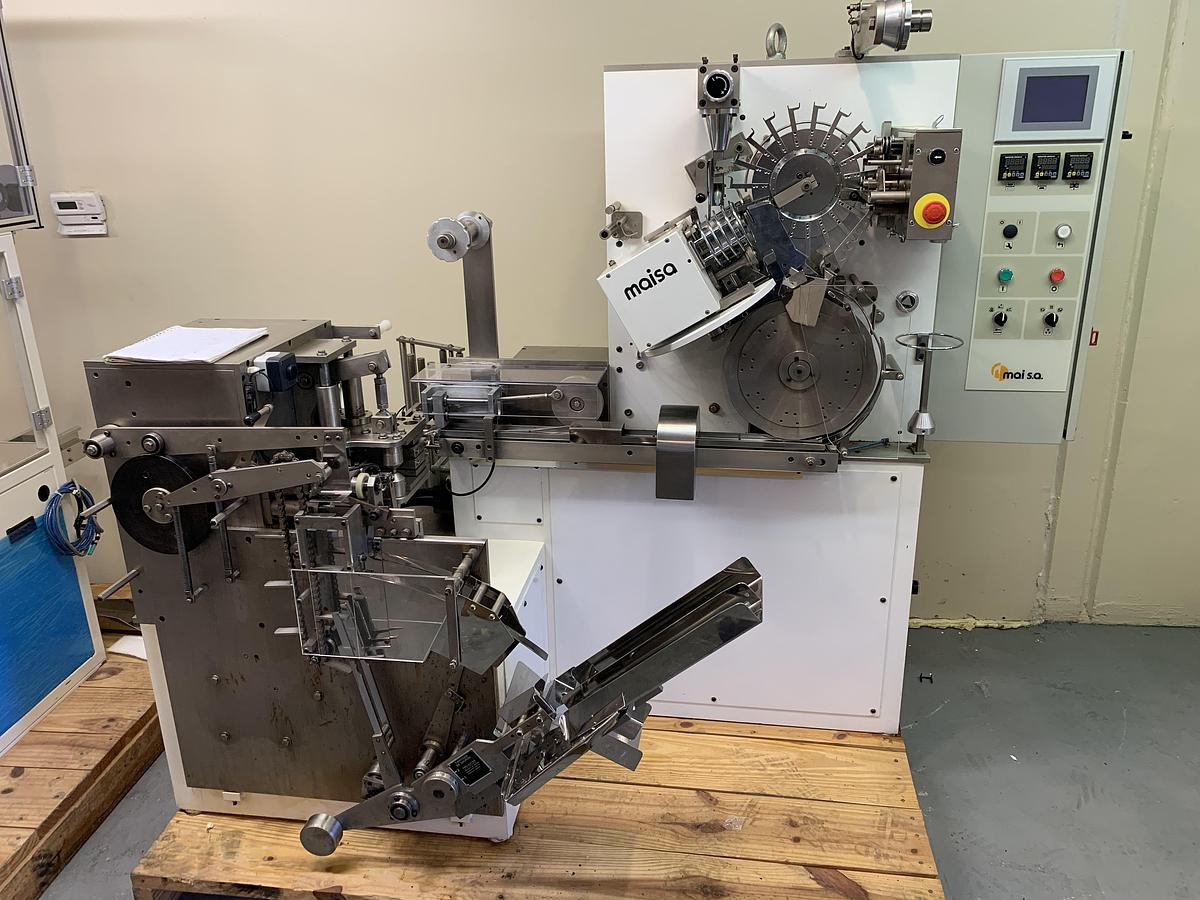
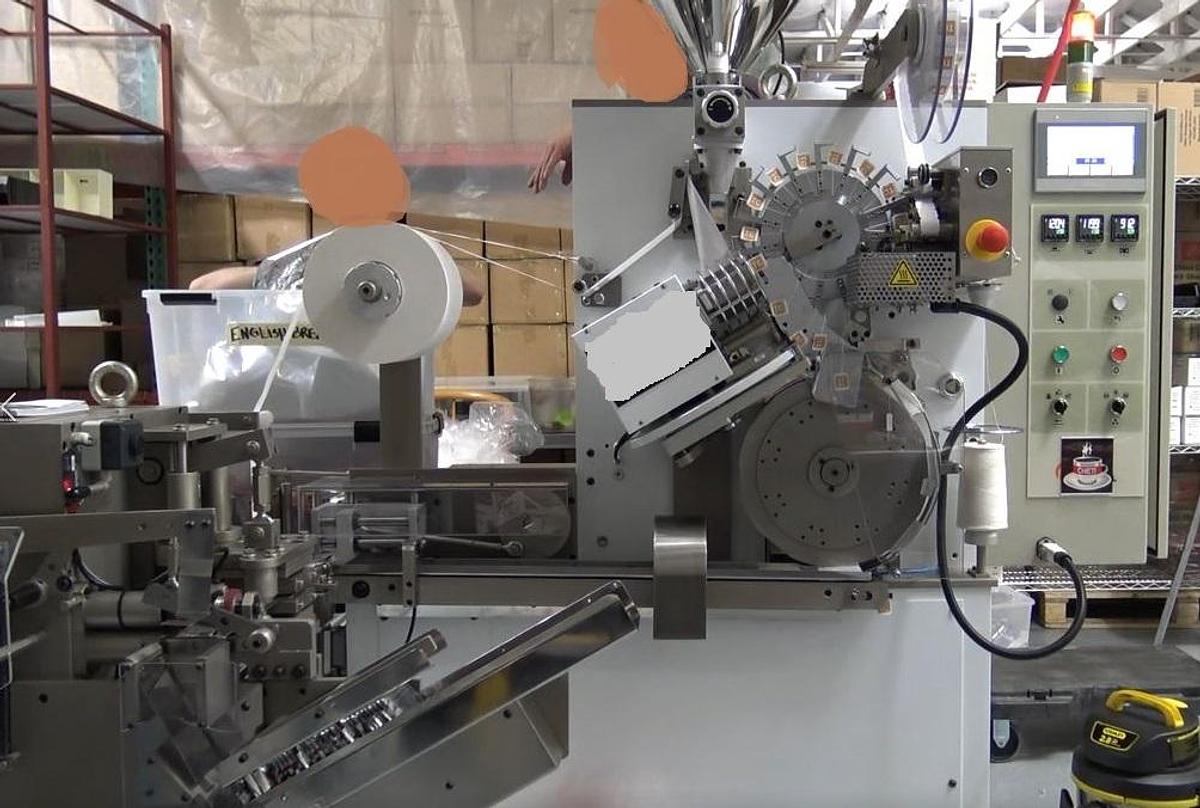
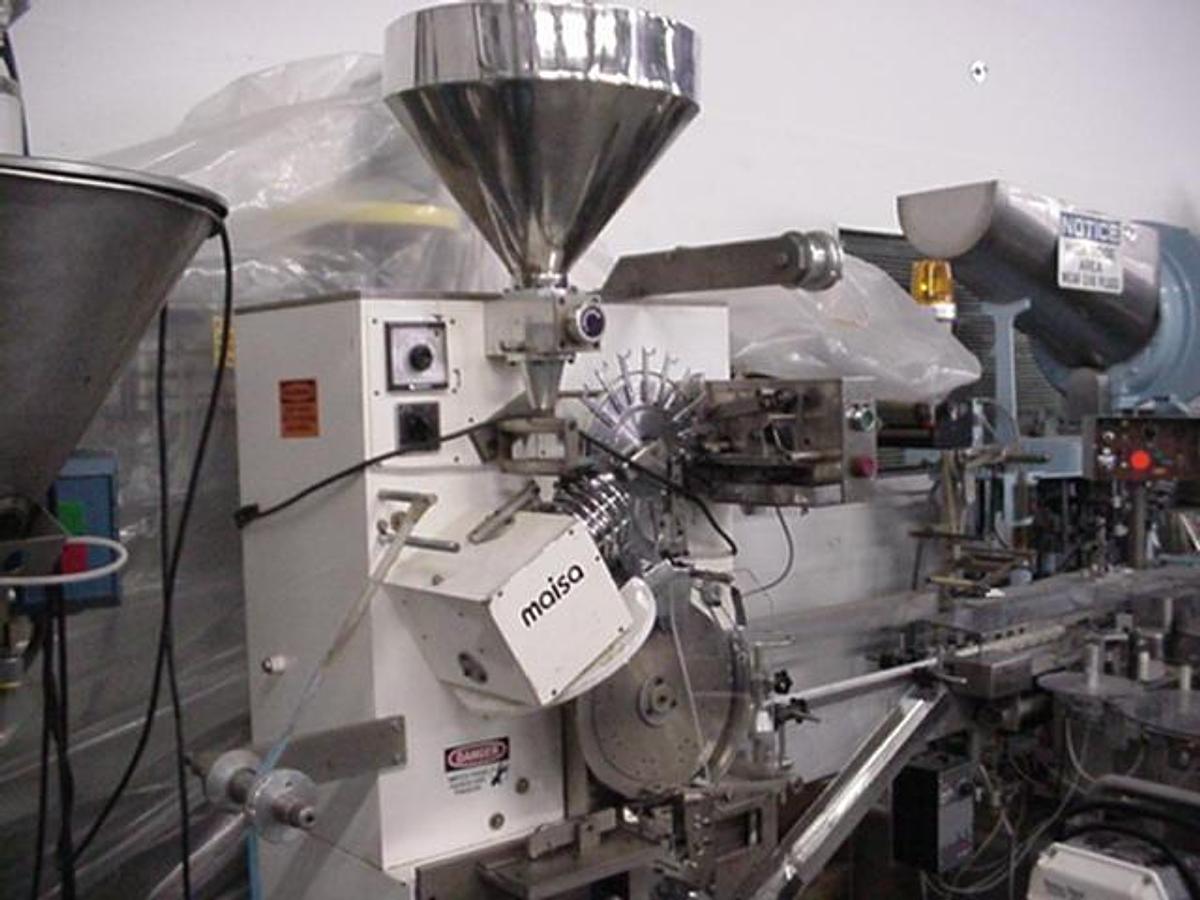
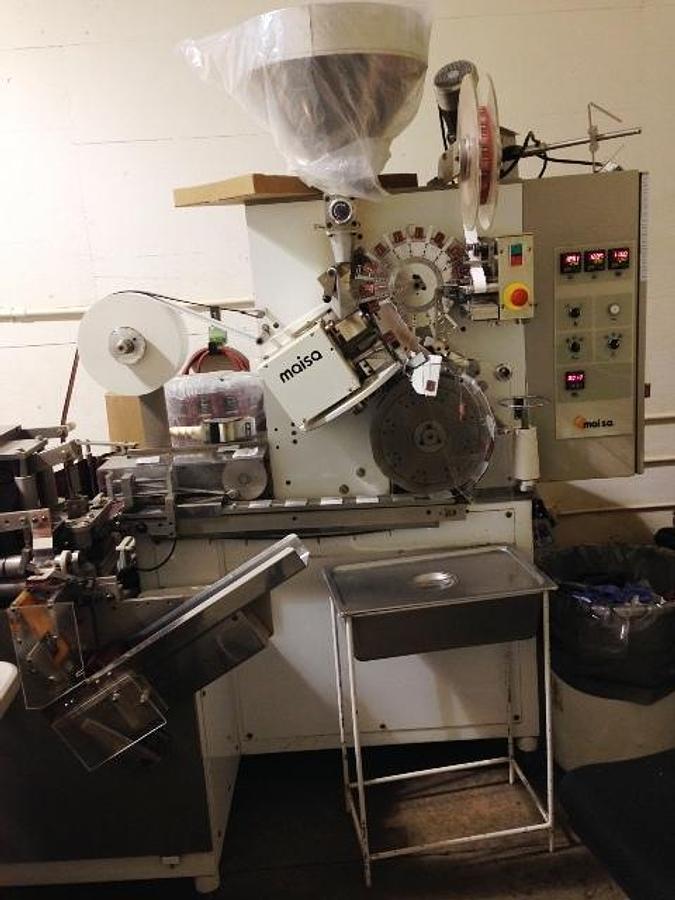
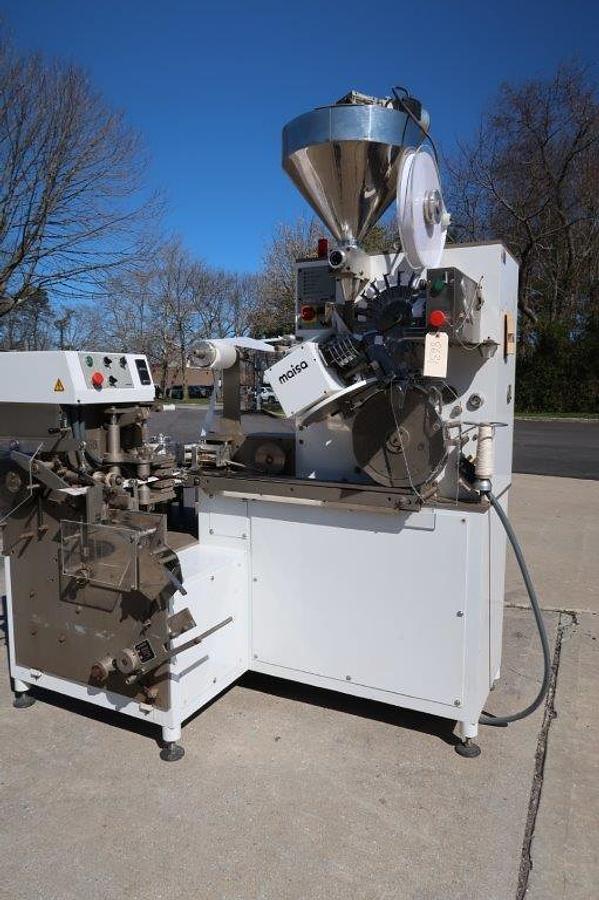
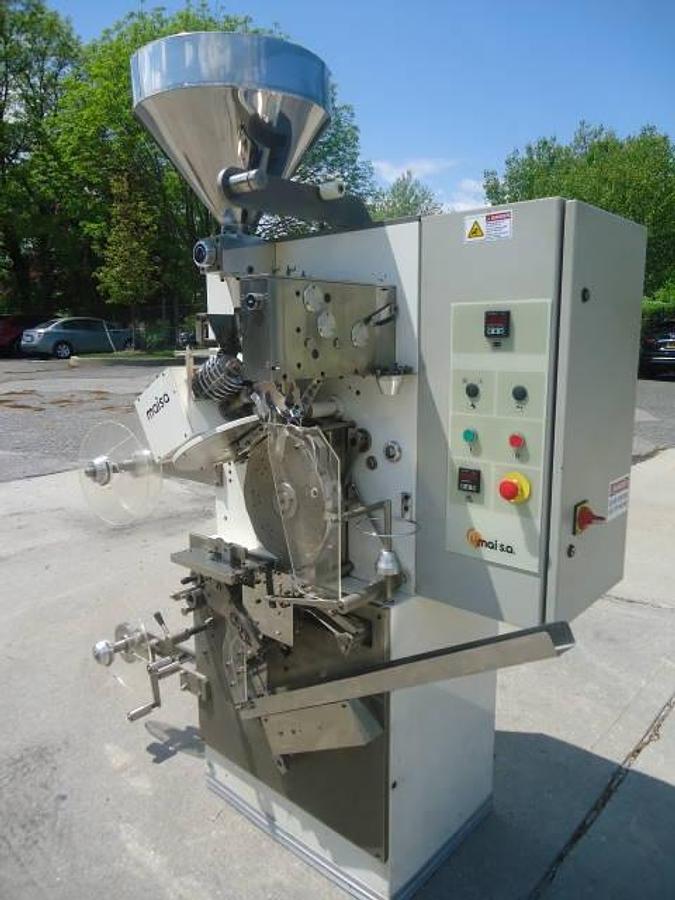
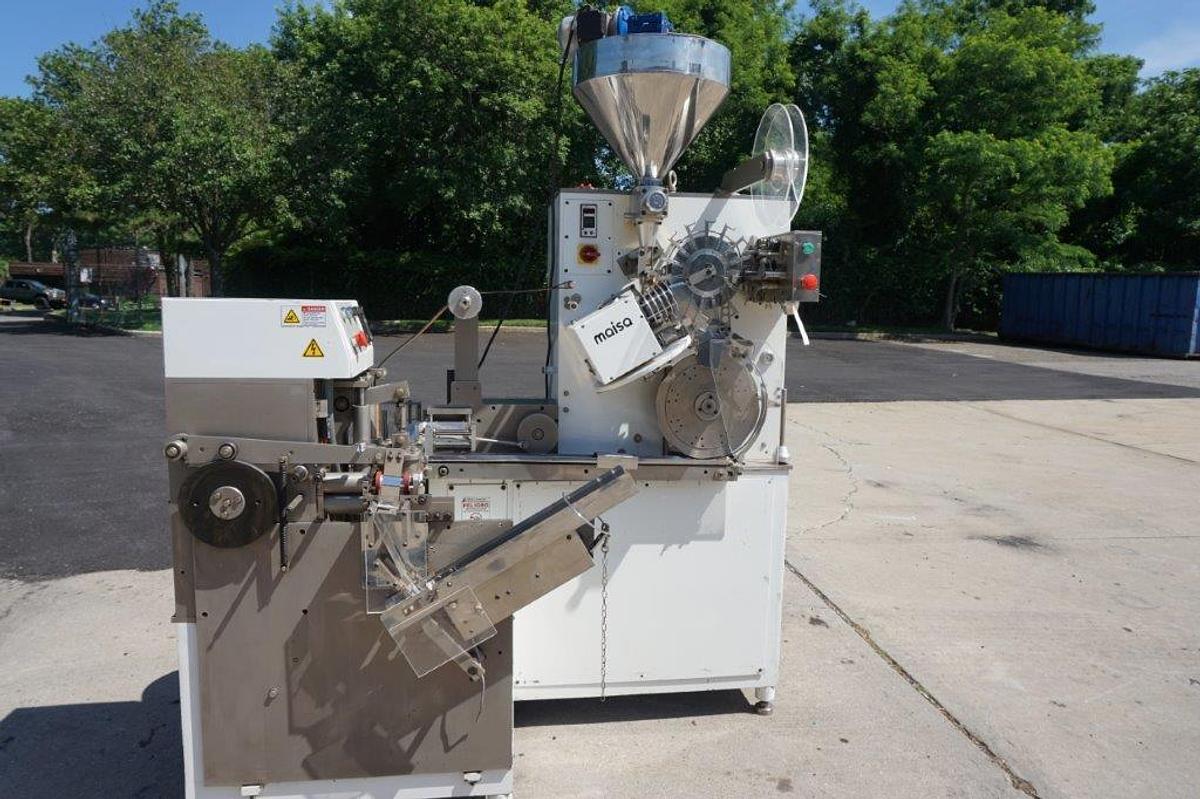
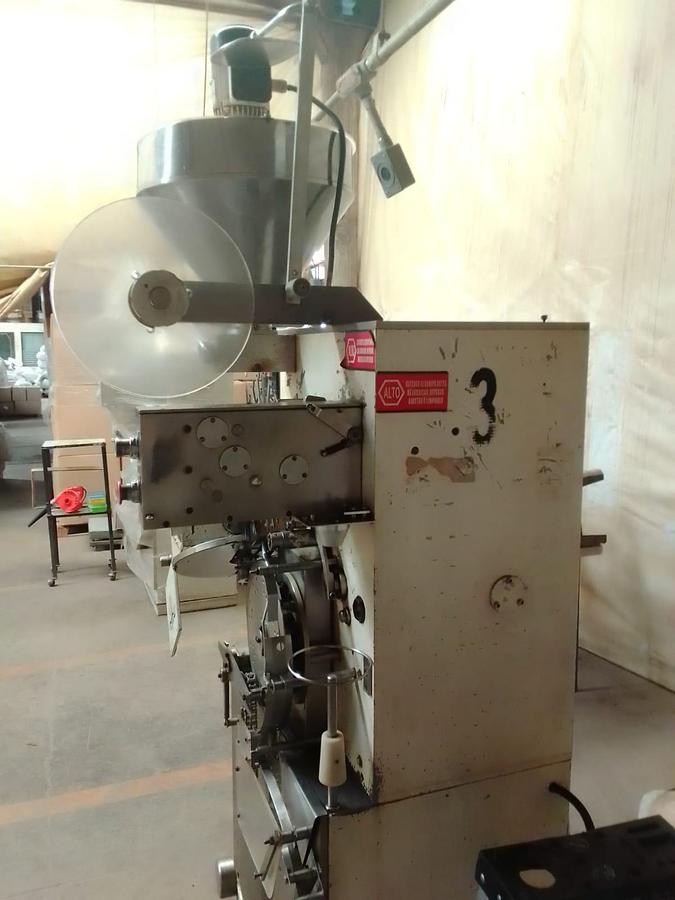
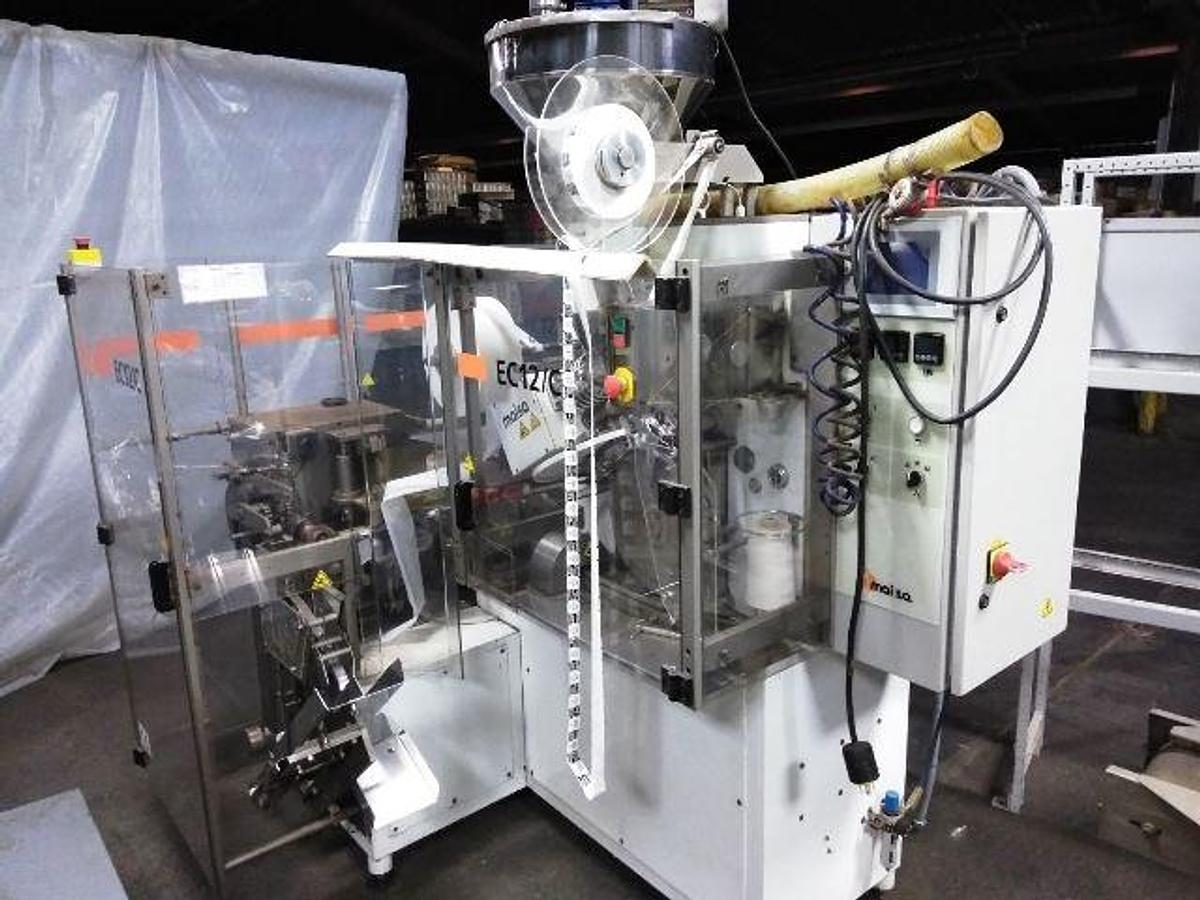
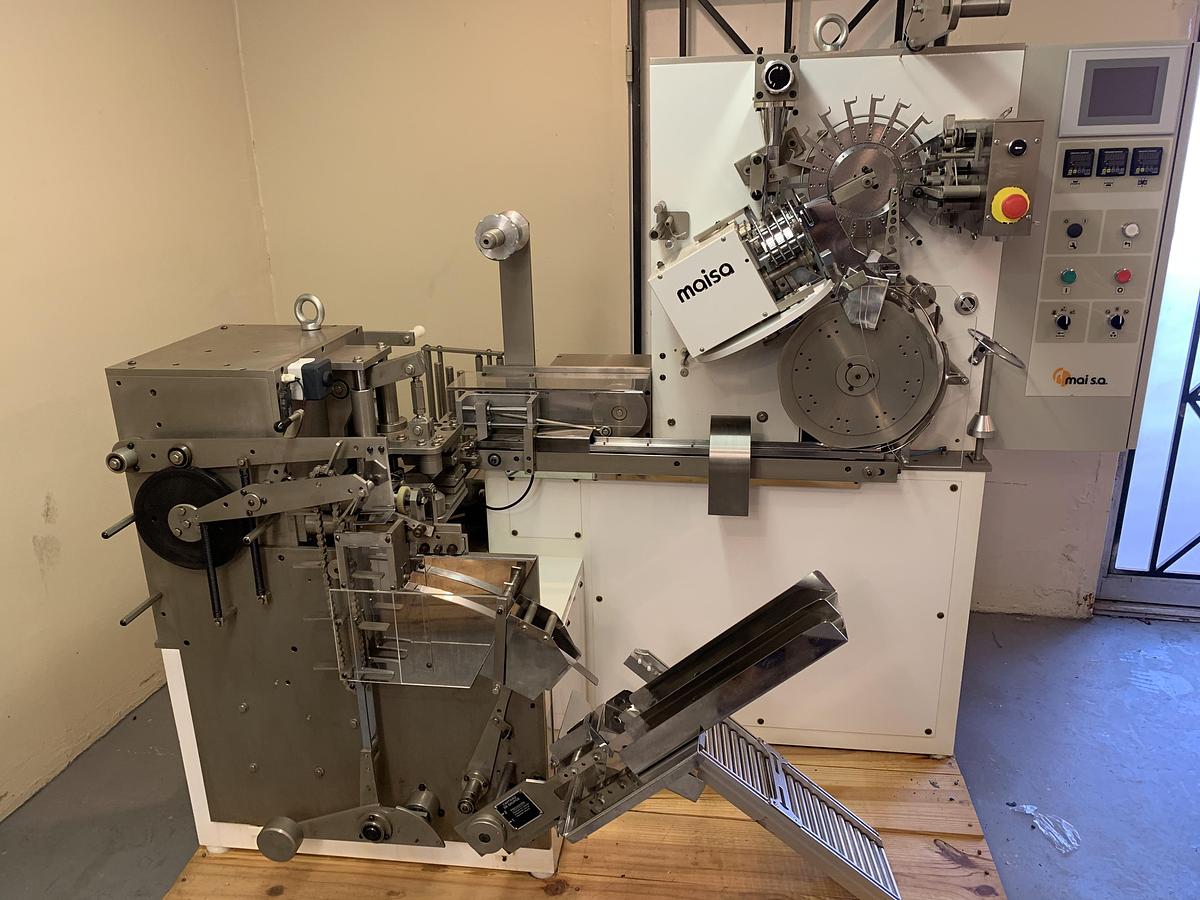
Maisa is a manufacturer known for producing packaging machinery used in food and beverage processing, with a particular focus on tea bagging equipment. Their machines are designed to automate the process of filling, sealing, and packaging tea into individual bags, which can dramatically reduce labor requirements and increase throughput compared to manual or semi-manual methods. Maisa's tea bagging machines are used by tea producers, contract packagers, and food manufacturers who need consistent, high-speed bag production.
The Maisa EC12 series is among the most recognized product lines in their tea bagging catalog. Models within this series vary in their feature sets, with some units handling basic bag formation and filling, while others incorporate envelope wrapping, string-and-tag attachment, and multi-phase power configurations. This range of configurations makes Maisa equipment relevant to a variety of production environments, from mid-scale specialty tea operations to larger commercial packaging lines.
What are the different models of Maisa tea bagging machines available on the used market?
Several Maisa tea bagging machine models appear regularly on the used equipment market, most of them falling within the EC12 product family. Common variants include the EC12, EC12C, EC12Y/C, EC12Y/C-MP, EC12B, EC12/C, and the EC-12L/C-MP. Each model designation typically reflects a specific configuration, such as envelope wrapping capability, string-and-tag attachment, single-phase power, or extra-large bag sizing.
For example, the EC12C is a tea bagging machine with an envelope feature running at approximately 110 bags per minute, while the EC12B includes string, tag, and envelope functionality in a single-phase configuration. The EC-12L/C-MP is designed for extra-large bag formats, making it suitable for products that require a larger fill volume. When shopping for a used Maisa machine, it is worth carefully comparing model suffixes, since the differences between variants can have a meaningful impact on what the machine can produce and how it fits into an existing packaging line.
What is the typical production speed of a Maisa tea bagging machine?
Production speed varies by model, but several Maisa EC12-series machines are rated at approximately 110 bags per minute under normal operating conditions. This output level places them in a mid-to-high range for automated tea bagging equipment and is generally sufficient for commercial-scale production runs. Machines configured with additional features, such as envelope wrapping or string-and-tag application, may operate at slightly different speeds depending on the complexity of the packaging format being produced.
It is worth keeping in mind that rated speeds reflect ideal conditions on a well-maintained machine. On used equipment, actual throughput can be influenced by the machine's age, wear on key components, the type of tea or herbal product being filled, and the packaging material being used. Buyers evaluating a used Maisa machine should ask about the machine's recent production history and, where possible, arrange an inspection to observe the equipment running or review video documentation of its current operating condition.
Do Maisa tea bagging machines support string-and-tag tea bag formats?
Yes, certain Maisa models are specifically configured to produce tea bags with string and tag attachments. The EC12B, for instance, is listed as a tea bagger with string, tag, and envelope functionality, making it capable of producing the traditional tagged tea bag format that is common in retail packaging. This type of machine handles not only the filling and sealing of the bag itself but also the attachment of a string and a printed or branded tag, which are typically required for consumer-facing products sold in boxes or pouches.
Not all Maisa EC12 models include this feature. Some variants focus solely on the bag and envelope, without the string-and-tag mechanism. Buyers who specifically need string-and-tag capability should confirm this detail when reviewing a used machine listing, since the model suffix alone may not always make it immediately clear. Reviewing the full machine specifications or requesting documentation from the seller is the best way to verify what a particular unit can produce.
What does the envelope feature on Maisa tea bagging machines do?
The envelope feature on Maisa tea bagging machines refers to the machine's ability to individually wrap each finished tea bag in a sealed outer envelope. This is a common packaging requirement for premium retail tea products, where each bag is enclosed in a small foil or paper pouch before being placed into a box or multipack. The envelope serves as a moisture and aroma barrier, preserving the freshness of the tea between packaging and end use.
Several Maisa EC12 models include this feature, including the EC12C, EC12B, EC12/C, and EC-12L/C-MP. Machines with the envelope feature are generally more complex mechanically, since they are performing two wrapping operations in sequence rather than one. On used equipment, this added complexity means there are more components that may have experienced wear, so a thorough inspection of the envelope mechanism is particularly important when evaluating one of these machines.
What materials are compatible with Maisa tea bagging machines?
Maisa tea bagging machines are generally designed to work with filter paper, which is the most widely used material for traditional flat or double-chamber tea bags. Filter paper allows water to pass through easily while retaining the tea leaves or herbal material inside the bag. The specific grade and weight of filter paper that works best can vary by model, and buyers sourcing a used machine should confirm material compatibility with the seller or consult available technical documentation for the specific unit.
Compatibility with non-woven fabrics, heat-sealable materials, or biodegradable alternatives depends on the specific model and its sealing mechanism. Not all Maisa machines are configured to handle every available bag material, since different materials require different sealing temperatures and pressures. Buyers planning to run specialty materials, such as plant-based or compostable filter media, should verify this capability before purchasing a used machine, as retrofitting a sealing system for a different material type is not always straightforward.
What should buyers inspect when purchasing a used Maisa tea bagging machine?
Buying used packaging machinery requires a more hands-on evaluation process than purchasing from a manufacturer, since each machine has its own production history and wear profile. Key areas to inspect on a used Maisa tea bagging machine include the sealing heads and heat elements, the bag-forming components, the string-and-tag attachment mechanism (if applicable), the envelope wrapping station, and the drive system. Worn or misaligned components in any of these areas can affect bag quality, output speed, and overall reliability.
Reputable used equipment dealers will typically offer in-person inspections, virtual walkthroughs, or video documentation of the machine running or in its current state. Some machines may still be installed in an active production facility, where an inspection can be arranged on-site. Keep in mind that most equipment dealers are not set up to run actual product through a machine during an inspection, since food production requires separate permitting and facilities. The goal of the inspection is to get an accurate picture of the machine's mechanical condition, not necessarily a live production run. Consulting with a qualified technician familiar with Maisa or similar packaging equipment can also help buyers assess what they are looking at.
What are the typical payment terms when buying a used Maisa tea bagging machine?
Used equipment dealers generally require payment in full before a machine is released for shipping. This is standard practice across the industry and applies to most transactions involving used packaging machinery. Some dealers may offer payment terms to established repeat customers, but buyers making a first purchase should expect to pay the full amount upfront. Wire transfer is the most common payment method for equipment transactions of this type.
Buyers should also account for costs beyond the machine price itself. Shipping, rigging, crating, and any applicable import duties can add meaningfully to the total landed cost of the equipment. Getting a clear breakdown of these costs from the seller before committing to a purchase helps avoid surprises and allows for a more accurate comparison between available machines.
How is a used Maisa tea bagging machine typically shipped, and what are the logistics considerations?
Tea bagging machines are precision packaging equipment with sensitive mechanical components, so proper packaging for transit is critical. Depending on the size and weight of the machine, shipping may involve palletization, custom crating, or both. Larger or heavier units may require forklift rigging for loading at the seller's location and unloading at the destination, which adds to the overall shipping cost. Buyers should ask the seller for specifics on how the machine will be packaged and what rigging will be required at each end of the shipment.
For international shipments, additional considerations include customs documentation, import duties, and compliance with the destination country's equipment import regulations. The full landed cost of a used machine includes the purchase price plus freight, rigging, crating, customs clearance fees, and any local delivery charges. Getting a complete cost picture before finalizing a purchase is important, since freight costs for heavy industrial equipment can be substantial and vary significantly based on destination, carrier, and required handling.
What level of manufacturer support can buyers expect for a used Maisa tea bagging machine?
Used packaging machinery is sold without the support structure that comes with purchasing directly from a manufacturer. There are no warranties or guarantees on used equipment, and the responsibility for assessing a machine's condition falls on the buyer. This makes the inspection process especially important, and it is worth selecting a used equipment dealer with a solid track record and demonstrated experience in food and packaging machinery specifically.
Buyers are encouraged to contact Maisa directly to understand what level of technical support, spare parts availability, and documentation they can expect for the specific model and age of machine being considered. Older models may have limited parts availability or may no longer be supported by the manufacturer, while more recent models may still have active parts programs. Understanding this before purchasing helps buyers plan for maintenance and avoid situations where a critical component is difficult or impossible to source.