Category
Manufacturer
Model
FAQ:
What types of MP equipment are typically available on the used market?
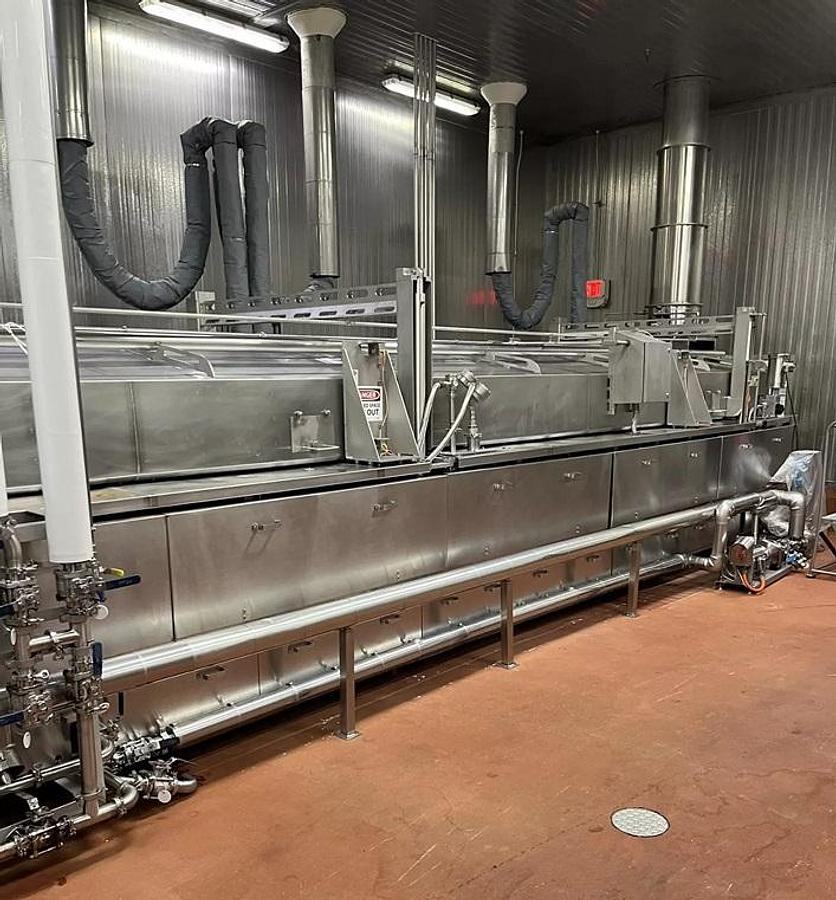
MP Equipment is a manufacturer known primarily for commercial food processing and frying systems, with models like the MP 900 Endurance and the Model 52-30 Fryer representing the kind of heavy-duty, production-grade machinery that shows up in the used equipment market. These machines are built for high-volume food production environments, including commercial kitchens, snack food manufacturers, and food processing plants. Used listings tend to reflect equipment that has been decommissioned from active production lines, making them attractive to buyers looking for proven, industrial-grade capacity at a fraction of the cost of purchasing comparable equipment through other channels.
Beyond fryers, the broader category of used MP equipment can include a range of food processing machinery depending on what becomes available from facilities upgrading or closing operations. Because used equipment availability shifts constantly based on what sellers bring to market, buyers should check with dealers regularly or set up alerts for specific models. Dealers who specialize in food processing equipment are the best source for locating specific MP models, since they tend to source machines directly from food manufacturers and processing facilities rather than through general auction channels.
What is the MP 900 Endurance fryer and what is it used for?
The MP 900 Endurance is a commercial continuous fryer manufactured by MP Equipment, designed for high-throughput food production applications. It is built to handle sustained, large-volume frying operations, making it a common piece of equipment in snack food manufacturing, prepared food production, and similar industrial food processing settings. The 'Endurance' designation reflects the machine's design intent: consistent performance over long production runs with minimal downtime. These machines are engineered for environments where frying is a core step in the production process, not an occasional task.
On the used market, the MP 900 Endurance is a sought-after machine because of its production capacity and the reputation MP Equipment has built in the food processing industry. Buyers typically include food manufacturers scaling up production, contract food processors, and companies replacing aging equipment. Because these are used machines, buyers should pay close attention to the condition of key components like the heat exchanger, conveyor system, and oil filtration components, all of which are subject to wear in high-production environments. A thorough inspection before purchase is strongly recommended.
What should buyers know about purchasing used MP equipment versus buying through other channels?
Buying used MP equipment from a specialized dealer offers access to production-grade machinery at significantly lower cost than comparable equipment sourced through other means. The trade-off is that used machines come without the coverage that accompanies a purchase from a manufacturer, meaning the buyer takes on more responsibility for understanding the machine's current condition and history. This makes the reputation and specialization of the dealer a critical factor. Dealers who focus specifically on food processing equipment will generally have a better understanding of how these machines are built, what wear patterns to look for, and what questions to ask the seller or previous owner.
Buyers should also factor in that used equipment has often been in active production, which means components may show wear consistent with their operating history. This is not necessarily a problem, since machines like the MP 900 Endurance are built for durability, but it does mean that a careful inspection is essential before committing to a purchase. Asking for maintenance records, operational history, and the reason for decommissioning can give buyers a clearer picture of what they are acquiring. Working with a dealer who has a long track record in the industry adds a meaningful layer of confidence to the transaction.
Does used MP equipment come with a warranty?
Used equipment is typically sold on an as-is basis, which is standard practice across the used machinery industry. Warranties are generally only offered by manufacturers on new equipment, and once a machine has changed hands or been removed from active production, that coverage does not transfer. This places the responsibility for evaluating the equipment's condition squarely on the buyer, which is why inspection and dealer reputation matter so much in the used equipment purchasing process.
Buyers can reduce risk by choosing dealers with a long, verifiable history of selling food processing and industrial equipment, since experienced dealers are more likely to accurately represent the condition of what they are selling. It is also worth contacting the manufacturer directly to understand what level of support is available for a specific model and production year, since parts availability and technical support can vary based on how long a particular machine has been in the field. Some models have excellent parts availability even decades after production, while others may require sourcing components through specialized channels.
How does the inspection process work when buying used MP equipment?
Reputable used equipment dealers typically offer buyers several options for inspecting machinery before purchase. In-person inspections allow a buyer or their technician to physically examine the machine, check for wear, test mechanical functions, and assess overall condition. Virtual inspections via video call are also common, giving buyers a real-time walkthrough of the equipment conducted by someone on-site at the dealer's facility or the machine's current location. Some dealers also provide detailed video recordings of the equipment that can be reviewed at the buyer's convenience.
One important nuance with used industrial equipment is that dealers generally do not have the permitting or production infrastructure to run a full operational test with actual product. A dealer can demonstrate that a machine powers on, that components move as expected, and that there are no obvious mechanical issues, but replicating actual production conditions is typically not possible in a dealer setting. If the equipment is still installed at a food processing facility and has not yet been decommissioned, some dealers can arrange an in-person inspection at the plant where the machine may still be in active use. Buyers should ask about all available inspection options early in the purchasing conversation.
What are the typical shipping and freight considerations for used MP fryers and food processing equipment?
Commercial fryers and food processing equipment like the MP 900 Endurance are large, heavy machines that require careful handling throughout the shipping process. Proper packaging is essential to prevent damage in transit, and the level of preparation required, whether basic palletization or full custom crating, will directly affect shipping costs. Buyers should ask dealers specifically about how the machine will be prepared for transport, since inadequate packaging is one of the most common causes of damage during freight shipment of industrial equipment.
Loading and unloading large equipment often requires specialized rigging, which adds to the total cost of getting the machine to its destination. Buyers should request a full breakdown of all shipping-related costs from the dealer before finalizing a purchase, including packaging, rigging, freight, and any destination-side unloading requirements. Understanding the full landed cost of the equipment, not just the listed sale price, is critical for accurate budgeting. Buyers who have a freight forwarder or logistics contact they trust may also want to get an independent shipping quote to compare against what the dealer offers.
What payment terms should buyers expect when purchasing used MP equipment?
The standard practice in the used equipment industry is full payment prior to shipment. This applies to most transactions, particularly for first-time buyers working with a dealer. The reasoning is straightforward: once a machine is loaded and shipped, the dealer has fulfilled their part of the transaction, and collecting payment after the fact introduces risk that most dealers are not willing to accept. Buyers should be prepared to have funds available and ready to transfer before the machine leaves the dealer's facility.
Some dealers extend payment terms to established customers with a history of repeat transactions, but this is not the norm for first-time buyers. Buyers who need financing should arrange it independently before approaching a dealer, since most used equipment dealers do not offer in-house financing programs. Equipment financing through a bank or specialty lender is a common route for buyers acquiring higher-value machines. Having financing pre-arranged also strengthens a buyer's position in negotiations, since it signals that the transaction can close quickly once terms are agreed upon.
How do buyers evaluate the condition of a used commercial fryer before purchasing?
Evaluating a used commercial fryer requires attention to several key systems. The heat exchanger is one of the most critical components to assess, since it is subject to significant thermal stress over time and repairs or replacements can be costly. The conveyor system, oil filtration components, and control systems should also be examined carefully for wear, corrosion, or signs of deferred maintenance. Asking for any available service records or maintenance logs can provide useful context about how the machine was operated and whether it received regular upkeep during its production life.
Buyers who do not have direct experience evaluating commercial frying equipment should consider bringing in a qualified technician or equipment specialist to assist with the inspection. A second set of experienced eyes can catch issues that a general buyer might overlook, and the cost of a professional inspection is small relative to the cost of acquiring a machine with hidden problems. Asking the dealer direct questions about the machine's operational history, the reason it was decommissioned, and how long it has been out of production can also help build a clearer picture of what the buyer is getting.
Are replacement parts and technical support available for used MP Equipment models?
Parts availability for used MP Equipment models depends largely on the age of the machine and the specific model in question. MP Equipment, as a manufacturer of commercial food processing machinery, has produced equipment that has been in active use across the food industry for many years, and parts for many models remain available through the manufacturer or through specialized parts suppliers. The best way to gauge what support is available for a specific machine is to contact the manufacturer directly and ask about parts availability, technical documentation, and service support for that particular model and production year.
For older machines or models that have been out of production for a significant period, some components may need to be sourced through third-party suppliers or fabricated to specification. This is a common reality with used industrial equipment, and buyers should factor potential parts sourcing complexity into their purchasing decision. Dealers who specialize in food processing equipment often have knowledge of which models have strong aftermarket support and which ones present more of a challenge, making them a useful resource beyond just the initial sale. Asking the dealer specifically about parts availability for the machine being considered is always a reasonable part of the pre-purchase conversation.
What should buyers look for when choosing a used food processing equipment dealer?
The dealer's track record and specialization are the two most important factors to evaluate. A dealer who has been operating for many years and focuses specifically on food processing or commercial cooking equipment will have a much deeper understanding of the machines they sell than a general industrial equipment reseller. This specialization matters because it affects the accuracy of condition descriptions, the quality of inspection options offered, and the dealer's ability to answer technical questions about specific models. Longevity in the business also provides some assurance that the dealer has built a reputation worth protecting.
Buyers should also look at how the dealer handles the inspection process. A dealer who readily accommodates in-person visits, provides detailed video walkthroughs, and answers questions transparently is a much safer choice than one who is evasive about condition details or reluctant to allow independent inspections. Reading reviews from past buyers, asking for references, and checking whether the dealer has a verifiable history of transactions in the food processing equipment category are all reasonable steps. The used equipment market rewards buyers who do their homework on both the machine and the seller.