Category
Manufacturer
Model
Lsi
Lsi specializes in automation and control systems for manufacturing processes, serving industries like food processing and pharmaceuticals. Their solutions aim to improve operational efficiency and product quality.
FAQ:
What industries are LSI labeling machines designed for?
LSI labeling machines are built with a broad range of manufacturing environments in mind. The brand has a strong track record in food processing and pharmaceutical production, where precise, consistent label application is critical for regulatory compliance and product presentation. Beyond those two core markets, LSI equipment is also commonly found in cosmetics, beverage, and general industrial packaging operations.
What makes LSI equipment a practical fit across these industries is its focus on automation and control systems that improve operational efficiency without sacrificing product quality. Stainless steel construction is a common feature on many models, which supports sanitary requirements in food and pharmaceutical facilities. Buyers sourcing used LSI equipment should confirm that the specific model they are evaluating meets the cleanliness and material standards required for their particular production environment.
What types of labeling applications can LSI machines handle?
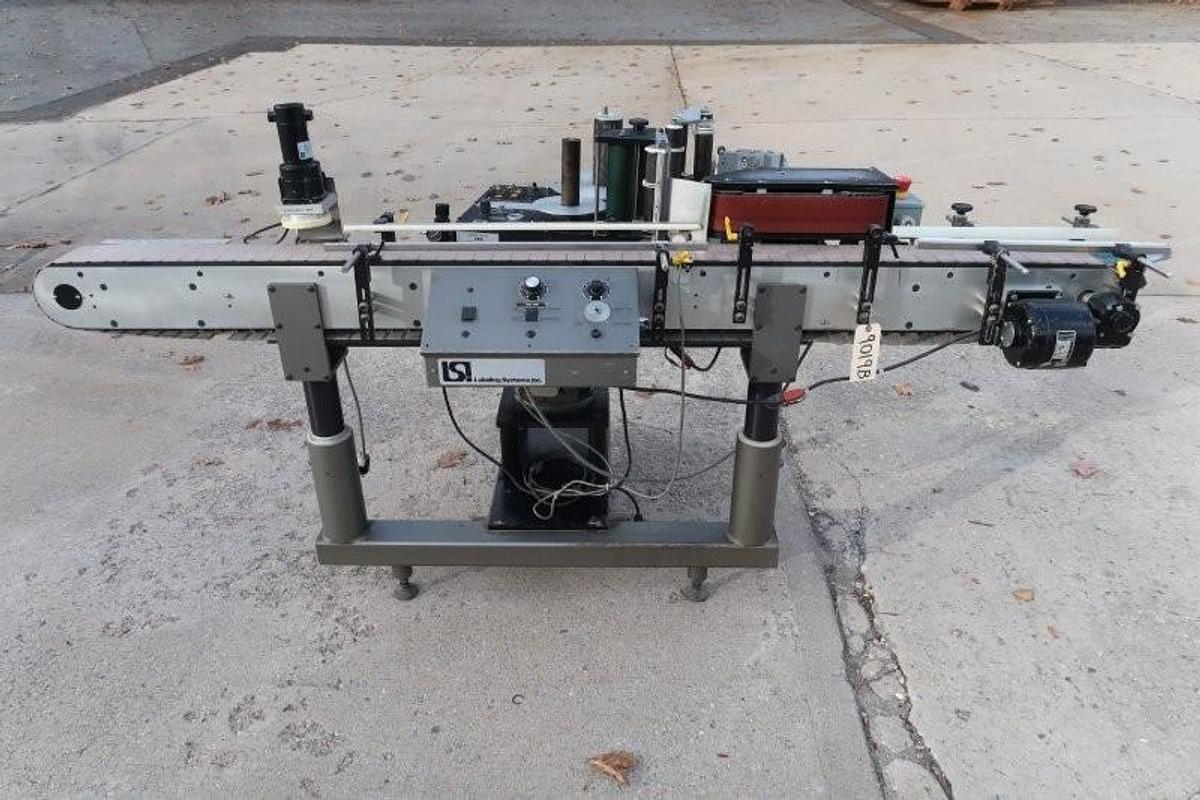
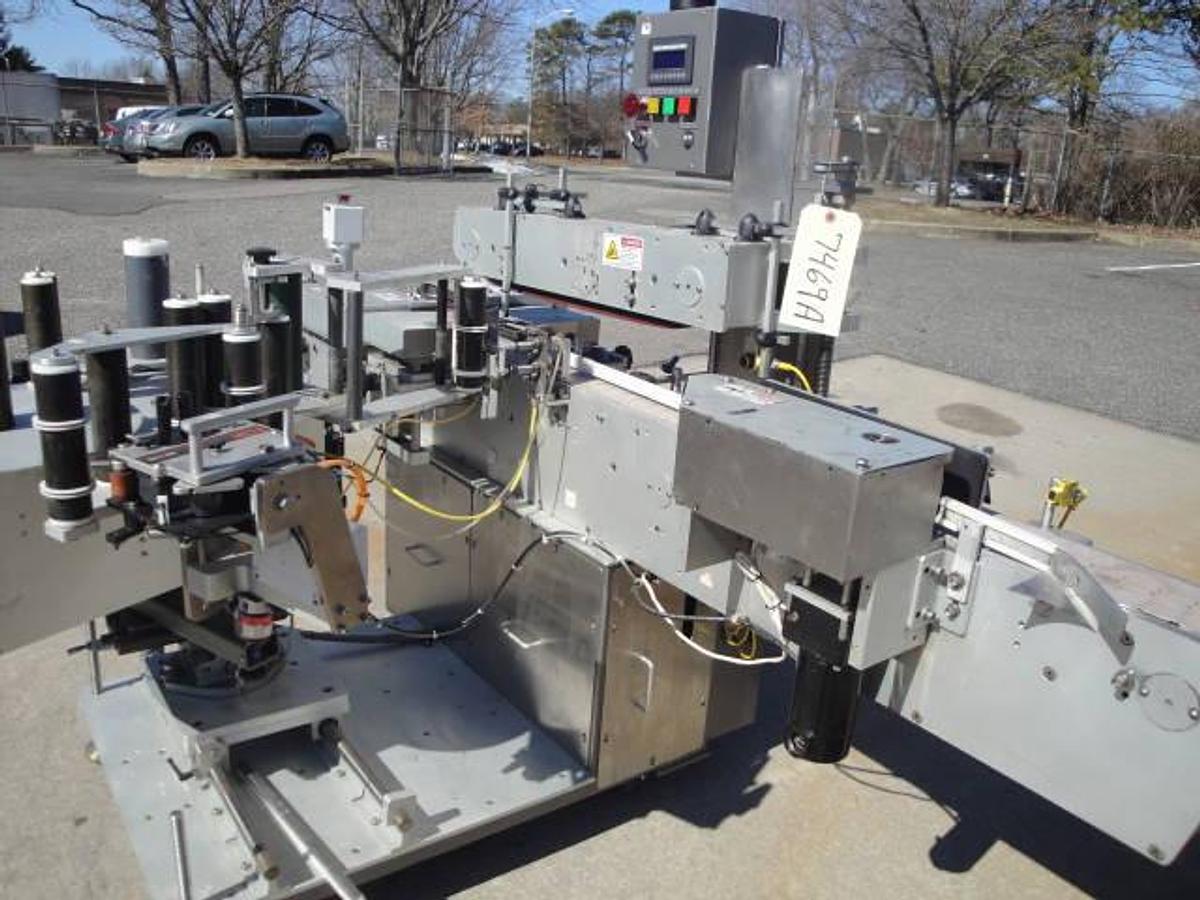
LSI produces equipment capable of handling several distinct labeling configurations. Pressure sensitive wraparound labeling is one of the most common applications, where a label is applied continuously around a cylindrical container such as a bottle or jar. Spot labeling is another configuration, where a single label is placed on one face or panel of a product rather than wrapped around it. Some models are designed to handle both spot and wraparound applications, which gives production lines more flexibility when running different SKUs.
Used LSI machines on the market frequently include models with integrated coders, such as Norwood-style imprinters, that print variable data like lot codes, expiration dates, or batch numbers directly onto the label during the application process. This combination of labeling and coding in a single pass reduces the need for a separate coding station, which can be a meaningful efficiency advantage on a packaging line. Buyers should verify which coder model is included and whether the coding head is functional before purchase.
What is the typical throughput speed of LSI labeling machines?
Throughput speed on LSI labeling equipment varies considerably depending on the model, the type of application (spot versus wraparound), and the size and shape of the product being labeled. Many industrial-grade pressure sensitive labelers in this class are capable of applying labels at speeds ranging from several hundred to over a thousand products per minute under optimal conditions, though actual production rates depend on container geometry, label dimensions, and line configuration.
For buyers evaluating used LSI machines, it is worth asking the dealer for any available production records or specifications sheets that document the machine's rated speed. Keep in mind that a used machine's real-world throughput may differ from its original rated capacity depending on its age, wear, and maintenance history. Requesting a video inspection or, where possible, an in-person review of the machine running can give a much clearer picture of what to expect in actual production.
How accurate is label placement on LSI labeling equipment?
Label placement accuracy is one of the most closely watched performance metrics for any pressure sensitive labeler, and LSI machines are generally engineered to tight tolerances. In the labeling equipment industry, placement accuracy within plus or minus 1mm is considered a standard benchmark for well-maintained automatic equipment. LSI machines designed for pharmaceutical and food applications are typically built to meet or approach this standard, since mislabeled products in those industries can create compliance problems.
On used equipment, actual placement accuracy will depend on the condition of the applicator head, the integrity of the label sensor, and whether the machine has been properly maintained. Worn parts, misaligned guides, or degraded sensors can all affect registration. Before purchasing a used LSI labeler, buyers should ask whether the machine has been inspected and whether any wear components have been recently serviced. A video showing the machine running product through a labeling cycle is one of the most practical ways to assess real-world placement performance.
What should buyers look for when purchasing a used LSI labeling machine?
Buying used labeling equipment requires a more thorough evaluation process than purchasing new machinery, since the condition of mechanical and electronic components varies significantly based on how the machine was used and maintained. Key areas to examine include the condition of the applicator head and peel plate, the state of the conveyor belt and drive system, the functionality of any integrated coder, and the responsiveness of the control panel or HMI. Worn or damaged label sensors are a common issue on older machines and can directly affect placement accuracy.
Reputable used equipment dealers will typically accommodate in-person inspections at their facility or, if the machine is still located at the seller's plant, can arrange access for the buyer or a third-party inspector. Video inspections and detailed photo documentation are standard alternatives when travel is not feasible. It is also worth contacting LSI directly to ask about parts availability and technical support for the specific model and serial number being considered, since older or discontinued models may have limited support options. Age and model generation can significantly affect how much manufacturer assistance a buyer can realistically expect after purchase.
Are used LSI labeling machines suitable for small production operations?
Used LSI labeling equipment can be a practical option for smaller operations, particularly because the secondary market offers machines at a fraction of the cost of buying comparable equipment. A small food producer or contract packager that cannot justify the capital expense of a fully automated labeling line can often find a used semi-automatic or lower-speed automatic LSI machine that meets their volume requirements without overextending their budget.
That said, smaller operations should think carefully about the total cost of ownership beyond the purchase price. Older industrial labeling machines may require trained maintenance personnel or outside technicians to keep them running reliably, and parts for older LSI models may need to be sourced carefully. Buyers should factor in the cost of any needed reconditioning, spare parts inventory, and installation support when comparing used equipment options. A machine that is priced attractively but requires significant work to get into production-ready condition may end up costing more than expected.
What label sizes and materials work with LSI pressure sensitive labelers?
LSI pressure sensitive labeling machines are generally designed to handle a range of label widths and lengths, with the specific range depending on the model. Most industrial pressure sensitive labelers in this category accommodate labels on standard roll stock, and the applicator head can often be adjusted to handle different label dimensions. Common label materials including paper, polypropylene (BOPP), polyester (PET), and foil-based stocks are typically compatible, provided the adhesive backing is appropriate for pressure sensitive application.
On used equipment, buyers should confirm the minimum and maximum label dimensions the machine supports and whether the current tooling and guides are set up for their intended label size. Changeover between different label sizes may require mechanical adjustments to the applicator, label path, and sensors. Asking the dealer for the machine's original specification sheet is the most reliable way to confirm compatibility with a specific label format before committing to a purchase.
What does the inspection process look like when buying a used LSI labeling machine?
Inspections are a standard and important part of purchasing used labeling equipment. Most reputable dealers offer buyers the option to inspect machines in person at their warehouse, or remotely through video calls and recorded footage of the machine. Some LSI machines being sold are still installed and running at the facility where they were used, in which case the dealer can often arrange a plant visit where the buyer can see the equipment in an active or recently decommissioned state.
It is important to understand that most used equipment dealers are not set up to run full production trials, since operating production equipment requires different permitting and facilities than a resale business maintains. The inspection is therefore focused on verifying the machine's mechanical and electrical condition rather than running a buyer's specific product through the line. Buyers should come prepared with a checklist covering the applicator head, conveyor, drive motors, sensors, coder (if included), and control system. Getting a clear video of the machine powered on and cycling, even without product, provides useful insight into its overall condition.
What are the typical shipping and logistics considerations for used LSI labeling machines?
Labeling machines range considerably in size and weight, from compact benchtop units to full conveyor-integrated systems that require forklift handling and specialized rigging. Shipping costs for used LSI equipment will depend on the machine's dimensions, total weight, the distance being shipped, and the level of packaging or crating required to protect it in transit. Smaller machines may ship on a standard pallet, while larger wraparound labeling systems often need custom wooden crating to prevent damage to the applicator head, conveyor, and control cabinet.
Buyers should ask the dealer for a detailed breakdown of all freight-related costs before finalizing a purchase, including palletization or crating fees, rigging charges for loading at the origin, and any unloading requirements at the destination. Having a loading dock or forklift available at the receiving end is often necessary for larger machines. Understanding the full landed cost of the equipment, including all freight and handling, is essential for making an accurate cost comparison between different machines or suppliers.
What payment terms are typical when purchasing used labeling equipment from a dealer?
Payment practices in the used industrial equipment market are fairly consistent across reputable dealers. In most cases, full payment is required before the machine is released for shipment. This is standard practice in the industry and reflects the nature of used equipment transactions, where the dealer needs to confirm cleared funds before arranging logistics. Some dealers may offer payment terms to established customers with a prior purchasing history, but first-time buyers should generally expect to pay in full upfront.
Accepted payment methods vary by dealer but commonly include wire transfer, which is the most widely used method for larger equipment purchases. Buyers should also clarify whether the quoted price includes any preparation, testing, or cleaning of the machine prior to shipment, or whether those are separate line items. Getting a clear written quote that itemizes the machine price, any reconditioning work, crating, and freight gives buyers the clearest picture of total acquisition cost before committing.