Category
Manufacturer
Model
Littleford
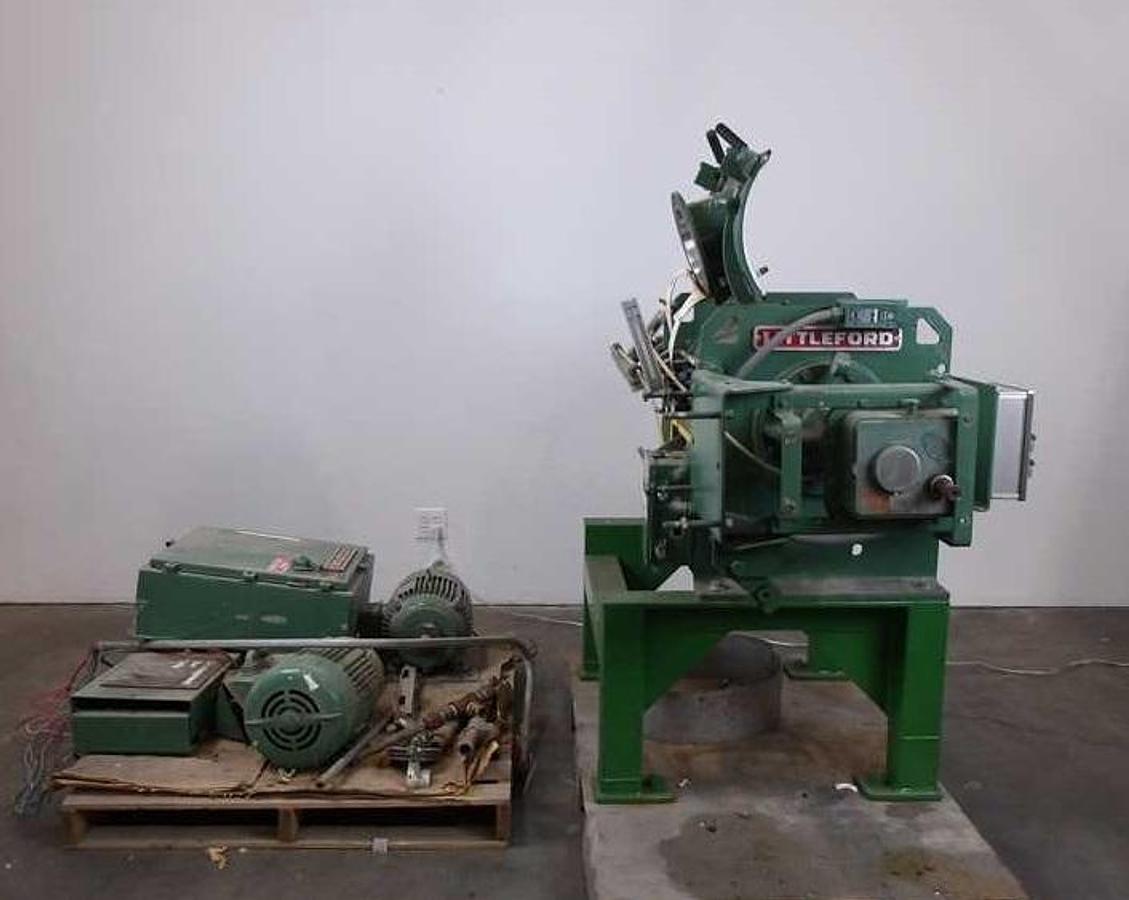
Littleford manufactures mixing and processing equipment, focusing on industries such as pharmaceuticals and food production. They are particularly known for their high-shear mixers and blending systems, which ensure homogeneity in product formulations.
FAQ:
What is a Littleford plow mixer and how does it work?
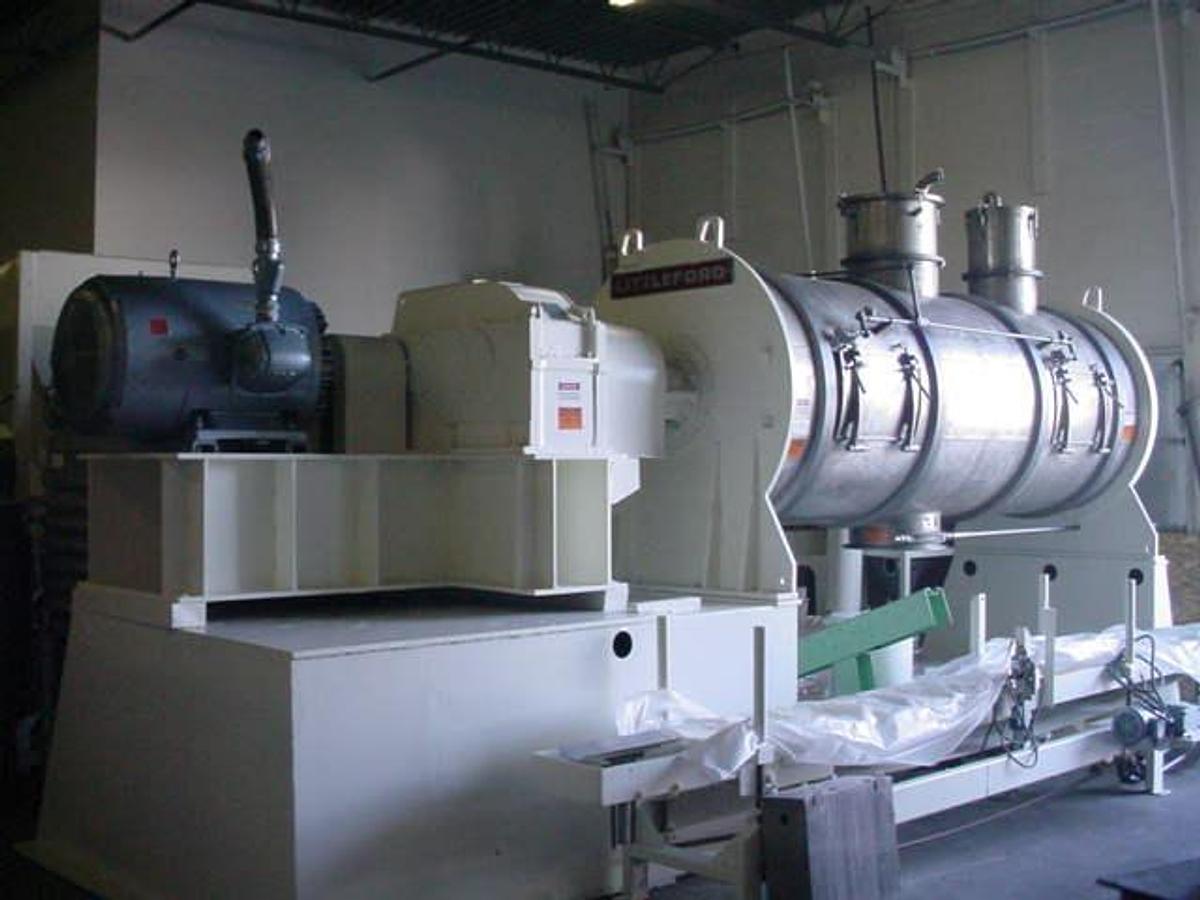
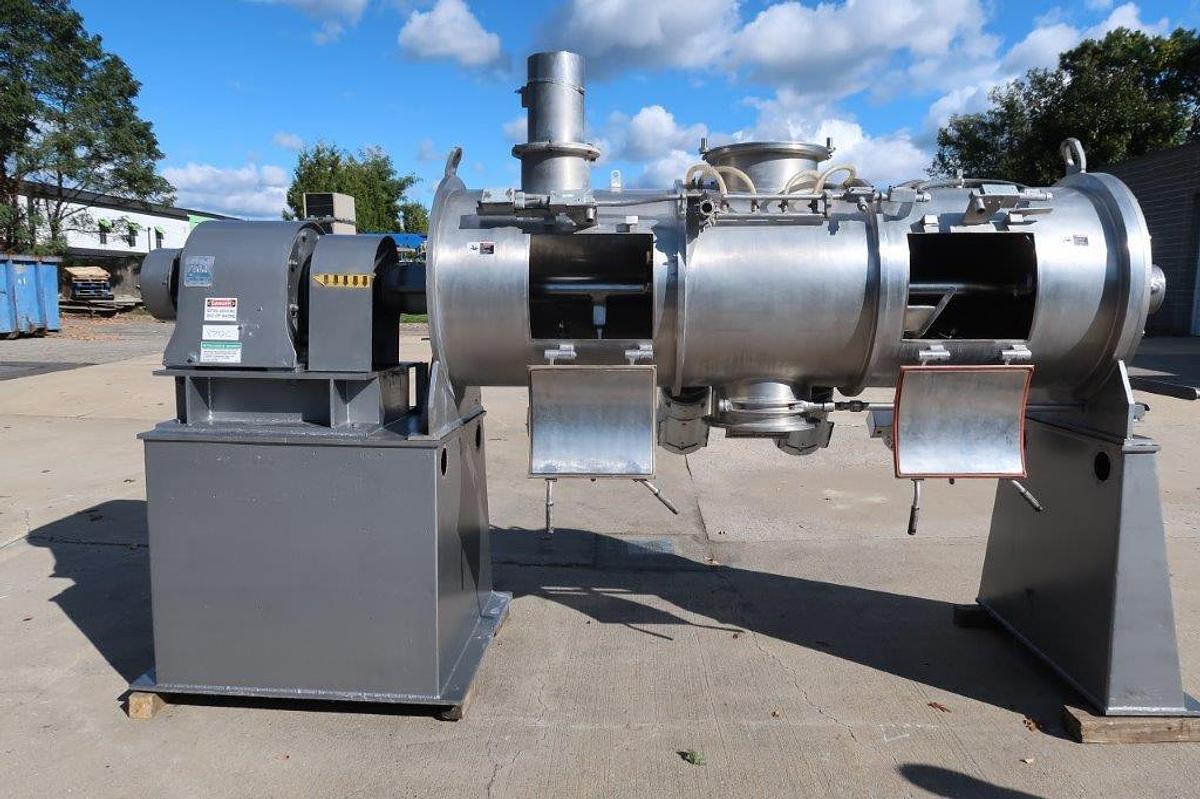
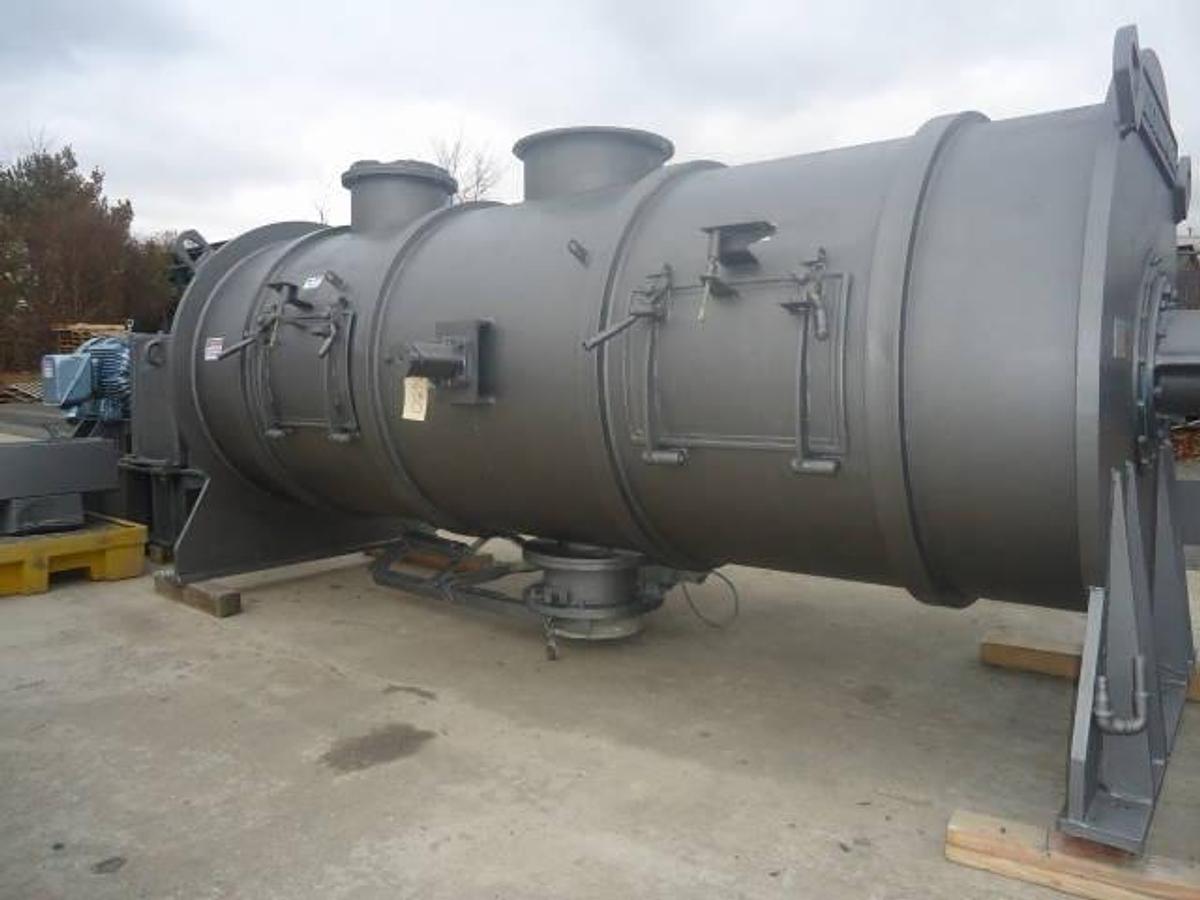
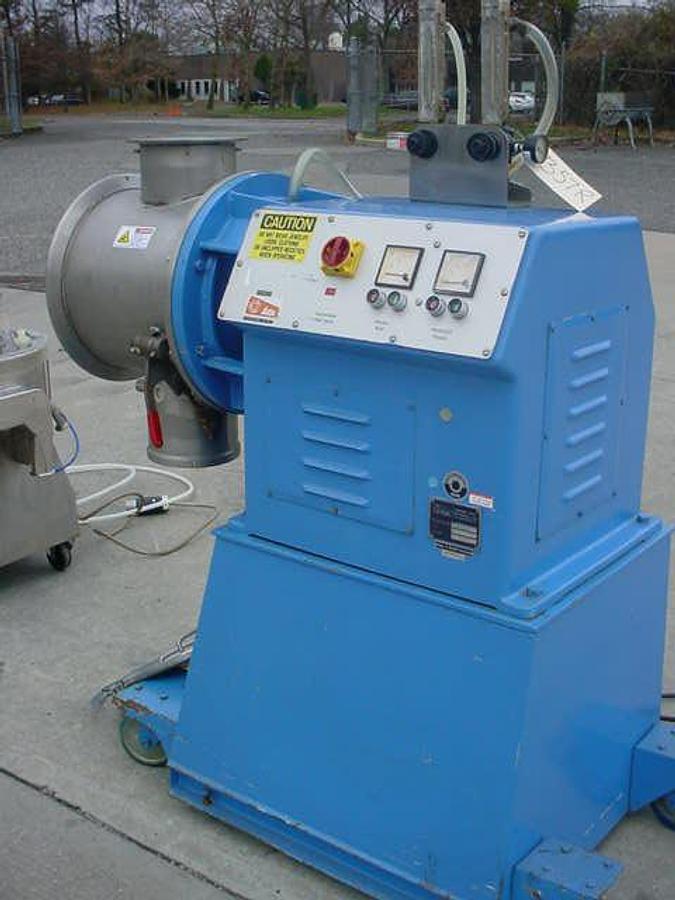
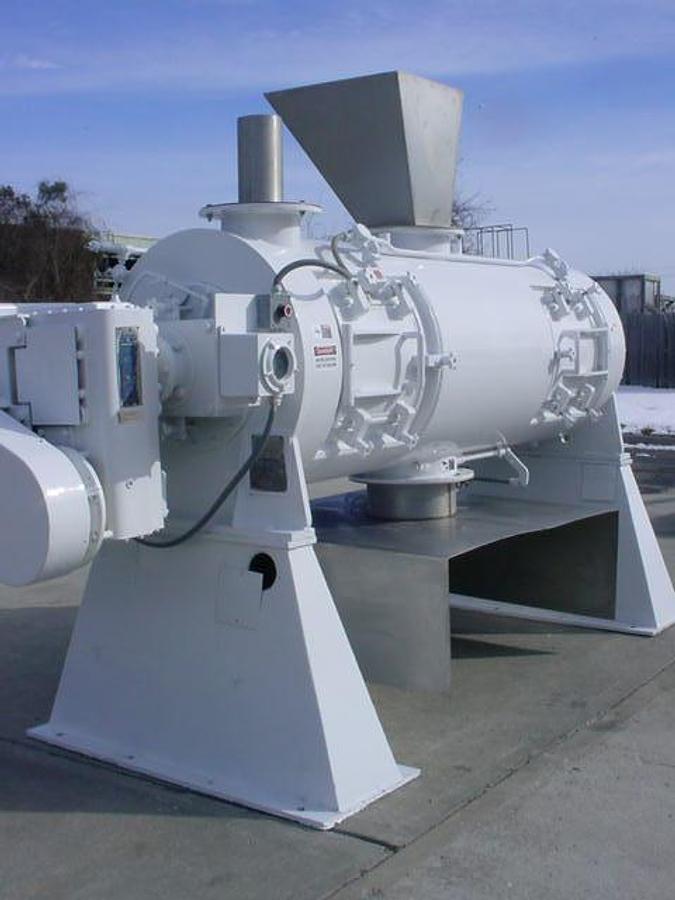
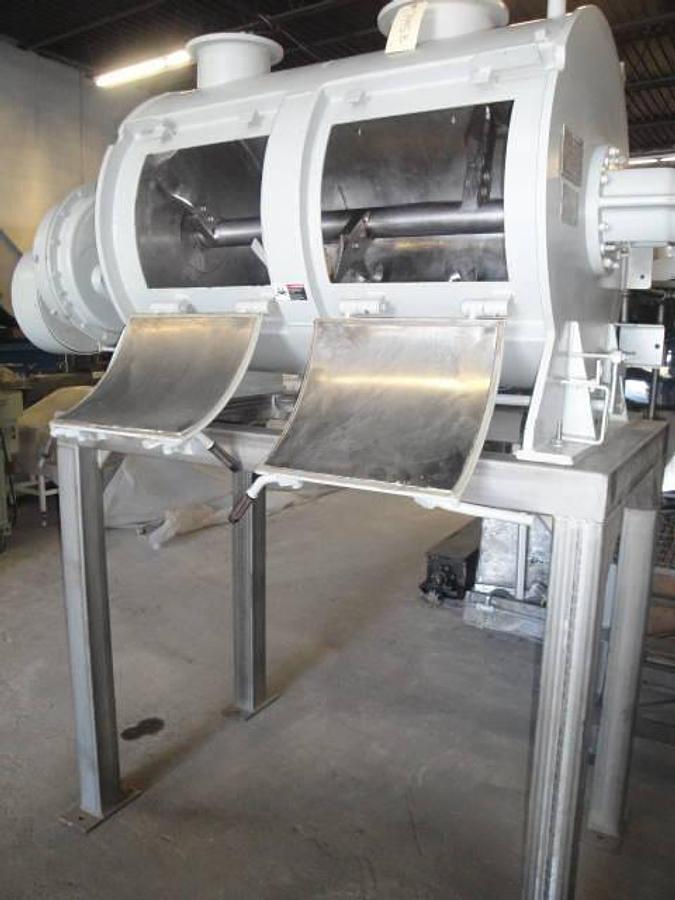
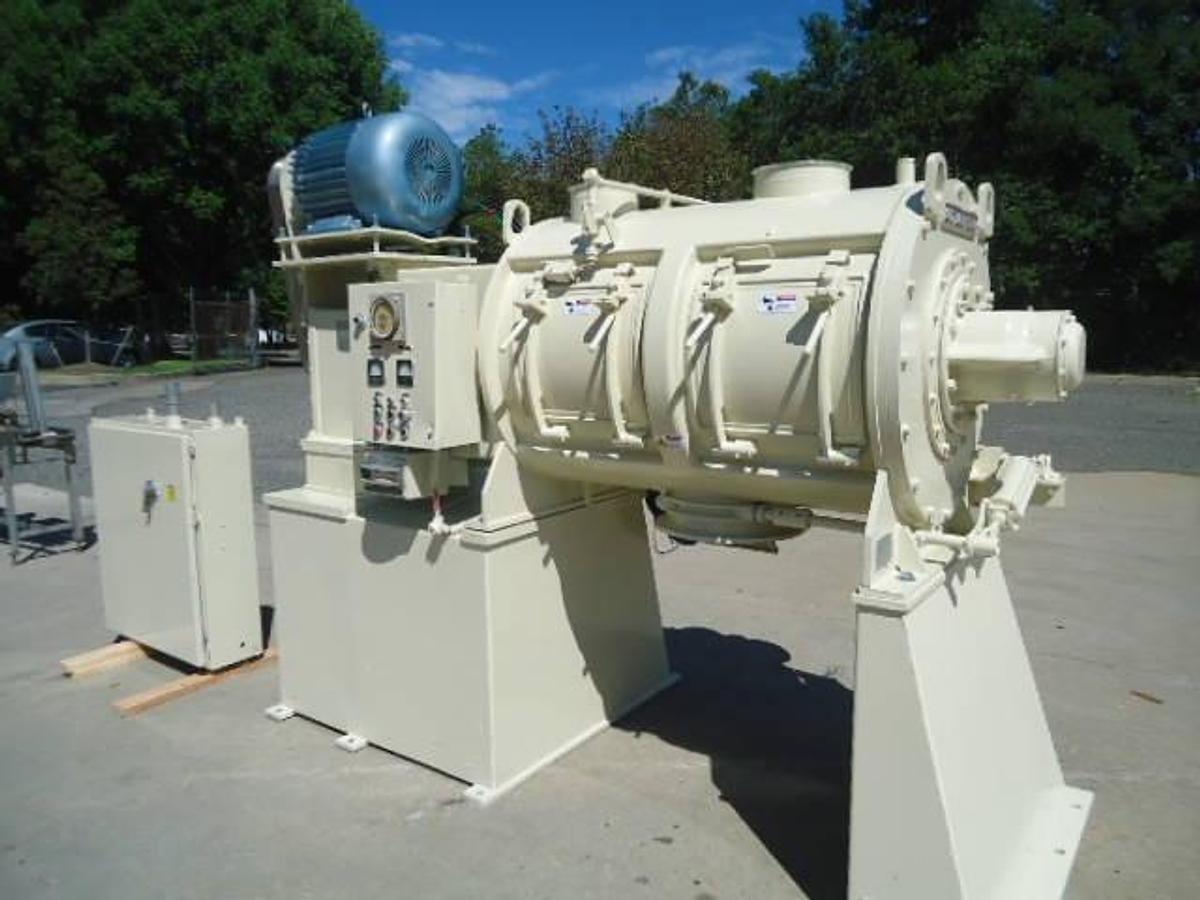
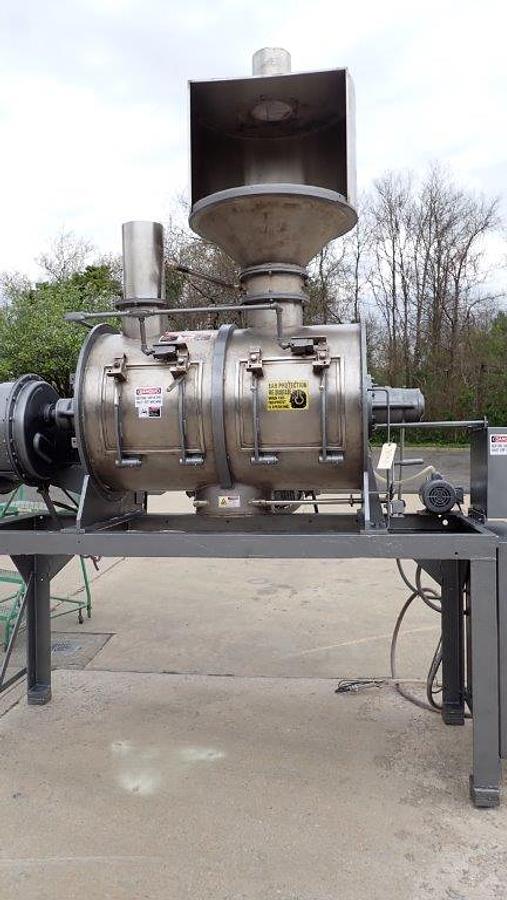
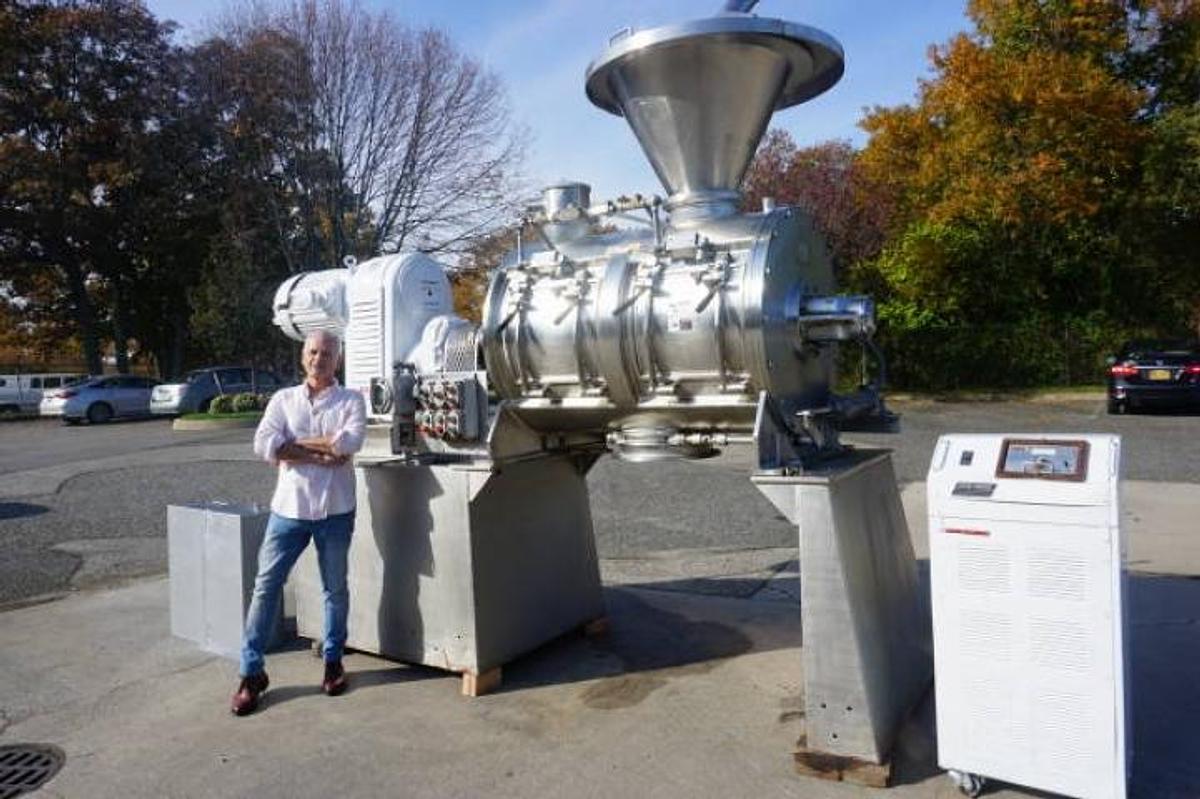
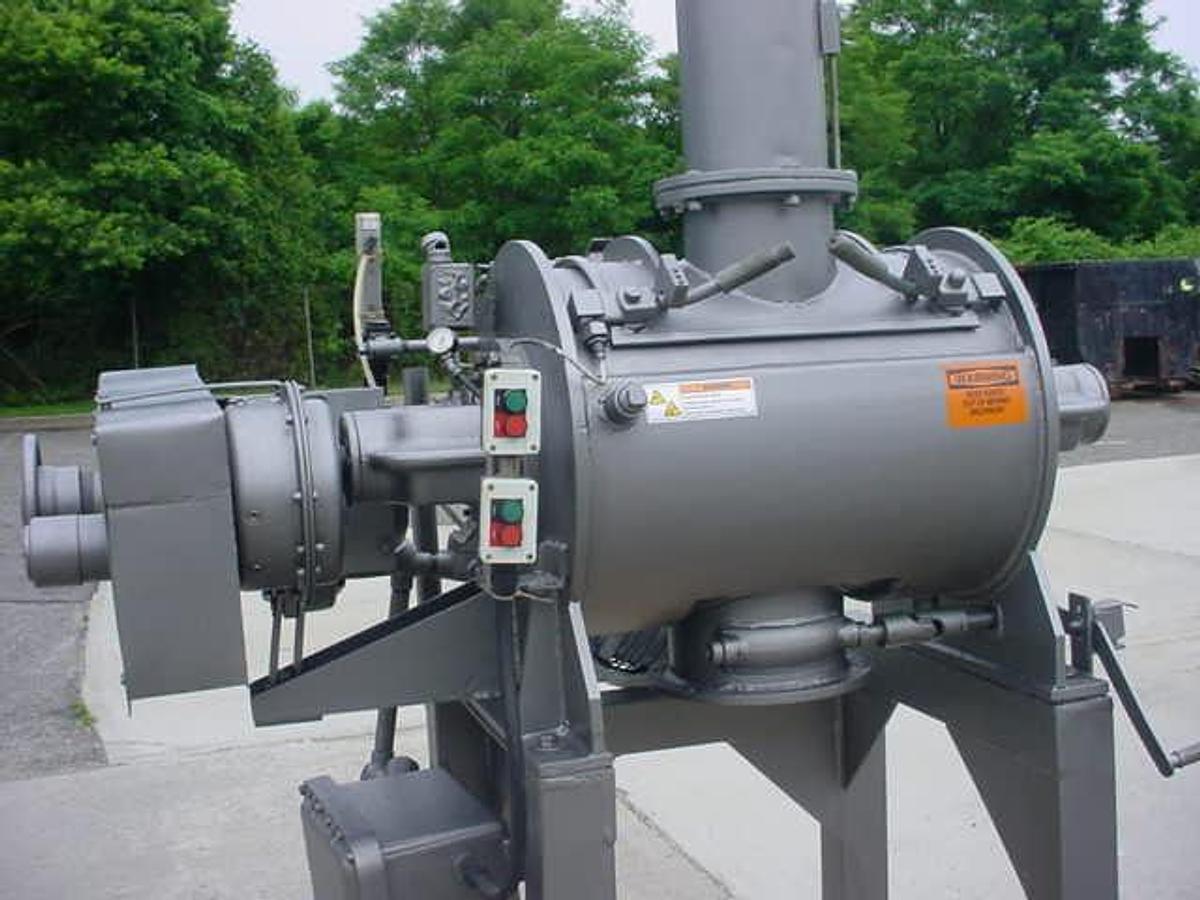
A Littleford plow mixer is a horizontal batch mixer that uses a series of plow-shaped mixing tools mounted on a central rotating shaft. As the shaft turns, the plows lift and throw material in a three-dimensional pattern, creating what is often described as a fluidized mixing zone inside the vessel. This action produces fast, uniform blending without the dead zones that are common in simpler mixer designs. The result is a homogeneous mixture achieved in a fraction of the time required by many other blending technologies.
Many Littleford plow mixer models are also equipped with high-speed choppers, sometimes called intensifier bars, mounted through the vessel wall. These choppers spin independently at much higher speeds than the main plow shaft and break up agglomerates, lumps, or soft granules during the mixing cycle. This combination of bulk movement from the plows and intense localized shear from the choppers makes the design particularly effective for applications that require both blending and particle size reduction in a single processing step. The FKM series, which is among the most widely available on the used market, is a well-known example of this plow-and-chopper configuration.
What industries commonly use Littleford plow mixers?
Littleford plow mixers are used across a wide range of process industries, with particularly strong adoption in pharmaceuticals, food production, specialty chemicals, plastics compounding, and agricultural chemicals. In pharmaceutical manufacturing, the high degree of blending uniformity and the availability of sanitary stainless steel construction make these machines well-suited for dry powder blending, granulation, and coating applications where product homogeneity directly affects dosage accuracy. Food processors rely on them for spice blends, dry beverage mixes, bakery premixes, and similar applications where consistent flavor and texture distribution are critical.
In the chemical and plastics industries, Littleford plow mixers handle pigment dispersion, catalyst blending, polymer compounding, and the mixing of materials with widely different particle sizes or bulk densities. The high-shear choppers are especially valuable in these applications because they can break down soft agglomerates and improve the distribution of minor ingredients present in very small concentrations. The machines are also found in cosmetics, detergent, and battery materials production. This broad industrial applicability is one reason used Littleford plow mixers remain in strong demand and tend to hold their value well compared to more specialized mixing equipment.
What sizes and capacities are available for used Littleford plow mixers?
Littleford plow mixers are manufactured across a very wide capacity range, which is one of the reasons they appear in so many different production environments. Lab-scale and pilot units can have working volumes well under 10 liters, making them useful for process development and small-batch specialty production. Mid-range production units commonly fall in the 50 to 1,200 liter working volume range, and large-scale industrial units can exceed 10,000 liters. The FKM model designation used by Littleford Day generally corresponds to the nominal vessel volume in liters, so an FKM-600 has a 600-liter vessel, an FKM-1200 has a 1,200-liter vessel, and an FKM-4200 has a 4,200-liter vessel.
On the used market, mid-range models like the FKM-600 and FKM-1200 tend to appear most frequently because they represent the most common production scale for pharmaceutical, food, and chemical batch processing. Larger units such as the FKM-4200, which can be equipped with motors up to 150 HP, are less common but do appear periodically. When evaluating capacity, buyers should keep in mind that the working fill volume of a plow mixer is typically 40 to 70 percent of the total vessel volume, so the actual batch size will be less than the nominal vessel rating. Confirming the working volume range with the dealer before purchase is a practical step that avoids sizing mistakes.
What is the difference between a Littleford plow mixer and a ribbon blender?
Both plow mixers and ribbon blenders are horizontal batch mixing technologies, but they differ significantly in how they move material and the types of applications they handle best. A ribbon blender uses a helical ribbon agitator that moves material in opposing axial directions, creating a relatively gentle, low-shear blending action. This works well for free-flowing dry powders and granules that are fragile or prone to attrition, but ribbon blenders are generally slower to achieve homogeneity and cannot easily incorporate high-shear choppers into their design. They also tend to have more difficulty with cohesive, sticky, or wet materials that resist the ribbon's gentle pushing motion.
A Littleford plow mixer, by contrast, uses the three-dimensional throwing action of the plow tools to create a much more aggressive mixing zone. The material is continuously lifted, turned, and recombined rather than simply pushed from end to end. This produces faster blend times, often in the range of two to five minutes for many dry applications, compared to ten to twenty minutes or more for a ribbon blender of comparable size. The ability to add high-speed choppers is another significant advantage, since this allows the plow mixer to handle granulation, dispersion, and coating operations that a ribbon blender simply cannot perform. For applications involving cohesive powders, wet masses, or materials requiring simultaneous blending and size reduction, a plow mixer is generally the more capable and versatile choice.
What materials of construction are available for used Littleford plow mixers?
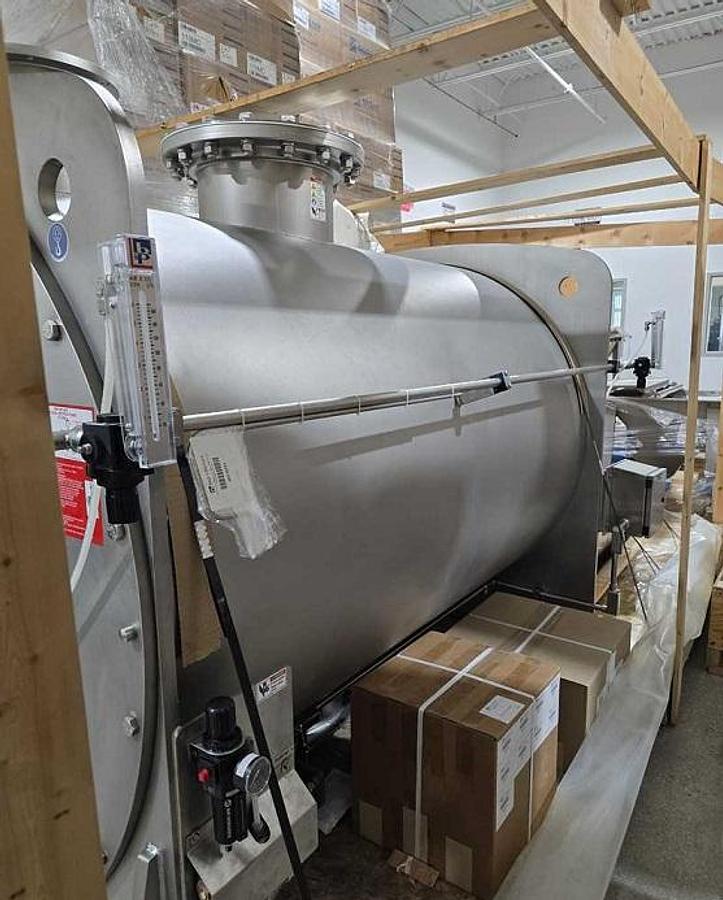
Used Littleford plow mixers are available in both carbon steel and stainless steel construction, with stainless steel being far more prevalent on the market due to the industries Littleford primarily serves. Within stainless steel options, 304 stainless steel is common for general food and chemical applications, while 316L stainless steel is preferred for pharmaceutical manufacturing and applications involving more aggressive cleaning agents or product chemistries. The 316L grade offers better corrosion resistance due to its molybdenum content and is also specified more often in applications requiring compliance with cGMP or FDA-related standards. Sanitary or pharmaceutical-grade units will typically feature polished interior surfaces, crevice-free welds, and flush-mounted fittings to support cleanability.
Jacketed vessels are another construction feature worth noting. Many used Littleford FKM units are available with heating or cooling jackets rated for specific pressures, such as 75 PSI, which allows temperature control during mixing. This is important for applications involving heat-sensitive materials, reactions that generate or require heat, or processes that need to maintain a specific temperature range throughout the blend cycle. Buyers evaluating used units should confirm the jacket rating, the condition of any jacket welds, and whether the vessel has been hydrostatically tested. Construction details like these significantly affect which applications a used machine can be qualified for, particularly in regulated industries like pharmaceuticals.
What should I look for when inspecting a used Littleford plow mixer before buying?
A thorough inspection of a used Littleford plow mixer should cover both the mechanical components and the vessel condition. On the mechanical side, the main shaft bearings and seals deserve close attention, as wear in these areas can lead to leaks or shaft runout that affects mixing performance. The plow tools themselves should be inspected for wear or deformation, since worn plows reduce mixing efficiency and may need to be replaced before the machine can be put back into production. If the unit is equipped with choppers, the chopper blades, bearings, and motors should all be evaluated for condition and proper operation. The drive system, including the gearbox and motor, should be checked for unusual noise, vibration, or signs of overheating.
For the vessel, look carefully at the interior surface condition, especially in stainless steel units intended for food or pharmaceutical use. Pitting, cracks, or compromised welds can make a vessel difficult or impossible to qualify for regulated applications. On jacketed units, ask about the history of the jacket and whether any repairs have been made to the jacket welds. Most reputable used equipment dealers will accommodate in-person inspections at their facility or at the plant where the equipment is currently located. Virtual inspections and video walkthroughs are also commonly offered. Keep in mind that dealers typically do not have the permitting required to run actual product through the machine, so functional testing will generally be limited to dry runs or no-load operation rather than a full production trial.
Are replacement parts still available for older Littleford plow mixer models?
Parts availability for used Littleford plow mixers varies depending on the age and model of the machine. Littleford Day, the manufacturer, has historically supported its equipment for many years, but the level of support available for any specific model depends on how long that model has been out of production and whether the manufacturer still stocks or fabricates the relevant components. Before purchasing a used unit, it is worth contacting Littleford Day directly to ask about parts availability for the specific model and serial number you are considering. They can advise on what wear parts, seals, and mechanical components are still available through their service network.
For many common wear items such as shaft seals, plow tools, and chopper blades, third-party fabrication is also an option, particularly for straightforward components that can be reverse-engineered from drawings or measurements. The main shaft, gearbox, and drive components are generally more difficult to source from third parties. Buyers should factor parts availability into their total cost of ownership assessment, especially for older machines or models that have been out of production for a long time. A machine that is priced attractively but requires hard-to-find proprietary components may end up being more expensive to operate than a newer used unit with better parts support.
What is the typical price range for a used Littleford plow mixer?
Pricing for used Littleford plow mixers varies considerably based on vessel size, construction material, condition, and the presence of features like choppers, jackets, or liquid injection systems. Small to mid-range units in the FKM-600 class in good working condition and stainless steel construction generally sell in a range that reflects the strong demand for this size in pharmaceutical and food applications. Larger units such as the FKM-4200 with high-horsepower drives command significantly higher prices. Sanitary or pharmaceutical-grade units with polished interiors and documented construction details typically carry a premium over general-purpose units of similar size.
Several factors can move the price meaningfully in either direction. A unit that includes functional choppers is more valuable than one without, since choppers add processing versatility and are expensive to retrofit. Jacketed vessels with pressure ratings add value for temperature-controlled applications. Conversely, units that show significant wear, have damaged interior surfaces, or are missing key components will be priced lower to reflect the cost of refurbishment the buyer will need to undertake. Because used Littleford plow mixers are sold as-is without manufacturer warranties, buyers should budget for inspection costs, any required refurbishment, and the cost of shipping and installation when calculating the total landed cost of a unit.
What should buyers understand about shipping and rigging a used Littleford plow mixer?
Littleford plow mixers are heavy industrial machines, and shipping costs can be a significant part of the total purchase price. Smaller units may be shipped on standard pallets with appropriate blocking and bracing, but larger models like the FKM-4200 require custom crating or skidding to protect the machine during transit. The level of packaging required will affect the shipping cost, and buyers should ask the dealer specifically what packaging is included in the quoted price and what additional preparation charges might apply. Freight costs will also vary based on the origin and destination of the shipment, the carrier selected, and whether liftgate service or inside delivery is needed at the receiving location.
For larger machines, professional rigging is typically required both at the point of loading and at the buyer's facility for unloading and placement. This involves forklifts, cranes, or other lifting equipment capable of handling the machine's weight, and the cost of this rigging is generally separate from the freight charge. Buyers should confirm with the dealer what rigging services are included and what will need to be arranged independently. Getting a clear picture of all costs, including packaging, loading, freight, unloading, and placement, before finalizing a purchase helps avoid surprises and allows for an accurate comparison of the true cost of different units from different locations.
What are typical payment terms when purchasing a used Littleford plow mixer from a dealer?
Used industrial equipment dealers generally require payment in full before a machine is released for shipment. This is standard practice in the industry and applies to most transactions regardless of the purchase price. The rationale is straightforward: once a machine has been loaded and shipped, the dealer has little practical recourse if a payment issue arises. Buyers who are new to a particular dealer should expect to pay in full upfront, typically by wire transfer, though some dealers also accept other forms of payment depending on the transaction size and their internal policies.
Some dealers extend payment terms to established customers with a history of prior transactions, but this is at the dealer's discretion and is not something a first-time buyer should assume will be available. Buyers who need financing should arrange it independently before completing a purchase, as most used equipment dealers do not offer in-house financing. Equipment financing through banks or specialty lenders that focus on industrial machinery is an option worth exploring for higher-value purchases. Regardless of payment method, buyers should ensure they receive clear documentation of the sale, including a bill of sale that accurately describes the machine, its model, serial number, and the condition as represented at the time of sale.