Category
Manufacturer
Model
FAQ:
What types of used Liquid Carbonic equipment are typically available for sale?
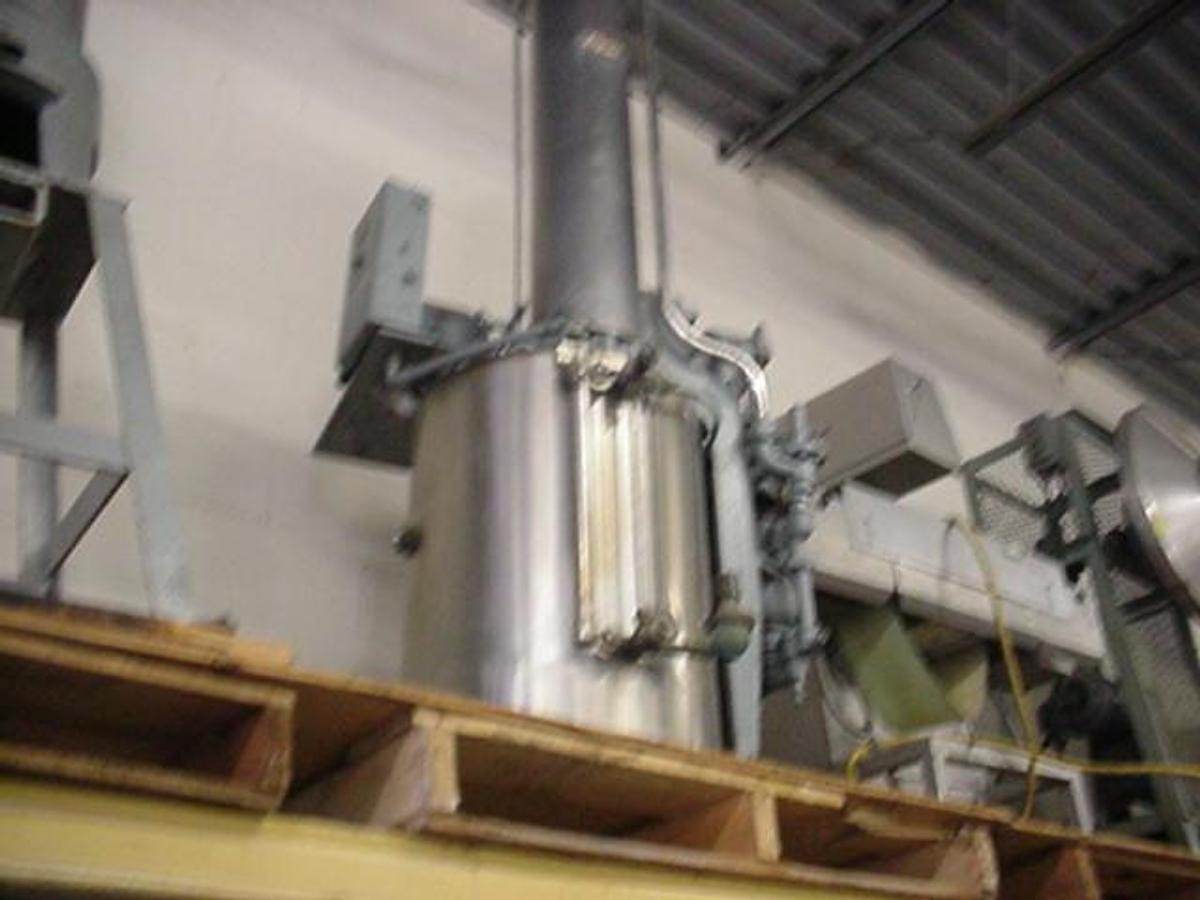
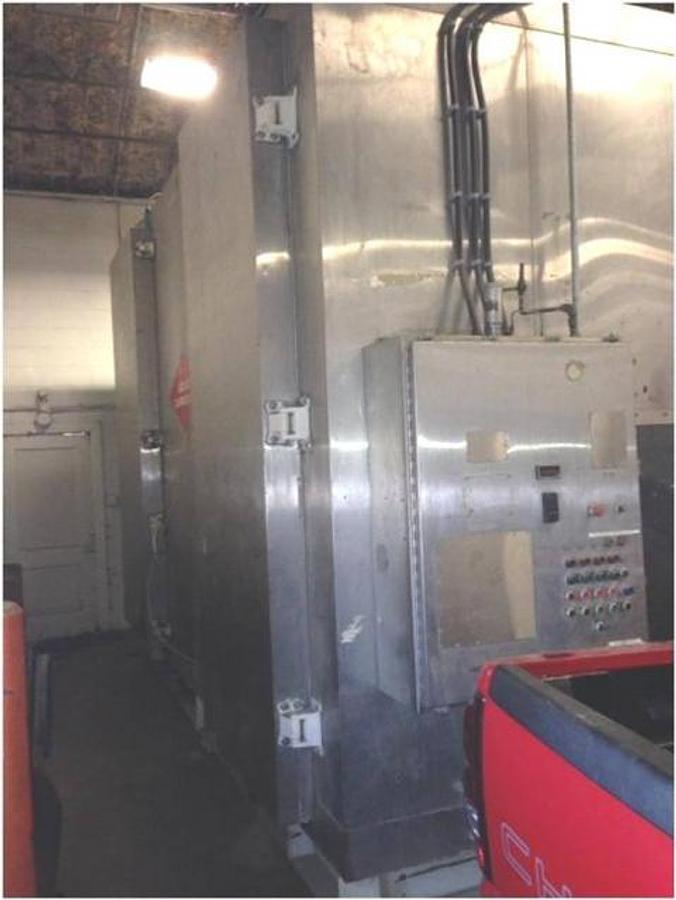
Used Liquid Carbonic equipment spans a fairly wide range of industrial and commercial applications. The most commonly available units include carbonators (such as the 500 GPH carbonator), CO2 storage and supply systems, beverage blending equipment, syrup systems, and post-mix dispensing units. Spiral freezers are another category worth noting, with models like the JE-U6-30S stainless steel spiral freezer with a 30-inch wide belt appearing in used equipment inventories. These machines were built for demanding production environments, which is part of why they remain in circulation long after the brand stopped manufacturing them.
Beyond the core carbonation and freezer categories, buyers may also encounter CO2 generation equipment, draft beer dispensing systems, and various ancillary components tied to beverage production lines. Because Liquid Carbonic served the soft drink, brewing, dairy, and food processing industries for decades, the equipment footprint is broad. Availability at any given time depends heavily on what facilities are decommissioning or upgrading, so checking with specialized used equipment dealers on a regular basis is the most reliable way to find a specific model.
Is Liquid Carbonic equipment still being manufactured, or is it only available used?
Liquid Carbonic as a standalone brand is no longer actively manufacturing equipment under that name. The company went through a series of corporate changes and acquisitions over the decades, and the Liquid Carbonic brand in its classic form is no longer producing the carbonation, CO2, and freezer equipment it was historically known for. As a result, the only way to acquire Liquid Carbonic branded machinery today is through the used and surplus equipment market, sourced from facilities that operated these machines during their production years.
This is actually a meaningful point for buyers to understand before starting a search. There is no factory channel, no dealer network selling unused stock, and no manufacturer warranty program attached to these machines. Every unit on the market has operational history behind it. That history can be a positive, since many of these machines were engineered to last and have proven track records in production settings, but it also means buyers carry more responsibility for due diligence. Verifying the condition of the equipment, understanding its service history where possible, and confirming parts availability are all steps that matter more when buying from the used market than they would when buying from an active manufacturer.
What industries commonly use Liquid Carbonic CO2 and carbonation equipment?
Liquid Carbonic built its reputation primarily by serving the beverage industry. Soft drink bottlers and syrup manufacturers were among the heaviest users of Liquid Carbonic carbonation systems, relying on the equipment to achieve consistent CO2 levels in finished products. The brewing industry, including both large-scale commercial breweries and regional craft operations, also used Liquid Carbonic CO2 supply and dispensing systems extensively. Draft beer systems, in particular, depend on precise CO2 management, and Liquid Carbonic equipment became a trusted solution in that space.
Beyond beverages, Liquid Carbonic equipment found application in food processing and cold chain operations. The spiral freezer product line, for example, was used in meat processing, seafood handling, bakery operations, and other food production environments where continuous belt freezing is required. CO2 as an industrial gas also has uses in pH control for water treatment, fire suppression, and certain chemical manufacturing processes, and Liquid Carbonic supply systems served some of those markets as well. This cross-industry footprint is one reason the used equipment market for these machines remains active, since buyers come from several different sectors with different needs.
How do I verify the condition of used Liquid Carbonic equipment before purchasing?
The most direct way to assess condition is through an in-person inspection at the location where the equipment is being stored or is still in service. Reputable used equipment dealers will typically accommodate this, either by arranging access to their own facility or, in cases where the machine is still at a production plant, coordinating with the facility owner to allow a buyer visit. During an in-person inspection, a buyer or their technician can examine wear on mechanical components, check for corrosion or damage on stainless steel surfaces, review seals and gaskets, and assess the overall state of electrical systems. For a spiral freezer, belt condition and drive system integrity are particularly important checkpoints.
For buyers who cannot travel, video inspections and detailed photo documentation are commonly offered as alternatives. A thorough video walkthrough should cover all major components, show the machine from multiple angles, and ideally demonstrate any movement or mechanical function that can be safely demonstrated without full production capability. Keep in mind that most used equipment dealers do not have the permitting or infrastructure to run actual production tests, so live carbonation or freezing demonstrations are generally not possible outside of an active production facility. Buyers should factor this limitation into their evaluation and, when in doubt, consult with a qualified technician who has experience with Liquid Carbonic equipment before finalizing a purchase.
What should buyers know about finding replacement parts for Liquid Carbonic machines?
Parts availability is one of the more significant practical challenges associated with buying used Liquid Carbonic equipment, and it deserves serious attention before any purchase decision is made. Because the brand is no longer actively manufacturing, there is no factory parts program to rely on. Some components may still be available through industrial parts distributors, specialty suppliers who stock legacy beverage and refrigeration parts, or the secondary market for surplus machine components. For certain models, parts from compatible equipment made by successor companies or similar manufacturers may serve as functional substitutes, but this requires careful verification by a qualified technician.
For parts that are no longer available through any standard channel, custom fabrication is sometimes the only option. This can be cost-effective for simple machined components but becomes expensive for complex assemblies or proprietary electronics. Before committing to a purchase, buyers are strongly encouraged to identify the specific model and serial number of the equipment, then research parts availability directly with suppliers or consult with a technician who has worked on that model. Contacting the successor companies that absorbed Liquid Carbonic's product lines may also provide useful guidance on what level of parts support, if any, still exists for a particular machine. Skipping this step and discovering a critical part is unavailable after the purchase can turn an otherwise good deal into a costly problem.
What is the typical price range for used Liquid Carbonic carbonation equipment?
Pricing for used Liquid Carbonic equipment varies considerably based on the type of machine, its age, its condition, and current market demand. Smaller units like countertop or inline carbonators in the 500 GPH range tend to be priced in the lower tier of the used equipment market, often ranging from a few hundred to a few thousand dollars depending on condition. Larger, more complex systems such as industrial CO2 supply installations or high-capacity beverage blending lines can run significantly higher, sometimes into the tens of thousands of dollars for well-maintained units that are ready for production.
Spiral freezers represent one of the higher-value categories within the Liquid Carbonic equipment lineup. A stainless steel spiral freezer with a 30-inch wide belt, for example, involves substantial fabrication and engineering, and even used units in average condition carry meaningful price tags that reflect the cost of the underlying machinery. Condition grades, whether a machine is sold as-is, has been inspected, or has been partially refurbished, have a direct impact on price. Buyers should also account for shipping, rigging, and any reconditioning costs when evaluating the total cost of acquisition, since the purchase price alone rarely reflects the full investment required to get the equipment running at a new facility.
What is the difference between "as-is" and refurbished used Liquid Carbonic equipment?
Used equipment is sold under different condition classifications that carry real consequences for buyers. An as-is machine is sold in whatever state it is currently in, with no work performed by the seller to restore or improve its condition. The buyer accepts the equipment with full knowledge that there may be wear, missing components, or mechanical issues that are not the seller's responsibility to address. As-is pricing is generally lower, but the buyer takes on more risk and should have a clear plan for any repairs or servicing needed before the machine can be put back into production.
Refurbished or reconditioned equipment has had some level of work performed on it prior to sale. This can range from a basic cleaning and inspection to a more involved process of replacing worn parts, repainting, and verifying mechanical function. The scope of refurbishment varies significantly between sellers, so buyers should ask specifically what was done, which parts were replaced, and whether any documentation of that work is available. For Liquid Carbonic equipment in particular, where parts sourcing can be challenging, understanding exactly what was repaired and with what components is important context. A machine described as refurbished is not the same as a machine that has been certified to meet any specific performance standard, so clarifying the details with the seller before purchase is always a sound practice.
How does shipping and logistics work when buying used Liquid Carbonic equipment?
Shipping used industrial equipment like Liquid Carbonic carbonators or spiral freezers involves more complexity than standard freight. Smaller units such as a 500 GPH carbonator can typically be palletized and shipped via standard LTL freight carriers, but the packaging needs to be adequate to protect the machine from vibration and impact during transit. Sellers will generally arrange palletization or crating, and the level of packaging required affects the shipping cost. Buyers should confirm with the seller exactly how the equipment will be prepared for shipment and what that preparation costs before finalizing the purchase price.
Larger machines like spiral freezers require more substantial logistics planning. Heavy rigging equipment is needed to load these units safely, and the receiving facility must have the means to unload them, whether that is a forklift, crane, or other rigging service. These rigging costs are typically separate from freight charges and can add meaningfully to the total landed cost of the equipment. Buyers are well advised to get a full breakdown of packaging, rigging, freight, and any additional handling fees before agreeing to a purchase, so there are no surprises when the invoice arrives. For international shipments, customs documentation and import duties add another layer of cost and planning that should be addressed early in the process.
What payment terms should buyers expect when purchasing used Liquid Carbonic equipment?
Payment practices in the used industrial equipment market tend to follow a fairly consistent pattern. Most sellers require full payment before the equipment is released for shipping. This protects the seller from situations where a buyer backs out after the machine has been prepared and loaded, and it is a standard expectation in the industry rather than a red flag. Wire transfer is the most common payment method for transactions of any significant size, though some dealers may accept other forms depending on the transaction details.
For buyers who have an established relationship with a dealer and have completed prior transactions, some sellers may be willing to discuss alternative arrangements, but this is the exception rather than the rule for first-time buyers. Before sending payment, buyers should make sure they have completed any inspections they intend to conduct, reviewed all available documentation on the equipment, and confirmed the full landed cost including shipping and rigging. Once payment is made and the equipment ships, the transaction is generally considered final, which makes the pre-purchase inspection and due diligence process all the more important.
Are there qualified technicians who can service or repair used Liquid Carbonic equipment?
Finding technicians with direct Liquid Carbonic experience requires some effort, but they do exist. Professionals who have worked in beverage production, commercial refrigeration, or industrial CO2 systems over the past few decades are the most likely candidates to have hands-on familiarity with this equipment. Trade associations tied to the beverage dispensing and refrigeration industries can sometimes help connect buyers with service professionals who have the relevant background. It is also worth reaching out to the successor companies that absorbed portions of Liquid Carbonic's business, as they may be able to provide referrals to qualified service technicians even if they no longer support the equipment directly.
For spiral freezer equipment specifically, technicians with experience in commercial refrigeration and continuous belt freezer systems will have transferable skills even if they have not worked on Liquid Carbonic models specifically. The mechanical and refrigeration principles involved are consistent across manufacturers, and an experienced technician can often adapt to an unfamiliar brand with access to whatever documentation is available. Buyers purchasing used Liquid Carbonic equipment should budget for professional installation and commissioning services in addition to the equipment cost itself, particularly for larger and more complex systems where improper setup can cause damage or create safety issues.