Category
Manufacturer
Model
Linde
Linde is a global leader in industrial gases and equipment, providing solutions for sectors such as healthcare, manufacturing, and food processing. They are particularly noted for their gas handling equipment and cryogenic systems, which support a wide range of applications.
FAQ:
What types of Linde industrial equipment are commonly available on the used market?
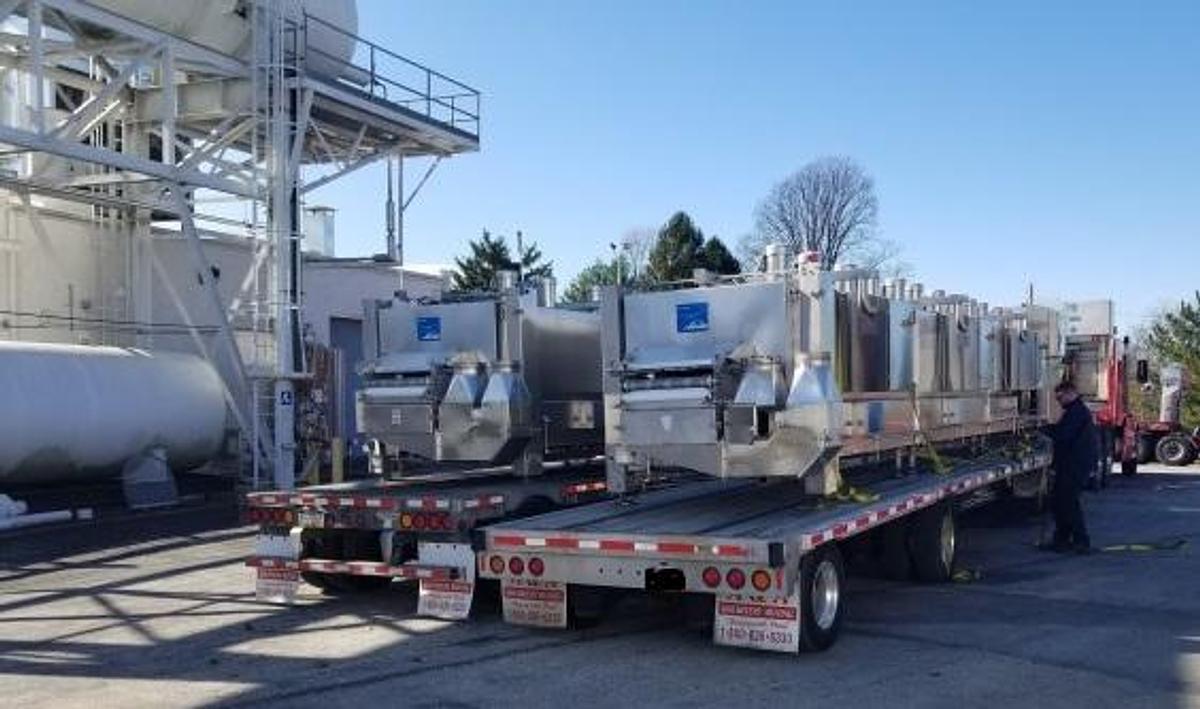
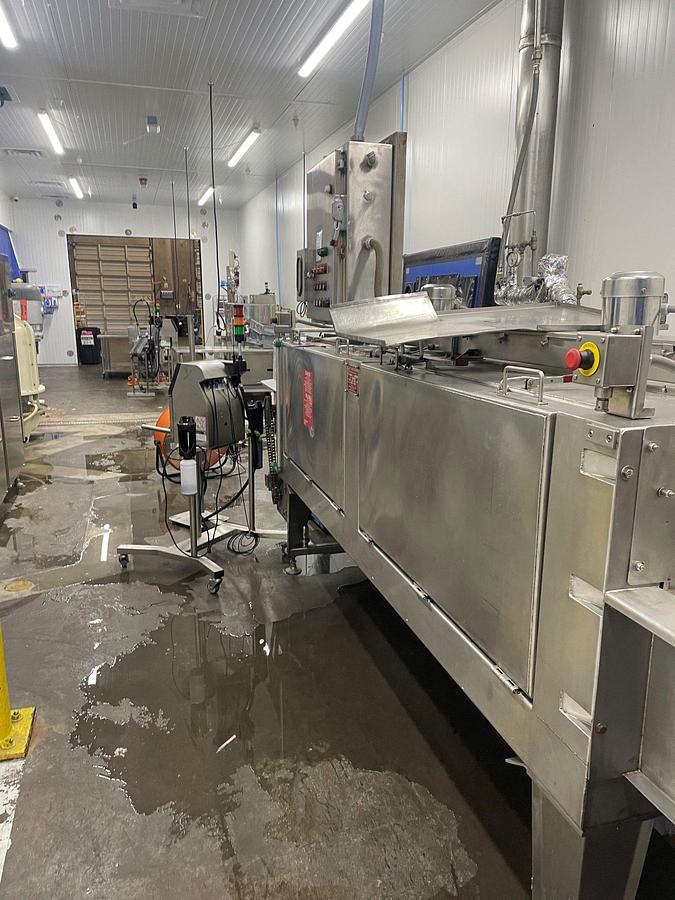
Linde produces a broad range of industrial equipment, and used examples of most product lines tend to circulate regularly through the secondary market. The most commonly available categories include counterbalance forklifts in electric, diesel, and LPG configurations, reach trucks, order pickers, pallet trucks, tow tractors, and automated guided vehicles (AGVs). Beyond material handling, Linde is also a recognized manufacturer of industrial gas handling equipment and cryogenic systems, including liquid nitrogen tunnel freezers and nitrogen impingement freezers used in food processing and other temperature-sensitive applications.
Buyers looking for used Linde equipment should be aware that availability varies considerably depending on the specific model and configuration. High-volume warehouse equipment like pallet trucks and counterbalance forklifts tends to turn over frequently, while specialized cryogenic or gas handling systems are rarer finds. When a specific model does come available, it pays to act quickly and conduct a thorough inspection before committing, since lead times on comparable alternatives can be significant.
What is Linde's hydrostatic drive system and why does it matter when buying used equipment?
Linde is widely recognized in the material handling industry for its patented hydrostatic drive system, which replaces the conventional transmission and torque converter found in most competing forklifts. Instead of mechanical gears, the system uses hydraulic pumps and motors to transfer power, giving the operator precise, stepless speed control in both forward and reverse. This translates to smoother load handling, reduced tire wear, and lower stress on drivetrain components over the life of the machine.
For buyers considering used Linde equipment, the hydrostatic drive is both an advantage and a point to evaluate carefully during inspection. On the positive side, the system has fewer mechanical wear points than a conventional transmission, which can mean lower cumulative maintenance costs. On the other hand, hydraulic components do require proper fluid maintenance and can be costly to repair if neglected. A prospective buyer should ask about service history, specifically whether hydraulic fluid changes and filter replacements were performed on schedule, and request a functional demonstration or video of the drive system operating under load before finalizing a purchase.
What should I inspect when buying a used Linde forklift?
Buying a used Linde forklift requires a more disciplined inspection process than purchasing new equipment, since the machine's condition depends entirely on how it was operated and maintained by previous owners. Key areas to evaluate include the mast and lift chains for wear, cracks, or deformation; the forks themselves for bending, heel cracks, and thickness reduction; the tires for wear patterns that might indicate alignment or load issues; and the hydraulic system for leaks, slow response, or unusual noises during operation. On electric models, battery condition and the state of the charging system are critical factors that significantly affect both performance and resale value.
Beyond the mechanical components, it is worth examining the overhead guard and load backrest for any damage that might indicate the machine has been involved in a collision or tip-over event. Hour meter readings provide a rough guide to usage, but they can be misleading if the machine spent most of its hours in light-duty applications versus heavy continuous use. Reputable used equipment dealers will typically accommodate in-person inspections or provide detailed video walkthroughs of the machine. For high-value purchases, engaging an independent Linde-certified technician to perform a third-party inspection is a sound investment before committing to a transaction.
How do electric, diesel, and LPG Linde forklifts differ, and which is right for my application?
Each powertrain type serves different operational environments, and the distinction matters when sourcing used equipment. Linde electric forklifts are designed primarily for indoor use, producing zero direct emissions and operating more quietly than combustion alternatives. They pair well with warehouse, food processing, and pharmaceutical environments where air quality and noise are concerns. The trade-off is dependence on battery infrastructure and the added consideration of battery age and capacity when buying used. Linde diesel forklifts are built for outdoor and heavy-duty applications where runtime demands are high and charging infrastructure is unavailable. They deliver strong performance on uneven surfaces and in demanding load cycles. LPG models occupy a middle ground, offering the flexibility of quick refueling like diesel with somewhat cleaner combustion than diesel, making them suitable for mixed indoor/outdoor use in well-ventilated spaces.
When evaluating used examples of any powertrain type, the operating environment the machine came from is a useful indicator of its condition. A diesel unit that spent its life outdoors on a port or construction site will have different wear patterns than one used in a covered distribution center. Electric models from climate-controlled warehouses often show less structural wear but may have batteries that need replacement, which can be a significant added cost. Matching the right powertrain to your specific application from the outset avoids retrofitting issues and ensures the machine performs as expected in your facility.
What is the typical price range for used Linde forklifts?
Pricing for used Linde forklifts varies widely based on model, capacity, powertrain, age, hours of use, and overall condition. At the lower end of the range, older high-hour units or machines requiring refurbishment can be found in the range of a few thousand dollars. Mid-range used Linde forklifts in reasonable working condition, particularly electric counterbalance models in the 2 to 5 ton capacity class, typically trade in the range of $8,000 to $25,000 depending on age and configuration. Specialty or lower-hour models, including reach trucks, order pickers, or machines with advanced technology packages, can command prices well above that range.
It is important to factor in the total landed cost when evaluating any used Linde purchase. Shipping, rigging, and any required reconditioning work all add to the final number. A machine listed at an attractive price may require battery replacement, new tires, or hydraulic servicing that erodes the apparent savings. Buyers should request a detailed condition report and, where possible, a full service history from the seller to build a realistic picture of what the machine will cost to put into productive operation. Consulting with a Linde service technician about parts availability and estimated repair costs for a specific model year is also a practical step before finalizing any purchase.
Are parts and service support available for older used Linde equipment?
Linde maintains a global dealer and service network, which is one of the reasons the brand retains strong demand on the used market. For relatively recent models, parts availability through authorized Linde dealers is generally good, and a broad aftermarket parts ecosystem has developed for common wear items like filters, seals, tires, and hydraulic components. However, parts availability is not uniform across all models and ages, and buyers should research specific model support before committing to a purchase, particularly for older or discontinued configurations.
As machines age, manufacturer support can diminish for certain components, especially electronics, control modules, and proprietary hydraulic assemblies. Before purchasing a used Linde unit, it is advisable to contact a Linde dealer directly and provide the model and serial number to get a frank assessment of parts availability and expected support. This step is especially important for specialized equipment like cryogenic systems or gas handling machinery, where replacement components may have longer lead times or require factory involvement. Selecting a used equipment dealer with deep experience in the specific product category can also be valuable, as they often maintain relationships with parts suppliers and can advise on serviceability before the sale.
How do I determine the right Linde forklift capacity for my operation?
Forklift capacity is specified as the maximum load a machine can safely lift at a defined load center distance, typically measured at 24 inches from the face of the forks on standard equipment. Linde counterbalance forklifts are available across a wide capacity range, from compact units handling around 1,000 kg up to large industrial models capable of lifting 16,000 kg or more. The rated capacity on the data plate is the starting point, but actual usable capacity in your operation depends on factors including load dimensions, attachment use, lift height, and whether loads are uniform or irregular in shape.
When sourcing used Linde equipment, it is critical to match the machine's capacity rating to your actual load requirements with a margin for safety, rather than selecting the smallest unit that technically meets the spec. Overloading a forklift is a leading cause of tip-over incidents and accelerated mechanical wear. If your operation uses attachments like clamps, rotators, or side-shifters, note that attachments shift the effective load center and reduce rated capacity accordingly. The load capacity chart on the machine's data plate will reflect the base configuration, so buyers should verify that the specific attachment combination they plan to use falls within the machine's rated limits. A Linde dealer or qualified industrial engineer can assist with capacity calculations if your load profile is complex.
What safety certifications and standards apply to Linde industrial equipment?
Linde industrial equipment is designed and manufactured to comply with a range of international safety standards. For material handling equipment sold in North American markets, relevant standards include those set by the American National Standards Institute (ANSI) and the Industrial Truck Association (ITA), as well as OSHA regulations governing powered industrial truck operation (29 CFR 1910.178). In European markets, Linde equipment is built to conform to applicable CE directives and EN ISO standards. Cryogenic and gas handling equipment is subject to additional pressure vessel, piping, and hazardous materials standards depending on the application and jurisdiction.
For buyers acquiring used Linde equipment, it is important to understand that compliance with safety standards at the time of manufacture does not automatically mean the machine meets current standards or is in a safe operating condition after years of use. OSHA requires that powered industrial trucks be examined before each shift and that any equipment found to be unsafe be taken out of service until repaired. Buyers should ensure that any used machine they acquire undergoes a thorough safety inspection by a qualified technician before being placed into service, and that operators receive proper training as required by OSHA and applicable local regulations. Documentation of the machine's service history and any prior safety-related repairs is worth requesting from the seller.
What is involved in shipping used Linde industrial equipment after purchase?
Shipping logistics for used Linde equipment depend heavily on the size and weight of the machine being transported. Compact pallet trucks or smaller electric forklifts may be palletized and shipped via standard freight carriers, while full-size counterbalance forklifts and large cryogenic systems like nitrogen tunnel freezers require flatbed trucking, specialized rigging for loading and unloading, and in some cases disassembly of masts or other components to comply with height restrictions. The cost of rigging, crating, and freight can be substantial and should be factored into the total acquisition cost before agreeing to a purchase price.
Buyers should ask the seller for a detailed breakdown of packaging, rigging, and shipping costs before finalizing any transaction. Some dealers include basic palletization in the sale price, while others quote freight separately or require the buyer to arrange their own carrier. For heavy or awkward equipment, professional rigging services at both the origin and destination are strongly recommended to prevent damage and ensure the safety of personnel involved in the move. It is also worth confirming insurance coverage during transit, as liability for damage in shipping can be a point of dispute if not addressed clearly in the purchase agreement. Most used equipment dealers require full payment prior to releasing equipment for shipment.
What are the advantages of buying used Linde equipment compared to other used industrial equipment brands?
Linde's reputation in the industrial equipment market is built on engineering quality, particularly in material handling. The brand's hydrostatic drive technology, low-vibration operator cabins, and precision hydraulic controls have earned consistent recognition for durability and operator comfort. In practical terms, this means that a well-maintained used Linde forklift often retains strong functional performance even at higher hour counts compared to lower-tier brands, which can make used Linde equipment competitive on a cost-per-hour basis over its remaining service life. The brand's global service network also means that technical expertise and many common parts are accessible in most major industrial markets.
That said, Linde equipment is generally positioned at the premium end of the market, and used examples reflect that with higher asking prices than comparable machines from some competing manufacturers. Buyers should weigh the higher upfront cost against the potential for lower maintenance frequency, better parts availability, and stronger resale value down the line. For operations with demanding duty cycles, tight tolerances on load handling, or environments where operator ergonomics directly affect productivity, the premium is often justified. For lighter or intermittent applications, a less expensive used alternative might deliver adequate performance at a lower total cost. Evaluating total cost of ownership rather than purchase price alone is the most reliable way to make that comparison.