Category
Manufacturer
Model
Lapierre
Lapierre specializes in bottling equipment for the beverage industry, particularly for wine and spirits. Their machines are designed for high efficiency and precision, ensuring quality in the bottling process. Lapierre’s commitment to craftsmanship makes them a preferred choice among producers.
FAQ:
What types of bottling equipment does Lapierre manufacture?
Lapierre produces a range of bottling equipment designed primarily for the wine and spirits industry, though their machines are capable of handling various beverage types. Their product lineup includes filling machines, corkers, cappers, labelers, and complete turnkey bottling lines that integrate multiple functions into a single production system. Depending on the model, these machines can be semi-automatic or fully automated, giving producers flexibility based on their volume needs and budget.
Individual components are also available separately, which is particularly useful for producers who need to upgrade or replace a specific part of an existing line rather than purchasing a full system. Lapierre's focus on precision and craftsmanship has made their equipment a long-standing choice among wine and spirits producers who require consistent fill accuracy, reliable corking, and clean labeling across high-volume runs. The variety of machine types across their catalog means buyers at different production scales can find equipment that fits their operation.
Is Lapierre bottling equipment suitable for small-scale or craft beverage producers?
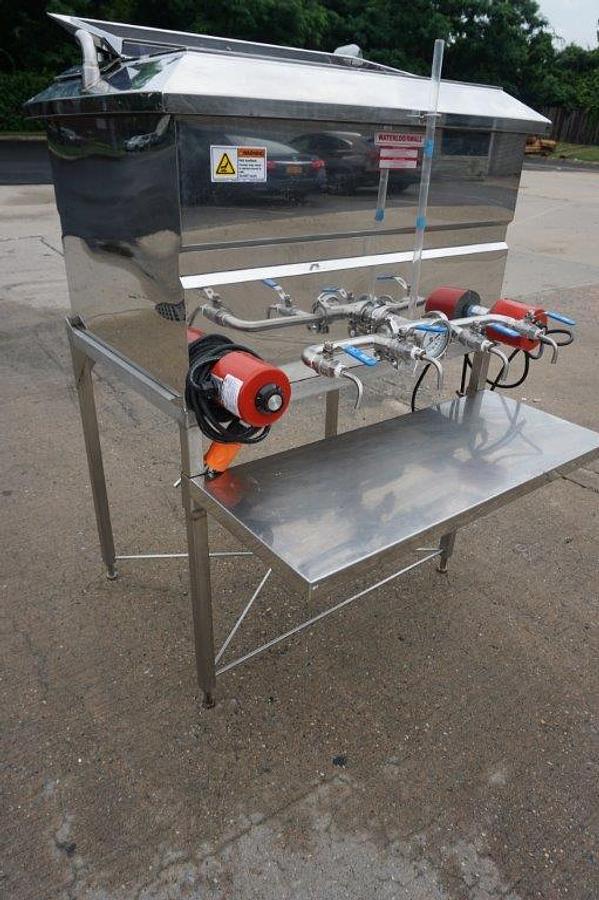
Lapierre offers models across a wide capacity range, which makes their equipment accessible to craft and small-scale producers, not just large commercial wineries. Entry-level and semi-automatic models, such as the LaPierre Waterloo small electric tank with four nozzles, are specifically designed for lower-volume operations where manual oversight is part of the workflow. These machines allow small producers to achieve consistent fill levels and professional results without requiring a full industrial bottling line.
For craft producers, buying used Lapierre equipment can be a particularly practical route. Because these machines are built for durability and longevity, a used unit that has been properly maintained can still deliver reliable performance at a fraction of the cost of a comparable new machine. Bottling speeds on smaller Lapierre models can start around 500 bottles per hour, which aligns well with the output needs of a boutique winery, craft distillery, or small beverage brand. Buyers should inspect any used machine carefully before purchase to confirm it meets their specific production requirements.
What beverages can Lapierre bottling equipment handle?
Lapierre equipment is most closely associated with wine and spirits bottling, and the majority of their machines are engineered with the specific requirements of those industries in mind. This includes gravity and pressure-based filling systems suited for still wines, sparkling wines, and distilled spirits. The precision required in these categories, particularly around fill volume consistency and minimal product agitation, is a core design consideration across Lapierre's lineup.
That said, many Lapierre machines can also handle other non-carbonated and lightly carbonated beverages, including juice, cider, and certain soft drinks, depending on the specific model and its configuration. Buyers looking to bottle beverages outside of wine and spirits should review the technical specifications of any particular machine and, if possible, consult with the manufacturer or a knowledgeable equipment dealer to confirm compatibility. When purchasing used equipment, it is especially worth understanding what product the machine was previously used for, as this can affect cleaning requirements and component wear.
What bottling speeds can buyers expect from Lapierre machines?
Bottling speeds across the Lapierre lineup vary considerably depending on the model, configuration, and level of automation. Smaller semi-automatic units designed for craft or boutique producers typically operate in the range of 500 to 1,500 bottles per hour. Mid-range models can reach speeds of 2,000 to 4,000 bottles per hour, while fully automated, high-capacity Lapierre lines are capable of exceeding 6,000 bottles per hour, making them viable for large commercial wineries and spirits producers with significant daily output demands.
When evaluating a used Lapierre machine, it is important to understand that the rated speed under ideal conditions may differ from actual throughput in a real production environment. Factors such as bottle type, fill volume, product viscosity, and the condition of the machine all influence effective output. Buyers should ask dealers for specifics on the model's rated capacity and, where possible, request documentation or video footage of the machine operating to get a realistic sense of its current performance level.
What should buyers look for when purchasing used Lapierre bottling equipment?
Buying used bottling equipment requires a more thorough evaluation process than purchasing a machine directly from a manufacturer. For Lapierre equipment specifically, buyers should start by confirming the model number and understanding its original specifications, including fill speed, bottle compatibility, and the type of closure system it supports. From there, the condition of wear components such as fill nozzles, seals, gaskets, conveyor belts, and corking or capping heads should be assessed, as these parts experience the most stress during regular production.
Reputable used equipment dealers will typically accommodate in-person inspections or virtual walkthroughs via video, allowing buyers to see the machine's current condition before committing to a purchase. Some machines may still be installed and operational at the original production facility, which offers the added benefit of seeing the equipment run. Keep in mind that most equipment dealers are not set up to run actual product through a machine during an inspection, as that would require production-level permitting. Buyers should also contact Lapierre directly to understand what level of parts availability and technical support exists for the specific model they are considering, since older machines may have more limited support options.
Can Lapierre bottling equipment handle different bottle sizes and formats?
Many Lapierre bottling machines are designed with adjustability in mind, allowing operators to run different bottle sizes and formats on the same line with changeover adjustments. Standard wine bottle formats such as 750ml, 375ml, and 1.5L magnums are commonly supported, and some models can accommodate formats as small as 187ml or as large as 3L depending on the machine's design. Changeover between formats typically involves adjusting fill head heights, guide rails, and closure tooling to match the new bottle dimensions.
For buyers of used equipment, it is worth verifying exactly which bottle formats the machine was configured for and whether the tooling for other sizes is included in the sale. Some used listings may include only the tooling that was in use at the time of decommissioning, meaning additional parts may need to be sourced separately to run other formats. Confirming this with the dealer before purchase avoids surprises during setup and helps buyers accurately estimate the total cost of getting the machine production-ready for their specific needs.
Does Lapierre offer parts and technical support for older used equipment?
Parts availability and technical support for used Lapierre equipment depend heavily on the age and model of the machine. Lapierre, as a manufacturer, generally supports their equipment lines, but older or discontinued models may have limited parts availability through the manufacturer's official channels. Buyers considering a used Lapierre machine should contact the manufacturer directly before purchasing to get a clear picture of what support they can expect, including whether replacement parts are still produced or stocked for that specific model.
In cases where manufacturer support is limited, third-party parts suppliers and specialized beverage equipment technicians can often source or fabricate replacement components for common wear parts. This is one reason why working with a used equipment dealer who specializes in bottling and beverage machinery is valuable. Such dealers are more likely to have practical knowledge of which models have strong aftermarket parts support and which may present challenges down the road. Getting this information upfront helps buyers make a more informed decision and plan appropriately for ongoing maintenance costs.
What are the installation and setup requirements for a Lapierre bottling line?
Installing a Lapierre bottling line requires planning around several infrastructure factors, including floor space, electrical supply, compressed air, and in some cases, water supply for rinsing systems. Electrical requirements vary by model, but many commercial Lapierre machines operate on three-phase power, which is standard in industrial production environments but may require an upgrade for facilities not already equipped with it. Compressed air is commonly needed to operate pneumatic components such as corkers and cappers. Buyers should review the machine's technical documentation to confirm exact utility requirements before installation.
For larger bottling lines, the physical footprint can be substantial, and the layout of the line relative to incoming bottle supply and outgoing case packing should be planned carefully to avoid workflow bottlenecks. Rigging and positioning heavy equipment during installation typically requires professional movers or riggers, which is an added cost that buyers should factor into their total budget. Some used equipment dealers can provide guidance on installation logistics or connect buyers with qualified technicians who have experience setting up Lapierre equipment specifically.
How is used Lapierre bottling equipment typically shipped, and what should buyers expect to pay?
Shipping costs for used Lapierre bottling equipment depend on the size and weight of the machine, the origin and destination locations, and the level of packaging required to protect the equipment in transit. Smaller machines such as tabletop fillers or single-head units can often be palletized and shipped via standard freight carriers at relatively modest cost. Larger, multi-component bottling lines may require custom crating and heavy-duty rigging for both loading at the origin facility and unloading at the destination, which adds meaningfully to the total landed cost.
Buyers should ask dealers for a detailed breakdown of packaging, rigging, and freight charges before finalizing a purchase so there are no surprises when the final invoice arrives. In some cases, the machine may need to be partially disassembled for safe transport, which can affect setup time on the receiving end. International shipments introduce additional considerations such as customs duties, import documentation, and compliance with destination-country regulations. Getting a full picture of these logistics costs upfront is an important part of evaluating whether a particular used machine represents good value at a given asking price.
What payment terms do used equipment dealers typically offer for Lapierre machinery?
Most used equipment dealers require payment in full before a machine is released for shipping. This is standard practice in the used machinery industry and applies to Lapierre bottling equipment as it does to most other categories of industrial equipment. Payment is typically accepted via wire transfer, though some dealers may accept other forms of business payment depending on the transaction size and their internal policies. Buyers who are new to a particular dealer should expect to pay in full upfront, as extended payment terms are generally reserved for established repeat customers with a prior transaction history.
For buyers concerned about making a large payment before physically receiving a machine, the best protection is thorough pre-purchase due diligence. This includes requesting an in-person or video inspection of the equipment, reviewing any available service history, and working only with dealers who have a verifiable track record in the beverage and bottling equipment space. A dealer's longevity and specialization in the industry are meaningful indicators of reliability. Taking the time to vet the seller carefully is the most practical way to reduce risk when purchasing used capital equipment of this kind.