Category
Manufacturer
Model
Langsenkamp
Langsenkamp is known for its high-quality filling and packaging machinery for the beverage industry. Their machines are designed for precision and speed, accommodating various container types. Langsenkamp’s commitment to innovation ensures that their equipment meets the evolving needs of beverage producers.
FAQ:
What types of filling and packaging machinery does Langsenkamp manufacture?
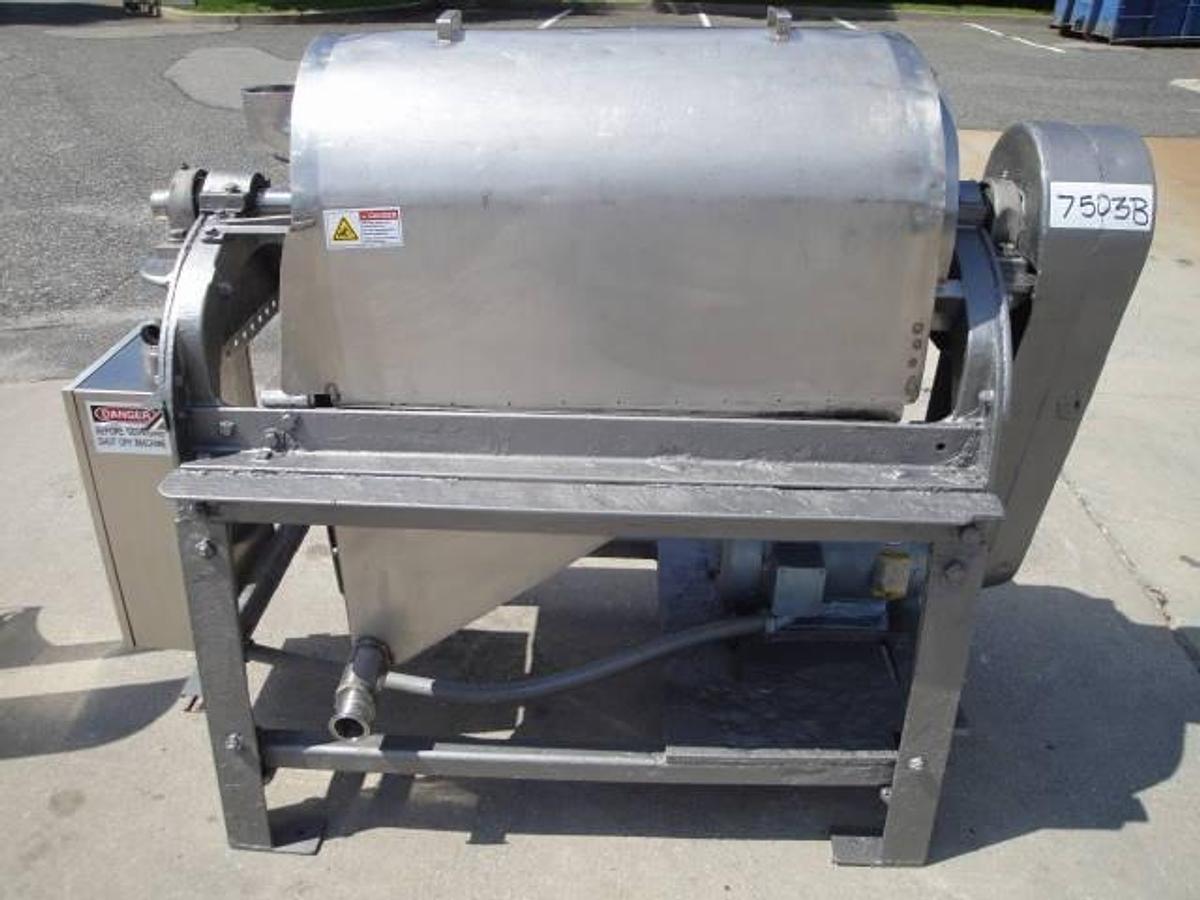
Langsenkamp has built a reputation over the years for producing filling and packaging machinery primarily aimed at the food, beverage, and condiment industries. Their equipment lineup includes fillers designed to handle a wide range of product viscosities, from thin liquids like juices and beverages to thick, high-viscosity products such as peanut butter, sauces, jams, and similar condiments. One example of their equipment is the Langsenkamp Pulper-Finisher, a stainless steel unit used for processing fruit and vegetable pulp in food production environments. Their machines are generally built with precision and speed in mind, accommodating various container types and production line configurations.
Beyond standard liquid fillers, Langsenkamp equipment is known for its heavy-duty construction, which makes it particularly well-suited for products that challenge lighter-duty filling machines. The mechanical design tends to be straightforward compared to some modern alternatives, which is one reason these machines hold up well over long operational lifespans and remain in demand on the used equipment market. Buyers looking at Langsenkamp machinery should confirm the specific model's intended product type and fill range, since their catalog has historically covered a fairly broad spectrum of food and beverage processing applications.
What industries use Langsenkamp filling and packaging equipment?
Langsenkamp filling and packaging machines have historically served the food, beverage, and condiment manufacturing industries. Their equipment is particularly well-regarded in segments that deal with viscous or semi-viscous products, including peanut butter, fruit preserves, hot sauces, salad dressings, tomato-based products, and similar goods. Beverage producers have also used Langsenkamp machinery for filling operations involving juices, nectars, and other liquid products that require precise volume control and consistent output across high production volumes.
The food processing side of their business extends to pulping and finishing applications as well, where equipment like their stainless steel Pulper-Finisher units is used to separate seeds, skins, and fiber from fruit and vegetable products before packaging. Because Langsenkamp machines are built for durability and tend to have long service lives, they show up frequently in secondary markets where food manufacturers are expanding capacity or replacing aging equipment on a budget. Any facility producing packaged food or beverage products at a commercial scale would likely find Langsenkamp equipment relevant to at least part of their processing line.
What should buyers know about purchasing used Langsenkamp machinery?
Buying used Langsenkamp filling and packaging equipment can be a cost-effective way to add proven, heavy-duty capacity to a production line, but there are a few things worth understanding before committing to a purchase. First, used machinery is sold as-is, which means the condition of the machine depends entirely on how it was maintained and operated by the previous owner. Buyers carry the responsibility of inspecting the equipment carefully, either in person, via video walkthrough, or through detailed photo documentation provided by the seller. Reputable used equipment dealers with a long track record in the food and beverage machinery space are generally a safer choice than less specialized sources, since they tend to have more knowledge about the specific equipment they are selling.
Second, parts availability is a real consideration with older Langsenkamp models. Before purchasing, it is worth contacting the manufacturer or a knowledgeable parts supplier to understand what components are still available and at what cost. Some older models may have limited support, which could affect long-term operating costs. Buyers should also factor in the full landed cost of the machine, including packaging, rigging, freight, and any installation or commissioning work needed once the equipment arrives at their facility. Getting clarity on all of these costs upfront prevents surprises after the sale is complete.
How can buyers inspect used Langsenkamp equipment before purchasing?
Used equipment dealers typically offer several inspection options to help buyers assess the condition of Langsenkamp machinery before committing to a purchase. In-person inspections are the most thorough option and are generally accommodated by reputable dealers, either at their own facility or, in some cases, at the plant where the equipment is currently installed. If the machine is still in active production at a third-party facility, arrangements can sometimes be made to observe it running under real operating conditions, which gives buyers a much clearer picture of its current working order.
For buyers who cannot travel, virtual inspections via video call or pre-recorded video walkthroughs are a common alternative. These can cover the machine's physical condition, key mechanical components, and any visible wear or damage. It is worth noting that most used equipment dealers are not set up to run production trials with actual product, since operating a food or beverage production line requires permits and certifications that a typical equipment dealer does not hold. The inspection process is therefore focused on evaluating the machine's mechanical condition, completeness of components, and overall state of maintenance rather than live product testing. Buyers should ask specific questions about the machine's history, any known issues, and the last time it was in active use.
What is the typical price range for used Langsenkamp filling and packaging machines?
Pricing for used Langsenkamp filling and packaging machinery varies considerably depending on the specific model, its age, condition, and the complexity of the equipment. Smaller or simpler units, such as single-head fillers or processing attachments, can sometimes be found in the lower thousands of dollars. Larger, more complex filling lines or specialized processing equipment like pulper-finishers in good working condition can command significantly higher prices, sometimes reaching into the tens of thousands depending on capacity and configuration.
The secondary market for Langsenkamp equipment tends to reflect the brand's reputation for durability. Machines that have been well-maintained and are still mechanically sound often hold their value better than comparable equipment from less established manufacturers. Buyers should also account for additional costs beyond the listed price, including freight, rigging for loading and unloading, crating or palletization, and any refurbishment or parts replacement needed after delivery. Getting a clear picture of the total landed cost before finalizing a purchase is important, since shipping and rigging for larger industrial filling equipment can add a meaningful amount to the overall investment.
How difficult is it to install and set up a used Langsenkamp filling machine?
Installation complexity for Langsenkamp filling machinery depends on the specific model and how it will be integrated into an existing production line. Langsenkamp equipment has historically been praised for its relatively straightforward mechanical design, which can make setup and commissioning more manageable compared to some highly automated or electronically complex alternatives. That said, any industrial filling machine requires proper utilities connections, such as compressed air, electrical supply, and in some cases water or steam, and those requirements should be confirmed before the machine arrives at the facility.
For used equipment specifically, buyers should plan for the possibility that some components may need adjustment, cleaning, or replacement before the machine is fully operational. It is a good idea to have a qualified technician or millwright involved in the installation process, particularly for larger or heavier units that require precise leveling and alignment. If the machine came from a different production environment, settings and configurations may need to be adapted to suit the buyer's containers, fill volumes, and product characteristics. Consulting with someone who has hands-on experience with the specific Langsenkamp model being purchased can save significant time during the commissioning process.
Are Langsenkamp filling machines capable of handling high-viscosity products?
Langsenkamp has built much of its reputation specifically around its ability to handle high-viscosity products that challenge standard filling equipment. Products like peanut butter, thick fruit preserves, tomato paste, salad dressings, and similar condiments require filling machinery that can move dense, sticky material consistently and accurately without jamming, stringing, or producing inconsistent fill weights. Langsenkamp machines have historically been engineered with this type of application in mind, using heavy-duty components and mechanical designs that hold up under the stress of continuous high-viscosity filling operations.
This capability is one of the main reasons Langsenkamp equipment remains in demand on the used machinery market. Facilities that produce viscous food products often find that Langsenkamp machines outperform lighter-duty alternatives that were not specifically designed for thick products. Buyers evaluating a specific used Langsenkamp model should confirm the viscosity range the machine was designed to handle, since different models within their lineup were built for different product types and output speeds. Matching the machine's design specifications to the actual product being filled is an important step in ensuring the equipment will perform as expected in the buyer's production environment.
What should buyers ask about parts availability for older Langsenkamp models?
Parts availability is one of the more important due-diligence questions for anyone considering a used Langsenkamp machine, particularly older models that may have been out of active production for years. The level of manufacturer support available for a specific machine can vary significantly based on its age and model number. Before purchasing, buyers are encouraged to contact Langsenkamp directly or reach out to industrial parts suppliers familiar with their equipment to get a realistic assessment of what wear components, seals, and mechanical parts are still stocked or can be fabricated.
Some older Langsenkamp models have a relatively simple mechanical design, which can actually work in the buyer's favor. Simpler machines tend to have fewer proprietary components, and some parts can be sourced from general industrial suppliers or fabricated locally if needed. However, more specialized components like custom filling heads, electronic controls on later models, or specific drive components may be harder to find. Asking the seller for any documentation, manuals, or spare parts that come with the machine is always worthwhile, since having even a partial set of spares can significantly reduce downtime risk during the machine's operational life.
What are the shipping and rigging considerations for used Langsenkamp filling equipment?
Shipping used industrial filling machinery like Langsenkamp equipment involves more planning than a typical freight shipment. The machines are heavy, often made with substantial stainless steel frames and mechanical assemblies, and need to be properly secured to prevent damage in transit. Sellers typically offer different levels of packaging, from basic palletization to full custom crating, and the cost will vary based on the protection level required for the specific machine and the distance it needs to travel. Buyers should ask for a clear breakdown of packaging and freight costs before finalizing a purchase so they understand the full landed cost of the equipment.
For larger Langsenkamp units, specialized rigging equipment is often needed for both loading at the seller's facility and unloading at the buyer's location. Forklifts with adequate capacity, cranes, or other heavy-lift equipment may be required depending on the machine's weight and dimensions. These rigging services carry an additional cost that should be factored into the budget. Buyers who are not experienced with receiving heavy industrial equipment should plan to have a qualified rigger or millwright on-site when the machine arrives to ensure it is safely unloaded and positioned without damage to the equipment or the facility.
What payment terms are typical when buying used Langsenkamp machinery from a dealer?
Most used equipment dealers require full payment before a machine is released for shipping. This is standard practice in the secondary industrial machinery market and applies to Langsenkamp filling and packaging equipment like any other used industrial purchase. The reasoning is straightforward: once a machine leaves a dealer's facility, it is difficult to recover if payment issues arise, and the logistics of returning heavy industrial equipment are costly and complicated. Buyers should be prepared to have funds available and cleared before expecting the machine to be scheduled for pickup or freight.
Some dealers may offer payment terms to established customers with a history of repeat purchases, but this is not common for first-time buyers. Buyers who are concerned about the condition of the equipment relative to the asking price should focus their energy on the inspection process rather than trying to negotiate payment contingencies after the fact. A thorough pre-purchase inspection, whether in person or via video, is the primary tool for managing risk in a used equipment transaction. Understanding exactly what you are buying before payment is made is far more effective than trying to negotiate remedies after the sale.