Category
Manufacturer
Model
Laborall
Laborall manufactures equipment for the packaging and food processing industries. Their product line includes vacuum sealers, food slicers, and labeling machines, designed to enhance efficiency in production lines. Laborall’s focus on quality ensures that their machines meet the demands of modern food processing.
FAQ:
What types of packaging equipment does Laborall manufacture?
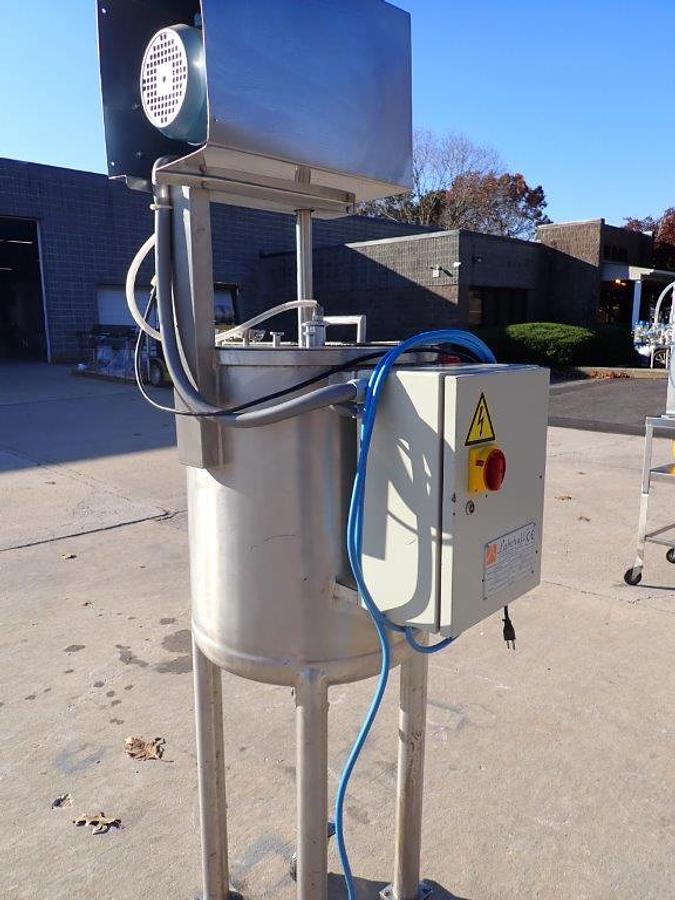
Laborall produces machinery for the packaging and food processing industries, with a product line that includes vacuum sealers, food slicers, labeling machines, and mixing tanks. Their equipment is designed to integrate into production lines and improve throughput efficiency across a range of processing tasks. The mix tanks, for example, are built in stainless steel construction, which is standard for food-grade and sanitary processing environments.
Beyond the core product categories, Laborall machines are built with the demands of modern food processing in mind, meaning they are generally suited for continuous-duty operation rather than occasional light use. Buyers looking at used Laborall equipment should review the specific model specifications carefully, as capacity, material compatibility, and automation level can vary significantly from one machine to the next.
What industries use Laborall packaging equipment?
Laborall equipment is primarily associated with the food processing and packaging industries. Their vacuum sealers, slicers, and labeling machines are well-suited for meat processing, deli operations, prepared foods, and similar applications where product freshness, portion accuracy, and label compliance are critical. The stainless steel construction on many of their machines also makes them appropriate for environments that require frequent washdowns and strict sanitation protocols.
Beyond food processing, Laborall equipment has found use in pharmaceutical and chemical packaging contexts, particularly where mixing, sealing, or labeling of perishable or sensitive materials is involved. Buyers from any of these sectors should verify that a specific used machine meets the relevant compliance standards for their application, such as GMP or CE requirements, before committing to a purchase.
Is used Laborall packaging equipment suitable for small businesses or only large operations?
Used Laborall equipment can work well for small and mid-sized operations, particularly businesses that need production-grade machinery but cannot justify the cost of purchasing it directly from a manufacturer. Buying used allows smaller food processors, butcher shops, specialty food producers, and contract packagers to access equipment that was originally built for higher-volume environments, often at a fraction of the cost.
That said, buyers should match the machine's rated capacity to their actual production needs. A vacuum sealer or slicer designed for high-volume continuous use may be more machine than a small operation requires, and running industrial equipment at very low utilization rates can sometimes complicate maintenance scheduling. Reviewing the specifications carefully and, where possible, arranging an inspection before purchase will help ensure the machine is a practical fit for the scale of the operation.
What should buyers inspect when purchasing used Laborall packaging equipment?
Before purchasing any used packaging equipment, buyers should prioritize getting an accurate picture of the machine's current mechanical condition. Most reputable used equipment dealers will accommodate in-person inspections, virtual walkthroughs, or video captures of the machine. If the equipment is still installed at a production facility, some dealers can arrange access to see it running in place. Keep in mind that dealers typically cannot run actual product through a machine during an inspection, as that requires production permitting they generally do not hold.
For Laborall machines specifically, key areas to assess include the condition of sealing components on vacuum sealers, blade wear on slicers, the integrity of stainless steel surfaces and welds on tanks and frames, and the functionality of any electronic controls or labeling mechanisms. Buyers should also contact the manufacturer directly to understand what parts and technical support are available for the specific model and age of the machine they are considering, since older models may have limited parts availability.
Are spare parts available for used Laborall packaging machinery?
Parts availability for used Laborall equipment depends largely on the age and model of the machine. For relatively recent models, manufacturers typically maintain parts inventories and can supply replacement components through authorized channels. Older or discontinued models may have more limited support, which is why it is worth contacting Laborall directly before purchasing a used machine to gauge what level of parts and technical assistance can realistically be expected.
Buyers should factor parts availability into the total cost of ownership calculation, not just the purchase price. A machine that is inexpensive upfront but difficult to source parts for can become costly to maintain over time. Consulting with a used equipment dealer who specializes in food processing and packaging machinery can also be helpful, as experienced dealers often have knowledge of which models have strong aftermarket support and which do not.
What is the typical price range for used Laborall packaging equipment?
Pricing for used Laborall equipment varies based on the type of machine, its age, condition, and the level of demand for that particular model. Smaller units like tabletop vacuum sealers or labelers tend to be available at lower price points, while larger or more specialized equipment such as stainless steel mixing tanks or high-capacity slicers will command higher prices. Condition plays a significant role, with machines that have been well-maintained and are in working order priced higher than those sold for parts or requiring significant reconditioning.
Buyers should also account for costs beyond the listed sale price. Shipping, rigging, and any required crating or palletization will add to the total landed cost of the equipment. If the machine needs any servicing or calibration after delivery, that should be budgeted for as well. Getting a full picture of all costs before committing to a purchase is the best way to avoid surprises.
How does the buying process work for used packaging equipment?
The process typically starts with identifying a machine that fits the buyer's production requirements, then requesting detailed information about its condition, specifications, and history from the dealer. Most reputable used equipment dealers will provide photos, video, or arrange a live inspection so buyers can assess the machine before making a decision. Once a buyer is satisfied with the condition and specs, the purchase is finalized, with most dealers requiring full payment prior to shipping.
After payment is confirmed, the dealer arranges for the machine to be packaged and shipped. Depending on the size and weight of the equipment, this may involve standard freight, flatbed trucking, or specialized rigging services for loading and unloading. Buyers should ask the dealer for a clear breakdown of packaging, rigging, and freight costs upfront so they understand the complete cost before the machine leaves the facility.
What should buyers know about shipping used packaging machinery?
Shipping industrial packaging equipment requires more planning than standard freight. Machines need to be properly secured, palletized, or crated to prevent damage during transit, and the level of packaging required will affect the shipping cost. Heavier or larger equipment, like stainless steel mixing tanks or commercial slicers, may require rigging equipment for loading at the origin and unloading at the destination, which adds to the overall cost.
Buyers should ask the dealer specifically about how the machine will be packaged, what rigging will be needed, and what the estimated freight cost is to their location. Understanding the full landed cost before finalizing a purchase is important, as shipping and handling for industrial equipment can be a meaningful portion of the total expenditure. Some dealers work with freight brokers who specialize in machinery, which can help streamline the logistics process.
What warranty coverage applies to used packaging equipment?
Used packaging equipment is typically sold on an as-is basis, which is standard practice across the used machinery industry. Manufacturers generally only extend warranty coverage to equipment purchased through authorized channels as part of a direct sale, and that coverage does not transfer to subsequent owners. This means the responsibility for verifying a machine's condition before purchase falls squarely on the buyer.
The best protection a buyer has is conducting a thorough inspection before committing to a purchase, working with a dealer who has a long track record in the packaging or food processing equipment space, and consulting with the manufacturer to understand what technical support and parts are available for the specific model. Choosing a dealer who specializes in the relevant industry, rather than a general auction or liquidation source, significantly reduces the risk of purchasing a machine with undisclosed issues.
How do stainless steel construction standards affect used food processing equipment purchases?
Stainless steel is the material of choice for food processing and packaging equipment because it resists corrosion, tolerates frequent cleaning with industrial sanitizers, and does not harbor bacteria in the way that other metals or coated surfaces can. Equipment built with 316-grade stainless steel, which is used in some Laborall mixing tanks, offers even greater corrosion resistance than the more common 304 grade, making it well-suited for applications involving acidic foods, brines, or aggressive cleaning agents.
When evaluating used stainless steel equipment, buyers should inspect welds, seams, and any areas where the surface may have been scratched or pitted, as these can become sites for bacterial buildup if not properly maintained. Surface condition is not just a cosmetic concern but a functional and regulatory one for food-contact applications. A machine that has been well-maintained and shows clean, intact stainless surfaces is generally a better candidate for food processing use than one with visible corrosion or damaged welds, regardless of how it performs mechanically.