Category
Manufacturer
Model
FAQ:
What types of pasta can be made with a La Prestigiosa pasta extruder?
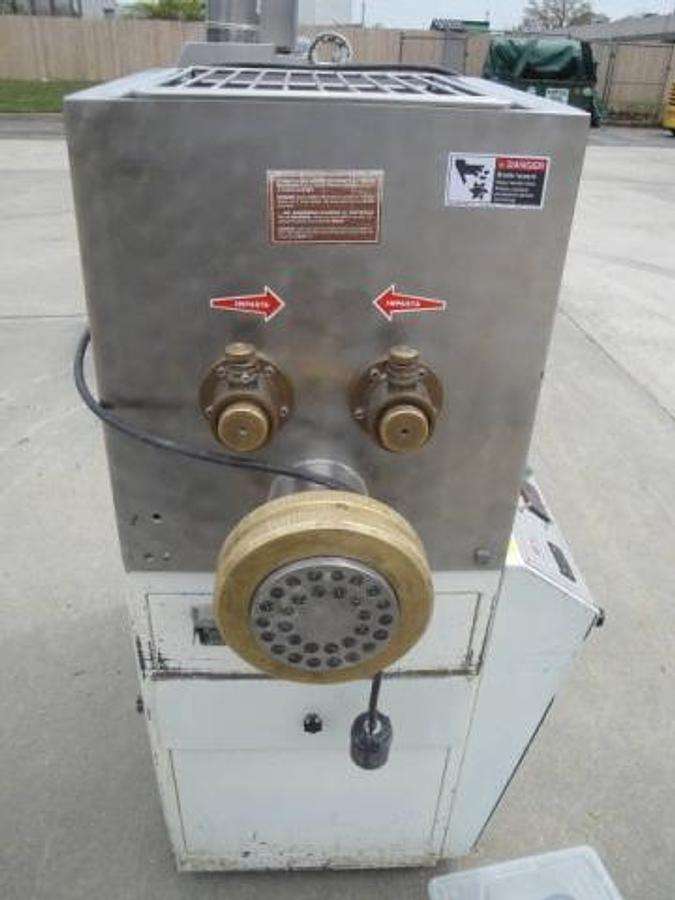
La Prestigiosa pasta extruders are built around interchangeable die systems, which means the range of pasta shapes a single machine can produce is quite broad. Common shapes include spaghetti, rigatoni, penne, fusilli, bucatini, and various regional formats, but the actual variety depends on which dies are available for a given unit. Used La Prestigiosa machines, such as the 3000 model, are often sold with assorted dies included, giving buyers a practical starting point without needing to source additional tooling immediately.
The dies used in La Prestigiosa machines are typically made from bronze, which is considered the preferred material among artisanal pasta producers. Bronze dies create a slightly rougher surface texture on extruded pasta compared to Teflon-coated alternatives. That rougher texture is not just aesthetic, it physically helps sauces cling to the pasta rather than sliding off, which is a meaningful difference in finished dish quality. For restaurants, pasta shops, or catering operations where sauce adherence and mouthfeel matter, this is a genuine production advantage worth factoring into an equipment decision.
Is La Prestigiosa pasta equipment designed for commercial use or home use?
La Prestigiosa machines are positioned squarely in the professional and semi-professional market. The equipment is built to handle the kind of continuous, high-volume production that restaurants, fresh pasta shops, and catering businesses depend on daily. The construction standards, motor capacity, and material specifications reflect commercial food production requirements rather than occasional home kitchen use. That said, serious culinary enthusiasts or small-batch artisan producers sometimes seek out this type of equipment when they need output and consistency that consumer-grade machines simply cannot deliver.
When buying a used La Prestigiosa machine, it is worth thinking carefully about the scale of production you actually need. Commercial pasta extruders are engineered for sustained operation, and running one at a fraction of its capacity is not necessarily a problem, but the footprint, power requirements, and cleaning demands are all calibrated for a professional environment. Prospective buyers should review the machine's specifications, particularly motor rating and hourly output figures, to confirm the unit fits their production volume before committing to a purchase.
What is the build quality and material construction of La Prestigiosa pasta machines?
La Prestigiosa machines are generally constructed with stainless steel housings and food-grade contact surfaces, which is the standard expectation for commercial pasta equipment intended for use in regulated food production environments. Stainless steel resists corrosion, tolerates the moisture and flour dust inherent in pasta production, and is far easier to sanitize than painted or powder-coated alternatives. The extrusion components that come into direct contact with dough are typically designed to meet food safety standards applicable in professional kitchens and food manufacturing facilities.
For buyers considering used equipment, the material quality of La Prestigiosa machines is actually a meaningful factor in their long-term value. Stainless steel construction holds up well over years of use, and a machine that has been properly maintained should still present clean, intact surfaces even after significant production history. When inspecting a used unit, it is advisable to pay close attention to the condition of the extrusion chamber, auger, and die-mounting components, as these areas see the most mechanical stress and wear during normal operation.
What should buyers know about warranties on used La Prestigiosa pasta equipment?
Used pasta equipment, including La Prestigiosa machines, is typically sold on an as-is basis. Warranties are generally offered only by manufacturers on equipment sold through authorized channels, and that coverage does not transfer when a machine changes hands on the secondary market. This is standard practice across the used industrial food equipment industry, not something specific to any one dealer or brand. The practical implication is that the burden of due diligence falls on the buyer, which makes thorough inspection and careful dealer selection more important than it might be with a purchase from a manufacturer.
Buyers can reduce their risk by working with dealers who have a long, verifiable track record in food processing or pasta equipment specifically, and by taking full advantage of inspection opportunities before finalizing a purchase. Most reputable used equipment dealers will accommodate in-person inspections, video walkthroughs, or photo documentation of the machine's current condition. It is also worth contacting La Prestigiosa or their authorized service network directly to understand what parts and technical support remain available for the specific model being considered, since older or discontinued models may have more limited support options than current production units.
What is the approximate output capacity of a La Prestigiosa commercial pasta extruder?
Output capacity on commercial pasta extruders varies considerably depending on the model, motor size, and the specific pasta shape being produced. Larger commercial extruders in this category can typically produce anywhere from 15 to 60 kilograms of fresh pasta per hour under normal operating conditions, though the exact figure for any given La Prestigiosa unit depends on its model specifications. Shapes with more complex die geometry or thicker walls generally reduce throughput compared to simpler formats like spaghetti or straight tube pasta.
For a used machine like the La Prestigiosa 3000, prospective buyers should request the original technical specifications if available, or cross-reference the model number with manufacturer documentation to get accurate capacity figures. Keep in mind that a used machine's real-world output may differ slightly from rated capacity depending on its condition, the age and wear of the extrusion screw, and the consistency of the dough being processed. If possible, arranging a video inspection that shows the machine running can give a much clearer picture of actual production speed than spec sheets alone.
Are replacement dies and spare parts readily available for La Prestigiosa pasta machines?
Parts availability for La Prestigiosa equipment depends heavily on the age and model of the machine in question. For relatively recent models, La Prestigiosa and their authorized service partners can often supply bronze dies, extrusion screws, and wear components. Bronze dies in particular do wear over time, as the repeated friction of dough passing through them gradually smooths the surface texture that makes them valuable in the first place. Knowing the current condition of the dies included with a used machine is therefore an important part of evaluating the true cost of ownership.
For older or discontinued La Prestigiosa models, parts sourcing can become more complicated. Some buyers work with third-party die manufacturers who can produce custom bronze dies to match specific die hole patterns, which extends the usable life of machines that might otherwise be difficult to support. Before purchasing a used La Prestigiosa extruder, it is a good idea to contact the manufacturer directly and ask specifically about parts availability for that model, including lead times and pricing. This conversation can reveal a lot about the long-term supportability of the machine and help buyers avoid investing in equipment that could be difficult or expensive to maintain.
How should a used La Prestigiosa pasta machine be inspected before purchase?
Inspecting a used commercial pasta extruder requires looking at both mechanical condition and food-contact surface integrity. Key areas to examine include the condition of the extrusion screw and barrel, which are subject to significant wear during normal operation, the state of the bronze dies, the motor and drive system, and any seals or gaskets that prevent dough from migrating into areas it should not reach. Visible corrosion, cracks in the extrusion chamber, or excessive play in the auger are all signs that may indicate the machine has had a hard service life or has not been properly maintained.
Most reputable used equipment dealers will facilitate inspections either in person or via video. Some machines may still be installed and operational at the facility where they were used, which creates an opportunity to see the unit running under actual production conditions. It is worth noting that equipment dealers generally do not have the permitting required to run full production tests with food-grade ingredients, so video of the machine cycling through its mechanical functions is typically the closest buyers can get to a live demonstration outside of an active production facility. Buyers should ask for detailed photographs of all wear components, request the machine's service history if available, and factor inspection findings directly into their offer price.
What are the typical shipping and logistics considerations for a used commercial pasta extruder?
Commercial pasta extruders are heavy, precision machines, and shipping them without proper preparation is one of the more common ways buyers end up with damaged equipment. Proper packaging, whether palletized or fully crated, is essential, and the level of protection required will affect the overall shipping cost. Larger or heavier units may require specialized rigging for loading and unloading, which typically adds to the total landed cost of the machine. Buyers should ask the seller specifically what packaging method will be used and whether rigging is included or billed separately, since these costs can be meaningful on heavy industrial equipment.
For international shipments, additional considerations include customs documentation, import duties, and compliance with any food equipment import regulations in the destination country. Freight costs for commercial pasta equipment can vary significantly based on machine weight, dimensions, destination, and the carrier used. Getting a clear picture of the full landed cost before agreeing to a purchase price is important, since a machine that looks attractively priced can become less compelling once freight, rigging, and any import fees are factored in. Asking the dealer for a detailed freight quote to your specific location is the most reliable way to understand the true total cost.
What payment terms are typical when buying used pasta equipment from a dealer?
The standard practice among used industrial equipment dealers is to require full payment before a machine ships. This applies across the industry and is not specific to any particular type of equipment or geography. The rationale is straightforward: once a machine leaves the dealer's facility, they have limited ability to recover it if payment falls through, so payment in full before shipment is the norm rather than the exception. Buyers who have established a prior purchasing relationship with a dealer may occasionally be offered different arrangements, but first-time buyers should expect to pay in full upfront.
Accepted payment methods vary by dealer but commonly include wire transfer, which is the most widely used method for large equipment transactions due to its reliability and speed. Buyers should clarify payment terms, accepted methods, and any deposit requirements at the start of the conversation rather than at the point of finalizing a purchase. Understanding these terms early prevents surprises and allows buyers to arrange financing or fund transfers with enough lead time to complete the transaction without delays.
How should a used La Prestigiosa pasta machine be cleaned and maintained after purchase?
Proper cleaning of a commercial pasta extruder is critical both for food safety and for the longevity of the machine's components. After each production run, residual dough should be cleared from the extrusion barrel, screw, and dies before it dries and hardens. Dried dough in the extrusion chamber is significantly more difficult to remove and can cause uneven pressure during subsequent runs or accelerate wear on the screw and barrel surfaces. Most operators run a small amount of plain dough through the machine at the end of a session to push residual product out before disassembly and cleaning.
Bronze dies require particular attention because their porous surface, which is what creates the desirable rough pasta texture, can trap flour and dough particles if not cleaned promptly. Many pasta producers use a stiff brush and warm water to clean dies rather than soaking them, since prolonged water exposure can affect the metal over time. Lubricating moving parts according to the manufacturer's recommendations, checking drive belts and motor connections periodically, and inspecting the extrusion screw for wear are all part of routine maintenance that keeps a machine running reliably. For a used machine, establishing a baseline by having a qualified technician inspect and service the unit shortly after purchase is a practical way to identify any existing issues and set a maintenance schedule going forward.