Category
Manufacturer
Model
La Parmigiana
La Parmigiana specializes in equipment for the dairy industry, particularly in cheese production. Their machines include curd cutters, cheese presses, and packaging systems, all designed to enhance the quality and efficiency of cheese-making processes. La Parmigiana is recognized for its commitment to traditional methods blended with modern technology.
FAQ:
What types of equipment does La Parmigiana manufacture?
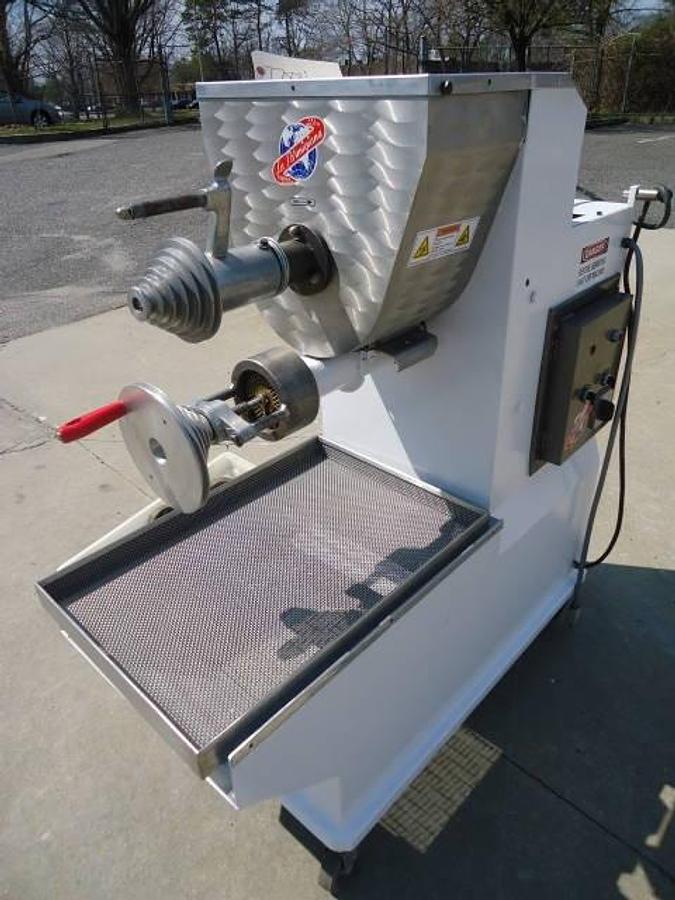
La Parmigiana is an Italian manufacturer based in Fidenza, Italy, with a long history of producing professional-grade pasta-making and food processing equipment. Their product line covers a wide range of machinery, including pasta extruders, pasta sheet (sfoglia) machines, ravioli-making equipment, pasta mixers, shakers, pre-dryers, and packaging systems. They are particularly well regarded for their sfoglia machines, which are used extensively in Italian restaurants, pasta shops, and commercial food production facilities. The D80 and D80N series pasta extruders, capable of producing around 80 kg of pasta per hour, are among the most recognized models in their lineup.
Beyond pasta production, La Parmigiana has also developed equipment for the dairy industry, including curd cutters, cheese presses, and dairy packaging systems. The brand is recognized for blending traditional Italian food-making methods with modern mechanical engineering, which has made their machines a preferred choice for artisan producers and large-scale commercial operations alike. Their equipment is considered premium and professional-grade, which places it above entry-level competitors in terms of both price and long-term durability.
What is the production capacity of La Parmigiana pasta extruders?
La Parmigiana pasta extruders are built for commercial output, and their capacity varies by model. The D80, D80N, and D80S series extruders are rated at approximately 80 kilograms of pasta per hour, making them well suited for mid-to-large-scale pasta production in restaurants, pasta shops, and food manufacturing facilities. This output level is far beyond what a countertop or semi-professional machine can achieve, and it allows operators to run consistent, high-volume production shifts without frequent stops or manual intervention.
For buyers evaluating used La Parmigiana extruders, it is worth noting that actual throughput can be influenced by the type of pasta being produced, the dies in use, and the condition of the machine. When purchasing used equipment, requesting a video inspection or, where possible, an in-person visit to see the machine in its current state can help buyers assess whether the unit is operating at or near its rated capacity. Some machines may still be installed and running at a production facility at the time of sale, which can provide a clearer picture of real-world performance.
Are used La Parmigiana machines a good investment for a commercial pasta operation?
Used La Parmigiana machines are widely regarded as a strong investment in the secondary market, largely because the brand builds equipment to a high mechanical standard that holds up over many years of production use. Their machines retain value well compared to lower-tier competitors, and it is common to find units that have been in service for a decade or more that still perform reliably when properly maintained. For a pasta shop, restaurant, or food manufacturer looking to control startup costs without sacrificing output quality, a used La Parmigiana extruder or sheeting machine can offer a practical path to professional-level production.
That said, buying used industrial equipment requires due diligence. Since used machines are sold as-is, buyers carry the responsibility of inspecting the equipment thoroughly before committing to a purchase. Choosing a reputable used equipment dealer with a track record in the food processing or pasta equipment space is an important first step. Buyers should also contact La Parmigiana directly or consult with a qualified technician to understand parts availability and manufacturer support for the specific model and age of the machine they are considering, as older models may have more limited parts access than more recent ones.
What should buyers inspect when purchasing a used La Parmigiana pasta extruder?
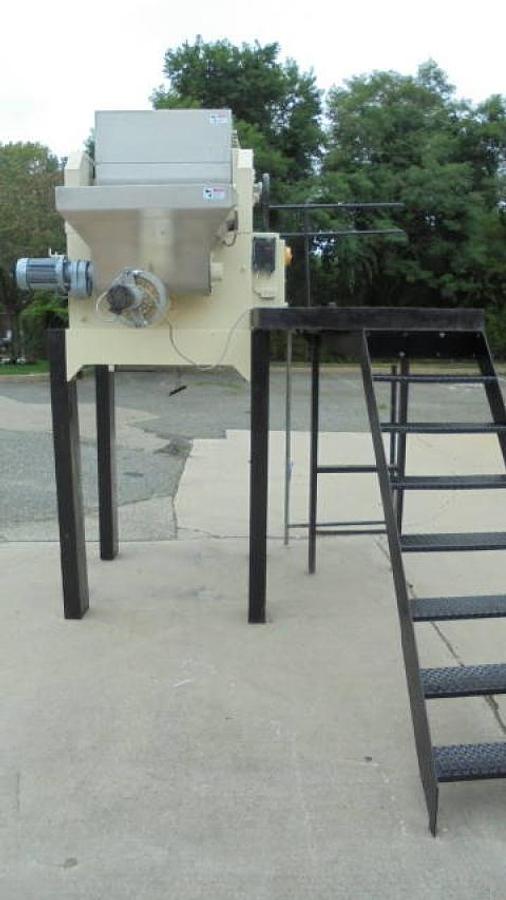
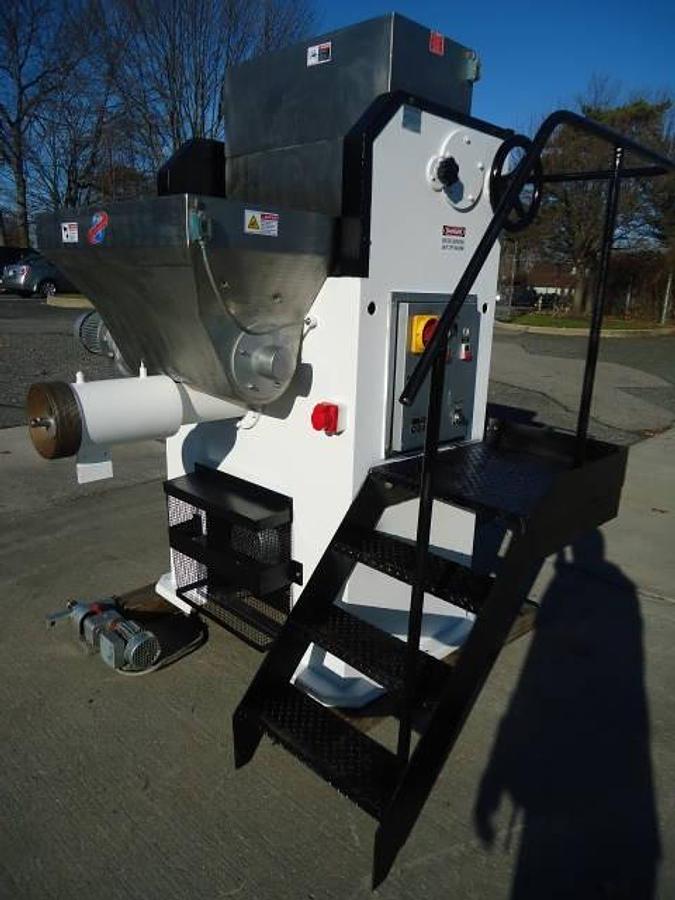
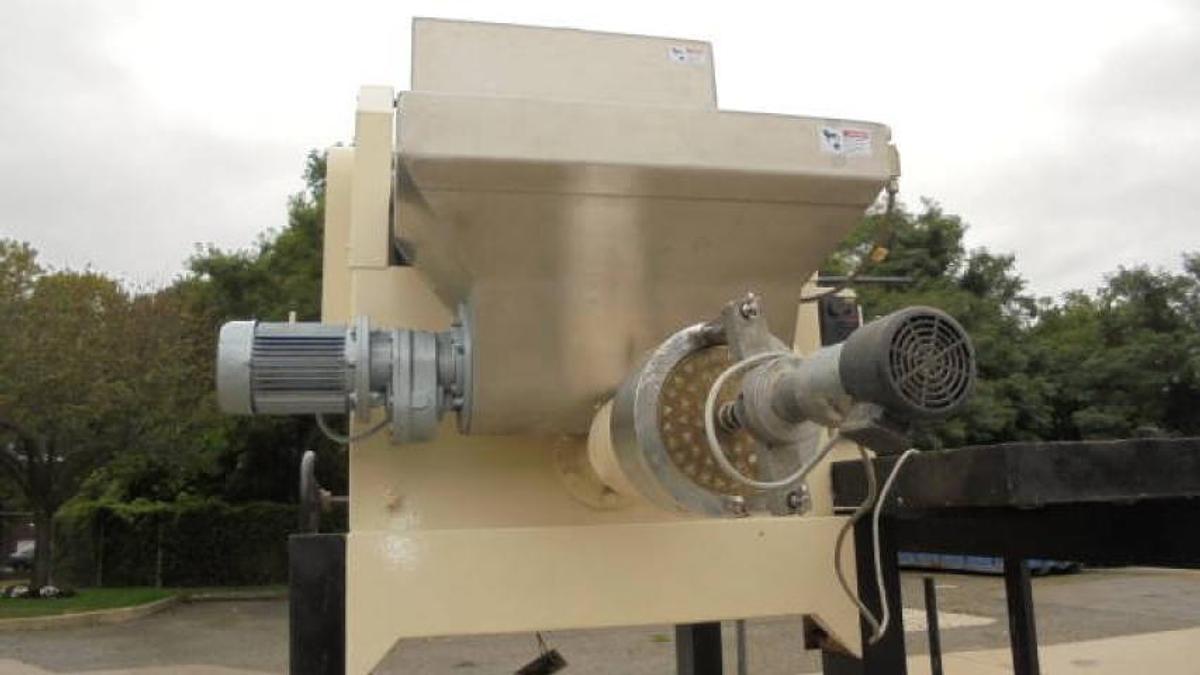
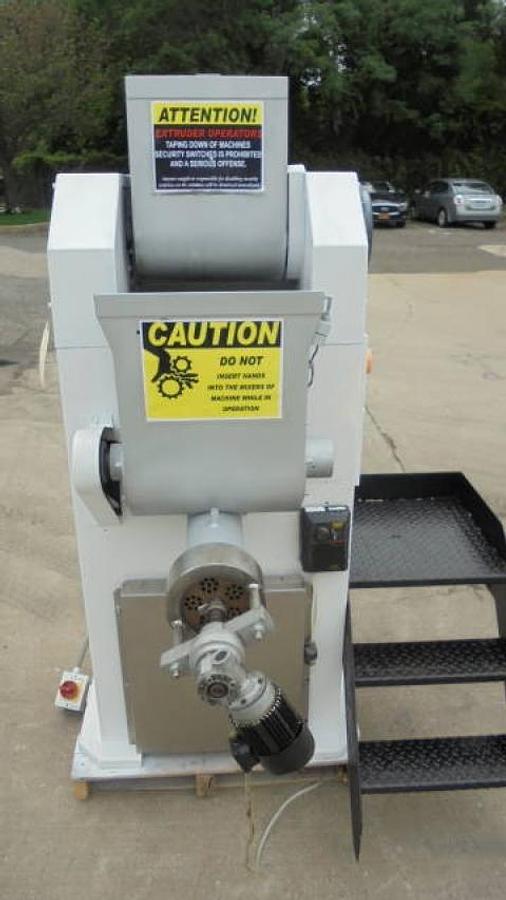
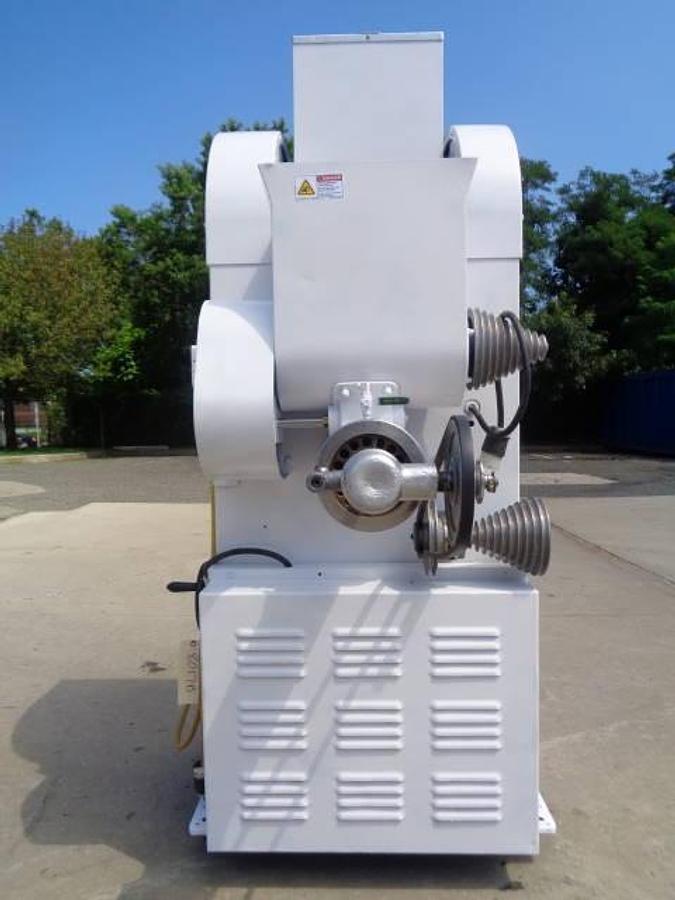
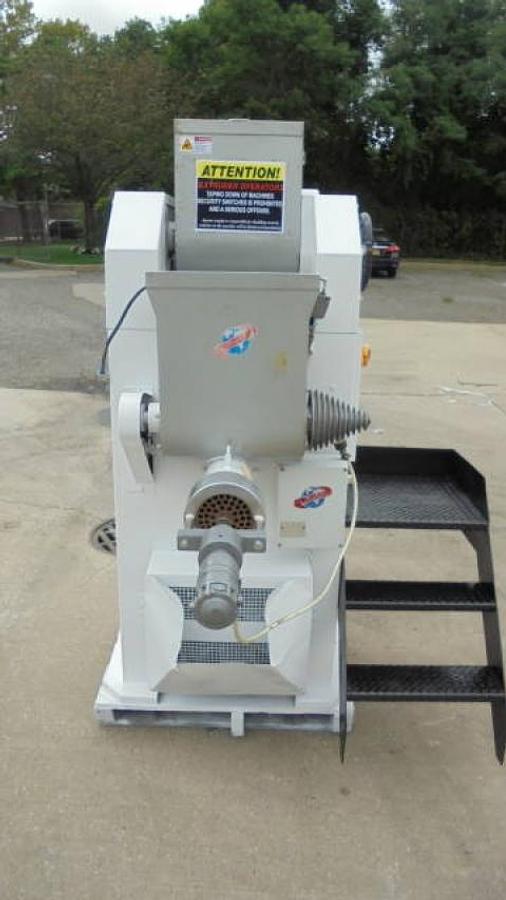
A thorough inspection of a used La Parmigiana pasta extruder should cover both mechanical and operational aspects of the machine. Key areas to examine include the condition of the extrusion barrel and screw, the state of the dies and die plate, the integrity of the mixing and kneading components, and the electrical controls and motor. Worn or damaged extrusion screws can significantly affect pasta quality and output consistency, so this is one of the most important components to evaluate. If the machine comes with assorted dies, buyers should verify that the dies are in usable condition and compatible with the pasta shapes they intend to produce.
Most reputable used equipment dealers will accommodate in-person inspections or, at minimum, video walkthroughs of the machine. Some machines may still be installed at a production facility, where a live demonstration can be arranged. Keep in mind that dealers typically do not have production permits that would allow them to run actual food product through the machine at their own facility, so live product testing is not always possible. Buyers should use inspection opportunities to check for signs of wear, corrosion, previous repairs, and any missing components. Consulting with a La Parmigiana technician or an independent service professional before finalizing a purchase is always a sound approach.
What is the typical price range for used La Parmigiana equipment?
Pricing for used La Parmigiana equipment varies considerably depending on the model, age, condition, and the specific configuration of the machine. Compact pasta mixers and portable extruder units tend to sit at the lower end of the price spectrum, while fully configured D80-series extruders with multiple dies, pre-dryers, or integrated shaker systems command higher prices given their output capacity and the complexity of the equipment. Because La Parmigiana is a premium Italian brand, even used units tend to be priced above comparable machines from lesser-known manufacturers, which reflects the brand's reputation for durability and production quality.
Buyers should factor in more than just the listed sale price. Shipping, rigging, and crating costs for industrial pasta equipment can add meaningfully to the total landed cost, particularly for larger or heavier machines that require specialized loading and unloading equipment. Asking the dealer for a full breakdown of packaging, freight, and rigging costs before agreeing to a purchase helps avoid surprises. Payment terms for used industrial equipment typically require payment in full before the machine ships, so buyers should be prepared to complete the transaction upfront.
What is a La Parmigiana Trabatto shaker and pre-dryer, and what role does it play in pasta production?
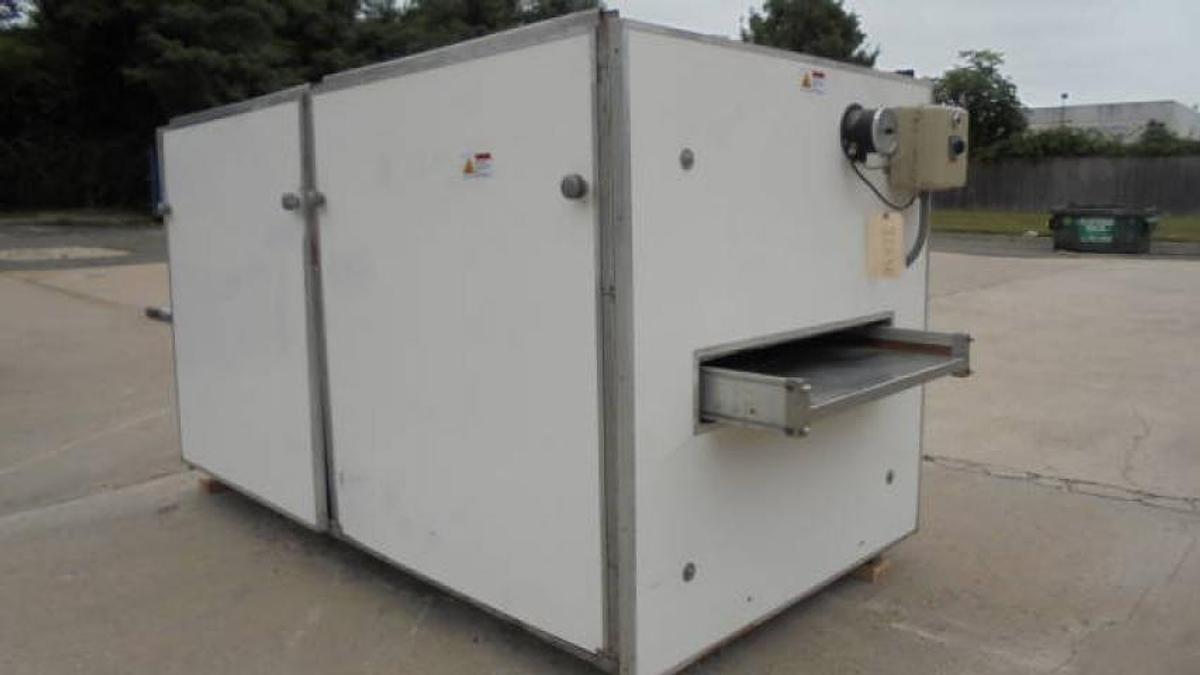
A trabatto is a mechanical shaking and pre-drying unit used in commercial pasta production lines to handle freshly extruded pasta before it moves into the final drying stage. La Parmigiana's Trabatto Shaker/Pre-Dryer, such as the 5-deck model available on the used market, separates and aerates freshly extruded pasta strands or shapes to prevent them from sticking together. This step is critical for maintaining consistent pasta quality, particularly at higher production volumes where clumping or uneven drying can lead to product defects or waste.
The multi-deck design of the 5-deck unit allows pasta to travel through several layers of controlled airflow and vibration, giving it time to firm up slightly before entering the main drying tunnel or cabinet. This pre-drying phase reduces the moisture content of the pasta surface just enough to stabilize its shape without cracking or over-drying. For operations running a continuous production line, a trabatto is a key piece of equipment that sits between the extruder and the dryer. When evaluating a used trabatto, buyers should inspect the deck surfaces, the vibration mechanism, and the airflow system to confirm that all components are intact and functional.
How does La Parmigiana equipment compare to other commercial pasta machine brands?
La Parmigiana occupies a well-established position in the professional pasta equipment market, particularly in Europe and among Italian food producers. The brand is often compared to other Italian manufacturers like Imperia, Arcobaleno, and Dominioni, but La Parmigiana is generally positioned at the higher end of the commercial spectrum, with machines built for sustained production use rather than occasional or light-duty operation. Their extruders and sfoglia machines are known for consistent output quality and mechanical longevity, which is why used units continue to attract buyers even after many years of service.
For buyers choosing between brands on the used market, the key considerations are parts availability, local technical support, and the specific type of pasta being produced. La Parmigiana has a strong reputation for sfoglia (sheet pasta) and extruded pasta formats, and their machines handle a wide range of pasta types well. However, buyers should verify with the manufacturer or a qualified technician what level of support is available for the specific model they are considering, since older or discontinued models may have more limited parts availability than current production models. Selecting a dealer who specializes in food processing or pasta equipment, rather than a general machinery reseller, can also make a meaningful difference in the quality of guidance and post-sale support available.
What does it mean that used La Parmigiana machines are sold 'as-is', and how should buyers protect themselves?
When used industrial equipment is sold as-is, it means the machine is being transferred in its current condition, without any representation that it will perform to a specific standard after the sale. Unlike purchasing from a manufacturer, there is no coverage for defects or performance shortfalls that emerge after the transaction closes. This is standard practice in the used equipment industry and places the responsibility for evaluating the machine's condition squarely on the buyer before the purchase is finalized.
The most effective way to protect against a poor outcome is to take the inspection process seriously. Reputable used equipment dealers will typically offer in-person inspections, video walkthroughs, or photo documentation of the machine. Buyers who cannot visit in person should request detailed video footage showing the machine's key components and, where possible, the unit running under power. Engaging an independent technician familiar with La Parmigiana equipment to review inspection materials adds another layer of confidence. Buyers should also reach out to La Parmigiana directly to understand what parts and technical support are available for the model in question, since parts availability can vary significantly based on the age and production history of a specific unit. Working with a dealer who has a long track record in food processing equipment is one of the strongest indicators that the transaction will be handled professionally.
What are the shipping and logistics considerations for buying a used La Parmigiana machine?
Shipping industrial pasta equipment requires more planning than standard freight. La Parmigiana extruders, shakers, and multi-component production units are heavy, sometimes awkwardly shaped, and sensitive to damage from improper handling during transit. Proper crating or palletization is essential, and the level of packaging required will influence the overall shipping cost. Buyers should ask the dealer specifically how the machine will be packaged and whether professional crating is included in the quoted price or billed separately.
For larger or heavier machines, specialized rigging equipment may be needed to load the unit onto a truck and unload it at the destination. Rigging costs are typically charged in addition to freight and can vary based on the weight of the machine, the accessibility of the loading dock or facility, and the distance involved. Buyers should request a full breakdown of all costs, including packaging, rigging, and freight, before agreeing to a purchase so they have a clear picture of the total landed cost. International shipments add further complexity, including customs documentation, import duties, and compliance with destination-country electrical standards, all of which should be clarified with the dealer before the sale is finalized.
What payment terms should buyers expect when purchasing used La Parmigiana equipment?
Payment terms in the used industrial equipment market are generally straightforward: most dealers require payment in full before the machine is released for shipping. This is standard practice across the industry and applies whether the buyer is purchasing a single pasta extruder or a multi-component production line. Some dealers may extend credit terms or deferred payment arrangements to buyers with whom they have an established purchasing history, but first-time buyers should plan to pay the full amount upfront.
Accepted payment methods vary by dealer but commonly include bank wire transfer, certified funds, or other forms of verified payment. Credit card payments may be accepted in some cases, though dealers handling high-value equipment transactions often prefer wire transfers for larger purchases. Buyers should confirm payment details directly with the dealer before proceeding and should ensure that they have received adequate documentation of the machine's condition, including photos or video, before releasing funds. Given that used equipment is sold as-is, completing due diligence before payment is far more practical than attempting to resolve disputes after the fact.