Category
Manufacturer
Model
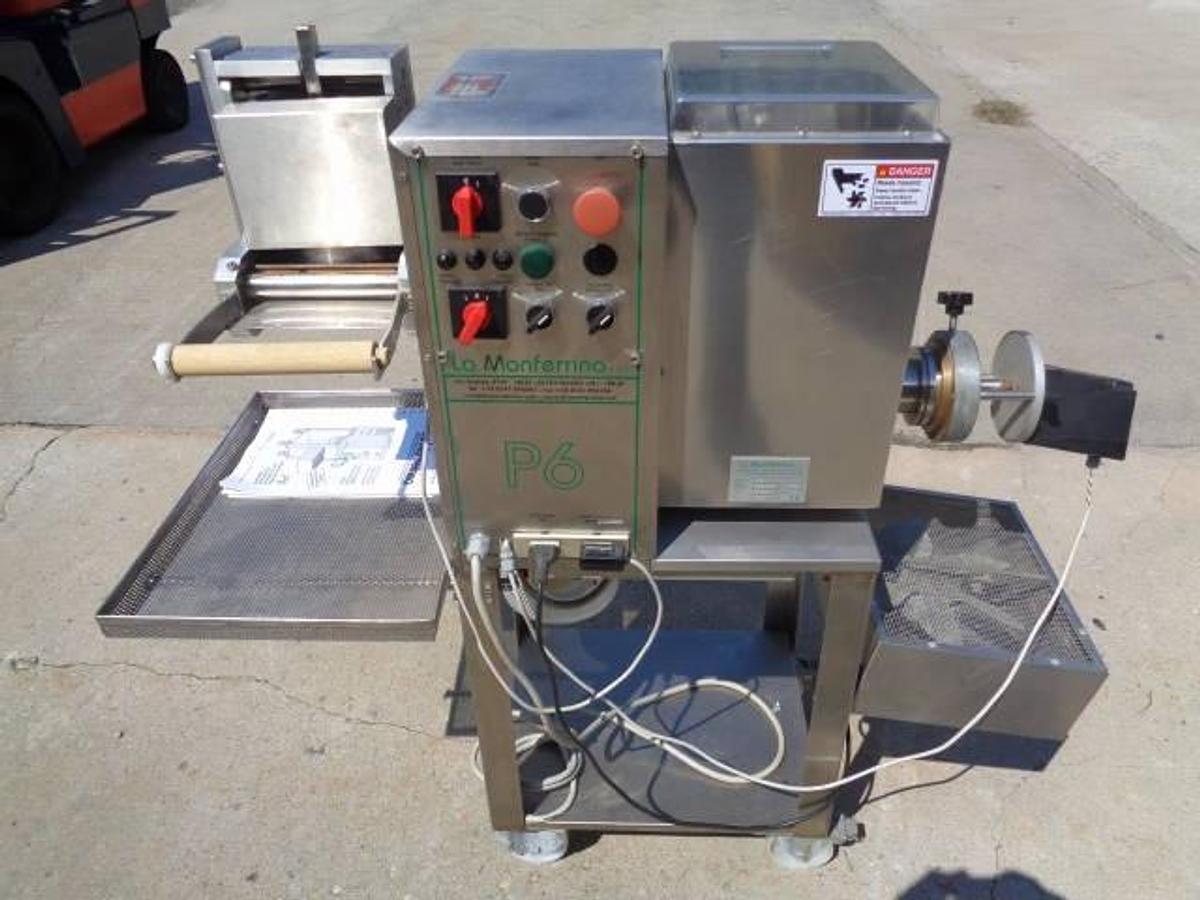
La Monferrina
La Monferrina is an Italian company that manufactures artisanal pasta machines, catering to the food industry. They are known for their traditional craftsmanship combined with modern technology, producing equipment that allows for the creation of high-quality pasta. La Monferrina’s machines are popular among chefs and small-scale producers.
FAQ:
What is La Monferrina and where are their pasta machines manufactured?
La Monferrina is an Italian pasta equipment manufacturer rooted in the Monferrato region of Piedmont, Italy. The company's name reflects its geographic heritage, and that connection to one of Italy's most celebrated food regions is part of what gives the brand its strong credibility among culinary professionals. La Monferrina produces artisanal pasta machines that blend traditional Italian craftsmanship with modern mechanical engineering, and their equipment is well regarded in both the professional food service industry and among serious small-scale producers.
The brand has built a reputation for producing machines that prioritize pasta quality above all else. One of their most notable design choices is the use of bronze dies rather than Teflon-coated alternatives. Bronze dies create a slightly rough, porous surface texture on extruded pasta, which allows sauces to cling more effectively. This is considered a mark of quality in traditional Italian pasta production and is one reason why La Monferrina machines are popular with chefs who care about the finished product, not just the output volume.
What types of pasta can a La Monferrina machine produce?
La Monferrina machines are designed around an interchangeable die system, which means a single machine can produce a wide variety of pasta shapes depending on which die is installed. Common shapes include spaghetti, tagliatelle, rigatoni, penne, fusilli, and many regional Italian formats. Some models also support ravioli attachments, allowing operators to produce filled pasta in addition to extruded shapes. This flexibility makes the machines particularly appealing for restaurants and small producers who want to offer a rotating pasta menu without investing in multiple pieces of equipment.
The extrusion-based design used in most La Monferrina models is well suited to both fresh and semi-dry pasta production. The mixing and extrusion process is handled by a motor-driven system, which ensures consistent dough pressure through the die and produces uniform pasta shape and texture across a full batch. For operations that need to produce multiple pasta shapes regularly, building up a collection of dies over time is a practical and cost-effective approach, since individual dies can typically be sourced separately from the machine itself.
What is the difference between La Monferrina home models and commercial models?
La Monferrina produces equipment across a spectrum of capacities, from machines designed for home or enthusiast use up to units built for continuous commercial production. Entry-level home models are generally more compact, operate at lower hourly output capacities, and are priced accordingly, typically starting around $500. Commercial-grade models are built with heavier-duty motors, larger mixing chambers, and components rated for sustained daily use in a professional kitchen or food production environment. These machines can run significantly higher in price, often $3,000 or more depending on the configuration and included accessories.
For a small restaurant, catering operation, or artisanal pasta producer, the commercial models are generally the appropriate choice. They are engineered to handle the kind of repetitive, high-volume workload that a professional setting demands, whereas home models may wear prematurely under that kind of stress. The key differences to evaluate are motor power, hopper capacity, hourly output in kilograms, and the range of compatible dies. When shopping for a used La Monferrina machine, understanding which tier the specific model falls into is essential for matching the equipment to the intended application.
Is a La Monferrina pasta machine suitable for a small restaurant?
La Monferrina's commercial-grade models are well suited to small restaurant use. Their motor-driven extrusion design handles the kind of consistent, repeated production that a restaurant kitchen requires, and the interchangeable die system allows a single machine to cover multiple menu items. A small trattoria, pasta shop, or farm-to-table restaurant that makes fresh pasta in-house daily would find a commercial La Monferrina model capable of meeting that demand without the limitations of a home-grade machine.
That said, matching the right model to the specific production volume is important. A restaurant producing pasta for 30 covers per night has very different needs than one serving 150. When evaluating a used La Monferrina machine for restaurant use, buyers should look closely at the motor rating, the hourly output capacity listed in the specifications, and the overall mechanical condition of the unit. Consulting with the seller about the machine's prior use history, such as whether it came from a similar food service environment, can also help buyers assess whether the machine is appropriately sized and conditioned for the intended workload.
Why do La Monferrina machines use bronze dies instead of Teflon dies?
Bronze dies are a deliberate design choice tied directly to pasta quality. When dough is extruded through a bronze die, the slightly abrasive surface of the bronze creates micro-texture on the outside of the pasta strand or shape. This rough surface is not visible to the naked eye in a dramatic way, but it has a meaningful effect on how the pasta behaves on the plate. Sauce adheres to the textured surface far better than it does to pasta made with smooth Teflon dies, which tends to have a slicker, more uniform finish.
Teflon dies are faster to clean and produce pasta at a slightly higher throughput because dough moves through them with less resistance. For mass industrial production, that efficiency matters. But for chefs and producers focused on quality and flavor, bronze dies are considered the superior option, and they are the standard in traditional Italian pasta making. La Monferrina's commitment to bronze die extrusion is one of the reasons the brand has a strong following among culinary professionals who want finished pasta that performs the way traditionally crafted pasta should.
How much does a used La Monferrina pasta machine typically cost?
Pricing for used La Monferrina pasta machines varies based on the model, its production capacity, the accessories included, and its overall condition. Entry-level models originally designed for home or light commercial use tend to sell used at lower price points, while larger commercial extruders with full die sets and attachments like ravioli-making equipment will command significantly more. As a general reference, La Monferrina machines in the commercial tier were priced from roughly $3,000 or more when sold as new equipment, so used pricing depends heavily on age, hours of use, and what is included with the sale.
Buyers should factor in more than just the machine price when budgeting for a used unit. Shipping costs for pasta extruders can be substantial depending on the machine's weight and the crating or palletization required for safe transport. If additional dies or attachments are not included with the machine, those will be additional expenses. Getting a clear picture of the total landed cost, including the machine price, freight, and any accessories needed to start production, is an important step before committing to a purchase.
What should buyers look for when inspecting a used La Monferrina pasta machine?
A thorough inspection is the most important step in buying used pasta equipment. For La Monferrina machines, key areas to evaluate include the condition of the motor, the integrity of the mixing chamber and extrusion barrel, the state of any included dies, and the overall cleanliness of the unit. Food equipment that has not been properly cleaned and maintained can have residual buildup in hard-to-reach areas of the extrusion system, which affects both hygiene and performance. Buyers should ask the seller for as much documentation as possible about the machine's service and cleaning history.
Reputable used equipment dealers will typically offer inspection options, either in person at their facility, or through video walkthroughs and detailed photo documentation. Some machines may still be located at the facility where they were last used, and in those cases an in-person inspection can sometimes be arranged at the original site. Keep in mind that most used equipment dealers are not set up to run live production tests, since food manufacturing requires different permitting and facility standards than an equipment resale operation. The goal of any inspection is to get an accurate picture of the machine's current mechanical condition so the buyer can make an informed decision.
Are replacement dies and accessories available for La Monferrina pasta machines?
La Monferrina machines are built around an interchangeable die system, and additional dies for shapes like rigatoni, fusilli, penne, spaghetti, and tagliatelle can typically be sourced to expand a machine's capabilities over time. Some models also support attachments for producing filled pasta such as ravioli. When buying a used machine, it is worth noting which dies and attachments are included in the sale, since a machine sold with a full set of dies represents considerably more value than one sold with only a single die.
For older or discontinued La Monferrina models, parts availability can vary. Before purchasing a used machine, buyers are advised to contact La Monferrina directly or consult with a knowledgeable dealer to confirm which dies and replacement components are still available for that specific model. The age of the machine and whether it is a current or legacy model will affect what level of support and parts sourcing is realistic. This is a practical due diligence step that can prevent frustration down the line if a die wears out or a component needs replacement.
What does buying a used La Monferrina machine "as is" actually mean for the buyer?
Used pasta equipment is typically sold without the manufacturer's coverage that would apply to a brand-new machine. This is standard practice across the used equipment industry, not specific to any one dealer. Selling equipment "as is" means the buyer takes on the responsibility of assessing the machine's condition before committing to the purchase. The burden of due diligence falls on the buyer, which is why inspections, whether in person, via video call, or through detailed photo documentation provided by the seller, are so important.
Choosing a reputable used equipment dealer with a long track record in the food machinery sector provides meaningful protection in this context. Established dealers who specialize in food processing equipment understand the machines they sell and are better positioned to accurately represent the condition of a unit. Buyers should also reach out to La Monferrina directly to understand what support, parts, and technical documentation might be available for the specific model they are considering, since the age and production run of a machine can affect what resources are realistically accessible after purchase.
What are the typical shipping and logistics considerations for buying a used La Monferrina pasta machine?
Pasta extruders and mixer-extruder combinations are heavy, precision pieces of equipment, and how they are packaged for shipping has a direct impact on whether they arrive in the same condition they left the seller. Proper palletization and crating are essential, and the level of packaging required will affect the total shipping cost. Buyers should ask the seller specifically how the machine will be prepared for transport and what that packaging will cost, since this is often quoted separately from the machine price itself. Larger or heavier commercial models may also require specialized rigging equipment for loading and unloading, which adds another variable to the total landed cost.
Before finalizing any purchase, buyers should request a full breakdown of all costs involved in getting the machine from the seller's location to their facility. This includes the machine price, palletization or crating fees, freight charges based on weight and distance, and any rigging costs at either end of the shipment. Understanding the complete landed cost upfront prevents surprises and allows for an accurate comparison between different machines or sellers. For buyers who are not experienced with freight shipping of industrial equipment, asking the seller to walk through the logistics process is a reasonable and common request.