Category
Manufacturer
Model
L.A. Inox (Italy)
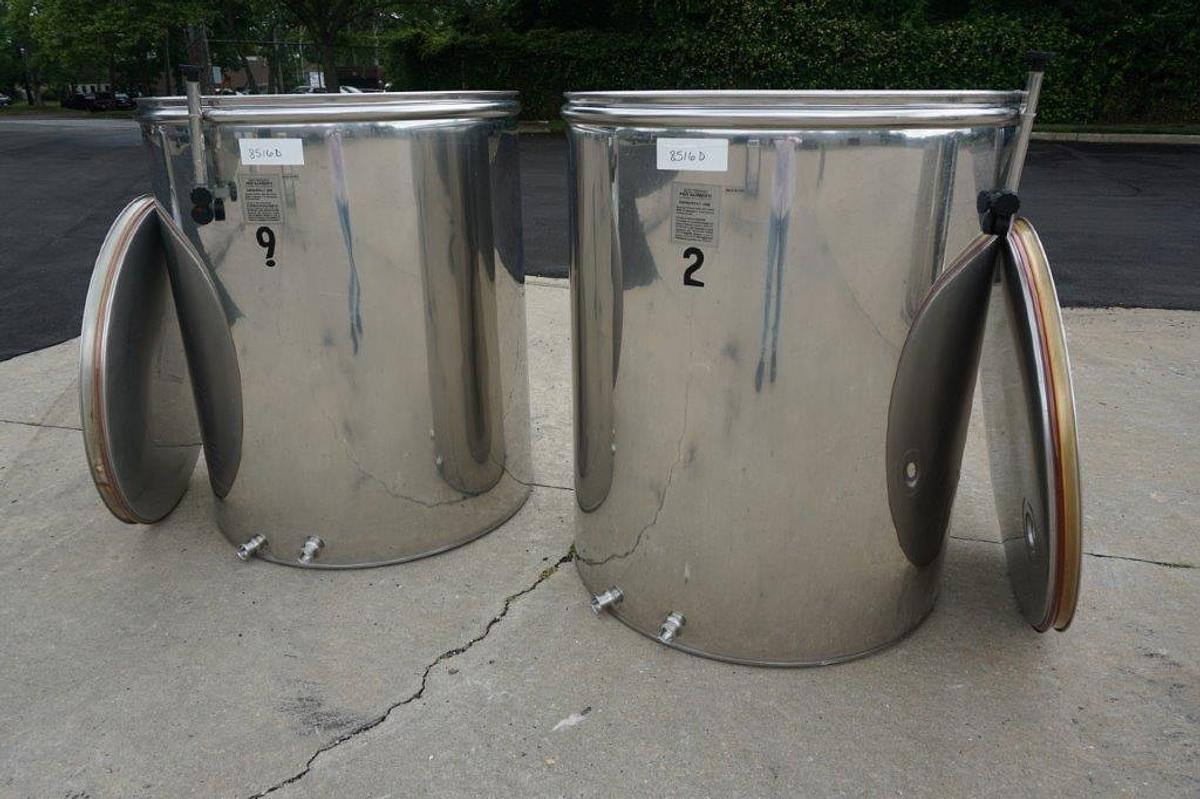
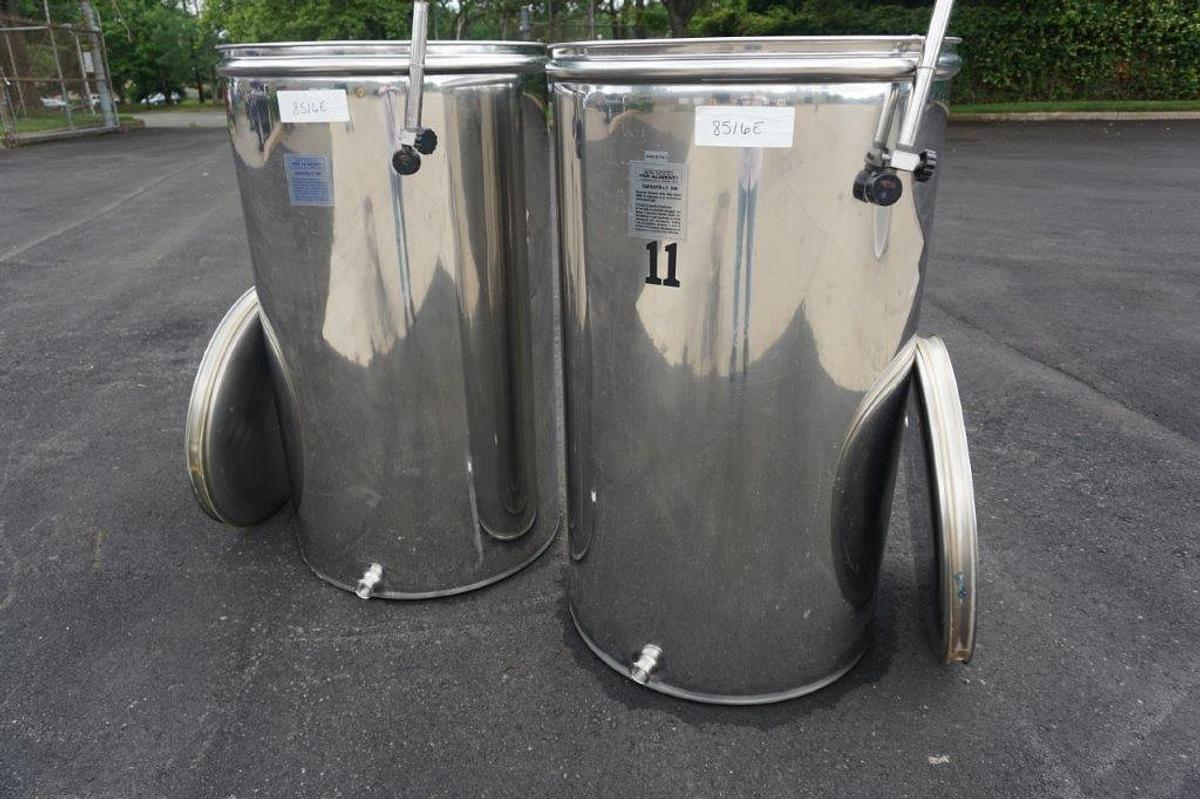
L.A. Inox (Italy) is renowned for its stainless steel processing equipment, primarily serving the food and beverage industries. They manufacture a variety of machines, including mixers, tanks, and conveyors, known for their durability and hygienic design. L.A. Inox’s products are essential for maintaining quality in food production.
FAQ:
What types of stainless steel equipment does L.A. Inox manufacture?
L.A. Inox is an Italian manufacturer that produces a wide range of stainless steel processing equipment aimed primarily at the wine, olive oil, food processing, and beverage industries. Their product line includes fermentation tanks, storage tanks with floating lids, filtration systems, mixers, conveyors, and pumps. The floating lid design on their wine tanks is a practical feature that minimizes oxidation by reducing the headspace above the liquid, which is particularly valuable during wine production and storage.
The brand has built a reputation in both European and export markets for precision Italian craftsmanship. Internal welds are typically smooth and electropolished surfaces reduce bacterial adhesion, which makes cleaning and sanitation considerably more straightforward in regulated food and beverage production environments. These design characteristics make L.A. Inox equipment a practical choice for facilities that need to meet strict hygiene standards.
What grade of stainless steel does L.A. Inox use in their equipment?
L.A. Inox equipment is typically constructed using AISI 304 or AISI 316 stainless steel, the two grades most commonly specified for food and beverage processing applications. AISI 304 is the standard choice for most food contact surfaces, offering solid corrosion resistance and durability under normal processing conditions. AISI 316 adds molybdenum to the alloy, which provides superior resistance to chlorides and highly acidic environments, making it the preferred grade for applications involving saltwater brines, acidic fruit products, or aggressive cleaning chemicals.
For wine production specifically, the grade of steel matters because wine contains organic acids that can interact with metal surfaces over time. Buyers evaluating used L.A. Inox equipment should confirm the steel grade of a specific unit before purchasing, as the grade directly affects suitability for particular applications. Consulting the machine's documentation or contacting the original manufacturer can help clarify the specification of a given tank or piece of equipment.
Is L.A. Inox equipment suitable for food and beverage industry use?
Yes, L.A. Inox equipment is specifically designed for food and beverage production environments. The company's product range serves wineries, olive oil producers, dairy operations, and general food processing facilities. Their tanks and processing machines are built with hygienic design principles in mind, including smooth internal welds, electropolished contact surfaces, and construction materials that comply with EU food contact material regulations. Many L.A. Inox products carry CE certification, which is a meaningful indicator of compliance with European safety and manufacturing standards.
For buyers in North America or other markets, it is worth verifying whether a specific piece of equipment meets local regulatory requirements, such as FDA food contact standards, before putting it into production use. Used equipment that was originally certified in Europe may still meet applicable standards, but buyers should confirm this independently, particularly if the equipment will be subject to inspection by local health or food safety authorities. Reaching out to the manufacturer directly can provide clarity on what certifications apply to a specific model.
What should buyers know about purchasing used L.A. Inox equipment versus buying from a manufacturer?
Buying used L.A. Inox equipment through a reputable dealer offers a practical way to acquire well-built Italian stainless steel processing machinery at a significantly lower price point than sourcing equivalent equipment through a manufacturer. Used equipment dealers specializing in food and beverage machinery typically carry tanks, mixers, and processing units that have been decommissioned from operating facilities, and the condition of these machines can vary depending on how they were maintained and how long they were in service.
The key difference from purchasing through a manufacturer is that used equipment is sold as-is, without the protections that come with a factory purchase. This places the responsibility of due diligence squarely on the buyer. Prospective buyers should request detailed photos, video inspections, or in-person visits to assess the condition of welds, seals, valves, and interior surfaces before committing to a purchase. Choosing a dealer with a long track record in food and beverage equipment specifically, rather than a general industrial reseller, reduces the risk of misrepresentation and ensures the seller understands what matters most in this category of machinery.
How do floating lids on stainless steel wine tanks work and why do they matter?
Floating lids, sometimes called floating covers or variable-capacity lids, are designed to sit directly on the surface of the liquid inside a tank rather than being fixed at the top of the vessel. As wine or juice is added or removed, the lid rises or falls with the liquid level, keeping the headspace above the product to an absolute minimum. This dramatically reduces the amount of oxygen in contact with the wine, which is one of the primary causes of oxidation and premature spoilage during storage.
For wineries, this design feature is particularly valuable during extended storage periods or when tanks are not completely full. A fixed-lid tank with significant headspace requires winemakers to use inert gas such as nitrogen or argon to displace oxygen, adding cost and complexity to the operation. Floating lid tanks simplify that process and give producers more flexibility in managing partially filled vessels. Used L.A. Inox tanks with floating lids are available in various capacities, including 132-gallon and 264-gallon sizes, making them accessible for small to mid-sized wineries looking to expand storage capacity without the expense of purchasing new equipment.
What should buyers inspect when evaluating used stainless steel food-grade tanks?
The interior of any used stainless steel tank deserves careful attention. Buyers should look for pitting, deep scratches, or corrosion on the internal surfaces, as these can harbor bacteria and are difficult to sanitize effectively. Weld seams should be smooth and free of cracks or discoloration that might indicate stress or prior repair. Electropolished surfaces should retain their characteristic bright finish; dull or rough patches may indicate surface degradation. Gaskets, seals, and valves are wear items that may need replacement regardless of the overall condition of the tank, so factor that into the total cost evaluation.
Most reputable used equipment dealers will accommodate in-person inspections or provide detailed video walkthroughs of tanks before purchase. Some equipment may still be installed at a production facility, in which case the dealer can often arrange a visit to the plant for a live inspection. Keep in mind that dealers generally do not have the permitting or infrastructure to run actual production tests, so the inspection will focus on physical condition rather than operational performance under load. Buyers uncertain about what to look for should consider bringing in a qualified technician familiar with food-grade stainless steel fabrication standards.
Are replacement parts and manufacturer support available for used L.A. Inox equipment?
Parts availability for used L.A. Inox equipment depends on the specific model and its age. L.A. Inox is an established Italian manufacturer with a presence in export markets, which generally means that common wear components such as gaskets, valves, fittings, and lid seals are more accessible than they would be for obscure or discontinued brands. However, the level of support a buyer can expect from the manufacturer will vary based on how old the machine is and whether that model is still in active production.
Buyers are strongly encouraged to contact L.A. Inox or their regional distributors directly before finalizing a purchase to gauge parts availability and technical support for a specific unit. This is especially important for more complex equipment like filtration systems or mixers, where proprietary components may be harder to source than standard fittings. For simpler equipment like storage tanks, many components are standardized across the industry and can be sourced from third-party suppliers even if the manufacturer's own parts are unavailable.
How is stainless steel food processing equipment typically shipped, and what costs should buyers anticipate?
Shipping stainless steel tanks and processing equipment requires careful planning to prevent damage in transit. Smaller tanks may be palletized and wrapped, while larger or heavier units typically require custom crating to protect valves, fittings, and lid mechanisms. The level of packaging required directly affects shipping costs, so buyers should ask the dealer specifically how each piece of equipment will be prepared for transport before assuming a price.
Larger tanks and industrial equipment may require specialized rigging for loading and unloading, particularly if a forklift or crane is needed at either end of the shipment. These rigging services carry additional costs that are not always included in a quoted shipping price. Buyers should request a complete breakdown of packaging, loading, freight, and unloading costs to understand the true landed cost of the equipment before making a purchasing decision. International shipments add customs clearance and import duties to that calculation, which can be substantial for heavy stainless steel equipment.
What payment terms do used equipment dealers typically require for stainless steel processing machinery?
Most used equipment dealers require full payment before a machine is released for shipping. This is standard practice in the industry and reflects the nature of the transaction, where the dealer assumes risk by holding inventory and the buyer is acquiring equipment that has already been inspected and agreed upon. Payment in full prior to shipment protects both parties by ensuring the transaction is complete before logistics are arranged.
Some dealers extend payment terms to repeat customers or established buyers with a history of transactions, but this is at the dealer's discretion and not the norm for first-time purchases. Buyers should clarify accepted payment methods, including wire transfer, ACH, or other options, before proceeding. For larger purchases involving multiple tanks or a complete processing line, it may be worth discussing payment structure with the dealer directly, as some flexibility is possible depending on the total value of the transaction and the buyer's relationship with the seller.
How does L.A. Inox equipment compare to other stainless steel food-grade equipment manufacturers?
L.A. Inox occupies a respected position among European stainless steel equipment manufacturers, particularly in the wine and food processing sectors. Italian fabricators in this space are generally associated with tight tolerances, clean weld finishing, and attention to hygienic design details that matter in regulated production environments. The brand's use of AISI 304 and 316 stainless steel, combined with electropolished internal surfaces, puts their equipment on par with other well-regarded European manufacturers in terms of material quality and sanitation performance.
On the used market, L.A. Inox equipment tends to hold its value reasonably well because the brand is recognized by winery and food production professionals who understand what they are buying. That recognition also makes resale more straightforward compared to lesser-known brands. Buyers comparing options on the used market should weigh not just the purchase price but also the availability of parts, the condition of the specific unit, and whether the equipment's capacity and configuration match their production needs. A well-maintained L.A. Inox tank purchased used can provide many years of additional service at a fraction of the cost of equivalent new equipment.