Category
Manufacturer
Model
Krieger
Krieger is known for its manufacturing solutions in the food processing industry, particularly focusing on baking and cooking equipment. Their machines are designed to optimize production processes and enhance product quality.
FAQ:
What types of equipment does Krieger manufacture for the food processing industry?
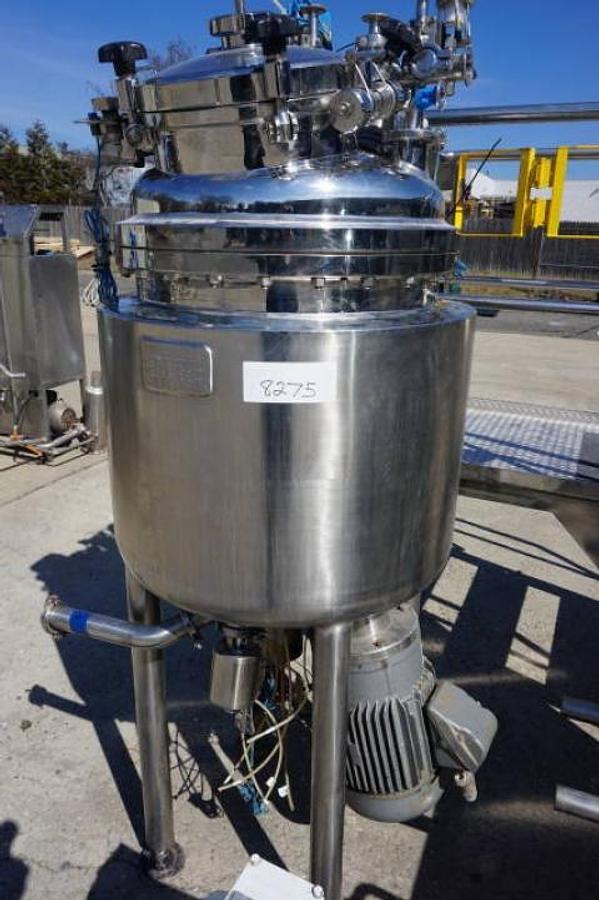
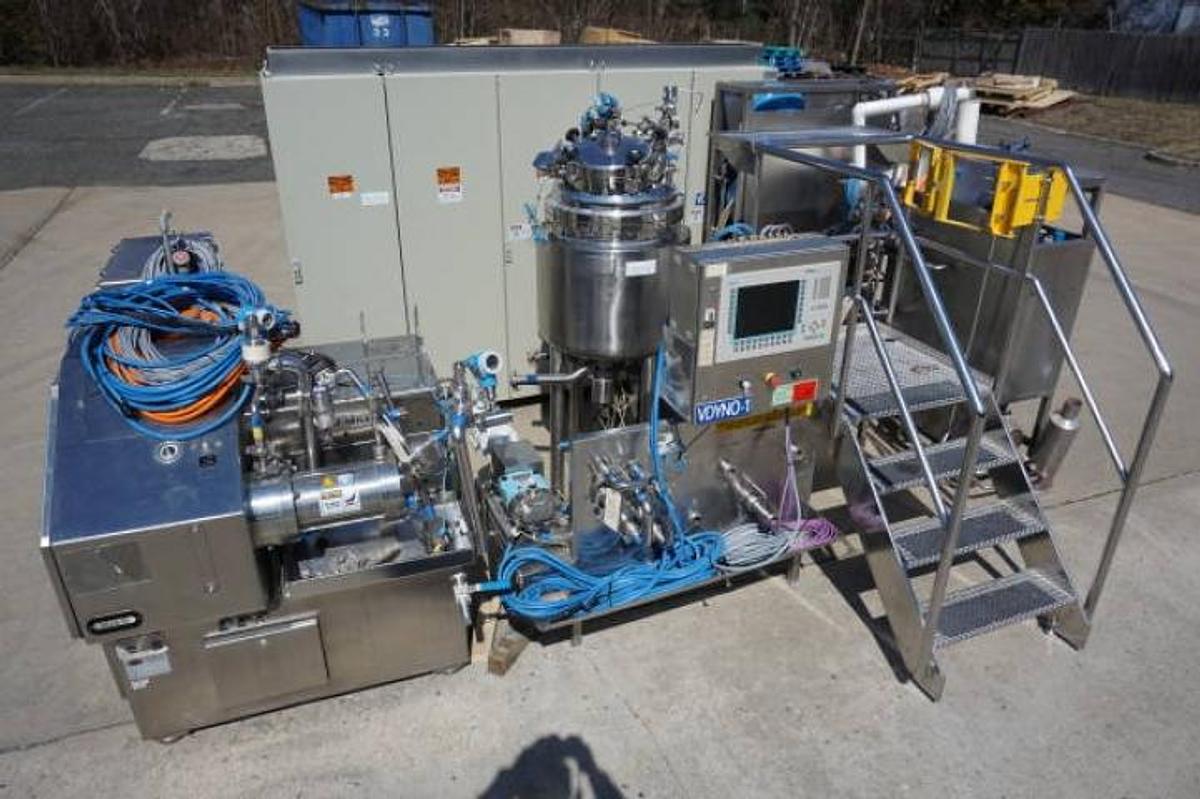
Krieger is known for manufacturing equipment focused on baking, cooking, and broader food production applications. Their machines are designed to optimize production processes and improve product quality at a commercial and industrial scale. Specific equipment associated with the Krieger name includes jacketed pressure vessels, homogenizers, and blending and pulverizing skids, some of which are configured for food, beverage, and cosmetic preparation environments.
When shopping for used Krieger equipment, buyers will typically encounter machines built with sanitary-grade stainless steel, pressure-rated vessels, and mixing or homogenizing assemblies suited to high-viscosity or heat-sensitive products. Because the available inventory of used Krieger machines varies over time, prospective buyers should review current listings carefully to understand the exact configuration, capacity, and condition of any specific unit before making a purchasing decision.
What equipment is commonly used in food processing?
Food processing facilities rely on a wide range of machinery depending on the product being made. Common categories include mixers and blenders, homogenizers, pressure vessels, kettles, ovens and conveyor ovens, slicers, grinders, filling and packaging lines, pasteurizers, and heat exchangers. Each category serves a distinct function, whether that is size reduction, thermal treatment, emulsification, or portioning. Baking-focused operations, for example, tend to center on dough handling, proofing, and oven equipment, while liquid food manufacturers lean heavily on tanks, agitators, and homogenizing systems.
Sanitary design is a defining requirement across all food processing equipment categories. Machines intended for direct food contact are typically constructed from 304 or 316 grade stainless steel, which resists corrosion, tolerates frequent cleaning with caustic agents, and meets the surface finish standards required by food safety regulations. Buyers evaluating any piece of food processing equipment, used or otherwise, should confirm that the materials of construction and design features align with the hygiene standards applicable to their specific product and facility.
How much does food processing equipment cost?
The price range for food processing equipment spans an enormous spectrum depending on the type of machine, its capacity, its complexity, and its condition. A small benchtop mixer or a basic stainless steel tank might sell for a few hundred to a few thousand dollars, while large-scale industrial homogenizers, pressure vessels, or continuous processing lines can run anywhere from tens of thousands to several hundred thousand dollars. Specialized equipment with integrated controls, jacketing, or custom configurations typically commands a higher price.
Purchasing used food processing equipment is one of the most effective ways to reduce capital expenditure without sacrificing production capability. Used machines from reputable manufacturers can often be acquired at 30 to 70 percent below the cost of comparable equipment purchased directly from a manufacturer. That said, buyers should factor in the full landed cost, including freight, rigging, any refurbishment or parts replacement needed, and installation, when comparing options. A machine with a lower purchase price but high reconditioning needs may not represent the savings it appears to at first glance.
What should buyers look for when evaluating used food processing equipment?
Condition assessment is the single most important step in any used equipment purchase. Buyers should examine the overall mechanical condition, the integrity of welds and seals, the state of any gaskets or wear parts, the condition of electrical components and controls, and whether the machine shows signs of corrosion, modification, or previous damage. For pressure vessels and jacketed equipment specifically, buyers should ask whether the vessel has a current pressure rating certification and whether any prior repairs have been documented.
Beyond the physical condition of the machine itself, buyers should consider parts availability for the specific make and model. Older or discontinued equipment may be difficult to source parts for, which can create costly downtime down the road. Consulting directly with the manufacturer, if they are still in business, is a practical way to gauge what level of technical support and parts supply a buyer can realistically expect. Reputable used equipment dealers will typically accommodate in-person or video inspections so buyers can assess the machine's condition before committing to a purchase.
What is a jacketed pressure vessel and what is it used for in food processing?
A jacketed pressure vessel is a tank designed with a double-wall construction, where the inner vessel holds the product and the outer jacket circulates a heating or cooling medium such as steam, hot water, or glycol. This design allows precise temperature control of the contents without direct contact between the heating or cooling medium and the product itself. In food processing, jacketed vessels are used for cooking sauces, soups, dairy products, confectionery, and other heat-sensitive or viscous materials where uniform temperature control is critical to product quality and food safety.
Pressure-rated jacketed vessels, like the Krieger 125-liter 316 stainless steel unit available on the used market, add the capability to process products under elevated pressure, which can reduce cooking times, enable sterilization, and allow processing of products that require pressure above atmospheric levels. The use of 316 grade stainless steel in vessels of this type is significant because 316 offers superior corrosion resistance compared to 304, making it the preferred choice for acidic food products, saline environments, and applications requiring frequent chemical cleaning. Buyers should verify the vessel's pressure rating and inspect the jacket connections, relief valves, and any agitator or homogenizer components for wear before purchase.
What is a homogenizer and why is it used in food and cosmetic production?
A homogenizer is a machine that reduces particle size and creates a uniform mixture by forcing a product through a narrow gap or valve under high pressure, or by using high-speed mechanical action. The result is a stable emulsion or suspension where ingredients that would otherwise separate, such as fat and water, remain evenly distributed throughout the product. In food processing, homogenizers are essential for producing milk, cream, salad dressings, sauces, infant formula, and a wide range of other products where texture and stability are critical to both quality and shelf life.
In cosmetic and personal care manufacturing, the same homogenizing principle applies to creams, lotions, and serums, which is why equipment like the Krieger/Dyno-Mill blending and pulverizing skid is relevant across both food and cosmetic production environments. Used homogenizing equipment is widely available on the secondary market and can represent significant cost savings for manufacturers scaling up production or replacing aging machinery. Buyers should pay close attention to the condition of the homogenizing head, valves, seals, and any wear surfaces, as these components directly affect the machine's ability to achieve the target particle size and emulsion stability.
How does buying used food processing equipment compare to buying directly from a manufacturer?
Buying used food processing equipment offers meaningful financial advantages, particularly for operations that need proven industrial-grade machinery without the capital outlay associated with purchasing from a manufacturer. Used equipment is typically available for immediate acquisition rather than on a production lead time that can run several months for custom or semi-custom machines. For businesses expanding capacity, replacing a failed unit, or entering a new product category, the speed of availability alone can justify the used equipment route.
The trade-offs are real and worth understanding clearly. Used machines are sold as-is, meaning the buyer takes on the responsibility of assessing condition, verifying functionality, and planning for any maintenance or parts replacement that may be needed. There are no manufacturer warranties on used equipment, and support from the original manufacturer will vary depending on the age and model of the machine. Buyers who work with established, industry-specific used equipment dealers, conduct thorough inspections, and research parts availability ahead of time are generally well-positioned to get strong value from used machinery purchases.
What food safety and sanitary standards should food processing equipment meet?
Food processing equipment intended for commercial use in the United States is generally expected to meet standards set by organizations such as NSF International, the USDA, and in some cases the FDA, depending on the product category and application. NSF/ANSI standards, particularly NSF 2 for food equipment, define requirements for materials, construction, and cleanability. Equipment bearing NSF certification has been evaluated to confirm it can be effectively cleaned and sanitized and that its materials will not contaminate food products under normal operating conditions. CE marking applies to equipment sold in European markets and indicates conformity with applicable EU directives.
For buyers purchasing used equipment, the original certification status of a machine is worth researching, but it is equally important to verify that the machine's current condition still meets those standards. Gaskets, seals, surface finishes, and coatings can degrade over time, and a machine that was certified when manufactured may require refurbishment to return to a certifiable state. Buyers should also confirm with their local health authority or regulatory body what documentation or inspection requirements apply to used equipment being introduced into a licensed food production facility, as requirements vary by jurisdiction and product type.
What should buyers expect regarding shipping and logistics for used food processing equipment?
Shipping used food processing equipment involves more planning than a standard freight shipment. Machines must be properly secured, palletized, or crated to prevent damage during transit, and the level of packaging required will affect the overall shipping cost. Smaller units may ship on standard pallets with shrink wrap and blocking, while larger or more fragile equipment typically requires custom wooden crating. Buyers should ask the dealer specifically how the equipment will be packaged and what that packaging cost includes before agreeing to purchase terms.
Larger machines, including industrial pressure vessels, mixing systems, and multi-component skids, often require professional rigging for both loading at the dealer's location and unloading at the buyer's facility. Rigging services involve specialized equipment such as forklifts, cranes, or hydraulic lift trucks, and those costs are typically separate from the freight charge. Buyers should request a complete breakdown of all logistics costs, including packaging, rigging, freight, and any required permits for oversized loads, to understand the true landed cost of the equipment before finalizing a purchase.
What are typical payment terms when purchasing used food processing equipment?
Most used equipment dealers require payment in full before a machine is released for shipment. This is standard practice across the industry and reflects the fact that used equipment transactions typically involve unique, one-of-a-kind machines that cannot simply be restocked if a sale falls through. Payment methods commonly accepted include wire transfer, ACH, and in some cases credit card for smaller purchases. Buyers should confirm accepted payment methods with the dealer early in the process to avoid delays once a purchase decision is made.
Some dealers will extend payment terms to established customers with a documented purchase history, but this is the exception rather than the rule for first-time buyers. Buyers seeking financing for larger equipment acquisitions may want to explore third-party equipment financing companies, which specialize in lending against used machinery purchases and can sometimes move quickly once a machine has been identified. Regardless of payment structure, buyers should ensure they receive a clear invoice and bill of sale that accurately describes the equipment, its condition as represented, and the terms of the transaction before any funds are transferred.