Category
Manufacturer
Model
FAQ:
What types of Kramer + Grebe equipment are commonly available on the used market?
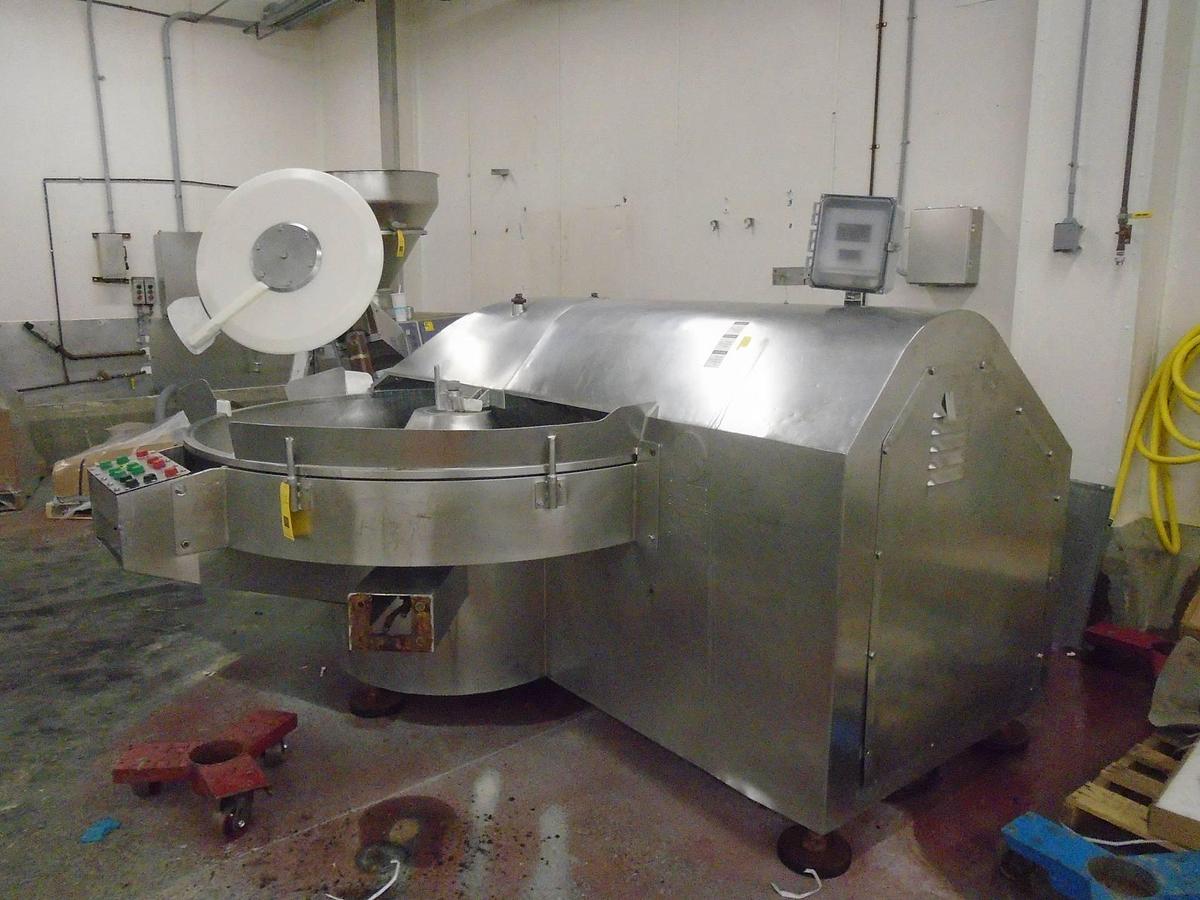
Kramer + Grebe built its reputation on a focused line of food processing machinery, with bowl cutters (also called bowl choppers), emulsifiers, and stuffing machines being the most recognized product categories. The SM500 Bowl Cutter is one example of the type of equipment that surfaces on the used market, representing the brand's core strength in meat emulsification and chopping technology. These machines were engineered for high-volume deli meat, sausage, and processed food production, which means they were built to handle demanding production environments over long operational lifespans.
Because Kramer + Grebe equipment was manufactured to exacting German standards, older machines remain functional and productive decades after they were first put into service. This durability is a primary reason why used Kramer + Grebe machinery continues to be sought after by small to mid-size food processors looking for reliable, proven equipment without the capital cost of purchasing comparable modern alternatives. Buyers should expect to find varying bowl capacities and configurations depending on what comes available at any given time, so working with a dealer who specializes in food processing equipment is the best way to locate a specific model.
Is Kramer + Grebe still a manufacturer, or is the equipment only available used?
Kramer + Grebe as an independent brand no longer operates as a standalone manufacturer. The company was acquired by Seydelmann, a fellow German food processing equipment manufacturer with a similarly strong reputation in the meat processing industry. As a result, Kramer + Grebe equipment is no longer produced under that name, which means the only way to acquire it today is through the used and secondary equipment market.
This acquisition has practical implications for buyers beyond just availability. Because Seydelmann absorbed Kramer + Grebe, some technical expertise, service knowledge, and potentially certain parts may be accessible through Seydelmann's network. Buyers researching a specific Kramer + Grebe model are advised to contact Seydelmann directly to understand what level of support, documentation, or parts sourcing might be available for a particular machine. The age and specific model will heavily influence what resources are still accessible, so doing that due diligence before purchasing is a smart step.
What should buyers look for when evaluating the condition of used Kramer + Grebe machinery?
Evaluating used Kramer + Grebe equipment requires attention to several key factors. Operational hours, service history, and the overall condition of wear components like bowl liners, blades, and seals are among the most important indicators of how much useful life remains in a machine. Stainless steel construction means the structural integrity of Kramer + Grebe equipment tends to hold up well over time, but mechanical components and food-contact surfaces still require careful scrutiny. Buyers should ask the dealer for any available maintenance records and inquire about the machine's production history, including whether it was decommissioned or still in active use at the time of sale.
Reputable used equipment dealers will typically offer inspection options to help buyers make an informed decision. These can include in-person visits, virtual walkthroughs, or detailed video documentation of the machine's current condition. In some cases, equipment may still be installed at a production facility, allowing for an inspection while the machine is operational or shortly after decommissioning. Keep in mind that most used equipment dealers are not set up to run full production tests, as that requires separate permitting and facilities, so the inspection is focused on mechanical condition and visual assessment rather than a live product run.
How do inspections typically work when purchasing used food processing equipment like Kramer + Grebe machines?
Used food processing equipment inspections generally fall into three categories: in-person visits to the dealer's facility or the machine's current location, virtual inspections conducted via live video call, and recorded video walkthroughs that the dealer provides to the buyer. Each method has its advantages depending on the buyer's location and the machine's situation. In-person inspections offer the most thorough view, allowing a buyer or their technician to physically examine wear points, check electrical components, and assess overall cleanliness and condition. Virtual and video inspections are a practical alternative for buyers who cannot travel, and a good dealer will be thorough in capturing all relevant details.
It is worth noting that some machines listed for sale are still installed and running at a food production facility. In those cases, the dealer coordinates access between the buyer and the facility owner, which can provide a particularly valuable look at how the equipment performs in a real production setting. However, even in those situations, testing with actual product is rarely possible through a dealer, as running a food production line requires specific regulatory permits and certifications that equipment dealers do not typically hold. The inspection is therefore focused on mechanical function, physical condition, and operational readiness rather than a full production trial.
Are replacement parts still available for Kramer + Grebe equipment?
Parts availability for Kramer + Grebe equipment varies depending on the specific model and its age. Because Kramer + Grebe was acquired by Seydelmann, some parts and technical documentation may be accessible through Seydelmann or their authorized service network. For older or discontinued models, parts sourcing can require more effort, involving aftermarket suppliers, specialized food equipment repair shops, or fabrication of custom components by a qualified machinist. The stainless steel construction of Kramer + Grebe machines means that the structural and bowl components often remain in good shape for many years, but wear items like blades, seals, gaskets, and drive components will eventually need replacement.
Before purchasing any used Kramer + Grebe machine, buyers are strongly advised to contact Seydelmann directly and inquire specifically about parts support for the model in question. Getting clarity on parts availability before completing a purchase is a critical step, as a machine that cannot be serviced or repaired becomes a liability rather than an asset. A knowledgeable used equipment dealer who specializes in food processing machinery can also be a valuable resource for pointing buyers toward parts suppliers and service technicians who have experience with this brand.
What is the typical price range for used Kramer + Grebe food processing equipment?
Pricing for used Kramer + Grebe equipment varies considerably based on the machine type, bowl capacity, age, condition, and current market demand. Bowl cutters and emulsifiers from this brand are considered premium used equipment given their German engineering and long operational lifespans, so they tend to command higher prices than comparable machines from less established manufacturers. Smaller capacity bowl cutters in good working condition might be priced in the range of several thousand dollars, while larger, higher-capacity units in excellent condition can reach significantly higher price points depending on the configuration and included accessories.
Buyers should factor in more than just the purchase price when budgeting for used Kramer + Grebe equipment. Shipping, rigging, crating, and installation costs can add meaningfully to the total landed cost, particularly for heavier machines that require specialized freight handling. Asking the dealer for a full breakdown of all associated costs before committing to a purchase is the best way to avoid surprises. Comparing the total landed cost against the cost of a comparable modern machine is a useful exercise, and in many cases used Kramer + Grebe equipment delivers strong value given the durability and performance these machines are known for.
What warranty or guarantee should a buyer expect on used Kramer + Grebe machines?
Used food processing equipment, including Kramer + Grebe machines, is typically sold on an as-is basis by equipment dealers. Manufacturer warranties are generally only offered by the brand on purchases of new machines directly through authorized channels, and since Kramer + Grebe equipment is no longer manufactured, that pathway does not exist. This means the responsibility for thoroughly evaluating the condition of the machine before purchase falls squarely on the buyer, which is why inspection options and dealer reputation matter so much in the used equipment market.
The best protection a buyer has in an as-is transaction is choosing a dealer with a strong track record and deep experience in food processing equipment. A reputable dealer will be transparent about a machine's condition, provide honest documentation of any known issues, and accommodate thorough inspections before the sale is finalized. Buyers should also consult with Seydelmann or qualified service technicians to understand what ongoing support they can expect for a specific Kramer + Grebe model, since parts availability and technical support can vary significantly by age and model. Doing this groundwork before purchasing is the most effective way to reduce risk on a used equipment transaction.
Does used Kramer + Grebe equipment meet current food safety and hygiene standards?
Kramer + Grebe equipment was engineered to the food safety and hygiene standards in place at the time of manufacture, which for German-built machinery typically meant rigorous construction standards using food-grade stainless steel and hygienic design principles. However, food safety regulations evolve over time, and specific requirements such as CE marking, USDA compliance, or current NSF standards may or may not apply to older machines depending on their age and configuration. Buyers operating in regulated production environments should have any used machine reviewed by a qualified food safety or equipment compliance professional before putting it into production service.
The stainless steel construction common to Kramer + Grebe equipment is a genuine advantage from a hygiene standpoint, as it is durable, non-porous, and resistant to the cleaning chemicals used in food production facilities. That said, the condition of seals, gaskets, and food-contact surfaces on a used machine should be carefully assessed during inspection, as worn or damaged components can create sanitation challenges regardless of the base material. Buyers should discuss compliance requirements with their local regulatory authority and factor any necessary upgrades or modifications into their total cost assessment before finalizing a purchase.
What maintenance does Kramer + Grebe bowl cutting equipment typically require?
Bowl cutters like those produced by Kramer + Grebe require a consistent maintenance routine to stay in reliable working condition. Blade sharpening or replacement is one of the most frequent maintenance tasks, as cutting performance degrades as blades dull, which also puts additional strain on the drive system. Seals and gaskets around the bowl and lid need periodic inspection and replacement to maintain hygiene standards and prevent leaks. Drive belts, bearings, and lubrication points also require attention on a scheduled basis, with intervals typically specified in the machine's technical documentation. For machines that have been sitting idle or decommissioned for a period of time, a full mechanical inspection and service prior to returning the equipment to production is strongly recommended.
For used Kramer + Grebe equipment specifically, buyers should factor in the cost of a professional service inspection and any deferred maintenance when evaluating the total cost of acquisition. A machine that has been well-maintained and has documented service records will generally require less immediate investment than one with an unknown history. Connecting with a technician who has experience servicing Kramer + Grebe or Seydelmann equipment is advisable, as they will be familiar with the specific tolerances, wear patterns, and service requirements of these machines. Seydelmann's service network may be a useful starting point for locating qualified technicians.
What are the shipping and logistics considerations for purchasing used Kramer + Grebe equipment?
Shipping used food processing equipment like Kramer + Grebe bowl cutters involves more complexity than standard freight. These machines are heavy, precision-built pieces of equipment that require proper packaging to prevent damage in transit. Depending on the size and weight of the unit, this may mean palletization with appropriate blocking and bracing, or full custom crating for larger machines. The level of packaging directly affects shipping costs, and buyers should ask dealers for a detailed breakdown of crating, rigging, and freight charges to understand the full landed cost before committing to a purchase.
For larger or heavier Kramer + Grebe equipment, loading at the origin and unloading at the destination may require specialized rigging equipment such as forklifts or cranes, which adds to the overall logistics cost. Buyers should assess their own facility's capabilities for receiving heavy machinery and arrange appropriate unloading equipment in advance. Some dealers coordinate shipping on behalf of buyers, while others may require buyers to arrange their own freight. Clarifying these responsibilities upfront, along with transit insurance options, helps avoid complications and unexpected costs once the transaction is underway.