Category
Manufacturer
Model
Koppens
Koppens focuses on providing equipment for the food processing sector, particularly known for their filling and packaging machines. Their technology is designed to meet the demands of high-volume production.
FAQ:
What types of Koppens food processing equipment are commonly available on the used market?
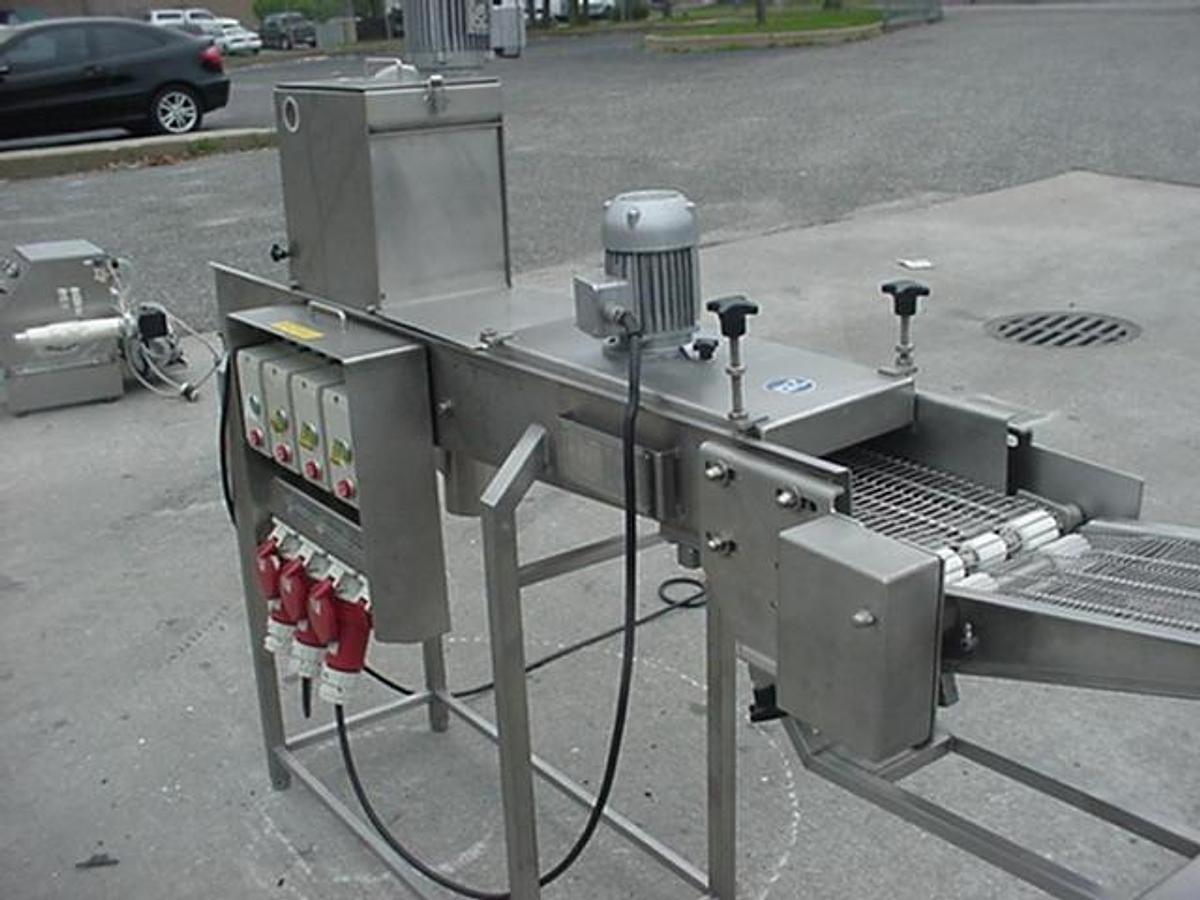
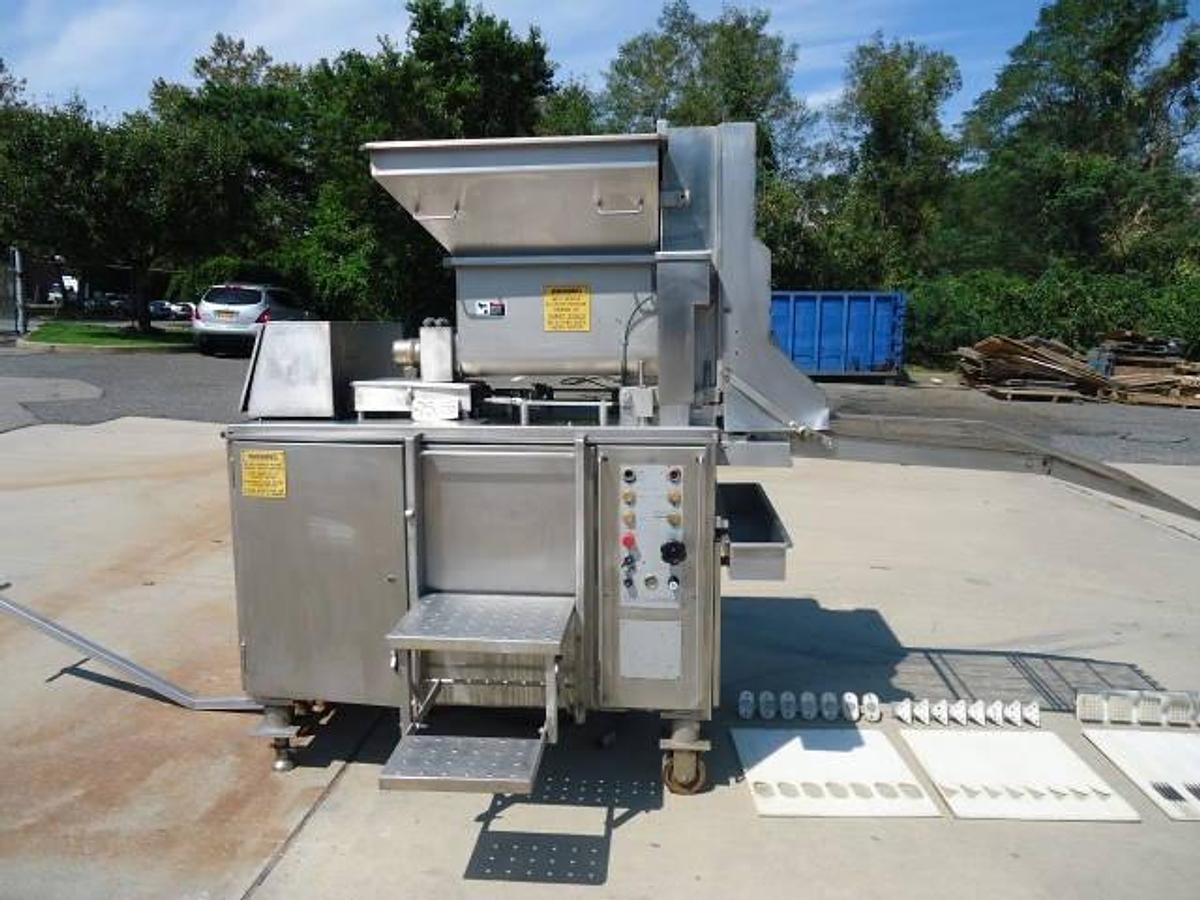
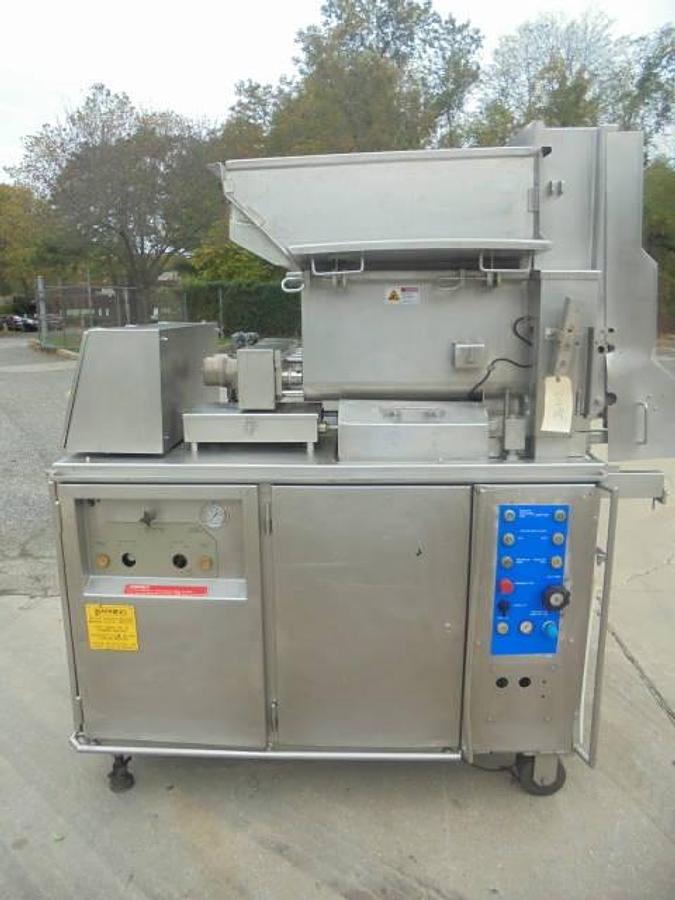
Koppens produces a focused range of food processing machinery, and the used market tends to reflect the brand's core strengths: drum formers, patty machines, portioners, nugget-forming equipment, batter and breading lines, and filling machines. The VM-400 forming machine is one of the more frequently traded models, valued for its reliability in high-volume portioning applications. Batter and breading lines, such as 200mm configurations, also appear regularly and are used to apply coatings to formed products before cooking or freezing.
Beyond forming and coating equipment, Koppens machines cover a broad range of food matrices including meat, poultry, fish, and plant-based products. Because the brand is built around high-volume industrial production, most of the equipment that surfaces for resale has come out of large commercial processing facilities. Buyers looking for used Koppens machinery should expect to find stainless steel construction throughout, which is a hallmark of the brand and a major reason these machines hold up well over time even after years of production use.
What is Koppens known for in the food processing industry?
Koppens is a Dutch food processing equipment manufacturer with a long-standing reputation in the meat, poultry, fish, and plant-based protein sectors. The company built its name around precision portioning and forming technology, particularly drum-style formers capable of producing consistent shapes and weights at high throughput speeds. Their machines are designed for industrial-scale production environments where uptime, sanitation, and output consistency are non-negotiable.
The brand is widely respected for engineering quality and hygienic design. Koppens equipment typically features stainless steel frames and components, minimal product contact surfaces, and easy-clean architecture that helps processors meet strict food safety requirements. This build quality is a key reason why used Koppens machines remain competitive in the resale market. A well-maintained unit can continue delivering strong production performance long after leaving the original facility, which makes the brand a practical choice for processors looking to expand capacity without purchasing brand-new machinery.
What should buyers inspect when evaluating a used Koppens forming or portioning machine?
A thorough inspection of a used Koppens machine should cover both mechanical condition and hygienic integrity. Key areas include the forming drum or mold plates, which experience direct product contact and wear over time. Buyers should look for signs of wear, pitting, or damage on stainless steel surfaces, and check that all seals, gaskets, and food-contact components are intact. Drive systems, belts, and conveyors should be examined for wear, and the electrical panel should be reviewed to confirm the machine's control systems are functional and compatible with the buyer's facility voltage and standards.
Reputable used equipment dealers will typically offer in-person inspections, virtual walkthroughs, or video documentation of the machine's current condition. Some machines may still be operating in a production facility at the time of sale, which gives buyers a rare opportunity to see the equipment running under real production conditions. Keep in mind that most equipment dealers do not have the permitting or infrastructure to run actual food product through machinery during an inspection, so buyers should ask for detailed video of the machine cycling and request full documentation of the machine's history where available. Consulting with Koppens or an authorized service technician about the specific model and age can also help buyers understand what level of parts support and service to expect.
How does hygienic design factor into Koppens equipment, and why does it matter for used machines?
Koppens machines are engineered with food safety as a foundational design principle, not an afterthought. This means stainless steel construction throughout, smooth surfaces that resist bacterial buildup, minimal crevices where product can trap, and components that can be disassembled for thorough cleaning. These design choices are what allow Koppens equipment to meet the strict hygiene requirements demanded by food processors operating under USDA, FDA, or CE regulatory frameworks. The hygienic architecture also means the machines are built to withstand repeated washdown cycles, which is standard practice in any commercial meat or poultry facility.
For buyers considering used Koppens equipment, this design philosophy is actually a significant advantage. Because the machines were built to tolerate aggressive cleaning and demanding production environments, a well-maintained used unit can still meet modern food safety expectations. That said, buyers should carefully inspect food-contact surfaces, seals, and any components that may have degraded over time. A machine that has been properly maintained and cleaned throughout its service life will be in a fundamentally different condition than one that was neglected. Asking the seller for maintenance records and requesting a close inspection of food-contact areas before purchase is strongly advisable.
What is the typical production capacity of Koppens portioning and forming machines?
Koppens forming and portioning machines are built for high-volume industrial production, and their throughput capabilities reflect that. Depending on the model and configuration, Koppens drum formers can produce thousands of portions per hour, making them suitable for large-scale processors supplying retail, foodservice, or further-processing customers. The VM-400 series, for example, is a well-regarded forming machine that handles a wide variety of product types and portion sizes, and is designed to maintain consistent weight and shape at production-line speeds.
Actual throughput on a used machine will depend on several factors including the specific model, the mold configuration installed, the product being processed, and the condition of the machine. Buyers should ask sellers for the machine's rated capacity and, where possible, request documentation or video showing the equipment operating at speed. It is also worth factoring in that capacity figures from the manufacturer are typically based on ideal conditions. A used machine in good working order should perform close to its rated specifications, but buyers should confirm the condition of wear components like drums and molds, as these directly affect output consistency and speed.
Are spare parts and replacement components available for used Koppens machines?
Parts availability is one of the most practical considerations when buying any used food processing equipment, and Koppens is generally regarded as a brand with solid aftermarket support relative to many competitors. Because Koppens has been manufacturing equipment for decades and maintains a presence in global food processing markets, many commonly needed components including mold plates, seals, belts, and drive parts are available through the manufacturer or authorized distributors. However, parts availability can vary significantly depending on the age and specific model of the machine.
Buyers should contact Koppens directly before purchasing a used unit to confirm what support and parts are available for that particular model. Older or discontinued models may have limited parts support, which can affect long-term maintenance costs and machine uptime. Some processors also source replacement components through third-party fabricators for standard parts like belts and gaskets. A used equipment dealer specializing in food processing machinery may also be able to provide guidance on parts availability based on their experience with the specific model. Understanding parts availability upfront helps buyers accurately assess the total cost of ownership, not just the purchase price.
What should buyers understand about shipping and logistics for used Koppens equipment?
Koppens machines are industrial-grade food processing equipment, and most models are large, heavy, and require careful handling during transport. Shipping costs will vary based on the size and weight of the machine, the origin and destination, and the level of packaging or crating required to protect the equipment in transit. Smaller components or ancillary equipment may ship on pallets, while larger forming lines or complete batter and breading systems typically require custom crating and heavy-duty rigging for both loading and unloading. Buyers should request a detailed breakdown of all shipping-related costs from the seller before committing to a purchase, as freight, rigging, and crating can add meaningfully to the total landed cost.
For international shipments, buyers also need to account for import duties, customs clearance, and any compliance documentation required in the destination country. Rigging at the origin facility is often a separate cost from freight, particularly if the machine is being removed from a production environment where specialized equipment is needed to move it safely. Buyers should ask the seller specifically how the machine will be prepared for shipment, what packaging will be used, and whether the seller coordinates logistics directly or works with third-party freight brokers. Getting all of this information in writing before finalizing the purchase helps avoid unexpected costs and delays.
What are the typical payment terms for purchasing used Koppens equipment?
Most used equipment dealers require full payment before a machine is released for shipping. This is standard practice in the industry and applies broadly regardless of the brand or type of equipment being purchased. Wire transfer is the most common payment method for transactions of this size, though some dealers may accept other forms of payment depending on the transaction. Buyers who have an established relationship with a dealer may occasionally be offered different terms, but first-time buyers should expect to pay in full prior to shipment.
Because used equipment transactions typically involve significant sums and are conducted without the protections that come with purchasing from a manufacturer, buyers should take steps to verify the credibility and track record of the dealer before sending payment. Checking how long the dealer has been in business, whether they specialize in food processing equipment, and whether they have verifiable references or a history of transactions in the industry are all reasonable due diligence steps. Conducting a thorough inspection of the machine before finalizing payment is also strongly advisable, as used equipment is generally sold as-is and the responsibility for assessing condition rests with the buyer.
Can Koppens forming machines handle plant-based and alternative protein products?
Koppens forming and portioning equipment has been adopted by processors working with plant-based and alternative protein matrices, not just traditional meat and poultry. The drum former design is particularly well-suited to this application because it can handle a wide range of product textures and viscosities, including the fibrous or dense compositions common in plant-based burgers, nuggets, and patties. As demand for alternative protein products has grown in commercial food production, Koppens equipment has become a practical choice for processors looking to run these products on proven, high-throughput forming technology.
For buyers considering a used Koppens machine for plant-based applications, it is worth confirming that the mold configuration and drum size are appropriate for the specific product format being produced. Mold plates are often interchangeable, which gives processors flexibility to run different portion shapes and sizes on the same machine. Buyers should also verify that the machine's product contact surfaces and seals are compatible with the cleaning protocols and ingredients used in plant-based production, as some formulations can behave differently than conventional meat products during processing and washdown.
How do used Koppens machines compare to buying new food processing equipment?
Purchasing used Koppens equipment offers a meaningful cost advantage over buying comparable machinery through a manufacturer or authorized dealer. For processors looking to add forming or portioning capacity without the capital outlay of new machinery, a used Koppens machine in good working order can deliver similar production performance at a fraction of the price. The brand's reputation for durability and hygienic construction means that well-maintained used units often have significant productive life remaining, particularly if they come from facilities that followed rigorous maintenance and cleaning programs.
The trade-offs are real and worth understanding clearly. Used equipment is sold as-is, which means the buyer takes on the responsibility of verifying condition through inspection before purchase. There are no manufacturer warranties on used machinery, and parts availability can vary depending on the age and model of the machine. Lead times on used equipment are typically shorter than on new machinery, since there is no manufacturing queue involved, but buyers need to factor in inspection, shipping, and installation time. For processors with experienced maintenance staff and a clear understanding of what they are buying, used Koppens equipment represents a well-regarded option in the food processing equipment market.