Category
Manufacturer
Model
Klockner
Klockner is recognized for its packaging machinery, particularly in the food and beverage sectors. Their systems are known for their efficiency and ability to handle a wide range of packaging formats.
FAQ:
What types of Klockner packaging machines are available on the used equipment market?
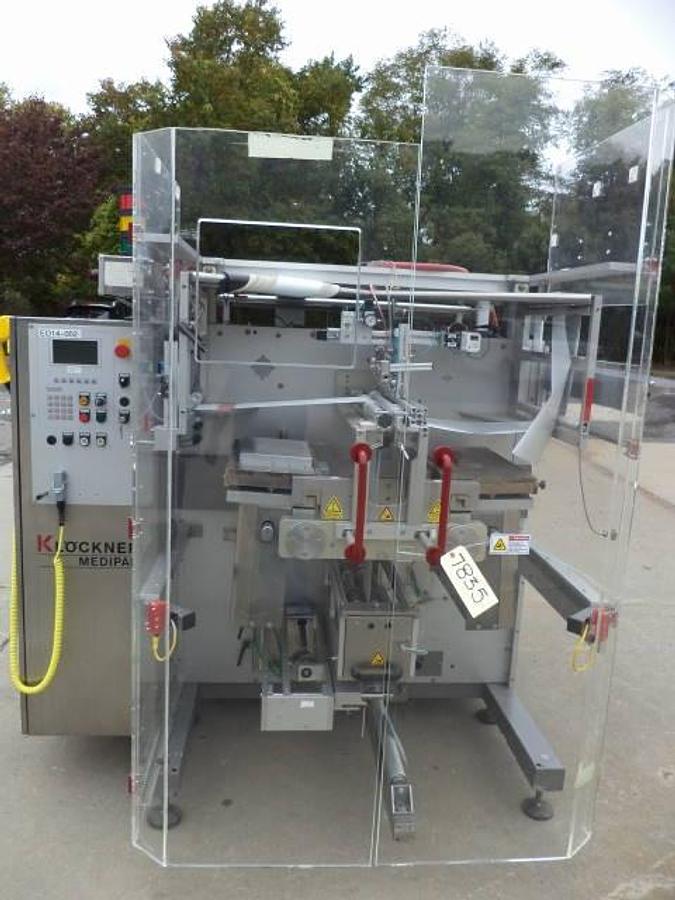
Klockner has produced a wide range of packaging machinery over the years, and used units appear across several categories on the secondary market. Buyers most commonly search for blister packaging lines, horizontal flow wrappers, thermoforming machines, form-fill-seal systems, sachet and pouch machines, and cartoners. A specific example of the type of equipment that surfaces is the Klockner Medipak LA500, a high-speed sachet and pouch machine designed for demanding production environments. The brand built its reputation across pharmaceutical, food, and consumer goods applications, so the used inventory tends to reflect that broad range.
The availability of any specific model at a given time depends on what facilities are decommissioning or upgrading their lines. Used equipment dealers who specialize in packaging machinery are generally the best source for locating specific Klockner models, as they maintain active networks with plants and manufacturers looking to sell surplus equipment. Searching by machine type rather than model number alone can also broaden the options, since Klockner produced many variants within each category across different production eras.
Are used Klockner packaging machines reliable enough for production use?
Klockner built a strong reputation for producing durable, high-quality machinery, and that reputation is a primary reason buyers actively seek out used units rather than defaulting to other brands. Older Klockner machines were engineered to run in demanding production environments, often in pharmaceutical and food facilities where uptime and consistency are critical. As a result, many used Klockner machines that have been properly maintained can still deliver solid performance well into their working life. The brand is generally considered a premium product, and that quality tends to hold up over time.
That said, reliability on any used machine depends heavily on its maintenance history, how it was operated, and how it has been stored since decommissioning. Buyers should treat the inspection process seriously. Reputable used equipment dealers will typically accommodate in-person inspections, video walkthroughs, or video captures of the machine so buyers can assess its current condition before committing. Keep in mind that most dealers do not have the permitting or production setup to run actual product through a machine during inspection, so the assessment will focus on mechanical condition, visible wear, and operational checks rather than a full production trial.
What industries are Klockner packaging machines best suited for?
Klockner packaging machinery has historically served the pharmaceutical, food and beverage, and consumer goods industries. Their blister packaging equipment became particularly well-known in pharmaceutical manufacturing, where precise, tamper-evident packaging is a regulatory requirement. Form-fill-seal systems and sachet machines from Klockner found wide use in food production for portioned products, condiments, and dry goods. The Medipak line, for example, was developed specifically for medical and pharmaceutical sachet applications, reflecting the brand's depth in that sector.
Beyond those core industries, Klockner equipment has also been used in nutraceutical production, personal care product packaging, and general consumer goods manufacturing. The machines were designed to handle a variety of packaging formats and materials, which made them adaptable across product categories. Buyers from any of these industries looking at used Klockner equipment should verify that the specific model they are evaluating is configured for their packaging format and material type, since machine specifications can vary significantly between models and production generations.
What is the typical price range for used Klockner packaging machinery?
Klockner is considered a premium packaging machinery brand, and that positioning carries through to the used equipment market. Even older or high-hour machines tend to hold meaningful value because of the brand's reputation for durability and output quality. Depending on the machine type, age, condition, and configuration, used Klockner equipment can range from tens of thousands of dollars for smaller or older units to well over a hundred thousand dollars for complete, higher-capacity lines or more recent models. High-speed sachet machines, blister lines, and integrated thermoforming systems tend to sit at the higher end of that range.
The total cost of acquiring used Klockner machinery goes beyond the listed price. Buyers should factor in shipping and rigging costs, which can be substantial for larger machines that require specialized loading and unloading equipment. Crating and palletization requirements will also affect the landed cost. Getting a clear picture of all these costs from the dealer before finalizing a purchase is an important step in evaluating whether a specific machine fits within the budget and delivers the expected return on investment.
What should buyers know about spare parts and technical support for Klockner equipment?
Parts availability is one of the more important practical considerations when buying used Klockner machinery. Klockner as a corporate entity has gone through mergers and ownership changes over the years, which can affect how readily parts are sourced for older models. For some machine generations, parts may still be available through the successor company or authorized service networks. For others, buyers may need to rely on third-party parts suppliers, machined replacements, or a stock of spare parts acquired alongside the machine at purchase.
Before finalizing any used Klockner purchase, it is worth contacting the manufacturer or its current successor directly to ask about parts and service support for the specific model and serial number in question. The level of support available can vary significantly based on the machine's age and model line. Dealers who specialize in packaging machinery can sometimes assist with sourcing parts or pointing buyers toward reliable aftermarket suppliers. Buyers who are purchasing a machine for critical production use should treat parts availability as a key part of their due diligence, not an afterthought.
How does the inspection process work when buying used Klockner packaging machinery?
Inspections are a standard part of buying used packaging equipment and are typically offered by reputable dealers in several formats. In-person inspections allow a buyer or their technician to examine the machine directly, check for wear on key components, review the condition of sealing heads, drive systems, and controls, and get a general sense of how the machine was maintained. Virtual inspections via video call are also common, particularly for buyers who are not local to the machine's location. Some dealers can also provide pre-recorded video walkthroughs of the equipment.
In some cases, the machine being sold is still installed at an active production facility, which means an inspection can be arranged at the plant itself. The machine may still be running in production or may have been decommissioned but not yet removed. Either way, buyers should understand that dealers generally cannot run actual product through the machine during an inspection, as production operations require different permitting than a used equipment dealer will have. The inspection is focused on mechanical condition and operational checks. Buyers who want a thorough evaluation should consider bringing a qualified technician familiar with Klockner equipment to assess the machine alongside the dealer's walkthrough.
Can used Klockner packaging machines be integrated with existing production lines?
Klockner packaging machines were generally designed with industrial production environments in mind, and many models can be integrated into existing lines with the right planning and technical support. That said, integration depends on several variables: the specific machine model, its control system generation, the communication protocols it uses, and whether the upstream and downstream equipment in the existing line is compatible in terms of speed, format, and interface. Older Klockner machines may use legacy PLC systems or proprietary controls that require additional engineering work to interface with modern line management systems.
Buyers planning to integrate a used Klockner machine into an existing line should have their engineering or maintenance team review the machine's electrical and mechanical specifications before purchase. Asking the dealer for available documentation, including manuals, wiring diagrams, and parts lists, is an important step. Not all used machines come with complete documentation, so confirming what is available ahead of time helps avoid surprises during installation. A qualified packaging machinery technician or systems integrator with experience on Klockner equipment can be a valuable resource for assessing compatibility and planning the integration process.
What are the typical throughput speeds of Klockner packaging machinery?
Throughput speeds for Klockner machines vary considerably depending on the machine type and model. Klockner built equipment across a wide performance range, from mid-speed units suited for smaller production runs to high-speed machines designed for large-scale continuous production. As a reference point, the Klockner Medipak LA500 is described as a high-speed sachet and pouch machine, indicating it was built for demanding, high-volume applications. Blister packaging lines and form-fill-seal systems from Klockner similarly spanned a range of cycle rates depending on the specific model configuration.
When evaluating a used Klockner machine, buyers should look at the rated speed under the machine's original specifications and then factor in that actual throughput in production may differ based on the product, packaging material, and the condition of the machine after years of use. A machine that once ran at peak rated speed may require servicing, calibration, or parts replacement to return to that output level. Discussing the machine's operational history with the dealer and, where possible, reviewing any available production records can help set realistic expectations for performance after acquisition.
What are the payment and shipping terms buyers should expect when purchasing used Klockner equipment?
Most used equipment dealers require payment in full before a machine is released for shipping. Some dealers may offer extended terms to established repeat customers, but for first-time buyers, full payment upfront is the standard expectation. Buyers should confirm the accepted payment methods and any conditions tied to the transaction before proceeding, particularly for higher-value machines where the financial exposure is significant.
Shipping costs for Klockner packaging machinery can vary widely depending on the machine's size, weight, and destination. Smaller machines may ship on a standard pallet, while larger blister lines or thermoforming systems may require custom crating and heavy-duty rigging for loading and unloading. Rigging costs are typically separate from freight charges and should be asked about explicitly. Buyers should request a full breakdown of packaging, rigging, and freight costs from the dealer to understand the complete landed cost of the equipment before making a purchasing decision. Larger machines shipped internationally will also involve customs clearance costs that should be factored into the budget.
How should buyers evaluate a used equipment dealer selling Klockner machinery?
Since used packaging machinery is sold without manufacturer warranties and is generally offered as-is, the reputation and track record of the dealer matters a great deal. Buyers should look for dealers with a documented history in the packaging machinery space, not general industrial surplus resellers. Dealers who specialize in packaging equipment are more likely to accurately represent a machine's condition, have access to relevant documentation, and understand the technical questions buyers need answered. A long operating history is a reasonable indicator that a dealer has maintained the kind of customer relationships that come from handling transactions fairly.
Beyond the dealer's general reputation, buyers should pay attention to how the dealer handles the inspection process. A dealer who is willing to accommodate in-person or video inspections, provides honest descriptions of a machine's condition, and can answer detailed technical questions about the equipment is a better choice than one who limits access or provides only minimal information. Asking for references from past buyers of similar equipment, reviewing any available feedback or testimonials, and checking how the dealer communicates throughout the inquiry process are all reasonable steps before committing to a significant purchase.