Category
Manufacturer
Model
FAQ:
What types of used Kiss Packaging equipment are typically available for sale?
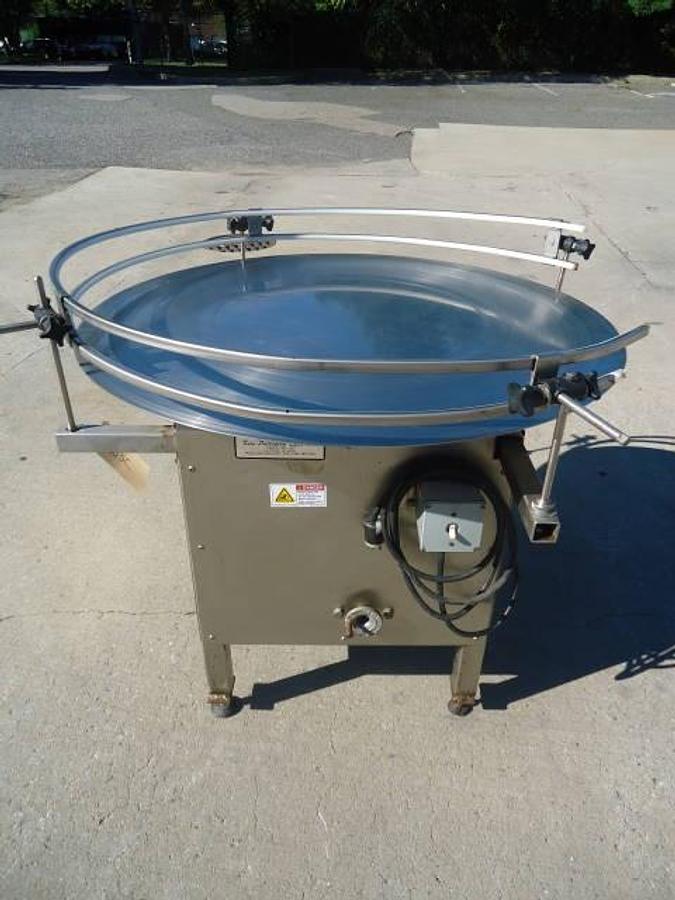
Kiss Packaging Systems produced a range of shrink wrap and packaging machinery that shows up regularly on the used equipment market. The most commonly available machines include L-bar sealers, heat tunnels, shrink wrap systems, and rotary unscrambling and accumulating tables. A good example of the kind of equipment that surfaces through reputable used machinery dealers is the Kiss 42-inch diameter rotary unscrambling and accumulating table, which features variable speed control and is built for high-volume bottle and container handling lines.
Beyond rotary tables, buyers searching the used market will also find Kiss shrink bundlers and combination sealer-tunnel units. These machines were designed with a compact footprint, which is part of why they remain popular on the secondary market. Facilities with limited floor space appreciate that Kiss equipment can handle meaningful throughput without requiring a large dedicated area. When shopping for used Kiss Packaging equipment, it pays to verify the specific model number and ask the dealer for detailed photos or a video walkthrough so you understand exactly what configuration and condition you are purchasing.
What industries use Kiss Packaging machines?
Kiss Packaging Systems built its reputation supplying machinery to a broad cross-section of industries that require shrink wrapping, bundling, or container handling. The most common end users are found in retail distribution, food and beverage, cosmetics, pharmaceuticals, and e-commerce fulfillment operations. The machines were designed to handle a variety of product shapes and sizes, which is why they gained traction across such different sectors.
For facilities running bottling or container lines, the rotary accumulating tables are particularly well-suited to managing product flow between filling, capping, and labeling stations. Shrink wrap systems from Kiss see heavy use in retail packaging applications where a clean, professional wrapped appearance is required at moderate to high production speeds. Because the equipment is mid-range in terms of complexity and cost, it has historically been a practical choice for small to medium-sized operations that need reliable throughput without the overhead of a heavy industrial packaging line.
What should buyers expect when purchasing used Kiss Packaging equipment?
Buying used packaging equipment is a different process than purchasing from a manufacturer. Used machines are sold as-is, which means the condition, age, and operational history of the equipment vary from listing to listing. Buyers carry the responsibility of due diligence, which makes selecting a reputable dealer with a long track record in the packaging equipment space especially important. A dealer who specializes in packaging machinery will generally have more relevant knowledge about Kiss equipment than a general surplus liquidator.
Before committing to a purchase, buyers should request an inspection, either in person or via a live video walkthrough. Many dealers can also provide recorded video of the machine. Keep in mind that most used equipment dealers do not have the production permits or facility setup required to run actual product through a machine during an inspection, so the goal is to assess mechanical condition, completeness of components, and visible wear. Asking the dealer about the machine's service history, how long it was in production, and why it was decommissioned can all provide useful context for evaluating the purchase.
How much does used Kiss Packaging equipment typically cost?
Kiss Packaging Systems was positioned as a mid-range manufacturer, which means their equipment tends to be more accessible on the used market compared to heavy industrial brands. Pricing on used Kiss machinery varies considerably depending on the machine type, age, condition, and included accessories. A basic used L-bar sealer or heat tunnel from Kiss might be found in the low thousands of dollars, while more complex systems like rotary accumulating tables or full shrink line setups will command higher prices.
It is worth factoring in the full landed cost when budgeting for used packaging equipment. The purchase price is only one part of the equation. Shipping, rigging, crating, and any reconditioning or parts replacement needed to bring the machine to production-ready condition can add meaningfully to the total investment. Getting a clear breakdown of those costs from the dealer before finalizing a purchase helps avoid surprises and gives a more accurate picture of what the equipment will actually cost to put into service.
What is a rotary unscrambling and accumulating table, and what is it used for?
A rotary unscrambling and accumulating table is a piece of packaging line equipment designed to orient, separate, and feed containers at a controlled rate into downstream processes like filling, capping, or labeling. The table uses a rotating disc or turntable surface to move containers outward toward a guide rail, where they are singulated into a single-file line. Variable speed control, which is a feature on machines like the Kiss 42-inch rotary table, allows operators to match the feed rate to the speed of the rest of the production line.
These tables are common in bottling operations handling round containers such as bottles, jars, and canisters across food, beverage, cosmetic, and pharmaceutical applications. The 42-inch diameter specification refers to the size of the rotating disc, which determines how many containers the table can hold and accumulate at one time. Larger diameter tables provide more buffer capacity, which helps maintain consistent line flow even when upstream or downstream processes experience brief interruptions. On the used market, rotary accumulating tables in good working condition are practical, cost-effective alternatives to purchasing comparable equipment at full price from a manufacturer.
How is used Kiss Packaging equipment shipped, and what are the typical logistics considerations?
Shipping used packaging machinery requires more planning than standard freight. Smaller Kiss Packaging machines like L-bar sealers may be suitable for standard palletized shipping, but larger equipment such as rotary accumulating tables or full shrink tunnel systems will typically require custom crating to prevent damage in transit. The level of packaging required directly affects shipping costs, so buyers should ask dealers for a specific breakdown of crating, palletization, and freight charges before finalizing a purchase.
For heavier or larger machines, rigging is an additional consideration. Loading and unloading equipment that cannot be handled with a standard pallet jack requires a forklift or crane, and those services carry added costs on both the shipping and receiving ends. Buyers should confirm what rigging is available at their facility before the machine ships to avoid delays on delivery day. Getting a clear picture of the total landed cost, which includes the purchase price, crating, freight, and unloading, is the most reliable way to budget accurately for a used machinery purchase.
What are the typical payment terms for purchasing used packaging equipment?
Used equipment dealers generally require full payment before a machine is released for shipping. This is standard practice in the industry and reflects the nature of selling pre-owned machinery, where the dealer has already acquired and is holding the equipment. Some dealers may offer payment terms to buyers with whom they have an established purchasing relationship, but first-time buyers should expect to pay in full upfront.
Accepted payment methods vary by dealer but commonly include wire transfer, ACH, and in some cases credit cards for smaller purchases. Buyers should confirm accepted payment methods early in the process, especially if they are working within a specific procurement or accounts payable workflow. It is also worth clarifying whether the quoted price is inclusive of any applicable taxes or fees, or whether those will be added at the time of invoicing.
Are replacement parts available for used Kiss Packaging machines?
Parts availability is one of the most practical considerations when buying used packaging equipment, and it is worth researching before committing to a purchase. For Kiss Packaging Systems machines, the availability of replacement parts depends on the specific model and how long ago it was manufactured. Older or discontinued models may have limited factory support, while more recent models may still have parts available through the manufacturer or third-party suppliers.
Buyers are encouraged to contact Kiss Packaging Systems directly to ask about parts availability and technical support for the specific model they are considering. The manufacturer can give an honest assessment of what components are still stocked, what might need to be sourced through third parties, and whether the model in question is still supported by their service team. Asking this question before purchase, rather than after, can prevent situations where a machine is difficult or expensive to maintain once it is in production.
How do buyers evaluate the condition of used Kiss Packaging equipment before purchasing?
Evaluating the condition of used packaging machinery starts with getting as much visual information as possible. Reputable dealers will accommodate in-person inspections at their facility, or in cases where the machine is still located at the plant where it was used, they can often arrange access for the buyer or a third-party inspector. Video inspections and recorded walkthroughs are also common options, particularly for buyers who are not local to the equipment's location. The goal is to get a clear, honest picture of the machine's current mechanical condition, completeness, and visible wear.
During an inspection, buyers should look for signs of physical damage, missing components, worn belts or seals, and the overall cleanliness and maintenance condition of the machine. Asking the dealer whether the machine was in active production until recently or had been sitting idle for an extended period is relevant, since machines that have been out of service for a long time may require more attention to get running. Keep in mind that most dealers cannot run actual product through the equipment during an inspection due to facility and permitting limitations, so the inspection focuses on mechanical assessment rather than a full production trial.
What should buyers consider when choosing a dealer for used Kiss Packaging equipment?
The dealer you buy from matters as much as the machine itself when purchasing used packaging equipment. Because used machinery is sold as-is, the buyer's protection comes largely from the dealer's reputation, transparency, and willingness to provide accurate information about the equipment. Dealers who have been in the packaging equipment business for many years and specialize in that category are generally better positioned to answer technical questions, accurately represent machine condition, and assist with logistics compared to general surplus or auction platforms.
Look for dealers who are willing to provide detailed photos, video, or live inspections of the equipment, and who can speak knowledgeably about the specific Kiss Packaging model you are considering. Ask how long they have been selling packaging machinery, what their process is for inspecting equipment before listing it, and how they handle situations where a machine arrives in a condition that was not accurately described. A dealer with a long track record and a specialization in packaging equipment is a meaningful indicator of reliability in a market where buyer due diligence is the primary form of protection.