Category
Manufacturer
Model
Kemwall
Kemwall specializes in engineering solutions for various manufacturing processes, particularly in the food and beverage sector. Their equipment includes advanced mixing and blending systems that enhance product quality and consistency.
FAQ:
What is Kemwall equipment and what is it used for?
Kemwall is a manufacturer that specializes in engineering solutions for various manufacturing processes, with a particular focus on the food and beverage sector. Their product line includes advanced mixing and blending systems designed to enhance product quality and consistency, as well as rotary powder compacting presses and electric mix kettles. The equipment is built for industrial-scale production environments where precision, repeatability, and durability are critical requirements.
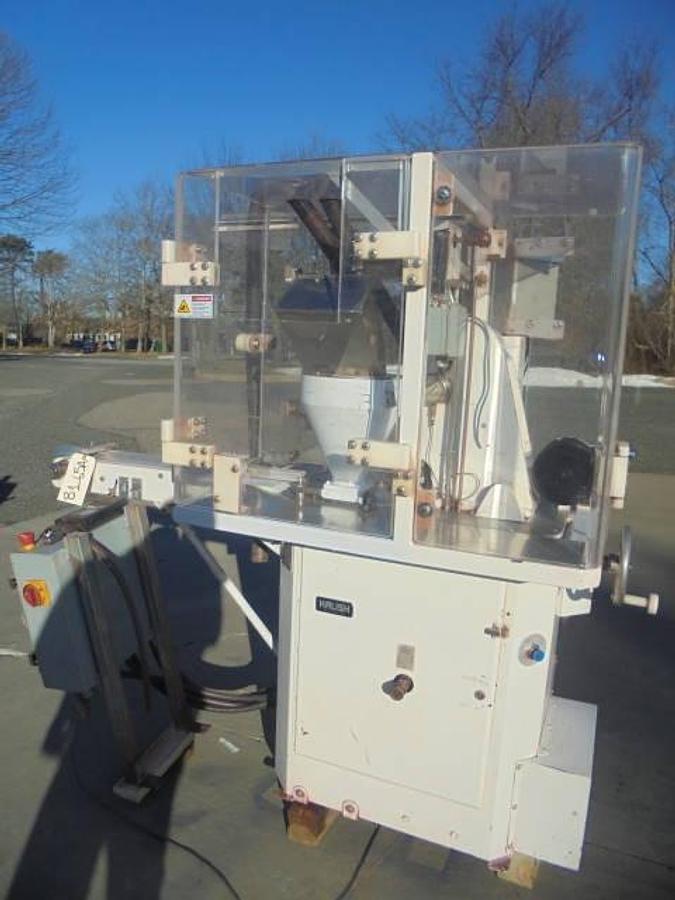
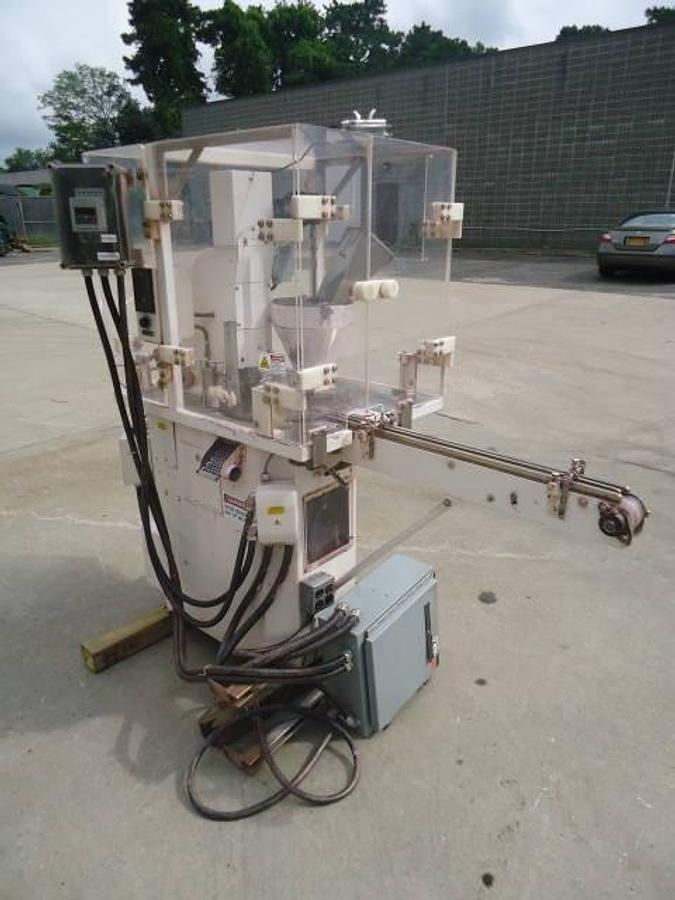
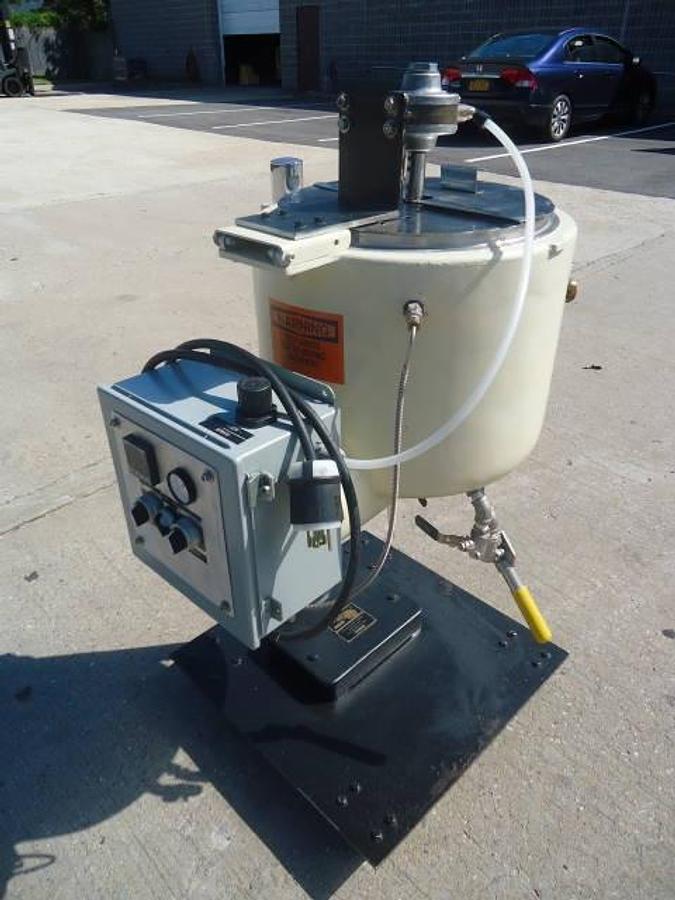
Rotary powder compacting presses, one of Kemwall's more commonly seen product types on the used market, are used to compress dry powders or granules into uniform tablets, pucks, or compacted forms. This type of equipment is found in food processing, nutraceutical manufacturing, chemical processing, and pharmaceutical-adjacent industries. Mix kettles, such as the 5-gallon air-operated electric model, are used for blending, heating, or processing small to medium batches of liquid or semi-liquid products. Because Kemwall is a niche manufacturer rather than a mass-market brand, their machines tend to appear through specialized industrial dealers and surplus channels rather than mainstream equipment retailers.
What types of Kemwall machines are commonly available on the used equipment market?
The Kemwall machines that appear most frequently on the used and surplus equipment market include rotary powder compacting presses and electric mix kettles. Rotary powder compacting presses from Kemwall are available in different configurations, including hydraulic models and multi-station designs such as eight-station rotary presses. These machines are sought after for powder processing applications in food, nutraceutical, and chemical manufacturing environments. The hydraulic versions are particularly valued for their ability to apply consistent compaction force across high-volume production runs.
Electric mix kettles, such as the 5-gallon air-operated model, represent the smaller-batch blending side of the Kemwall product line. These units are typically used in pilot production, specialty food processing, or situations where precise small-batch mixing is required. Because Kemwall is a niche brand, availability on the used market can be limited and inventory turns over quickly. Buyers looking for specific Kemwall models are generally advised to act promptly when a suitable machine becomes available, and to work with dealers who specialize in food and beverage or powder processing equipment.
What should I look for when inspecting a used Kemwall rotary powder compacting press before buying?
A thorough inspection of a used Kemwall rotary powder compacting press should cover several key mechanical and operational areas. Start by examining the tooling stations, punches, and dies for wear, cracking, or deformation, since these components bear the brunt of compaction forces and are critical to producing consistent output. Check the hydraulic system on hydraulic models for leaks, pressure integrity, and the condition of seals and hoses. The turret, cam tracks, and feeder mechanisms should rotate smoothly without binding or unusual play. Any signs of excessive vibration, corrosion, or improvised repairs are worth flagging before committing to a purchase.
Buyers should request an in-person inspection, a video walkthrough, or detailed photo documentation from the dealer prior to purchase. Some machines may still be installed in an active production facility, which can allow for a live demonstration under operating conditions. Keep in mind that most used equipment dealers do not have the production permits or infrastructure to run actual product through a machine during a dealer-side inspection, so the goal is to assess mechanical condition and verify that all major components are present and functional. Consulting the manufacturer about parts availability and support for the specific model and age of the press is also a smart step before finalizing any purchase decision.
Does used Kemwall equipment come with a warranty?
Used equipment, including Kemwall machines sold through industrial dealers or surplus channels, is typically sold on an as-is basis without a warranty. Warranties are generally only offered by original manufacturers on factory-direct purchases of brand-new machinery. When a machine changes hands on the secondary market, that manufacturer coverage does not transfer to subsequent buyers. This is standard practice across the used industrial equipment industry, not something unique to any particular brand or dealer.
Because there is no warranty protection on used machinery, the responsibility for assessing condition falls squarely on the buyer. This makes pre-purchase inspection critically important. Buyers should work with reputable dealers who have a verifiable track record in their specific equipment category, request thorough documentation of the machine's condition, and take advantage of any inspection opportunities offered. It is also worth contacting Kemwall directly to understand what level of technical support, parts availability, and service documentation exists for the specific model being considered, since older or discontinued models may have more limited manufacturer support than more recent ones.
What industries use Kemwall equipment?
Kemwall equipment is primarily associated with the food and beverage manufacturing sector, where their mixing, blending, and powder compacting machines address common processing challenges around product consistency and quality. Rotary powder compacting presses are used wherever dry ingredients need to be formed into tablets, pellets, or compacted shapes, which includes applications in nutraceuticals, dietary supplements, specialty food ingredients, and certain chemical processing operations. Mix kettles serve blending and heating functions that are common across food production, beverage manufacturing, and small-batch specialty processing.
Beyond food and beverage, the powder compacting technology found in Kemwall presses has crossover applications in industries that work with granular or powdered materials, including certain pharmaceutical-adjacent manufacturing environments and industrial chemical processing. The multi-station rotary design of some Kemwall presses makes them well-suited for medium to high-volume production runs where throughput and uniformity are priorities. Buyers from outside the food sector who are evaluating Kemwall equipment for alternative applications should verify that the machine's specifications, materials of construction, and tooling configurations are appropriate for their intended use before purchasing.
How is used Kemwall equipment typically priced?
Pricing for used Kemwall equipment varies considerably depending on the machine type, model configuration, age, overall condition, and current market demand. Smaller units like 5-gallon electric mix kettles generally fall at the lower end of the price spectrum compared to multi-station rotary powder compacting presses, which involve more complex mechanical assemblies and are priced accordingly. Hydraulic rotary presses with multiple tooling stations represent a higher capital investment than simpler single-function machines, and their pricing on the used market reflects that complexity.
Because Kemwall is a niche manufacturer with limited inventory on the secondary market at any given time, pricing can be less predictable than it would be for more widely traded brands. Buyers should research comparable powder compacting and mixing equipment from other manufacturers to establish a reasonable price reference point. It is also worth factoring in the full landed cost of the equipment, including any rigging, crating, freight, and installation expenses, before comparing prices across listings. Reaching out directly to dealers who specialize in food processing or powder handling equipment tends to yield more accurate and current pricing information than relying on general equipment aggregator sites.
How does shipping and delivery work for used Kemwall equipment?
Shipping used industrial equipment like Kemwall presses and kettles requires careful planning to prevent damage in transit. Smaller machines such as mix kettles can typically be palletized and shipped via standard freight carriers, though proper securing and protective packaging are still essential. Larger or heavier equipment, such as multi-station rotary powder compacting presses, may require custom crating and heavy-duty rigging for both loading at the origin and unloading at the destination. The cost of rigging, crating, and freight will vary based on machine size, weight, distance, and the specific services required, so buyers should request a detailed breakdown of all shipping-related costs from the dealer before finalizing a purchase.
Buyers should ask dealers specifically about how the machine will be packaged, what rigging equipment will be used for loading, and whether the buyer is responsible for arranging unloading at the destination. Understanding these logistics upfront helps avoid unexpected costs and delays. Most used equipment dealers require full payment before a machine is released for shipping, which is standard practice in the industry. Lead times from payment to delivery will depend on how quickly the machine can be rigged and prepared for shipment, carrier scheduling, and the distance involved.
Can I inspect a used Kemwall machine before purchasing it?
Inspections are a standard and expected part of buying used industrial equipment, and reputable dealers will typically accommodate them in several formats. In-person inspections allow a buyer or their designated representative to physically examine the machine, check for wear and damage, verify that all components are present, and assess overall mechanical condition. Video inspections and detailed photo documentation are common alternatives when travel is not practical, and a thorough dealer-provided video can cover the key mechanical systems, control panels, and any visible condition issues in sufficient detail to support a purchase decision.
In some cases, a Kemwall machine may still be installed and operating at the facility where it was originally used, which can allow for a live inspection under production conditions. This is one of the more informative inspection scenarios available to buyers. However, it is worth understanding that most used equipment dealers do not have the production permits or operational infrastructure to run actual product through a machine at their own facility, so dealer-side inspections generally focus on mechanical verification rather than full production testing. Buyers with specific performance requirements should discuss what level of operational demonstration is feasible given the machine's current location and status.
Are replacement parts available for used Kemwall equipment?
Parts availability for used Kemwall equipment depends largely on the age of the machine and the current support posture of the manufacturer. Because Kemwall is a niche manufacturer rather than a large industrial brand with an extensive global distribution network, buyers should not assume that parts will be readily available off the shelf. Before purchasing a used Kemwall machine, it is advisable to contact the manufacturer directly to ask about parts availability for the specific model and serial number in question. This conversation can reveal whether the machine is still within a supported product generation or whether it is an older model for which parts supply may be limited or require custom fabrication.
For rotary powder compacting presses specifically, tooling components such as punches, dies, and wear parts are often the most frequently replaced items. In some cases, these can be sourced from third-party tooling manufacturers who produce compatible components to standard industry dimensions, which can partially offset the risk of limited manufacturer support. Buyers should also ask the selling dealer whether any spare parts, tooling sets, or maintenance documentation are included with the machine, as these can significantly reduce the cost and complexity of keeping the equipment operational after purchase.
What payment terms should I expect when buying used Kemwall equipment from a dealer?
The standard payment practice among used industrial equipment dealers is to require full payment before a machine is released for shipment or pickup. This applies broadly across the industry and is not specific to any particular brand or equipment type. For buyers making a first-time purchase from a dealer, full upfront payment is almost universally the expectation. Some dealers may offer payment terms or financing arrangements to established repeat customers, but these arrangements are negotiated on a case-by-case basis rather than being a standard offering.
Buyers should clarify payment expectations early in the purchasing process, including accepted payment methods and any deposit requirements that may apply to hold a machine while inspection or logistics arrangements are being finalized. It is also worth confirming what documentation will be provided upon payment, such as a bill of sale or title transfer, to ensure a clean transaction record. Because used equipment purchases are typically final and made on an as-is basis, taking the time to complete a thorough inspection before submitting payment is the most important step a buyer can take to protect their investment.