Category
Manufacturer
Model
Kemper
Kemper is a prominent manufacturer of equipment for the food processing industry, particularly known for their cooking and cooling systems. Their machines are designed to optimize production processes and improve product consistency.
FAQ:
What types of Kemper food processing equipment are commonly available on the used market?
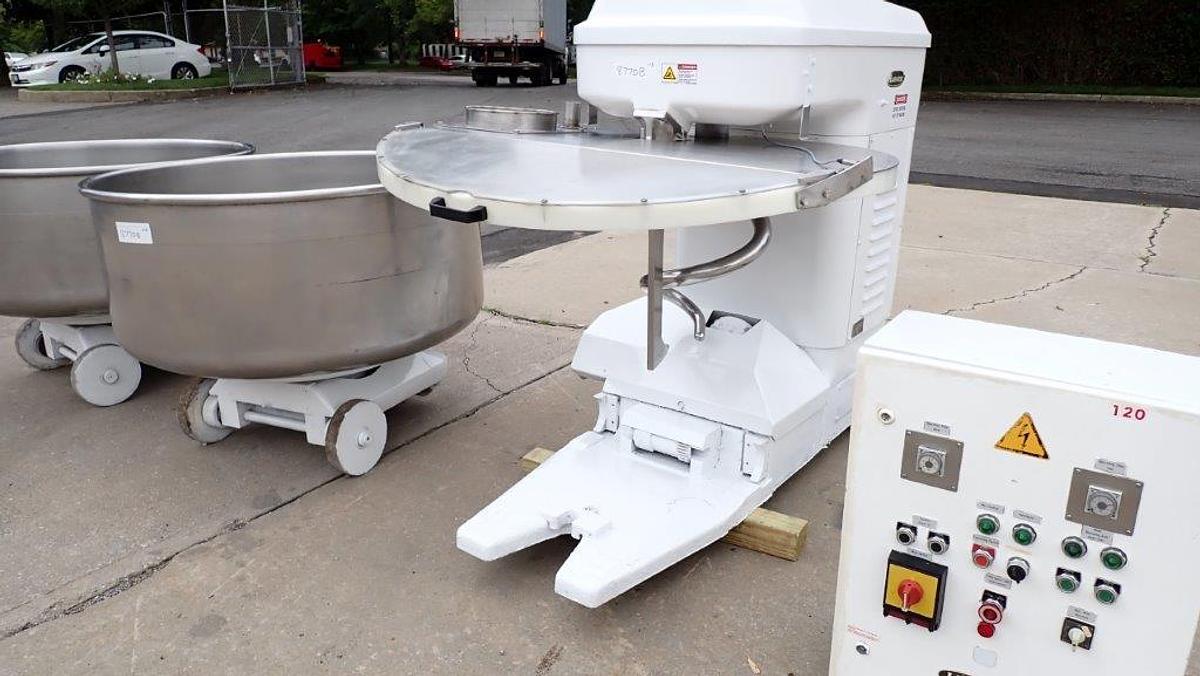
Kemper produces a wide range of commercial food processing machinery, and several categories show up regularly on the secondary market. Spiral bakery mixers are among the most frequently listed, often available in single-bowl and dual-bowl configurations. Dough dividers, bread forming machines, and cooking and cooling systems also appear with regularity, reflecting the breadth of Kemper's product line across baking and food production.
Beyond mixers and dividers, buyers looking at used Kemper equipment will sometimes find proofing systems, dough sheeters, and specialty processing units designed for high-volume bread, pastry, and pizza production. The brand's reputation for durability means machines from earlier production runs continue to circulate in the market long after their initial installation, giving buyers a reasonably consistent supply of equipment across different models and capacities.
What is Kemper known for in the commercial food processing industry?
Kemper is a German manufacturer with decades of experience building equipment specifically for the baking and food processing sectors. The brand is particularly recognized for its spiral mixers and dough processing systems, which are engineered for precision, consistency, and high throughput. Their machines are designed to optimize production workflows, which is why they are found in everything from artisan bakeries to large-scale industrial bread facilities, pizza chains, and pastry operations.
The company's engineering reputation rests on a few key qualities: robust construction, long operational lifespans, and consistent dough handling that preserves product quality across large batch sizes. These characteristics have made Kemper equipment a trusted choice in European and international commercial baking for many years, and they are a significant reason why used Kemper machines retain strong demand on the secondary market well after their initial deployment.
Is used Kemper equipment suitable for small artisan bakeries, or is it designed only for large industrial operations?
Kemper's product line spans a fairly wide range of production scales, so used equipment from this manufacturer can be appropriate for both smaller artisan operations and high-volume industrial facilities, depending on the specific model. Smaller spiral mixers with modest bowl capacities are well-suited to craft bakeries that need consistent dough development without the footprint or cost of the largest industrial machines. Buyers should pay close attention to the bowl capacity, motor output, and batch size specifications of any specific unit to confirm it matches their actual production volume.
That said, many Kemper machines available on the secondary market originally came from large commercial or industrial environments, which means they were built to handle demanding, continuous-use conditions. For a small bakery, this can actually be an advantage since the machine is likely overbuilt relative to the workload it will face in a lower-volume setting. The key is matching the machine's electrical requirements and physical dimensions to the facility, and confirming the model's capacity range aligns with daily production needs before purchasing.
What is the typical price range for used Kemper food processing equipment?
Pricing for used Kemper equipment varies considerably based on the machine type, model, age, condition, and included accessories. A used Kemper spiral mixer, for example, can range from a few thousand dollars for an older, higher-mileage unit to well above ten thousand dollars for a larger-capacity or more recent model in good working condition. Cooking and cooling systems, dough dividers, and more specialized processing lines tend to carry higher price points given their complexity and the cost of comparable alternatives.
Buyers should factor in more than just the listed machine price. Shipping, rigging, and any crating or palletization required to move the equipment safely will add to the total landed cost. Depending on the buyer's location and the machine's origin, freight costs for heavy bakery equipment can be substantial. Getting a clear picture of all costs before committing to a purchase is the best way to avoid surprises and accurately compare options across different sellers.
What capacity range do Kemper spiral mixers typically cover?
Kemper spiral mixers are produced across a broad capacity spectrum, which is part of why they appear in so many different types of baking operations. Smaller models handle batches in the range of 20 to 60 kilograms of dough, making them practical for artisan bakeries or foodservice operations with moderate daily output. Larger industrial models can process significantly higher volumes per batch, with some units designed for continuous heavy-duty production in high-throughput bread and roll manufacturing environments.
When evaluating a specific used Kemper spiral mixer, buyers should look at both the bowl capacity in liters or kilograms and the motor horsepower or kilowatt rating, as these together determine what the machine can realistically handle. Some models are available with two bowls, which allows one bowl to be loaded or unloaded while the other is in use, effectively increasing throughput without requiring a second machine. Confirming these specifications against actual production requirements is an important step before finalizing any purchase.
How should a buyer verify the condition of used Kemper equipment before purchasing?
Inspecting used bakery equipment carefully before buying is essential, especially for precision machines like Kemper spiral mixers and dough processing systems. Reputable dealers will typically offer in-person inspections, virtual walkthroughs, or detailed video documentation of the machine's current condition. If the equipment is still installed at a production facility, it may be possible to observe it operating under real production conditions, which gives the clearest picture of its working order. Buyers should ask specifically about the condition of wear components such as spiral hooks, bowl drives, and seals, as these affect both performance and future maintenance costs.
It is worth noting that most equipment dealers do not have the permits or infrastructure to run full production tests with actual product, so testing will generally be limited to mechanical operation rather than a complete baking trial. Buyers should also request any available documentation on the machine's service history, previous maintenance, and any known issues. Consulting with a qualified bakery equipment technician, either in person or via video, can help identify potential concerns that might not be obvious to a non-specialist. Taking these steps before purchasing reduces risk significantly when buying used equipment on an as-is basis.
What electrical specifications should buyers check when purchasing used Kemper equipment?
Kemper equipment is manufactured in Germany and designed primarily for European electrical standards, which typically means 380-400 volt, three-phase, 50 Hz power. Buyers in North America or other regions with different electrical infrastructure need to verify that their facility can accommodate the machine's voltage, phase, and frequency requirements before purchasing. Running a machine on incompatible power without proper conversion can damage motors and controls, so this is not a detail to overlook.
If a facility runs on a different electrical standard, options include installing a phase converter, a step-up or step-down transformer, or having the machine's electrical components modified by a qualified technician. Each approach carries its own cost and complexity, and some modifications may affect motor performance or long-term reliability. Buyers should confirm the exact electrical specifications listed on the machine's nameplate and discuss compatibility with an electrician familiar with industrial equipment before committing to a purchase, particularly for imported units.
Are replacement parts and technical support available for used Kemper machines?
Parts availability for used Kemper equipment depends significantly on the age and model of the machine. Kemper has been producing commercial bakery equipment for many decades, and while the brand has strong name recognition and a wide install base, support for older or discontinued models can vary. Buyers are advised to contact Kemper or an authorized service representative directly to ask about parts availability and technical support for the specific model they are considering. This conversation can reveal whether common wear parts are still stocked, whether the manufacturer still services that model, and what the realistic cost of ongoing maintenance might be.
For machines that are older or for which manufacturer support has been reduced, third-party bakery equipment service companies can sometimes source compatible parts or fabricate replacements. The strength of Kemper's engineering reputation means that many of their machines were built with quality components that have long service lives, but buyers should go in with realistic expectations about parts lead times and costs for older units. Doing this research before purchasing, rather than after, helps avoid situations where a machine sits idle waiting for a part that is difficult to source.
What should buyers understand about shipping and freight for used Kemper bakery equipment?
Kemper spiral mixers and food processing systems are heavy, industrial-grade machines, and shipping them requires more planning than standard freight. Most units will need to be properly palletized or crated before transport to prevent damage in transit. The level of packaging required, and therefore the associated cost, depends on the machine's size, weight, and the distance it needs to travel. Buyers should ask dealers specifically about how the equipment will be prepared for shipment and what that packaging process includes.
For larger machines, rigging is often required for both loading at the origin and unloading at the destination. This means using forklifts, cranes, or specialized rigging crews, which adds to the total cost and requires coordination on both ends. International shipments involve additional considerations including customs documentation, import duties, and potentially longer lead times. Buyers should request a full breakdown of shipping, rigging, and crating costs from the dealer before finalizing a purchase so that the true landed cost of the equipment is clear from the start.
What are the typical payment terms when buying used Kemper equipment from a dealer?
Used equipment dealers generally require payment in full before a machine is released for shipment. This is standard practice across the industry and reflects the nature of used equipment transactions, where machines are sold as-is and the dealer needs to confirm funds before arranging logistics. Buyers who are purchasing for the first time from a particular dealer should expect to pay in full upfront, and should factor this into their cash flow planning, especially for higher-value machines.
Some dealers may offer extended terms or financing arrangements to established customers with a prior purchase history, but this is not universal. Buyers should ask about payment options early in the process and clarify accepted payment methods, which commonly include wire transfers for larger transactions. Understanding payment expectations before negotiations progress saves time and avoids misaligned expectations on either side of the transaction.