Category
Manufacturer
Model
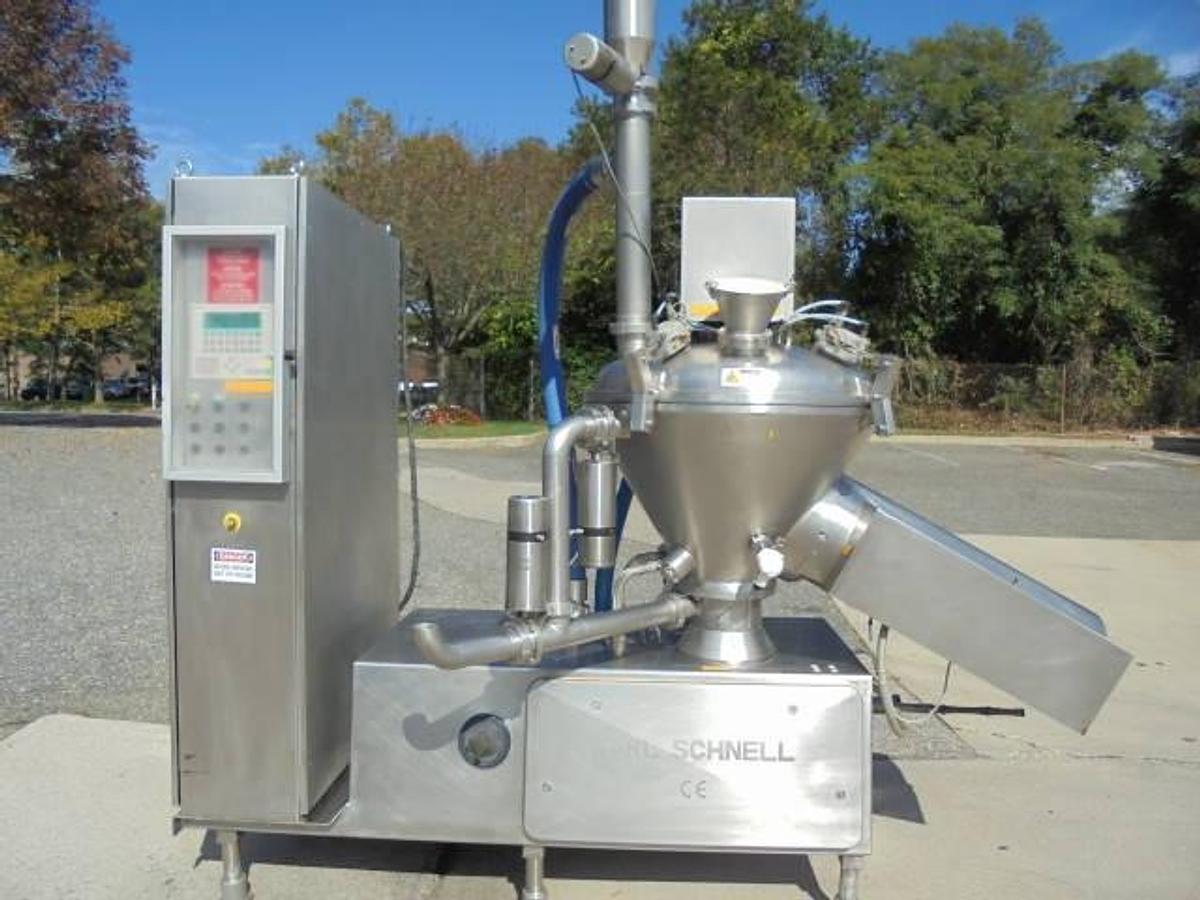
Karl Schnell
Karl Schnell is recognized for its high-speed packaging solutions, primarily serving the food, pharmaceutical, and cosmetics industries. They are particularly known for their cartoning and wrapping machines that combine versatility with precision.
FAQ:
What types of Karl Schnell equipment are commonly available on the used market?
Karl Schnell produces a range of food processing machinery that shows up regularly in the used equipment market. The most frequently traded machines include bowl cutters, vacuum emulsifiers, grinders, mixers, and inline processing systems. Karl Schnell is also recognized for cartoning and wrapping machines that serve pharmaceutical and cosmetics manufacturers in addition to food processors. The brand's versatility across product categories means buyers from several industries often seek out these machines secondhand.
Used Karl Schnell equipment tends to attract interest because the machines are built for high-throughput commercial and industrial environments. Their stainless steel construction and hygienic design hold up well over time, which makes buying a used unit a practical option for processors looking to expand capacity without the lead times and cost associated with purchasing directly from a manufacturer. Availability varies depending on what facilities are decommissioning or upgrading at any given time, so working with a dealer who specializes in food processing equipment is the most reliable way to find specific models.
What industries use Karl Schnell processing equipment?
Karl Schnell has built its reputation primarily in food processing, with a particularly strong presence in meat, poultry, and fish production. Their emulsifiers, grinders, and bowl cutters are designed to meet the strict hygienic standards required in these environments, making them a common choice for large-scale commercial processors producing products like sausages, deli meats, and seafood preparations. The precision engineering behind Karl Schnell machines supports consistent texture and product quality at high volumes, which is a critical requirement in industrial food manufacturing.
Beyond food processing, Karl Schnell also manufactures equipment used in the pharmaceutical and cosmetics industries. Their cartoning and wrapping machines, in particular, are valued for combining versatility with precision in packaging applications across these sectors. This cross-industry applicability means that used Karl Schnell equipment can appeal to a fairly broad range of buyers, and a machine previously used in one sector may be well-suited for repurposing in another, depending on the specific model and configuration.
What should buyers know about purchasing used Karl Schnell equipment instead of buying directly from the manufacturer?
Buying used Karl Schnell equipment offers a significant cost advantage compared to purchasing through a manufacturer, and the brand's reputation for durable stainless steel construction means many machines retain strong functionality well into their service life. Used units are typically available much faster than lead times for manufactured-to-order equipment, which can be a deciding factor for processors dealing with capacity constraints or unexpected line failures. That said, buyers should approach the purchase with a clear understanding that used machines are sold as-is, and the responsibility for verifying condition falls on the buyer.
The most important step in a used equipment purchase is a thorough inspection before committing to a deal. Reputable dealers will offer in-person visits, video walkthroughs, or recorded footage of the machine to give buyers an accurate picture of its current condition. It is also worth contacting Karl Schnell directly to understand what level of technical support, parts availability, and documentation they can provide for the specific model and age of machine being considered. Older models may have limited parts availability, so confirming this before purchase can prevent costly surprises down the line.
How should buyers inspect a used Karl Schnell machine before purchasing?
Inspection is one of the most important steps in buying used food processing equipment, and Karl Schnell machines are no exception. Buyers should request either an in-person visit to the machine's location or, where that is not possible, a detailed video inspection conducted by the dealer. The goal is to assess the machine's mechanical condition, check for wear on cutting components, seals, and drive systems, and confirm that the unit is complete with all major parts intact. Some machines may still be in active production at a facility, which can make it easier to observe them running under real conditions.
Keep in mind that most used equipment dealers are not set up to run full production trials, as that requires permits and infrastructure beyond what a typical dealer operates. What dealers can do is demonstrate basic mechanical function and provide documentation or service records if available. Buyers with specific technical requirements should consider bringing in a qualified service technician familiar with Karl Schnell equipment to assist with the evaluation. Consulting with Karl Schnell's service team about the specific model can also help buyers understand what to look for and what maintenance history would be considered acceptable for that machine.
Are spare parts available for used Karl Schnell machines?
Parts availability for Karl Schnell equipment depends largely on the model and the age of the machine. Karl Schnell is a German manufacturer with a long history in food processing, and for many of their more widely used models, replacement components such as cutting blades, seals, wear parts, and drive components can be sourced either directly through the manufacturer or through third-party industrial suppliers. Buyers should contact Karl Schnell directly before finalizing a purchase to confirm what support and parts they can expect for the specific model they are considering.
For older or discontinued models, parts availability can be more limited, and some components may need to be fabricated or sourced from specialty suppliers. This is a standard challenge across the used food processing equipment market and is not unique to Karl Schnell. Factoring potential parts sourcing difficulty into the purchase decision is a smart practice, especially for machines that will be used in a high-volume production environment where downtime is costly. Dealers who specialize in food processing equipment can sometimes assist with sourcing parts or connecting buyers with service networks familiar with the brand.
What is the typical price range for used Karl Schnell equipment?
Pricing for used Karl Schnell equipment varies considerably depending on the type of machine, its age, condition, and configuration. Smaller units such as tabletop mixers or compact grinders tend to be available at lower price points, while large-capacity inline emulsifiers, bowl cutters with high-horsepower drives, or complete processing lines can represent a much more significant investment. In general, used food processing equipment from established European manufacturers like Karl Schnell commands a premium over lesser-known brands because of the build quality and reputation for longevity.
Buyers should also factor in costs beyond the listed price. Shipping, rigging, crating, and any reconditioning or installation work can add meaningfully to the total landed cost of a machine. Requesting a full breakdown of these costs from the dealer before agreeing to a purchase is a practical step that avoids unexpected expenses. For buyers comparing multiple machines, getting quotes that include freight and handling makes it easier to do a true apples-to-apples comparison between options at different dealers or in different locations.
What are the hygienic design features that make Karl Schnell equipment well-suited for food processing?
Karl Schnell has built its food processing equipment around hygienic design principles that are a requirement in commercial meat, poultry, and fish production. Their machines are constructed with stainless steel as the primary material, which resists corrosion, tolerates the cleaning chemicals used in food facilities, and does not harbor bacteria the way other materials can. Smooth surfaces, minimal crevices, and designs that allow for thorough washdown are standard features across their product line. These characteristics are not just about compliance but about practical durability in environments where equipment is cleaned aggressively on a daily basis.
For buyers considering used Karl Schnell equipment, the hygienic construction is actually one of the reasons these machines hold their value and functional integrity over time. Stainless steel frames and contact surfaces that were properly maintained tend to remain in serviceable condition for many years. When inspecting a used unit, buyers should pay attention to the condition of seals, gaskets, and any plastic or rubber components, as these wear faster than the steel structure and may need replacement. The overall structural condition of a well-maintained Karl Schnell machine is often quite good even after years of production use.
What capacity ranges are available for used Karl Schnell emulsifiers and grinders?
Karl Schnell manufactures emulsifiers and grinders across a range of capacities to serve different production scales. Smaller units may be suited for specialty producers or pilot-scale operations, while larger industrial models are designed for continuous high-throughput processing in major food manufacturing facilities. Throughput ratings for Karl Schnell emulsifiers, for example, can vary from a few hundred kilograms per hour on smaller models to several thousand kilograms per hour on their larger inline systems. The specific capacity of any given used machine will depend on the model designation and configuration.
When evaluating a used Karl Schnell emulsifier or grinder, buyers should verify the machine's rated capacity against their actual production requirements, keeping in mind that used machines may not always perform at their nameplate specifications depending on their maintenance history and the condition of wear components. Asking the dealer for the model number and consulting Karl Schnell's technical documentation or service team can help confirm what a particular unit was designed to handle and what realistic throughput expectations are for a machine of that age and condition.
What are the typical shipping and logistics considerations for buying used Karl Schnell equipment?
Karl Schnell machines, particularly their larger emulsifiers, bowl cutters, and inline processing systems, are heavy industrial equipment that requires careful planning to move safely. Proper crating or palletization is essential to prevent damage in transit, and the level of packaging required will affect shipping costs. For large machines, professional rigging services are typically needed for loading at the seller's facility and unloading at the destination, and these costs are usually separate from the freight charges. Buyers should ask dealers for a complete breakdown of packaging, rigging, and shipping costs before finalizing a purchase so there are no surprises in the total landed cost.
International shipments add additional complexity, including customs documentation, import duties, and compliance with destination country regulations for used food processing equipment. Working with a freight forwarder experienced in industrial machinery can simplify this process significantly. For domestic purchases, standard LTL or flatbed freight is commonly used depending on the size and weight of the machine. Regardless of the shipping method, confirming insurance coverage for the equipment during transit is a step buyers should not overlook, as damage in transit on used equipment can create complicated situations given that these machines are sold as-is.
What payment terms should buyers expect when purchasing used Karl Schnell equipment from a dealer?
Used equipment dealers generally require full payment before a machine is released for shipping. This is standard practice across the industry and reflects the fact that used equipment transactions do not carry the same financing structures as purchasing through a manufacturer. For buyers who have an established relationship with a dealer and a track record of prior purchases, some dealers may offer payment terms, but first-time buyers should plan for payment in full upfront. Wire transfer is the most common payment method for transactions of this size, though specific payment options will vary by dealer.
Buyers should also be aware that the purchase price is typically just one component of the total cost. Rigging, crating, freight, and any applicable taxes or import duties will add to the final amount. Getting a complete quote that itemizes all of these costs before committing to a purchase is the best way to accurately budget for the acquisition. If financing is needed, buyers may want to explore equipment financing options through third-party lenders who specialize in industrial machinery, as some lenders will work with used equipment purchases even when the seller does not offer direct financing.