Category
Manufacturer
Model
Kaps-All
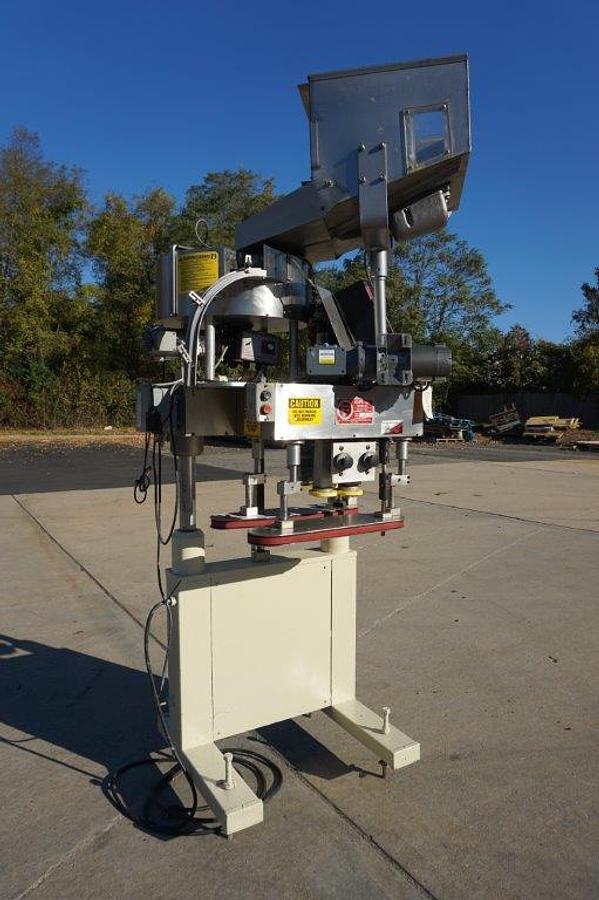
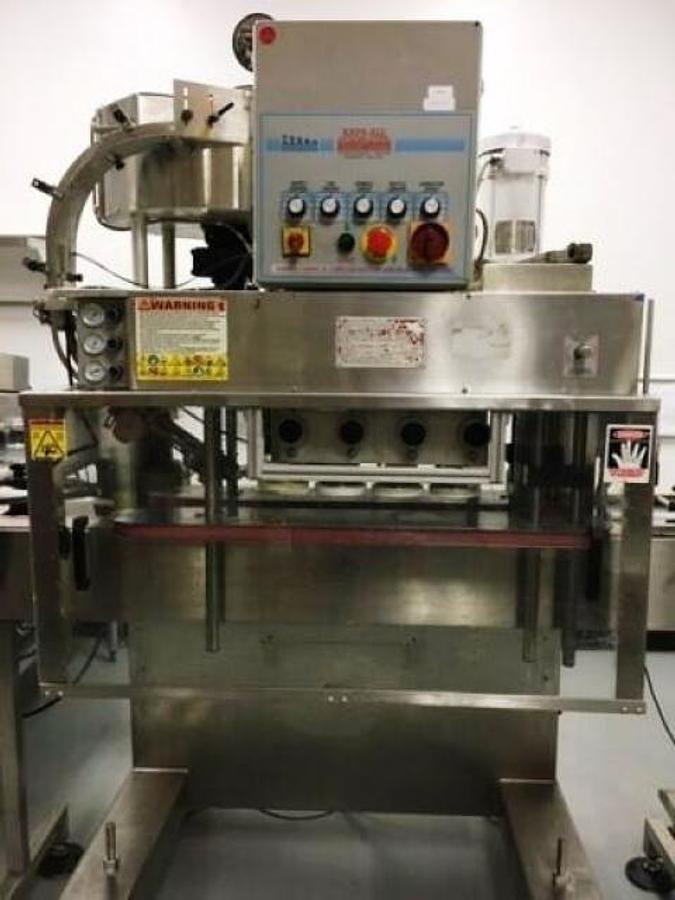
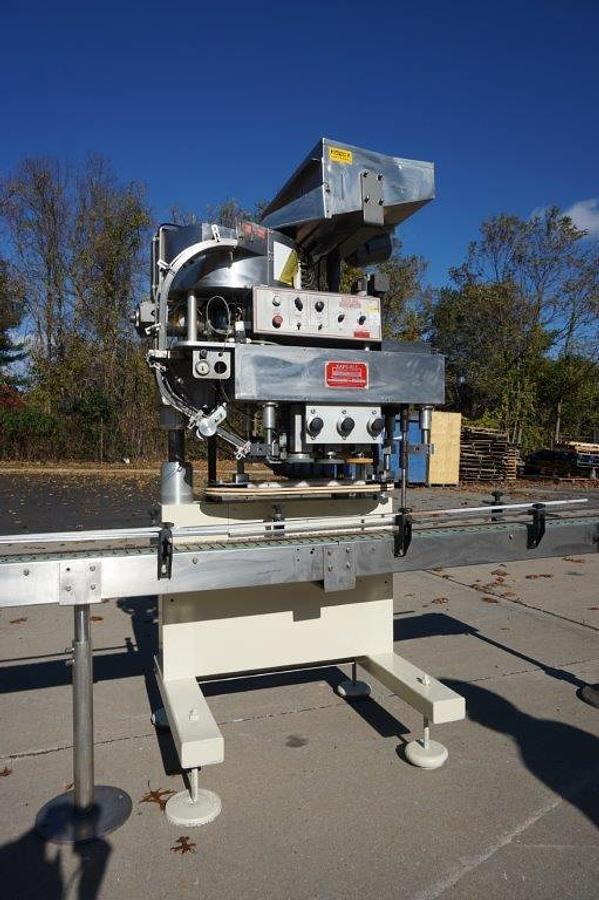
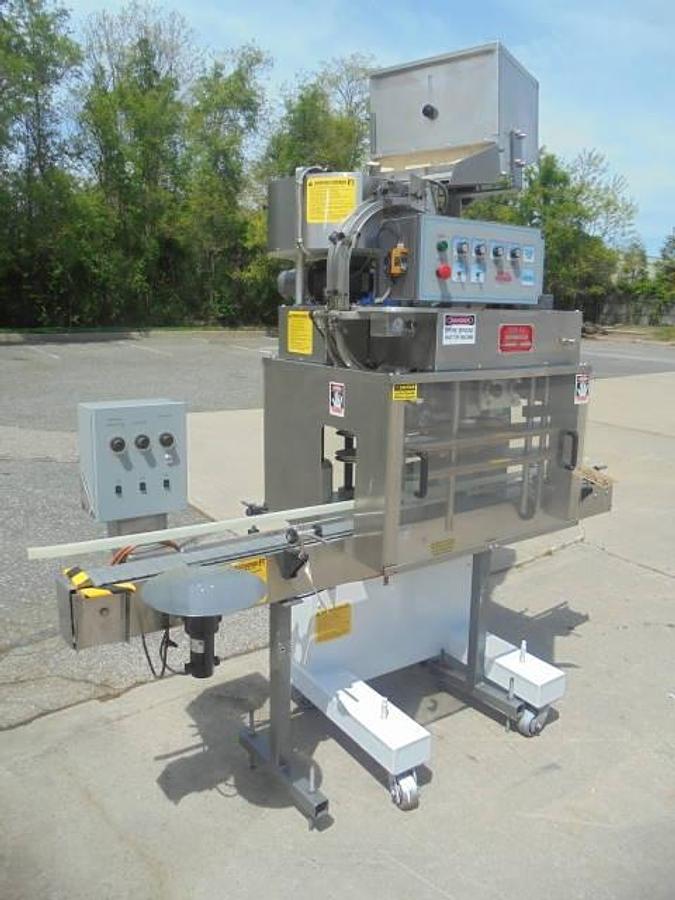
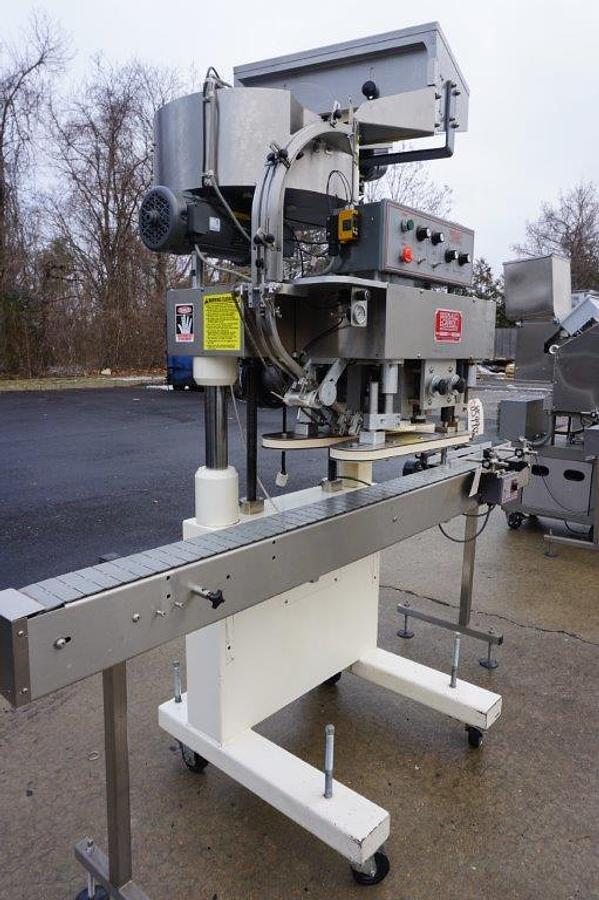
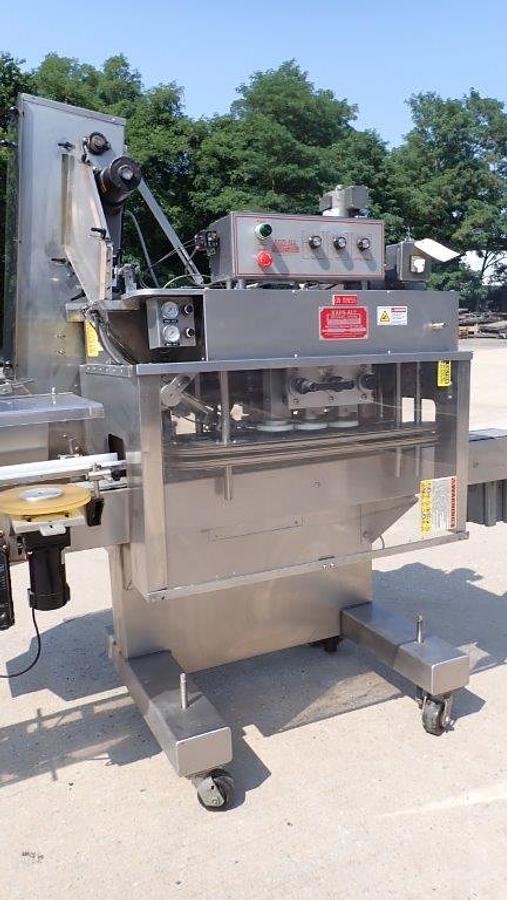
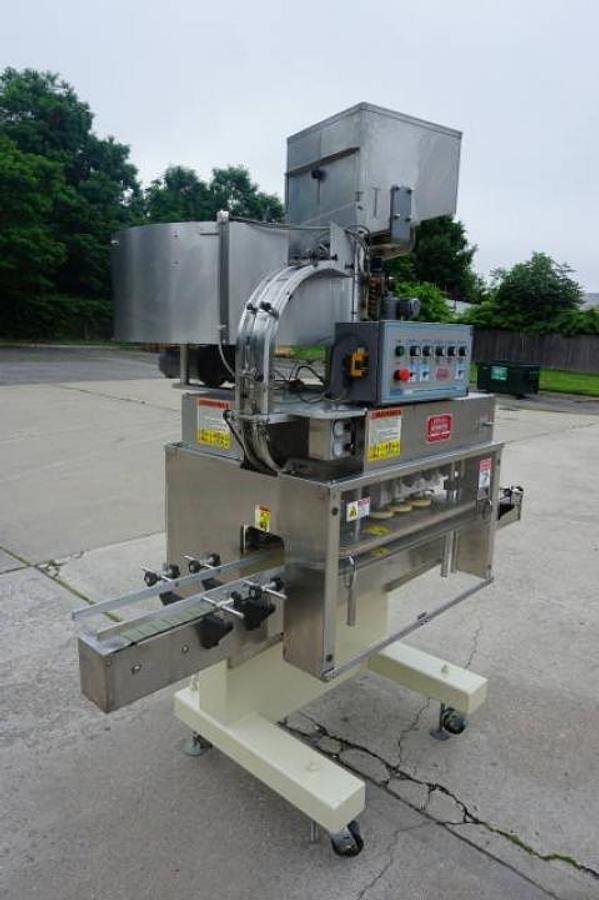
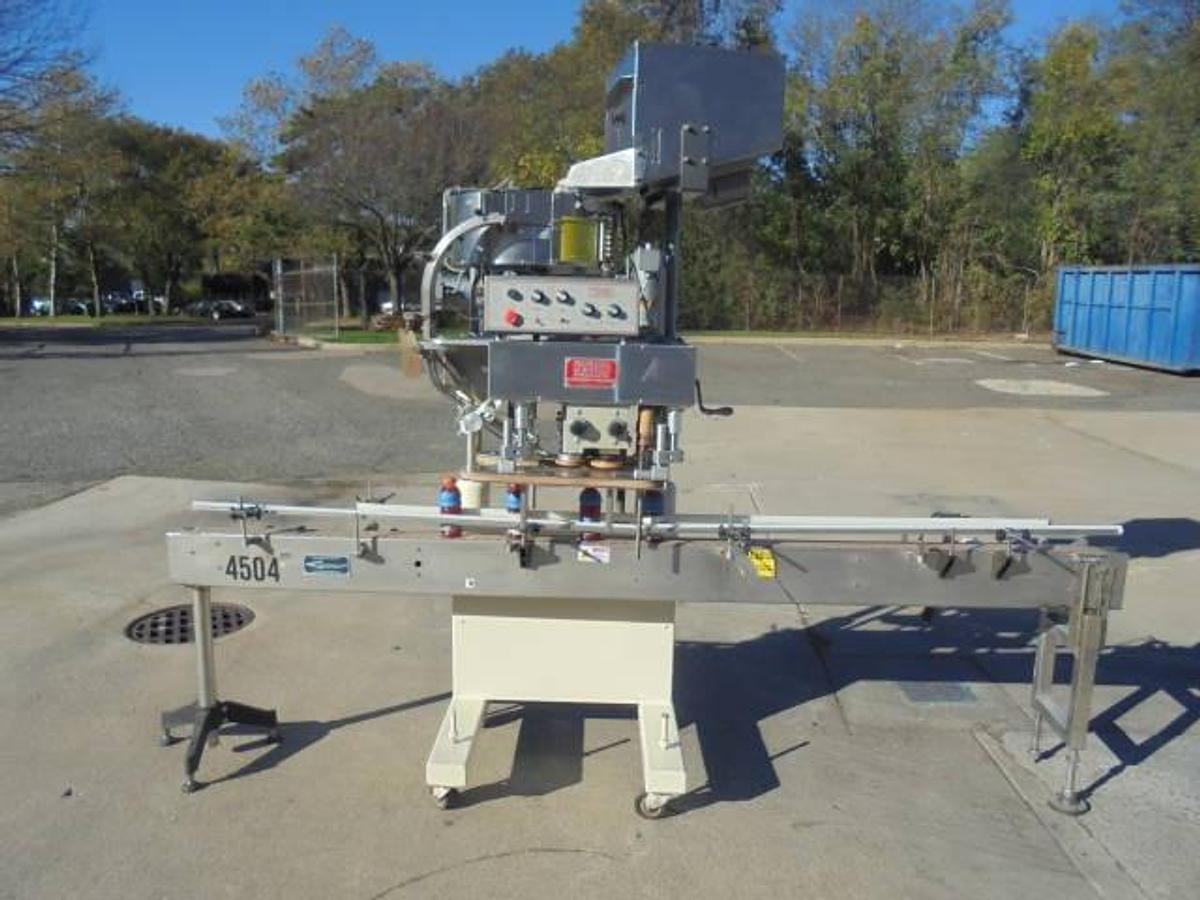
Kaps-All is a manufacturer of packaging machinery, focusing on filling and sealing systems for the food and beverage industry. They are recognized for their reliable and efficient machines that enhance packaging processes.
FAQ:
What types of Kaps-All packaging machines are available on the used market?
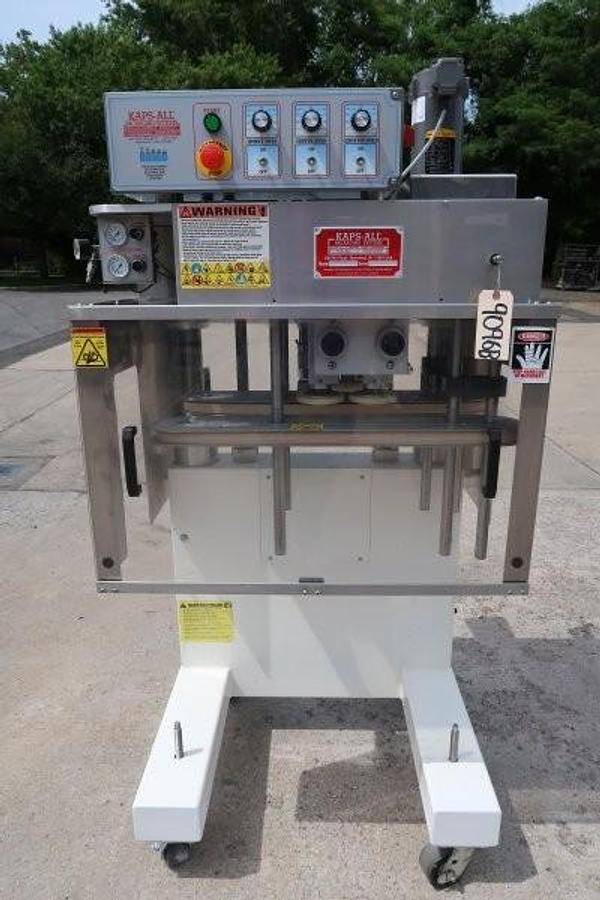
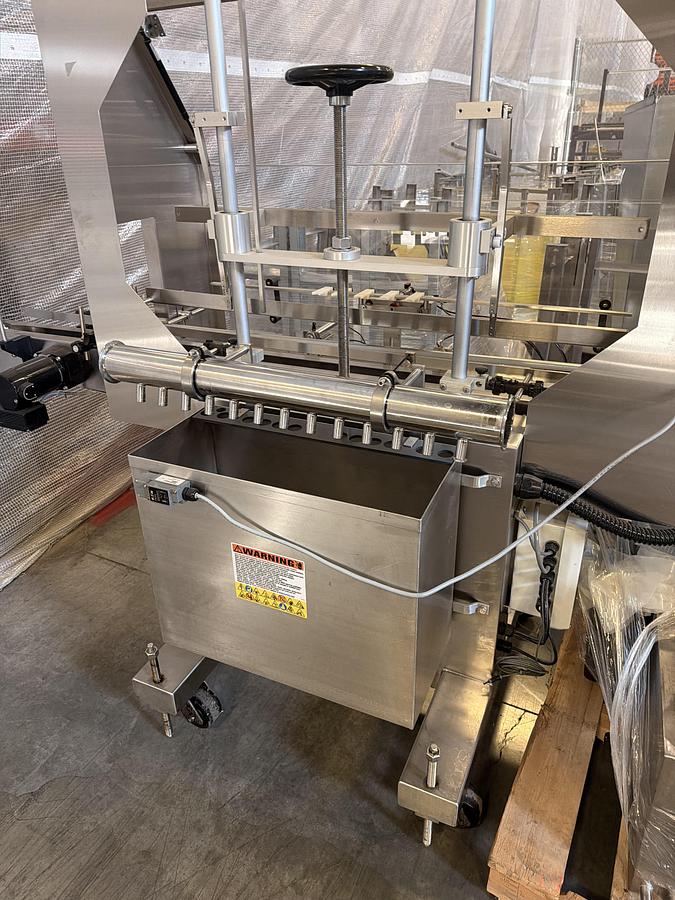
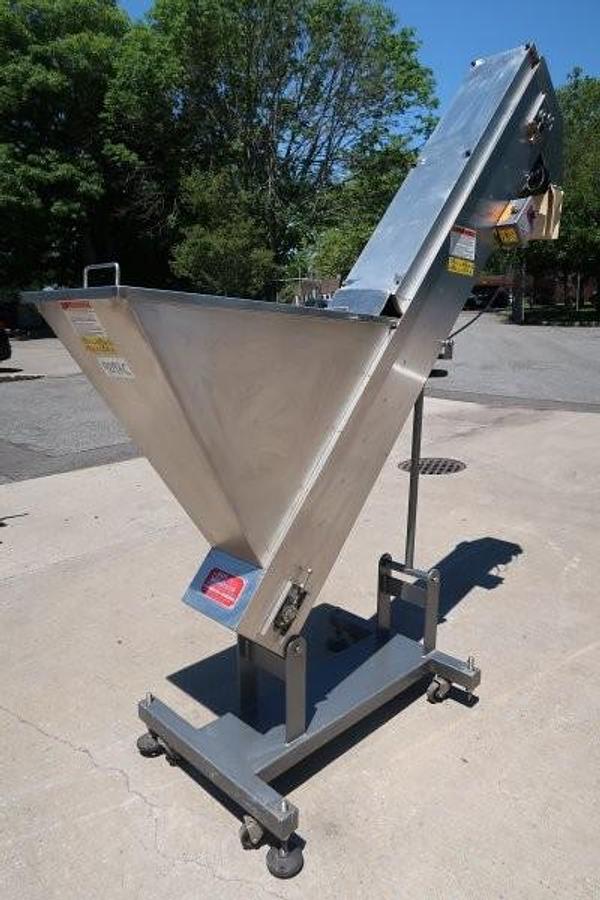
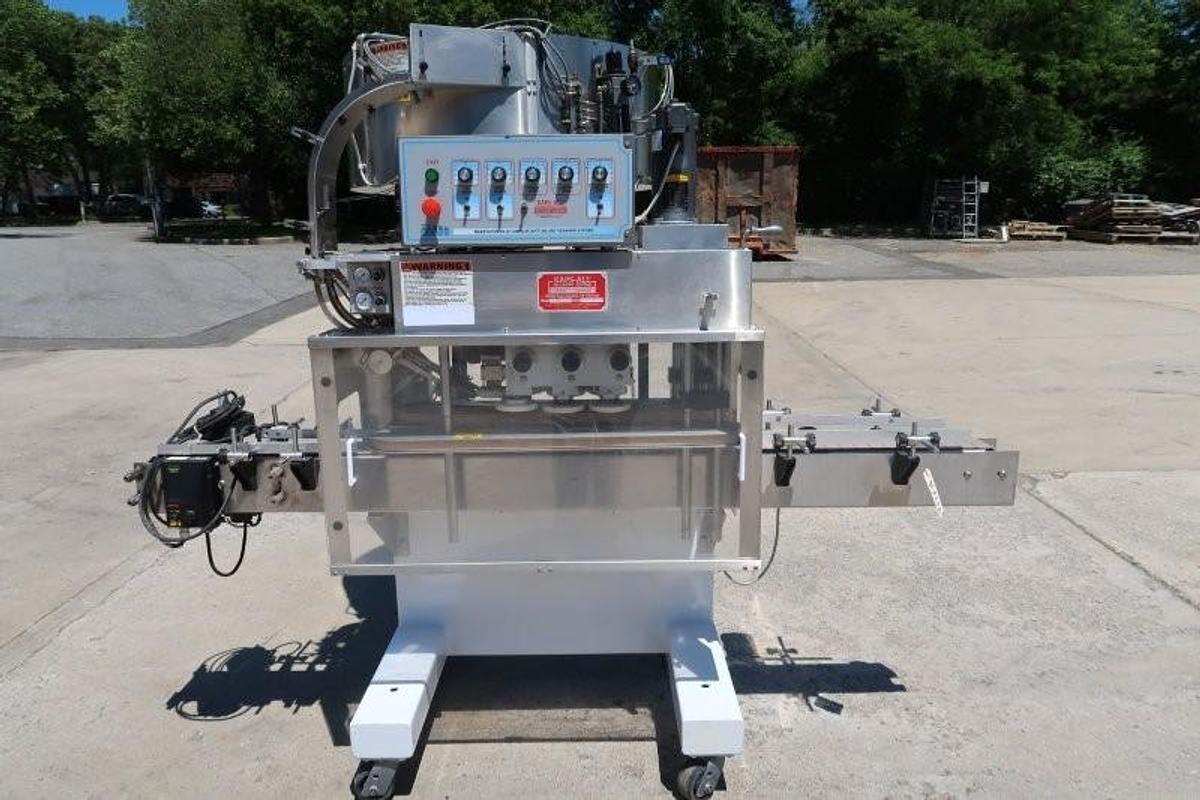
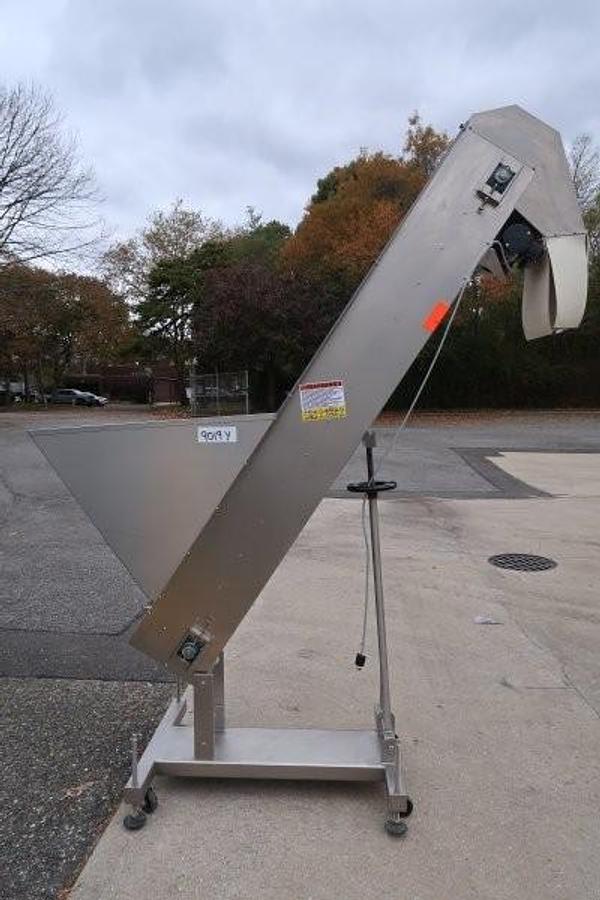
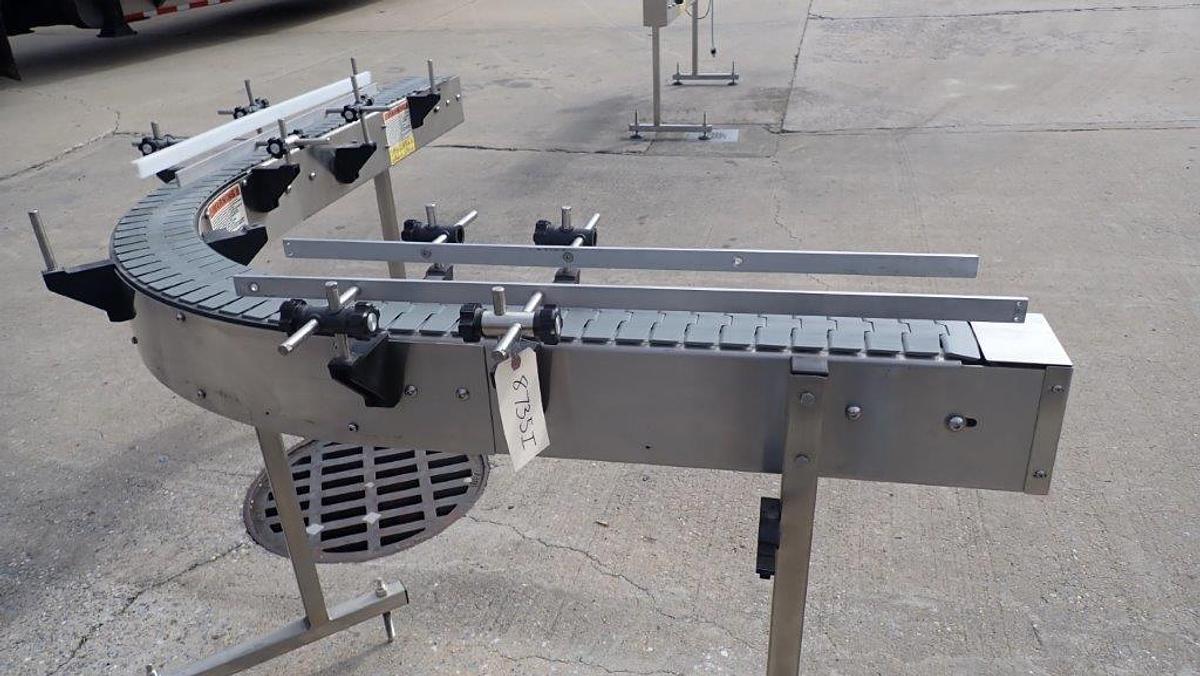
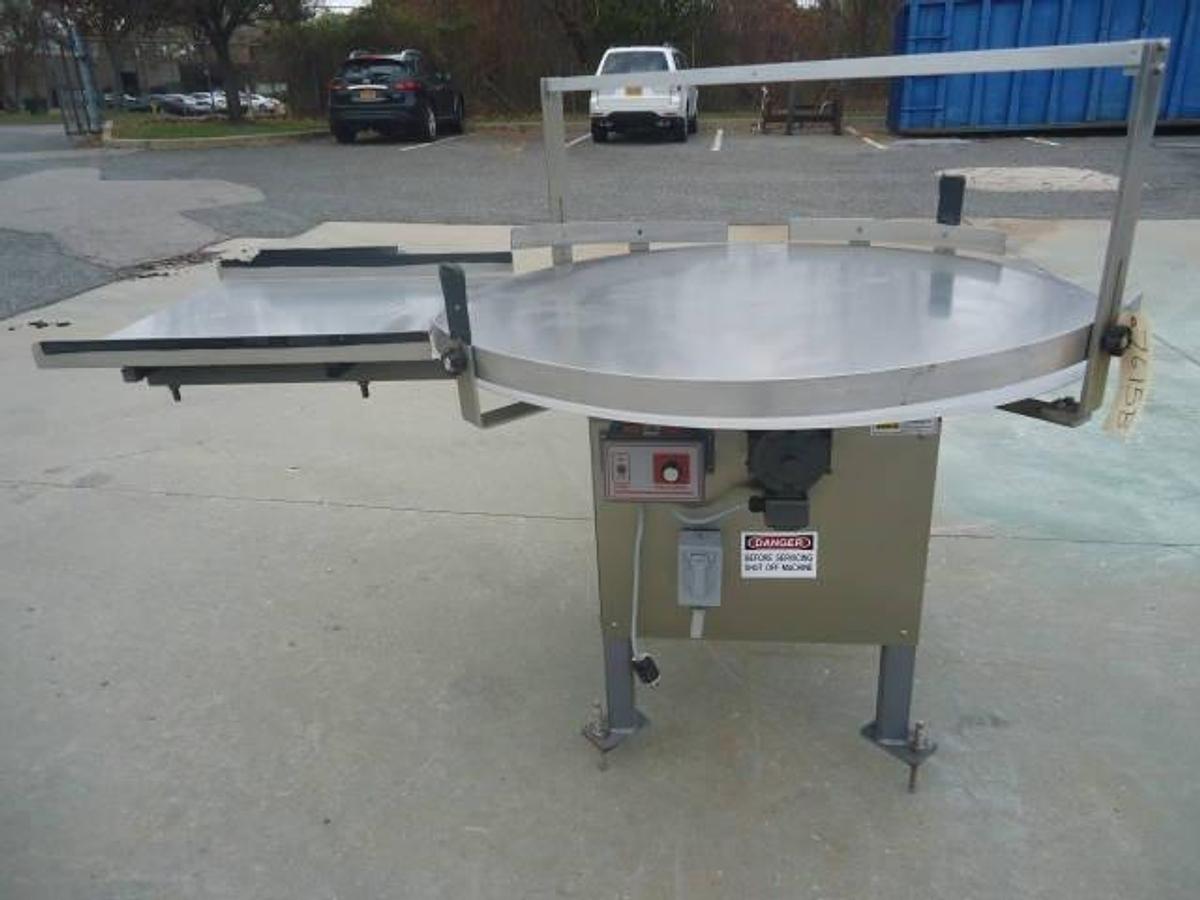
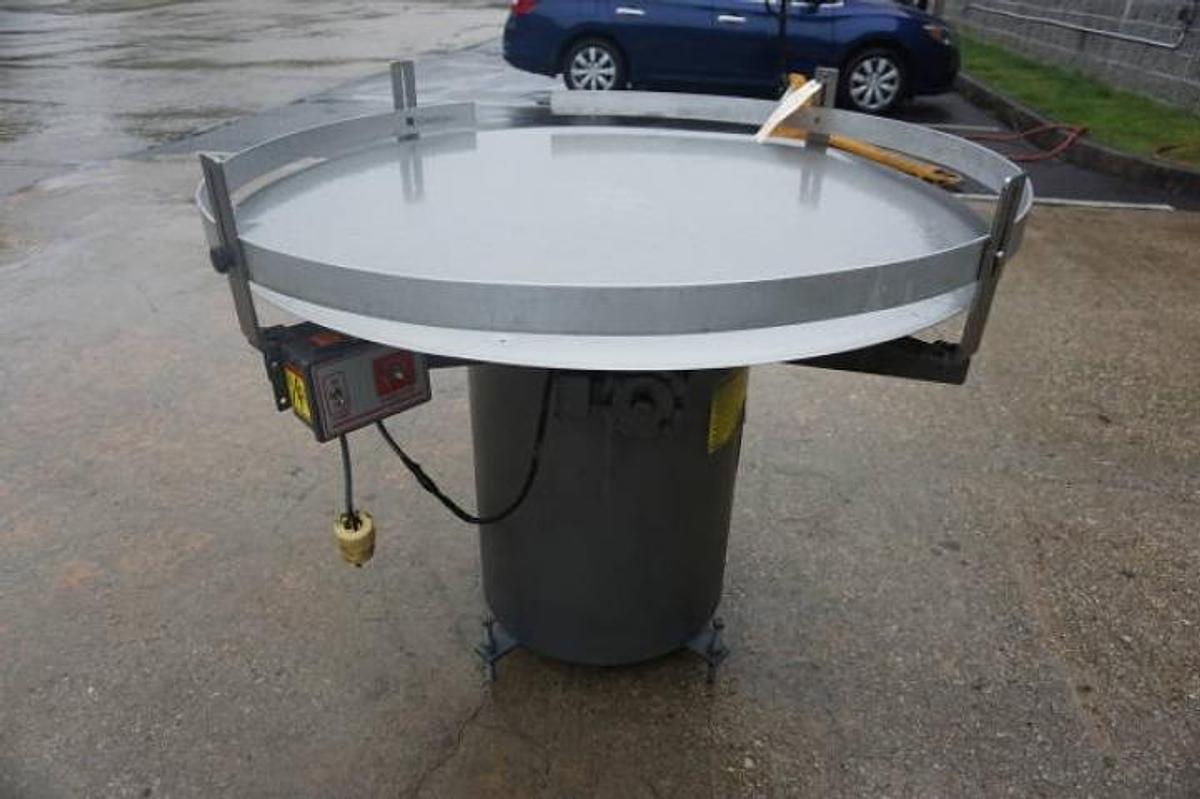
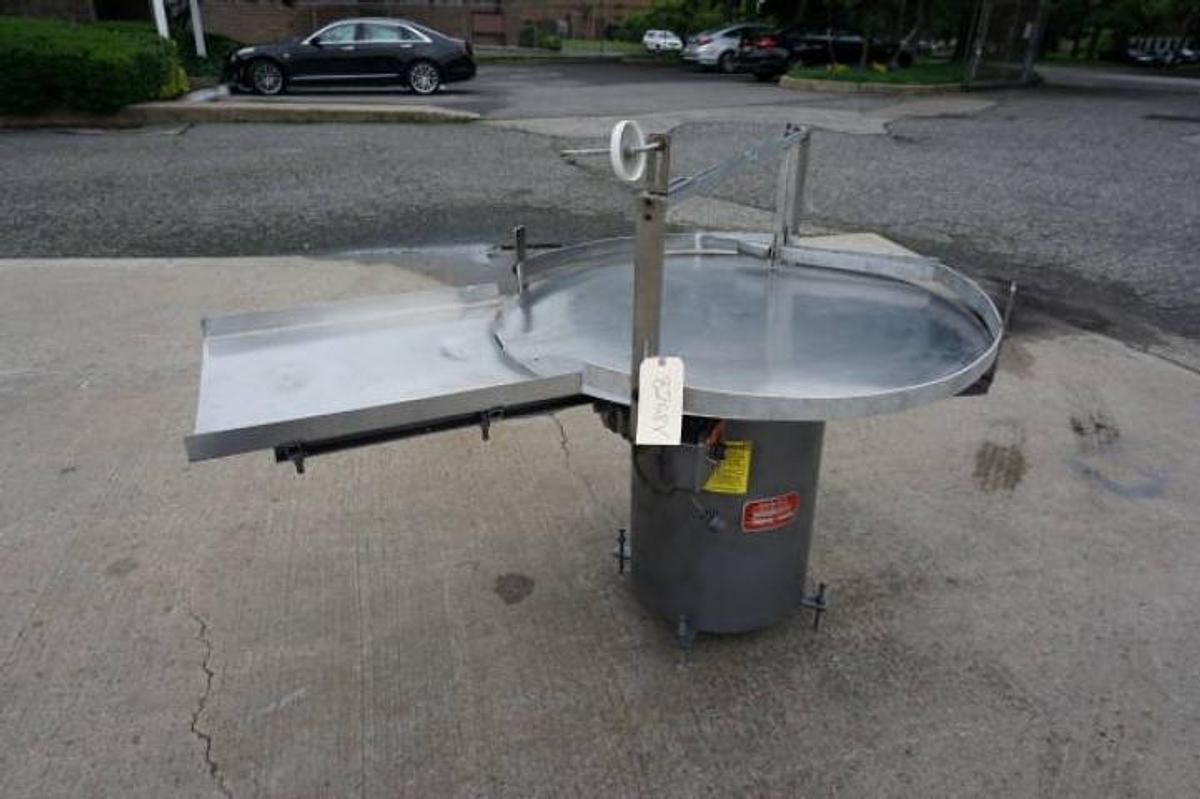
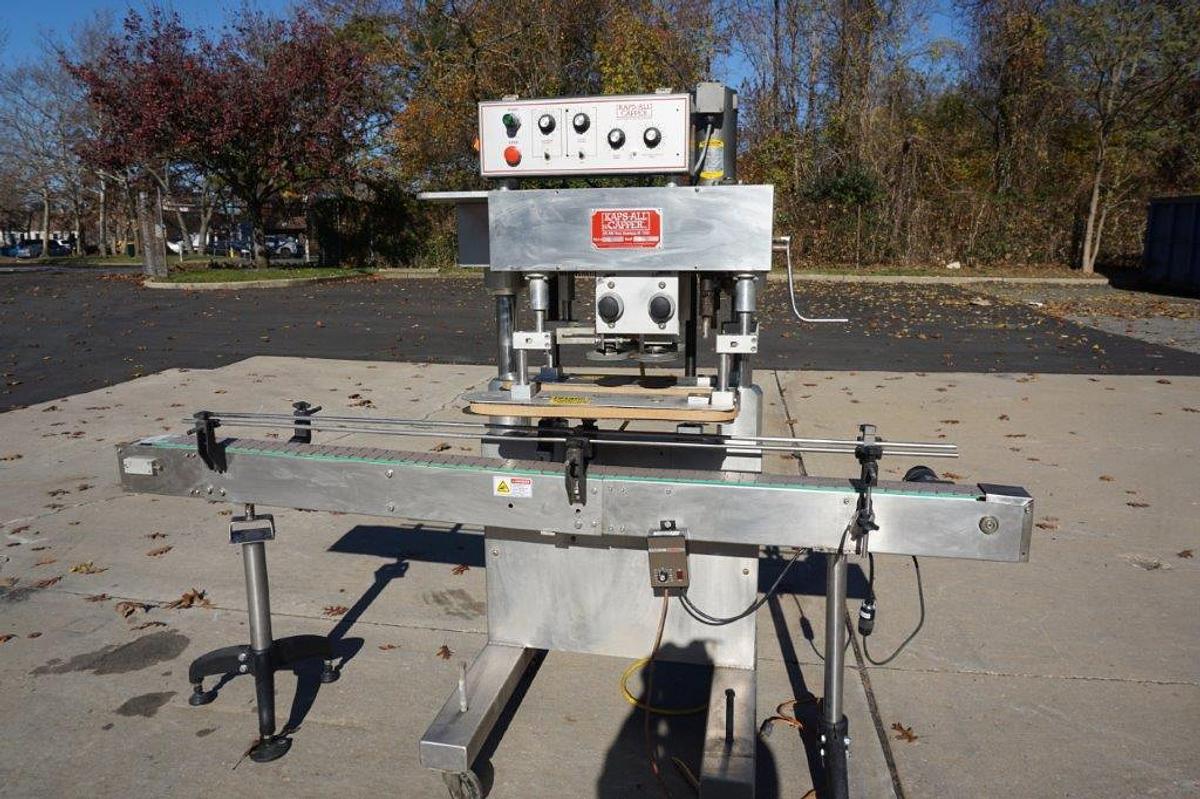
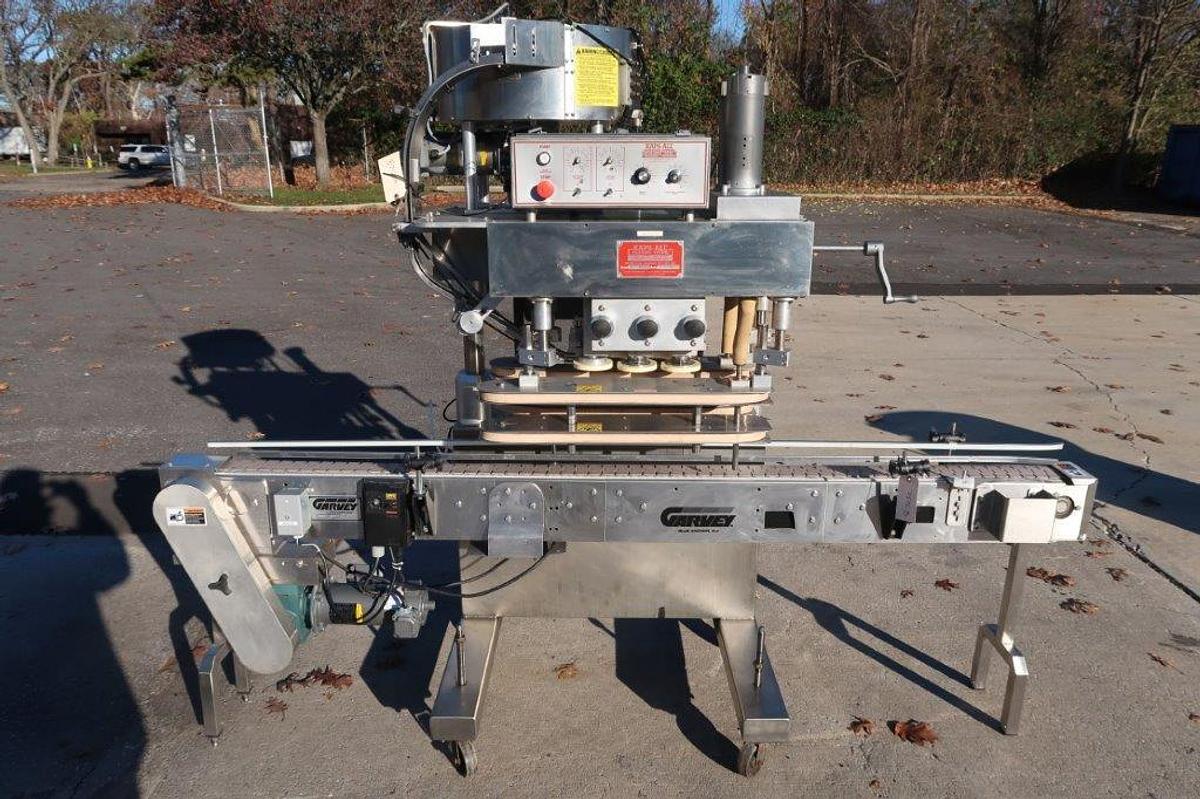
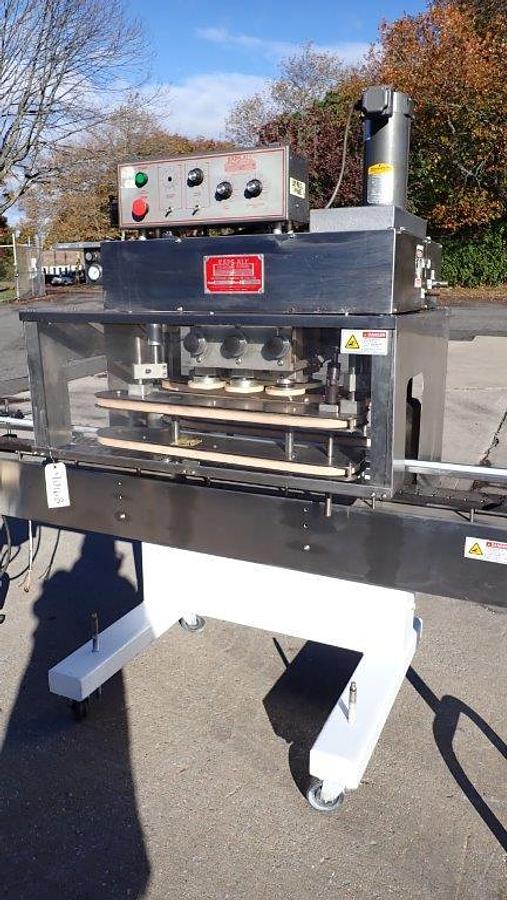
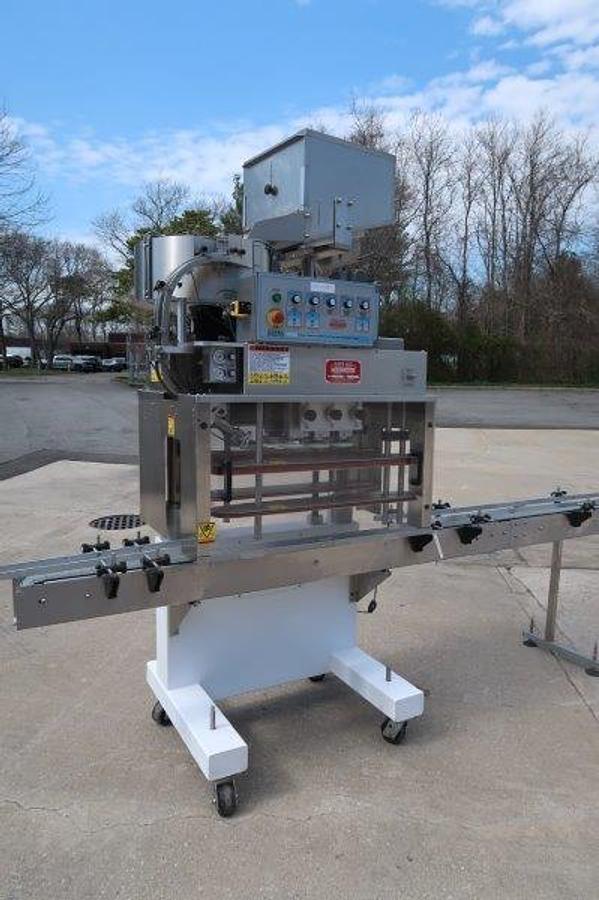
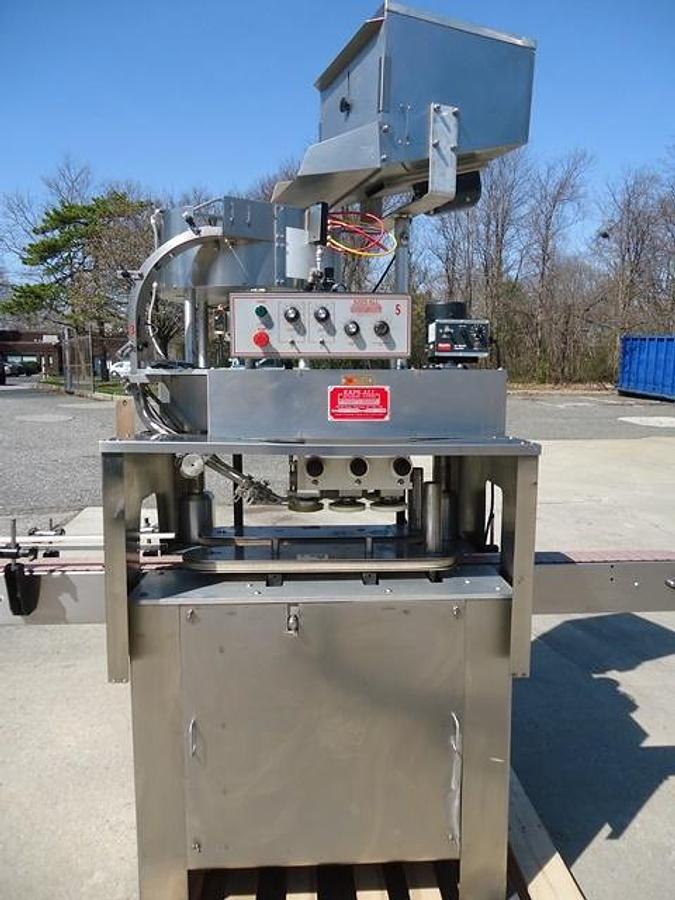
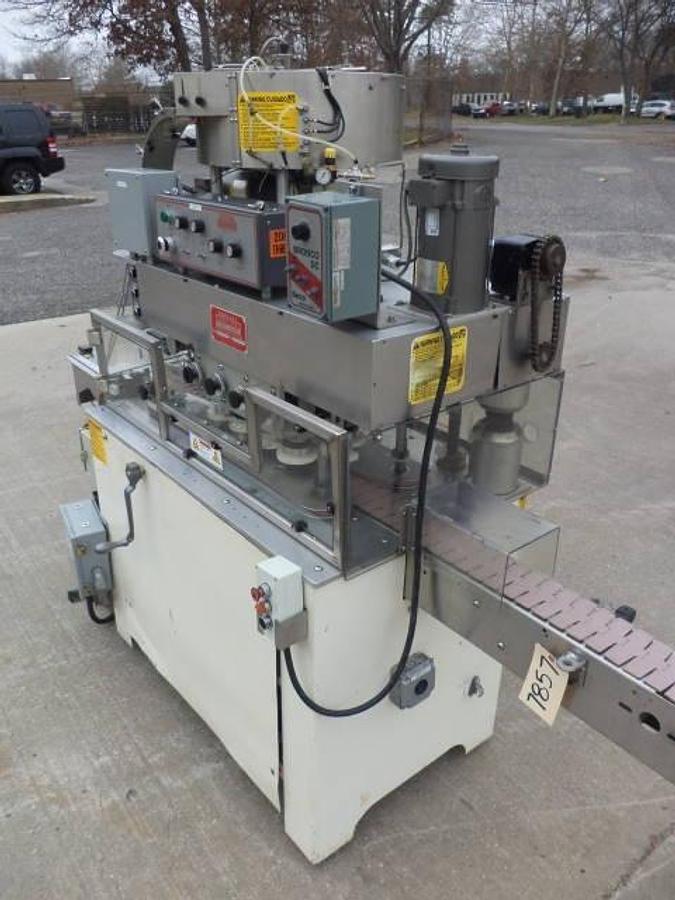
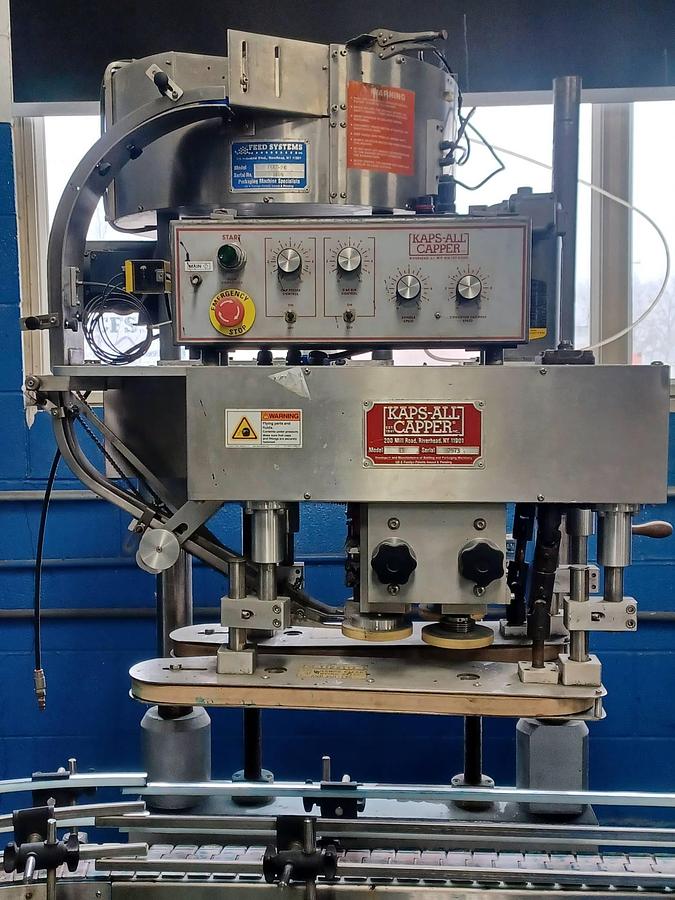
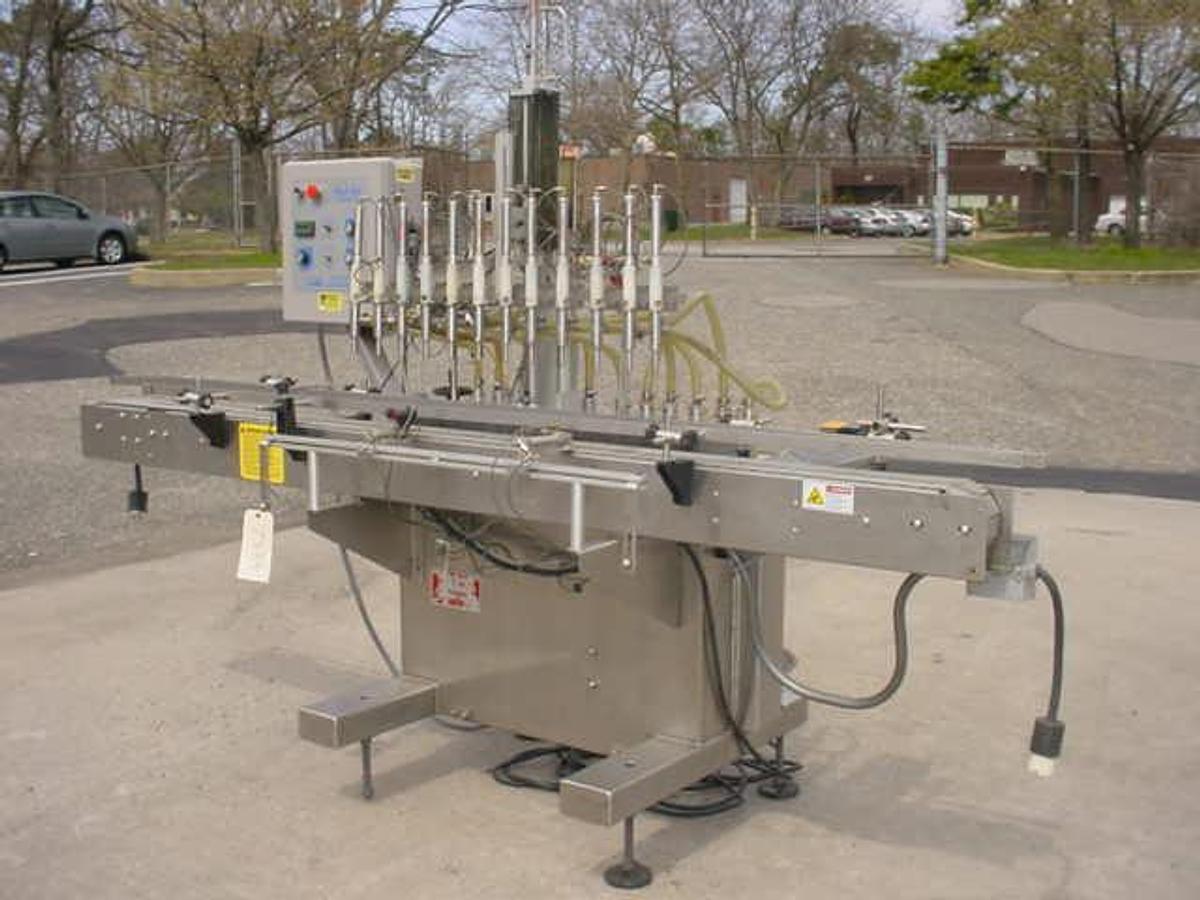
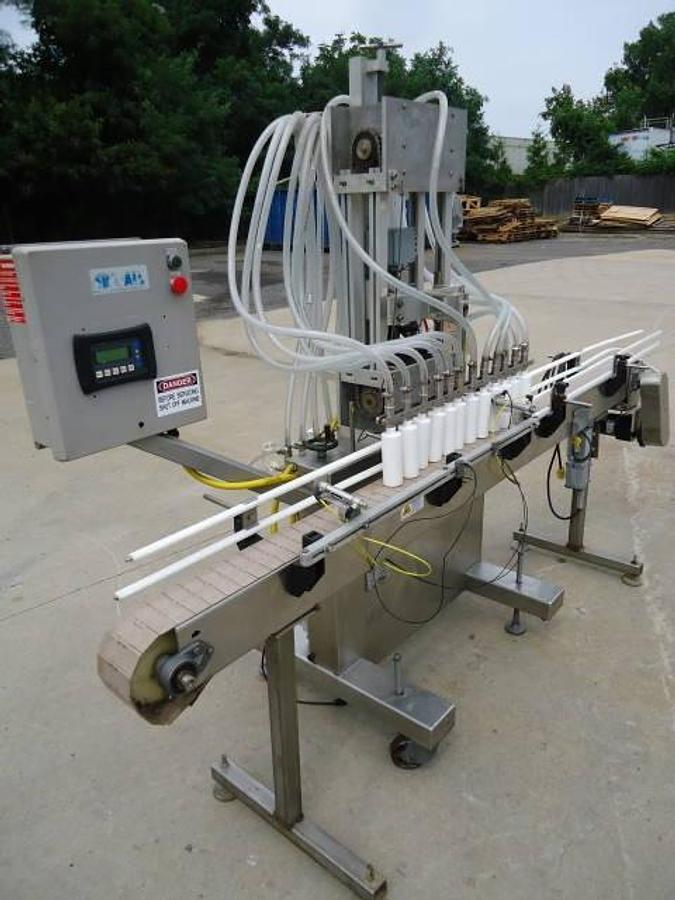
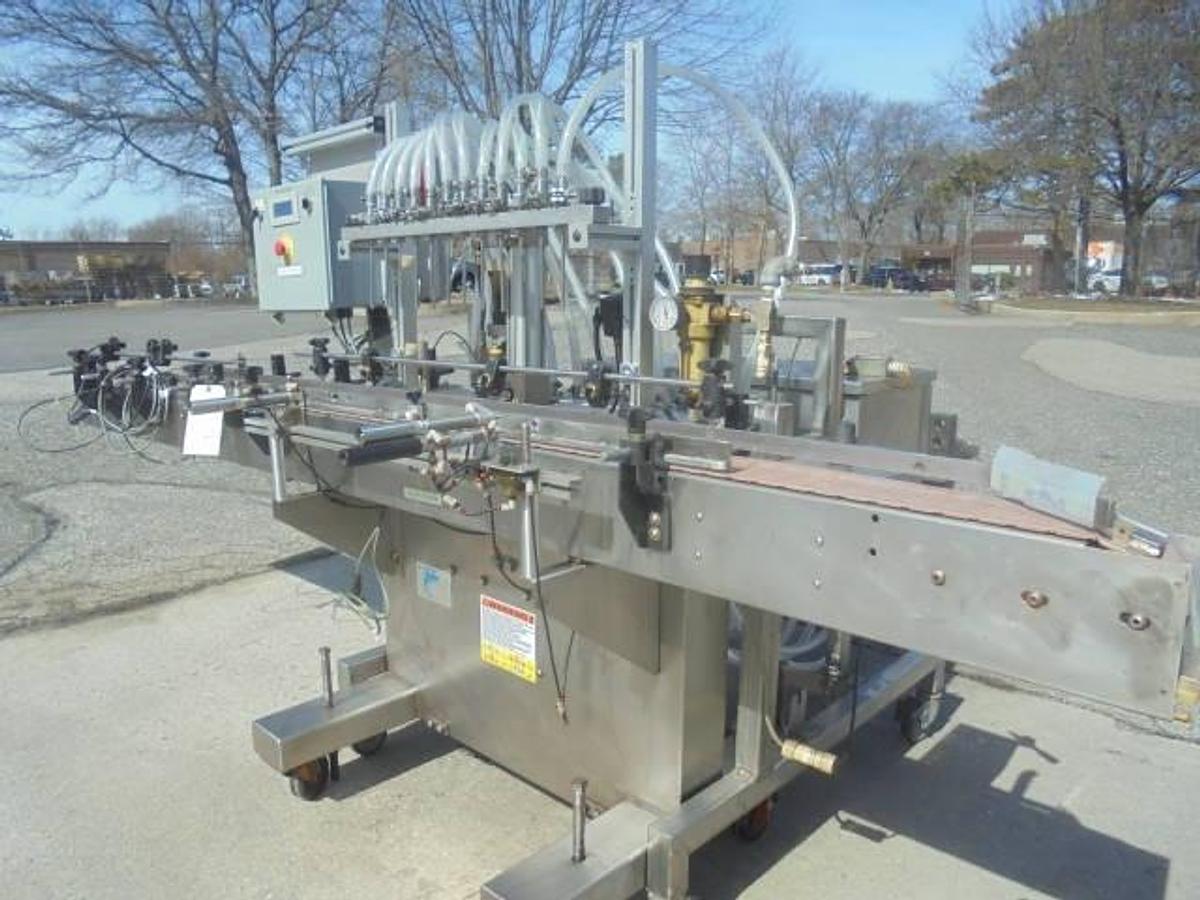
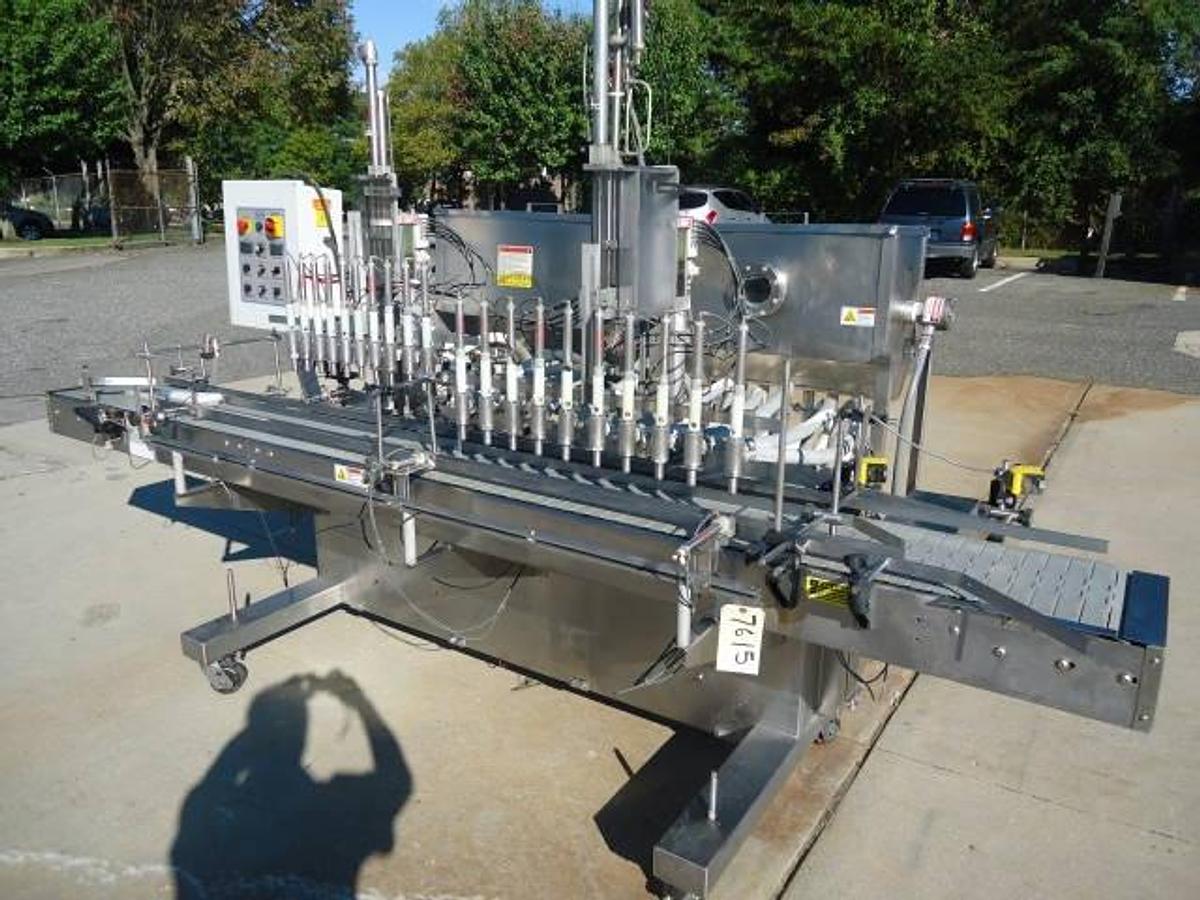
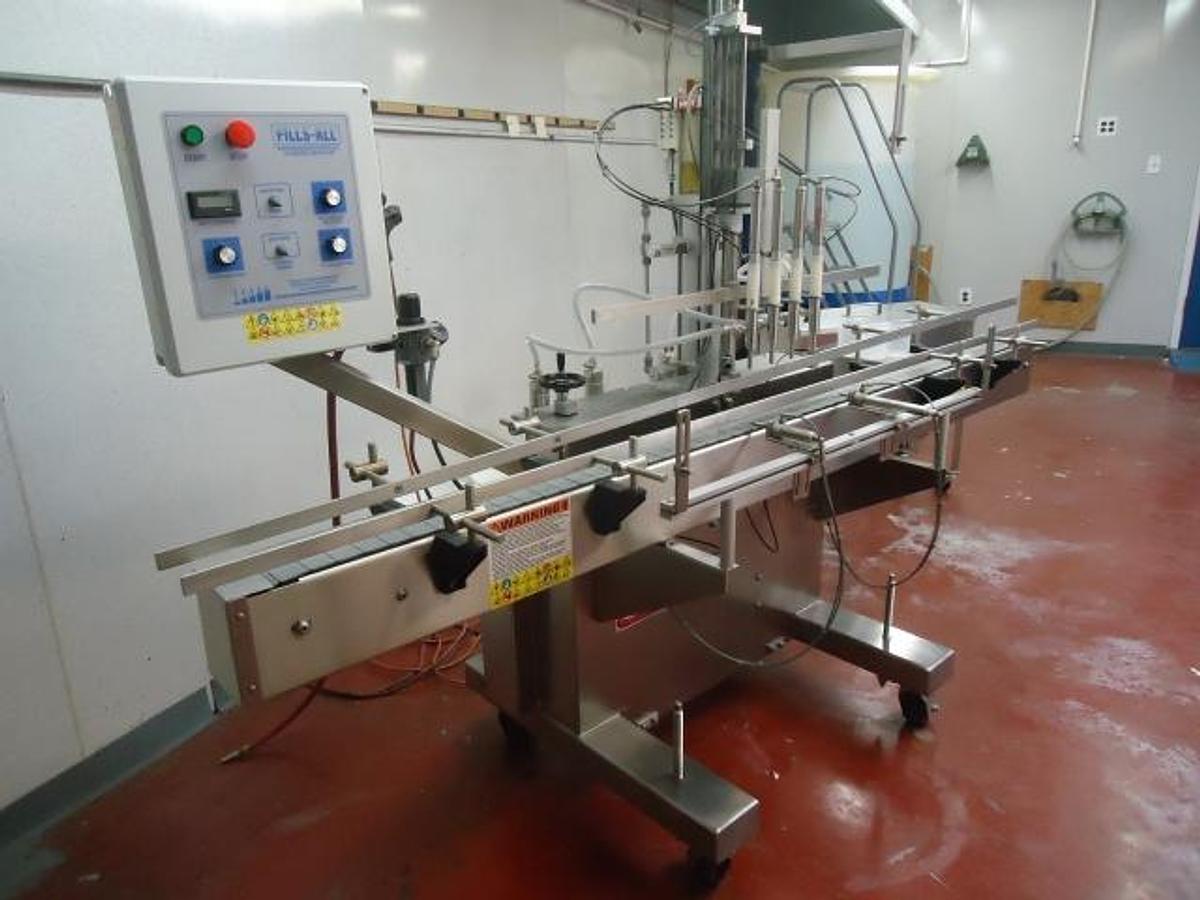
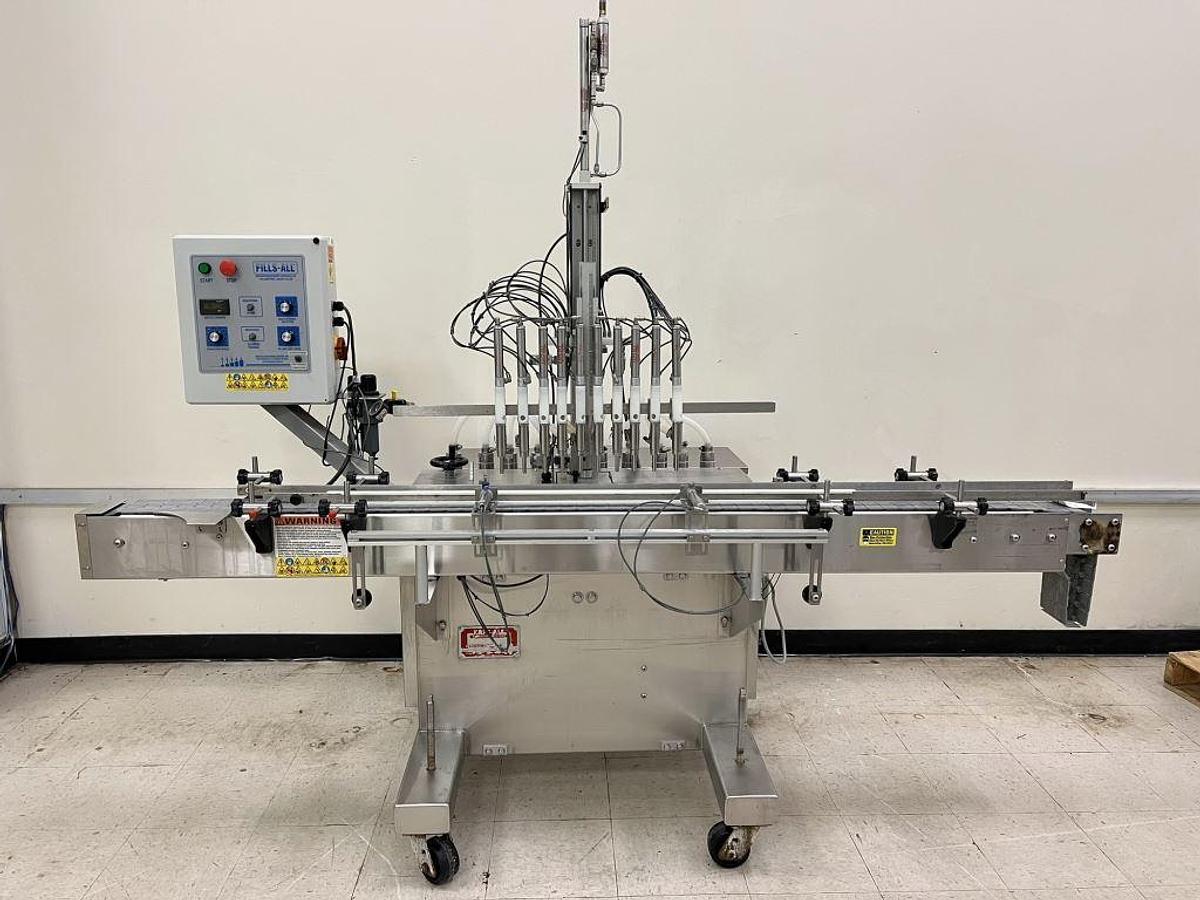
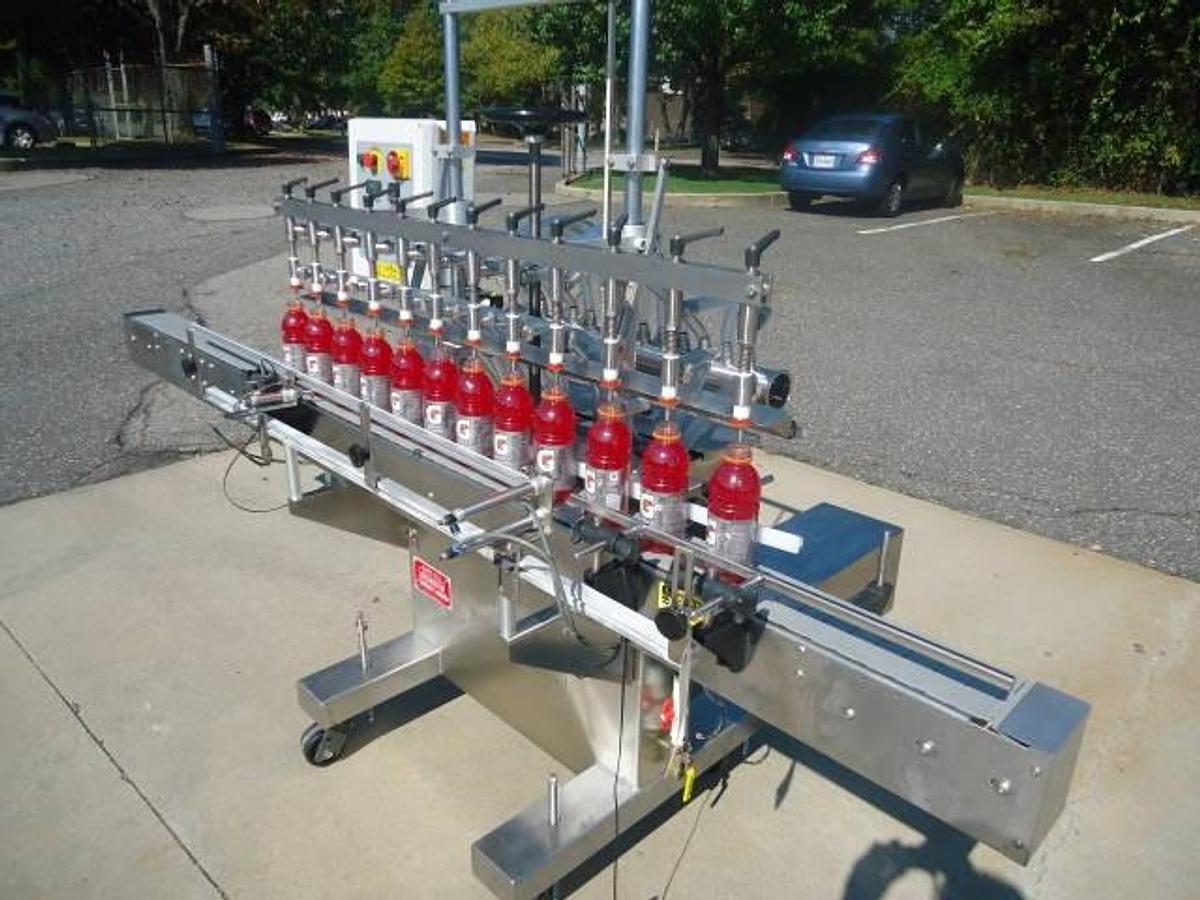
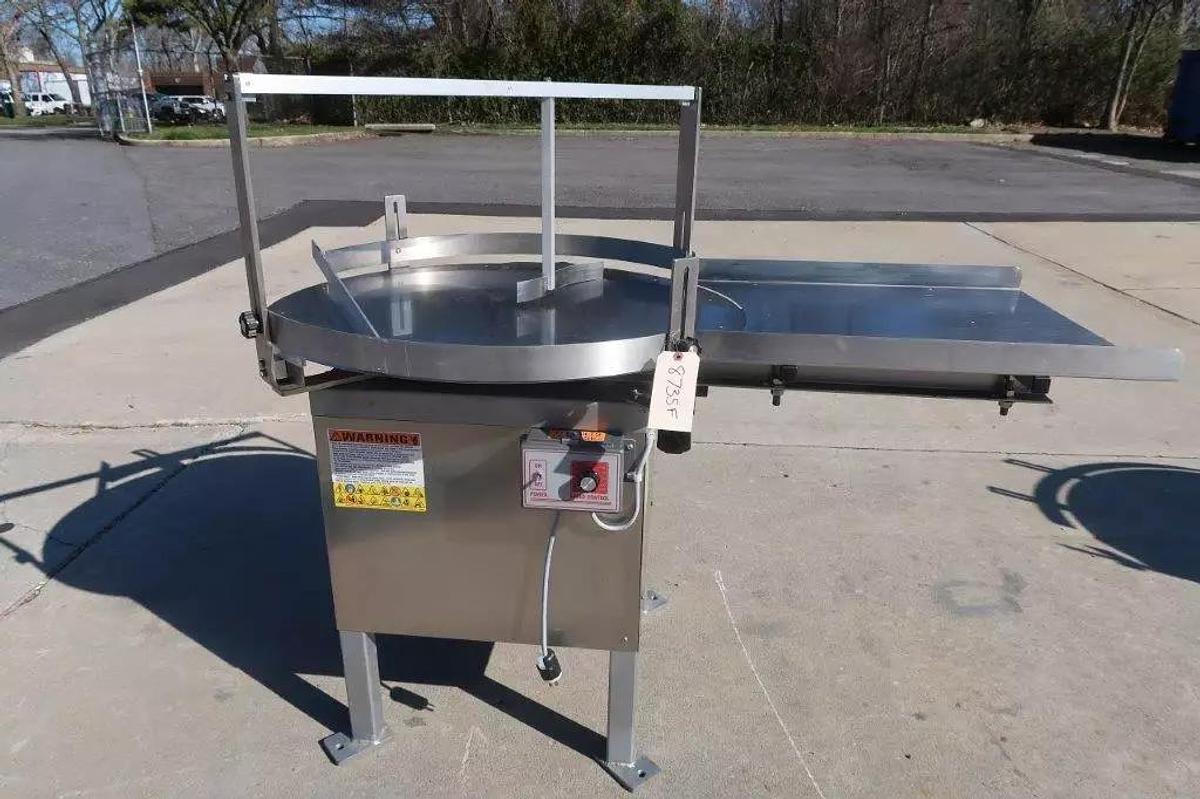
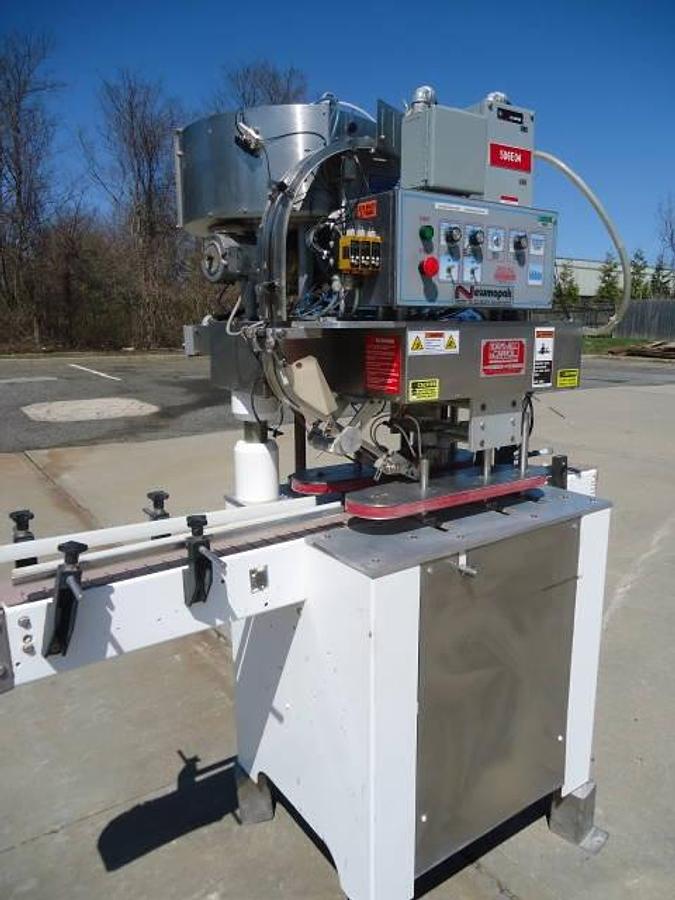
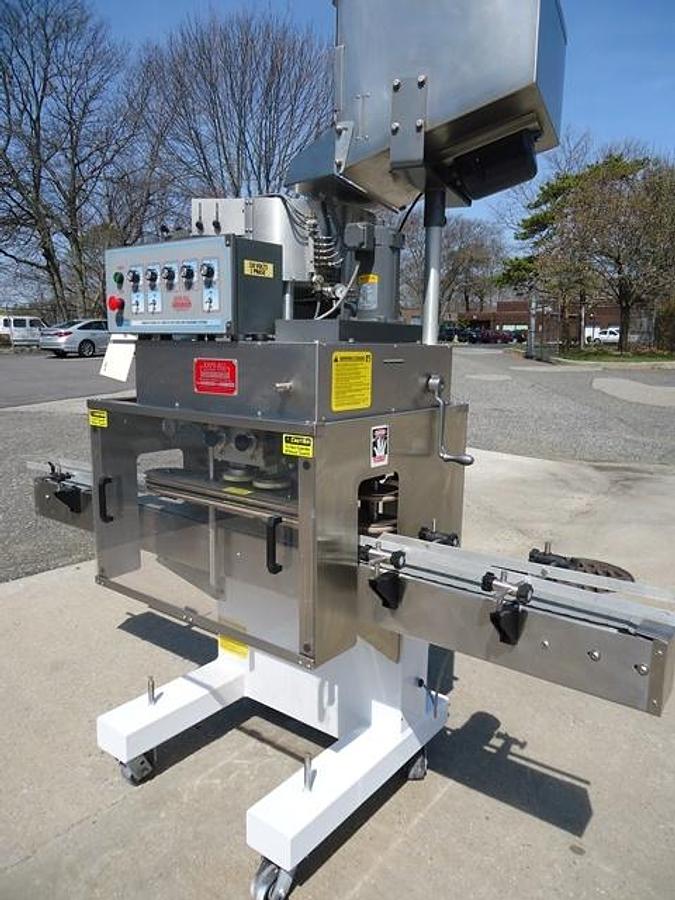
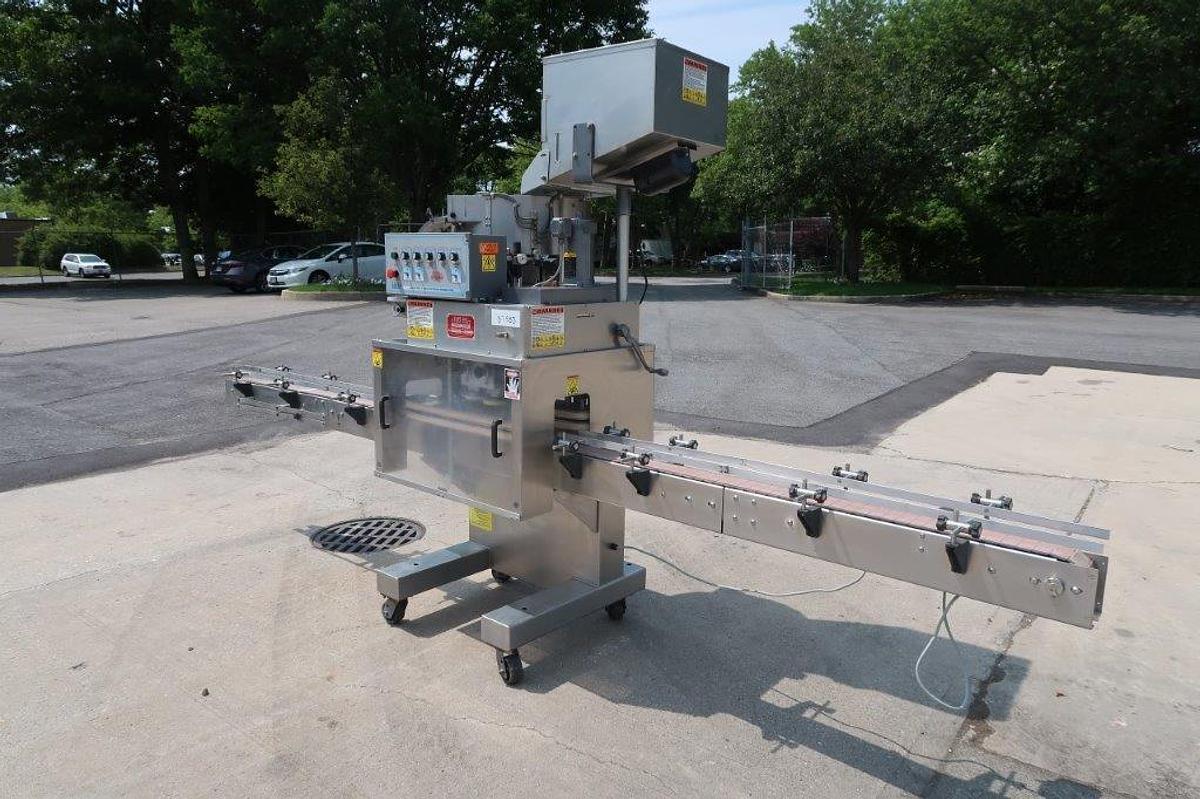
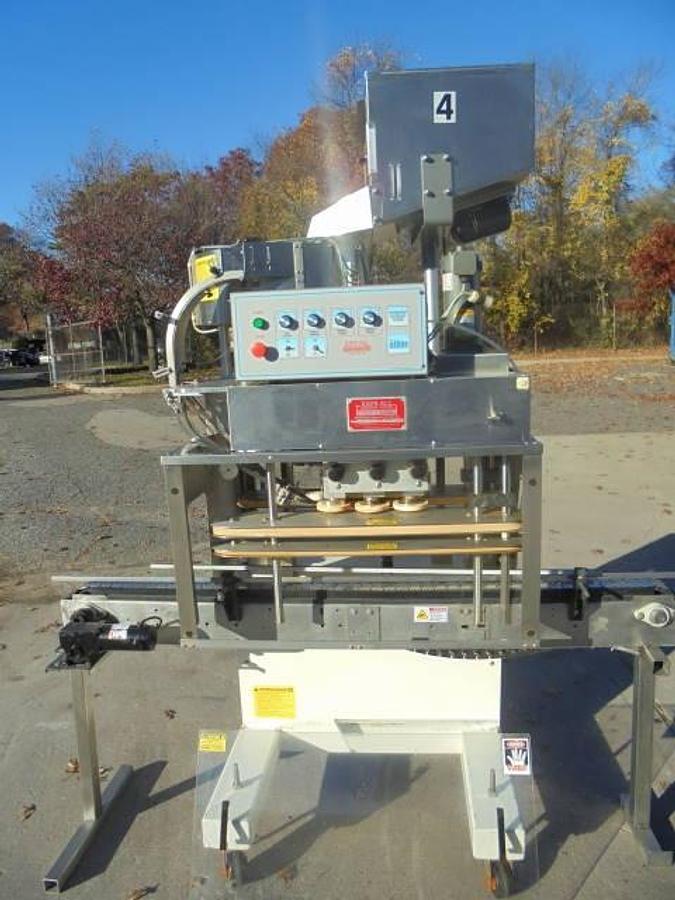
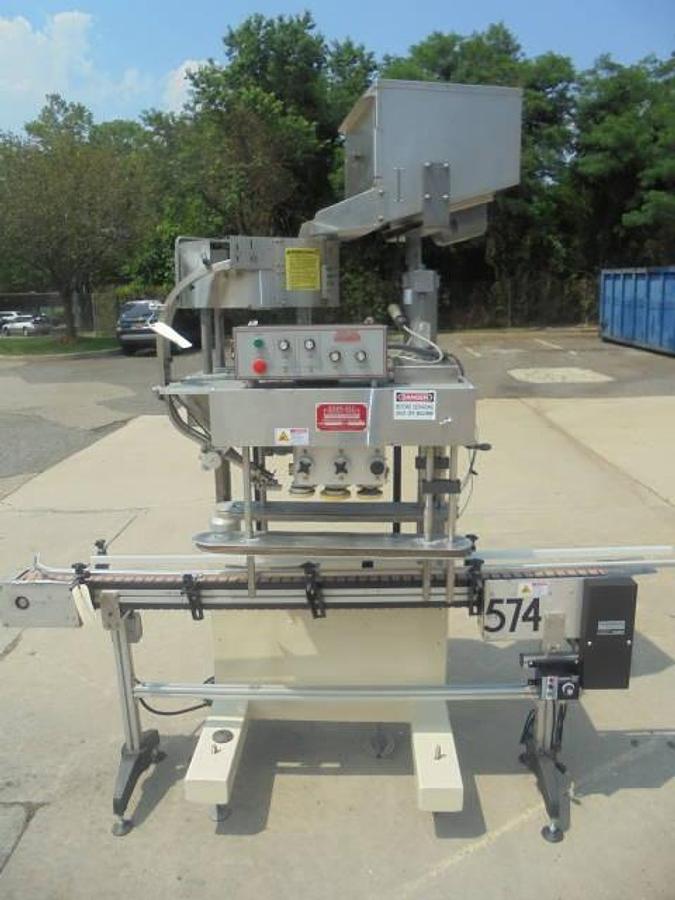
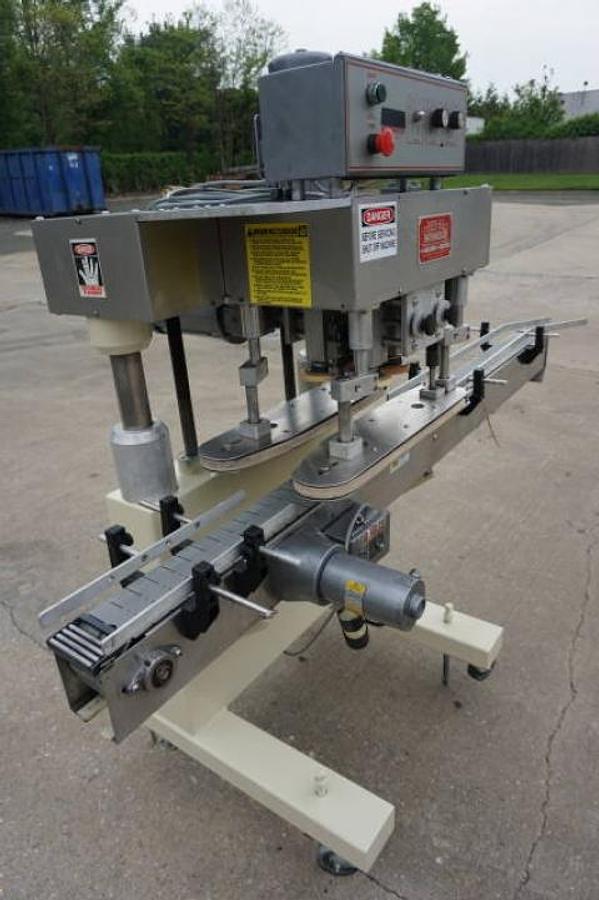
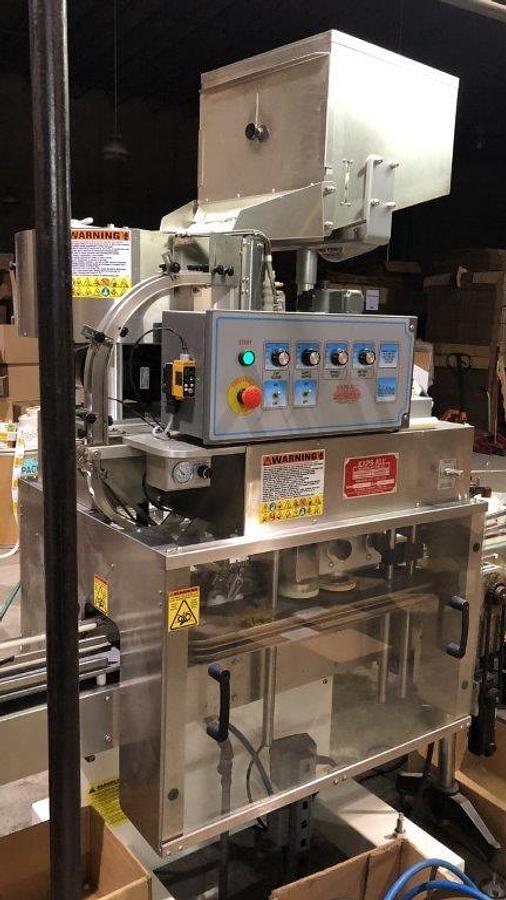
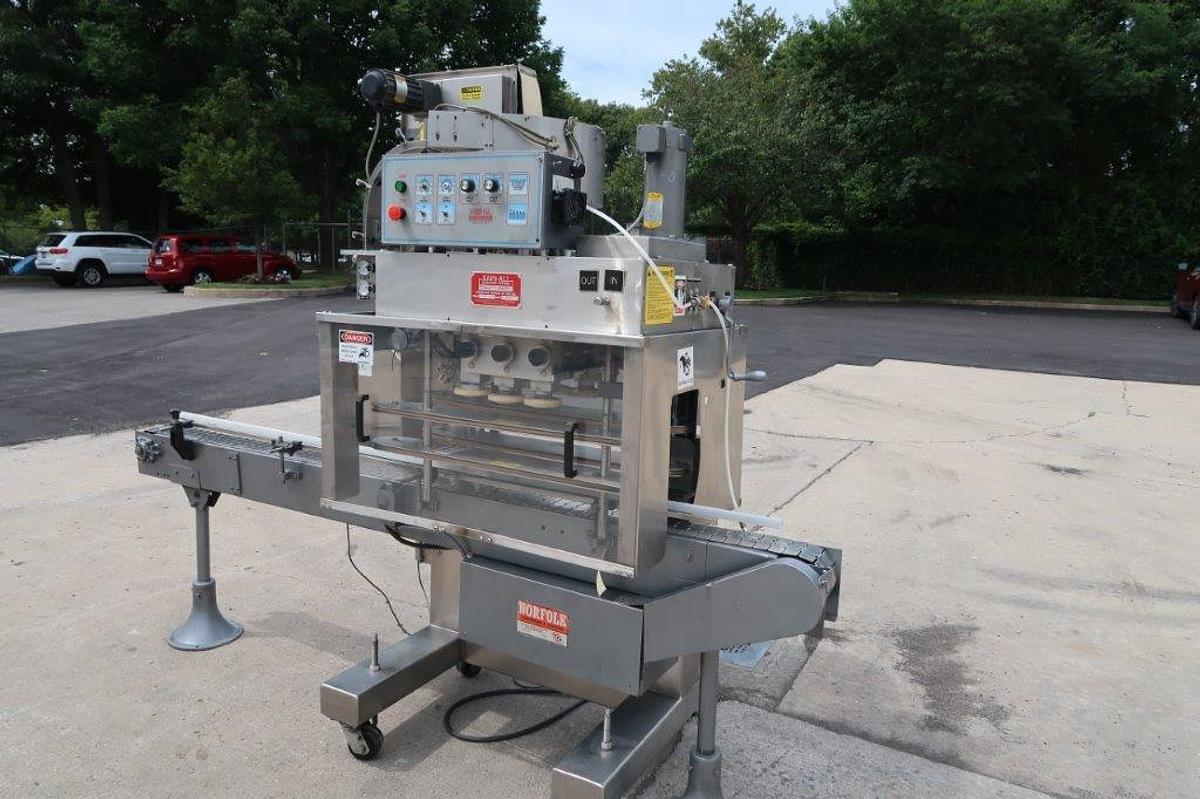
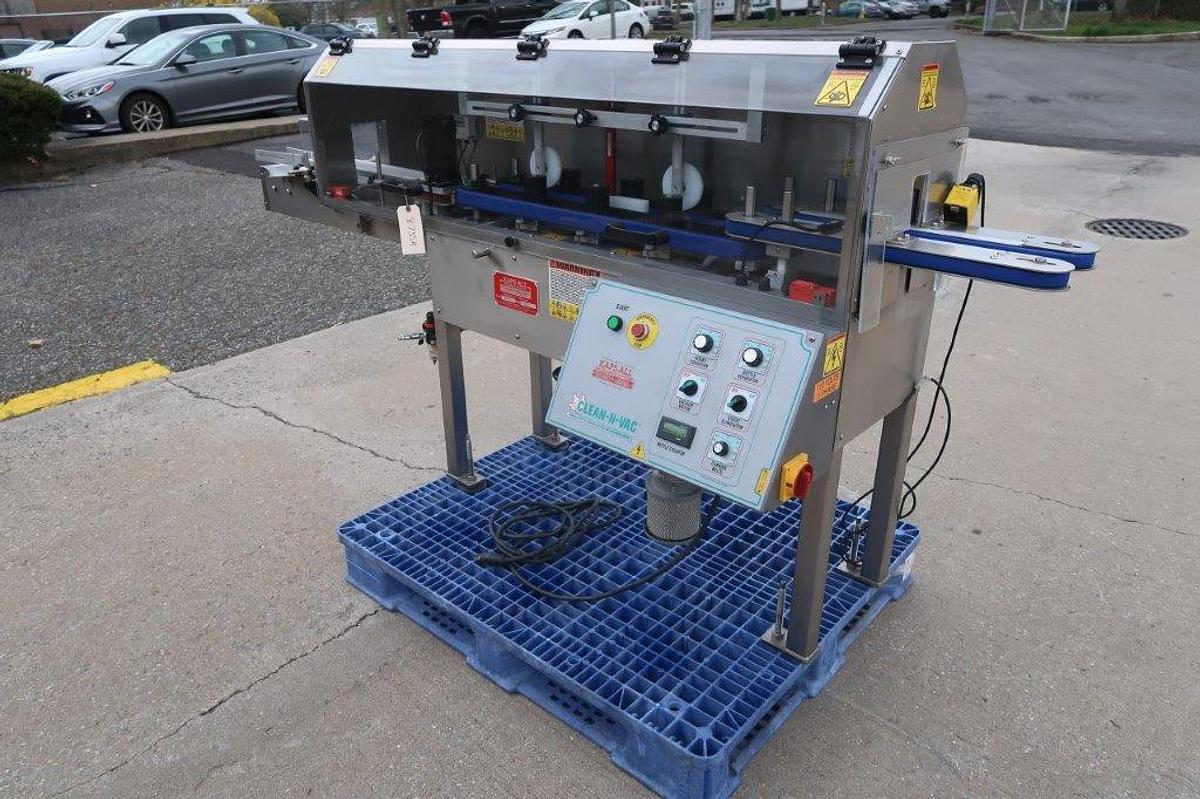
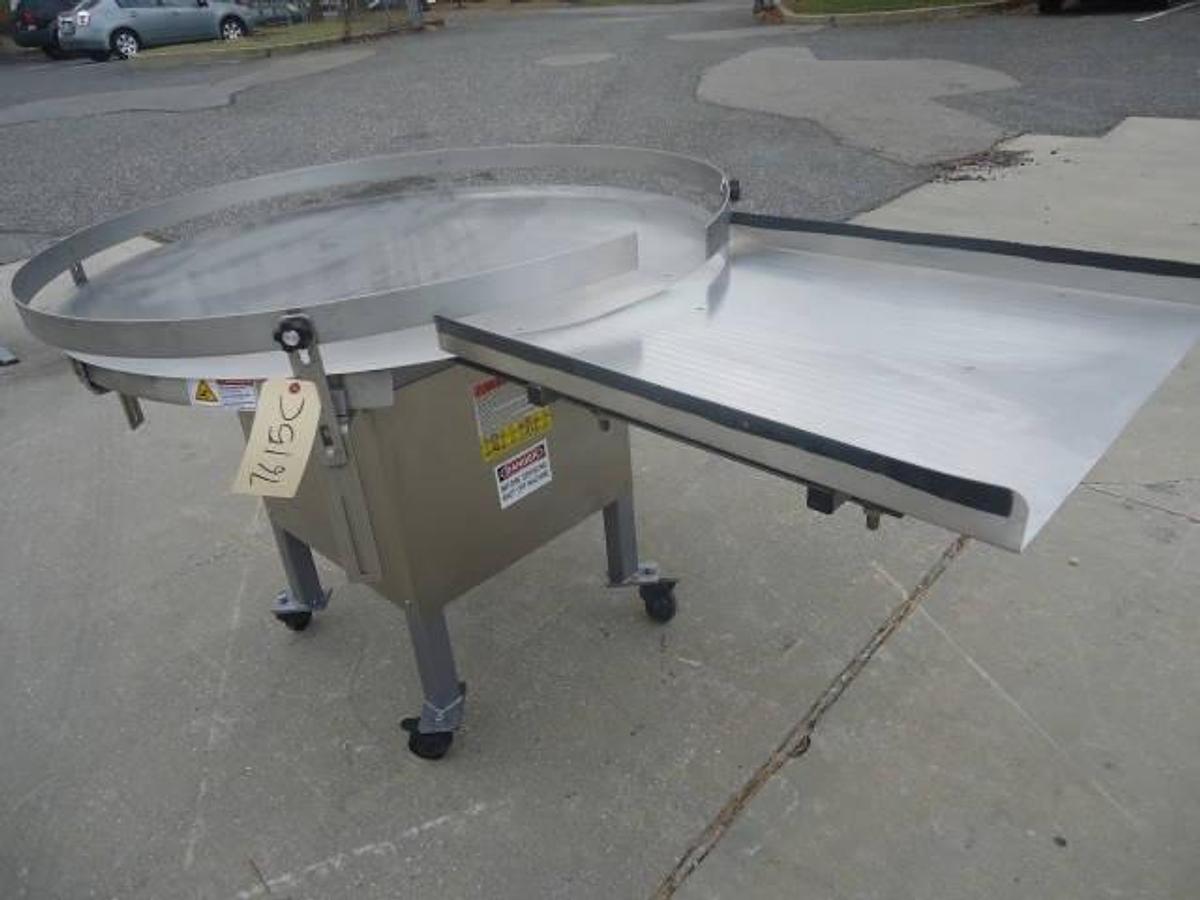
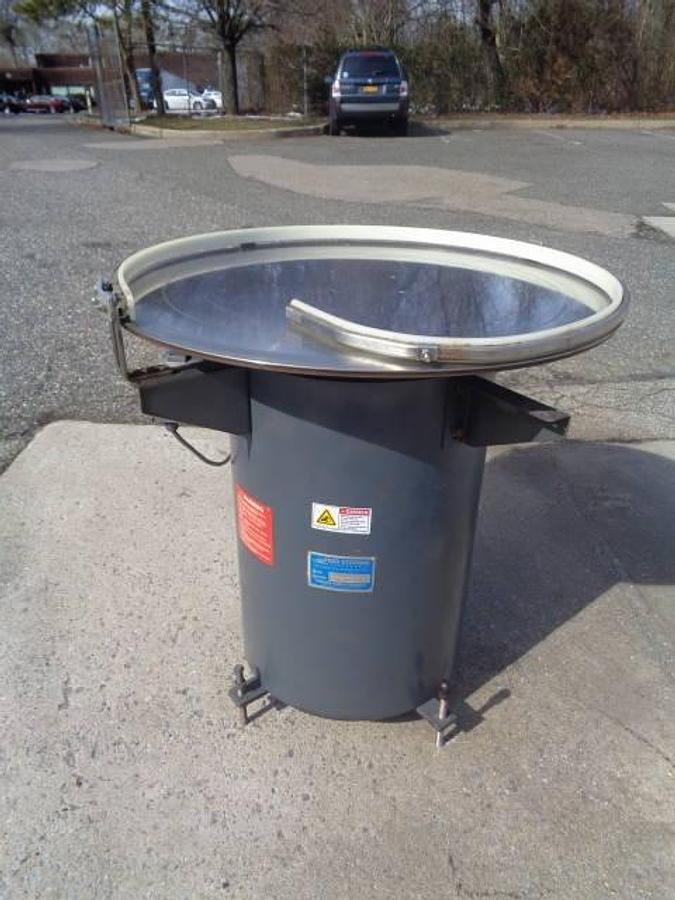
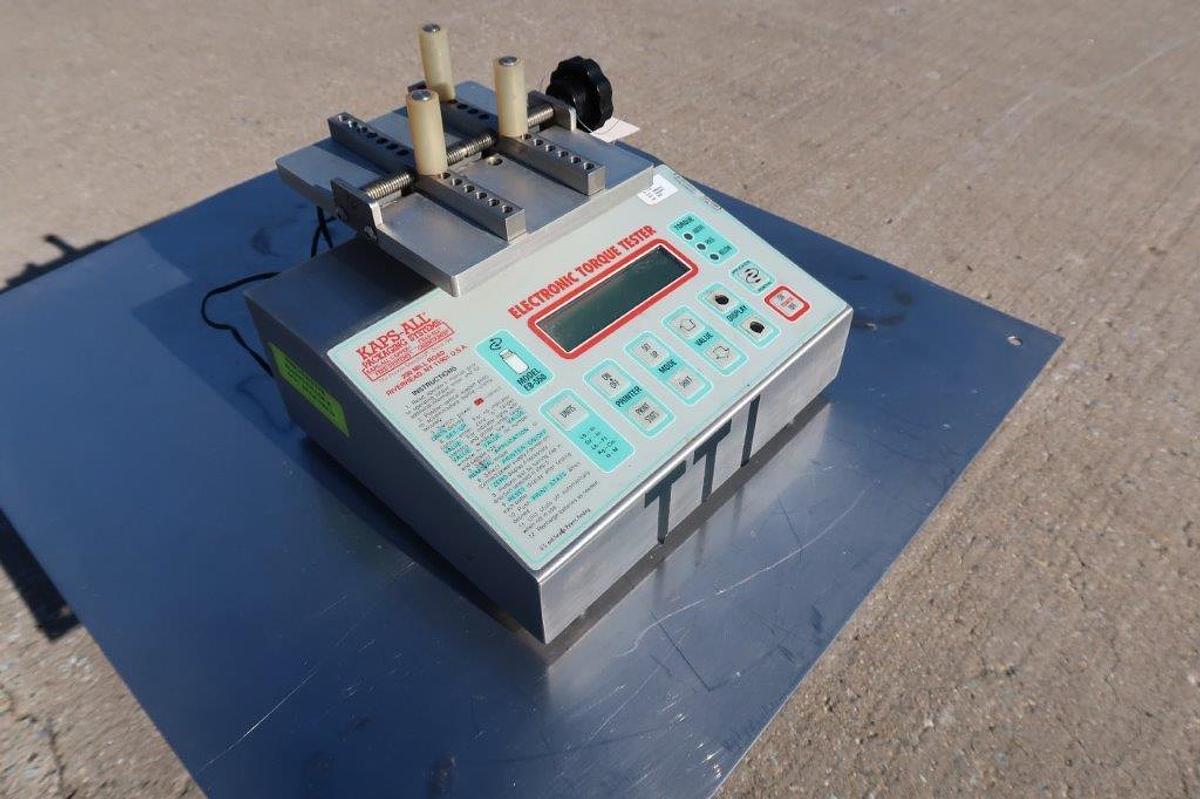
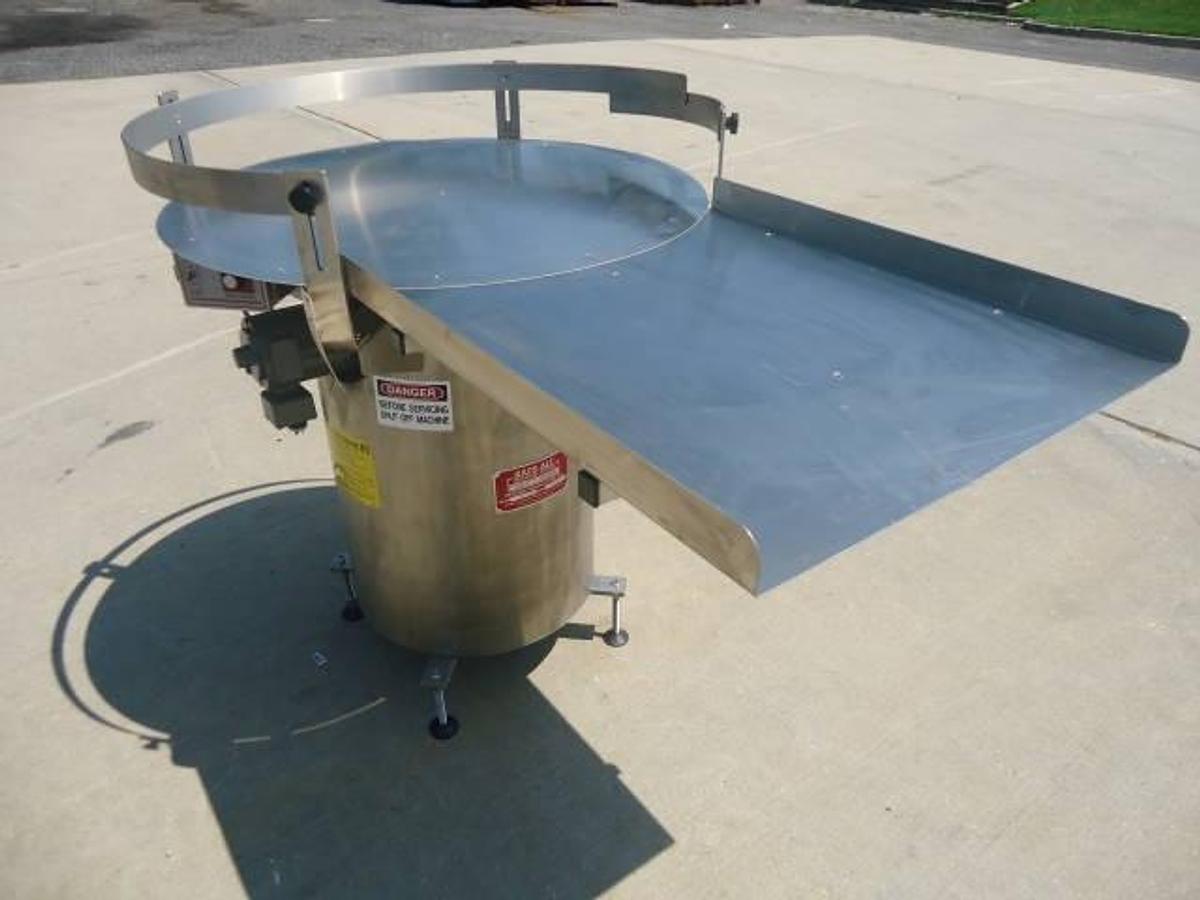
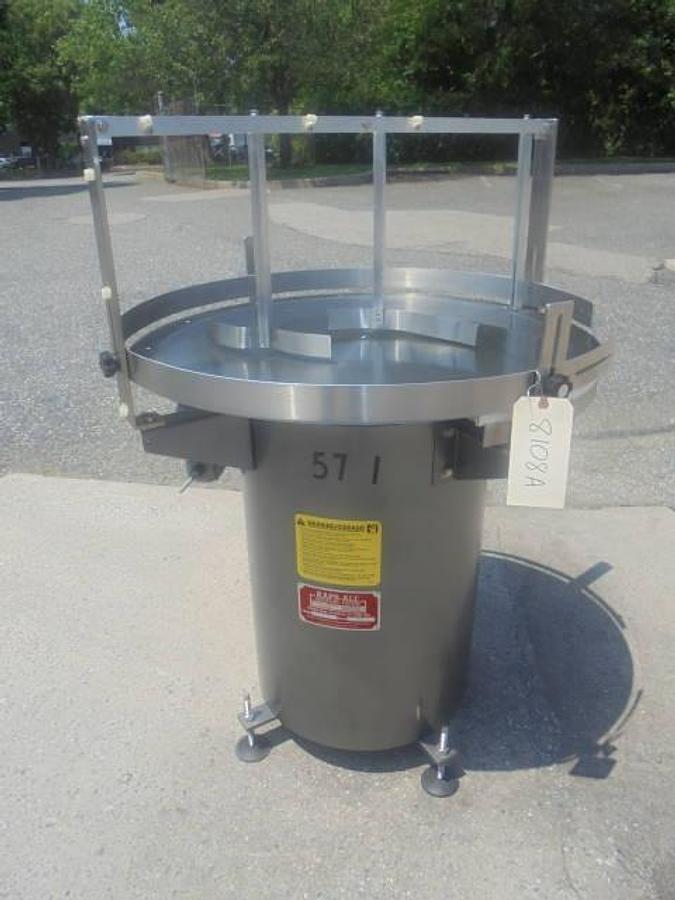
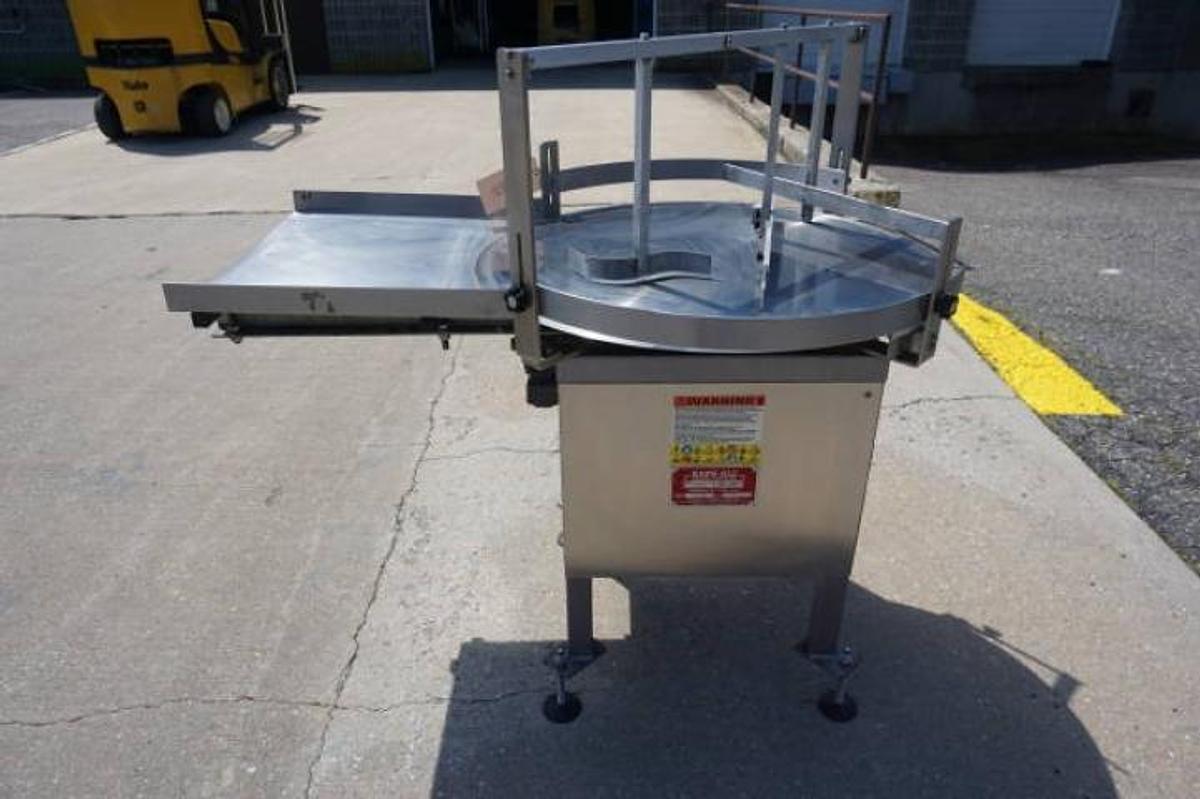
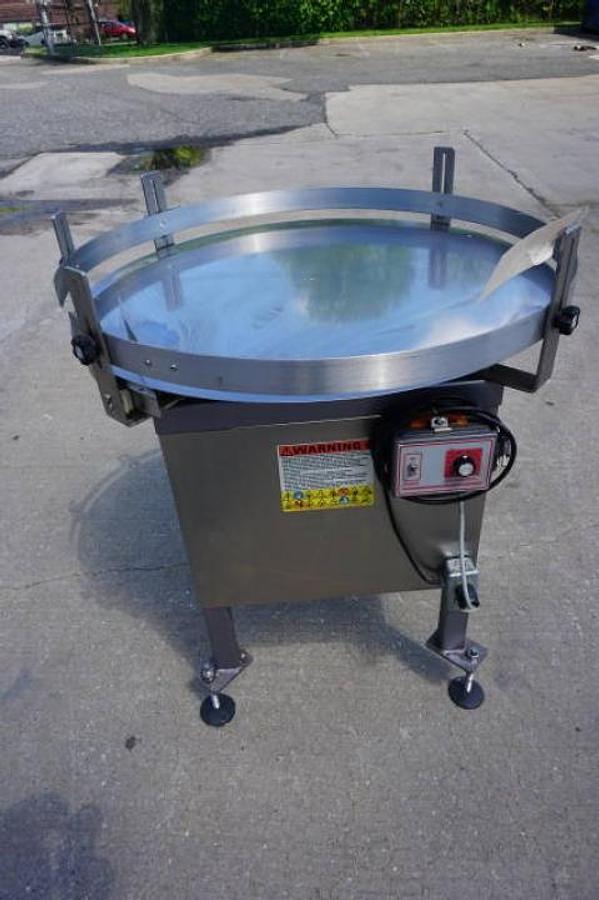
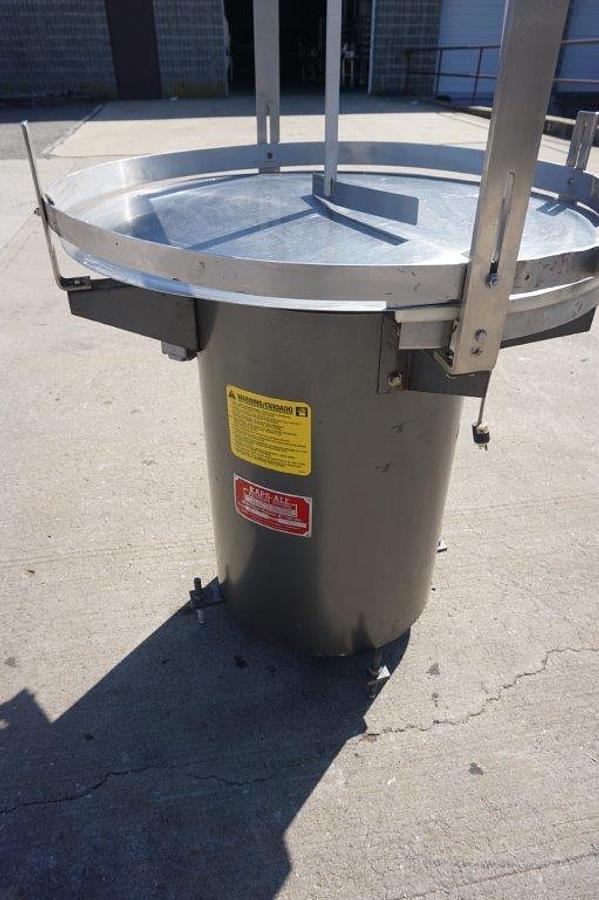
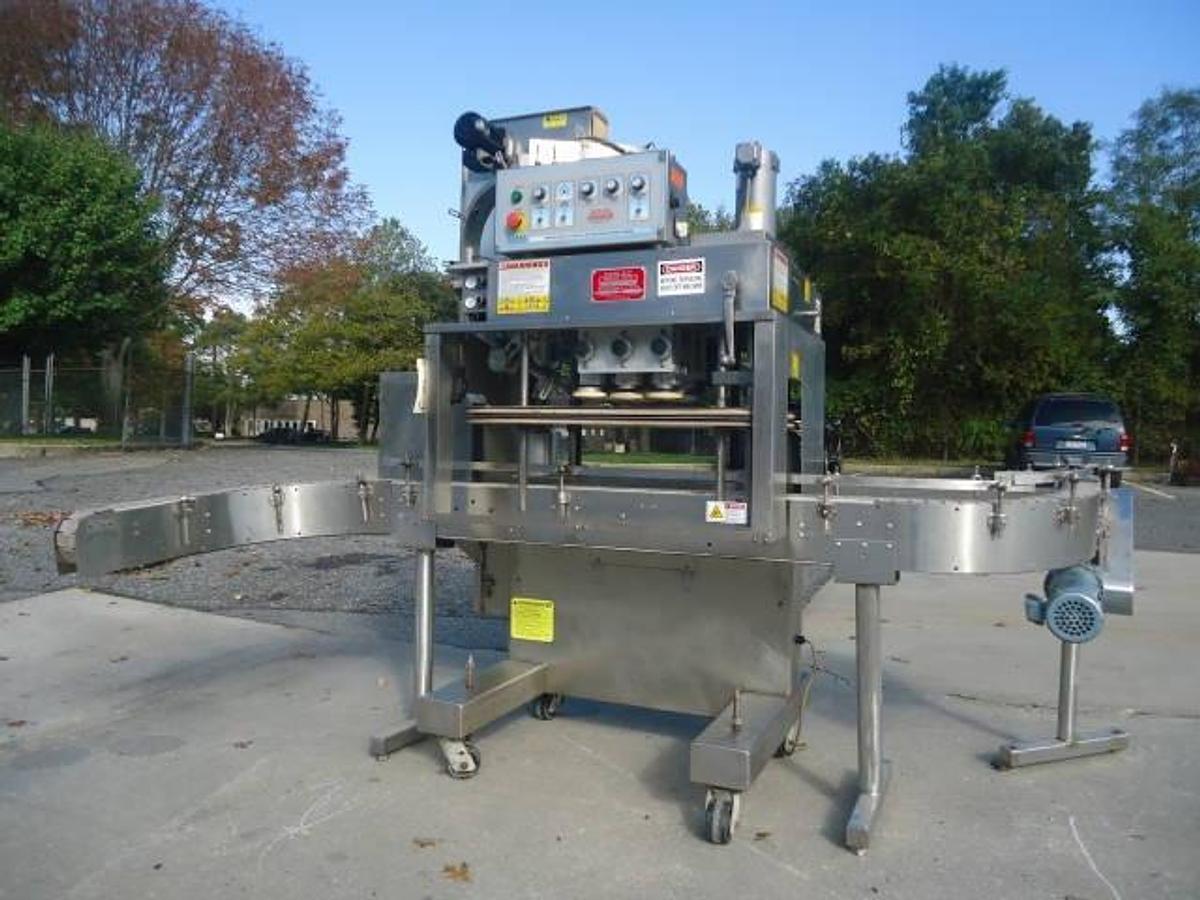
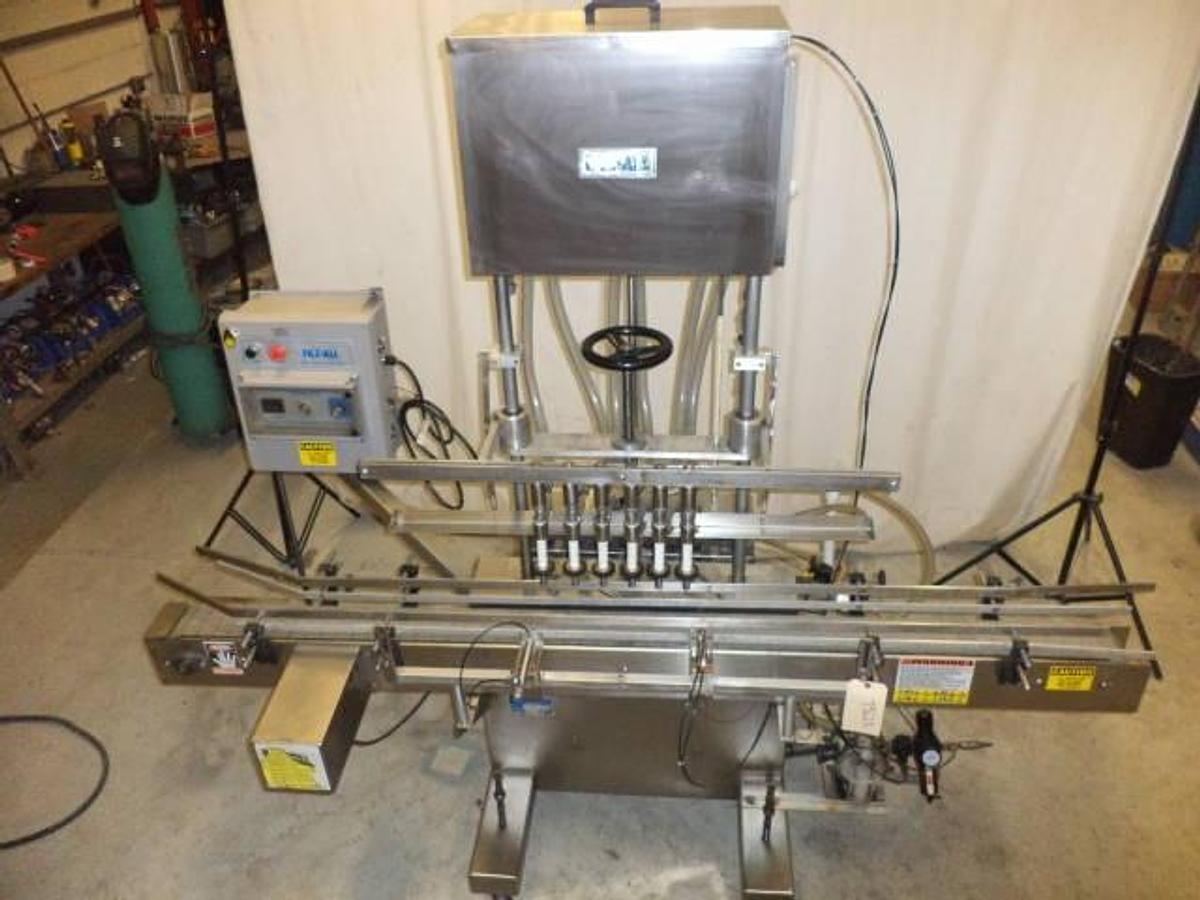
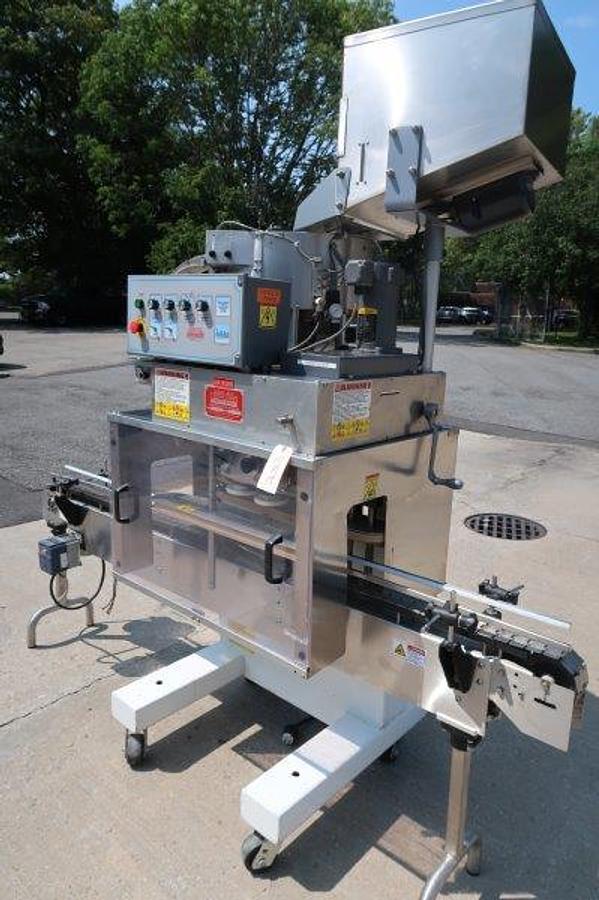
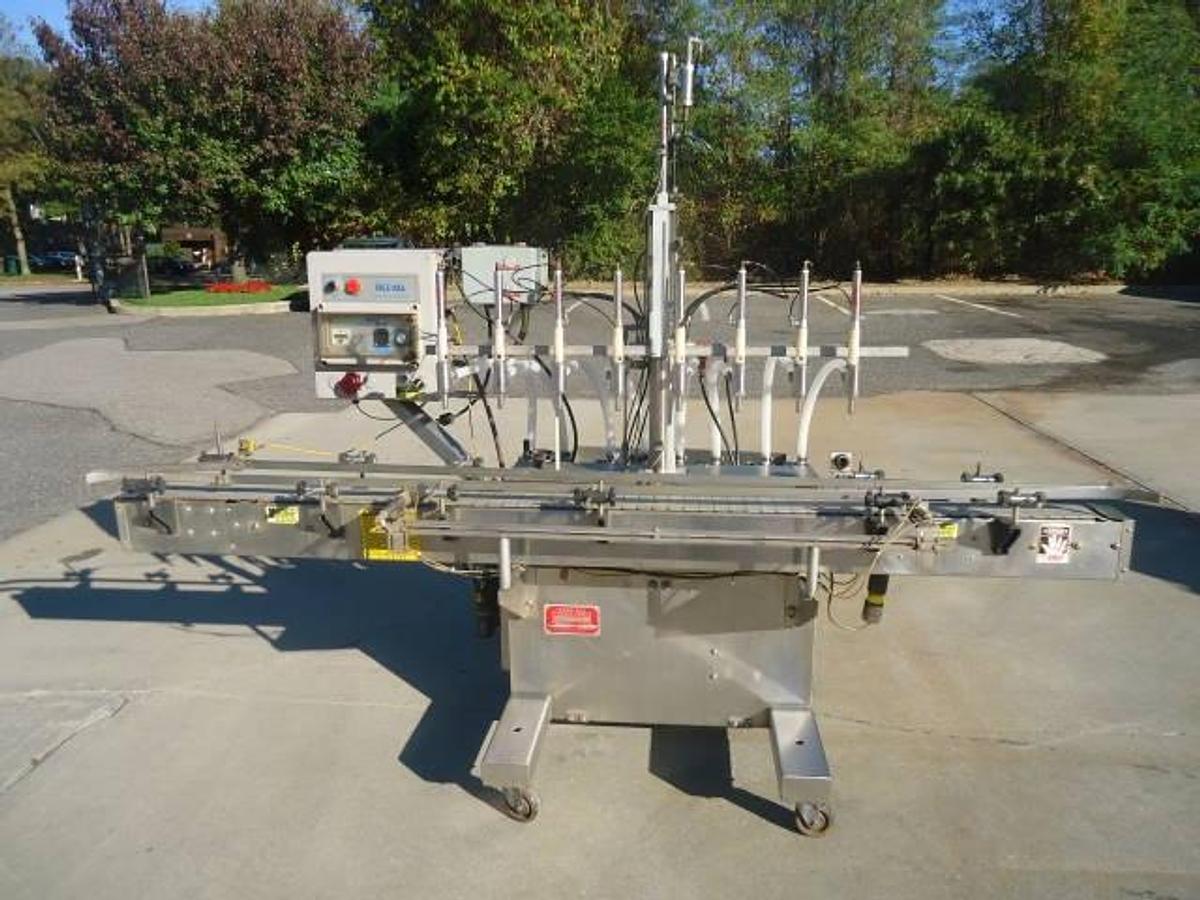
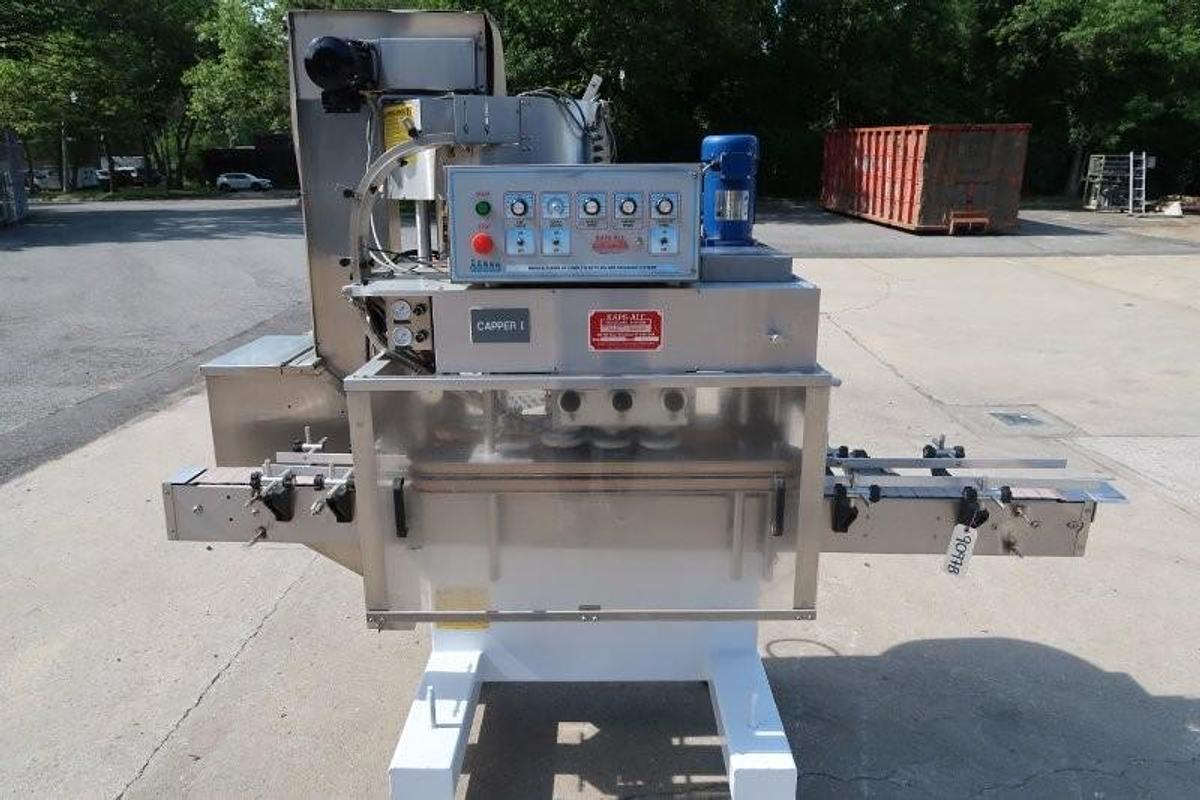
The used Kaps-All equipment market covers a fairly wide range of packaging machinery, with capping machines being the most common category. Screw cappers are available in several spindle configurations, including four-spindle models like the E-4 and FE-4, six-spindle models like the A-2 and A-6, and eight-spindle models like the C-8. Beyond screw cappers, buyers can find snap cappers, overcappers, press-on cappers, and cap retorquers/tighteners. Filling machines also appear regularly, including piston fillers (such as the VOL-32 series in 8, 12, and 20-piston configurations), overflow fillers, pressure fillers, and gravity fillers. Auxiliary equipment rounds out the lineup, including bottle unscramblers (AU-3S, AU-6, AU-6C), rotary accumulating and unscrambling tables in 36-inch and 48-inch diameters, inclined cap elevators and feeders, bottle cleaners, conveyors, and torque testers.
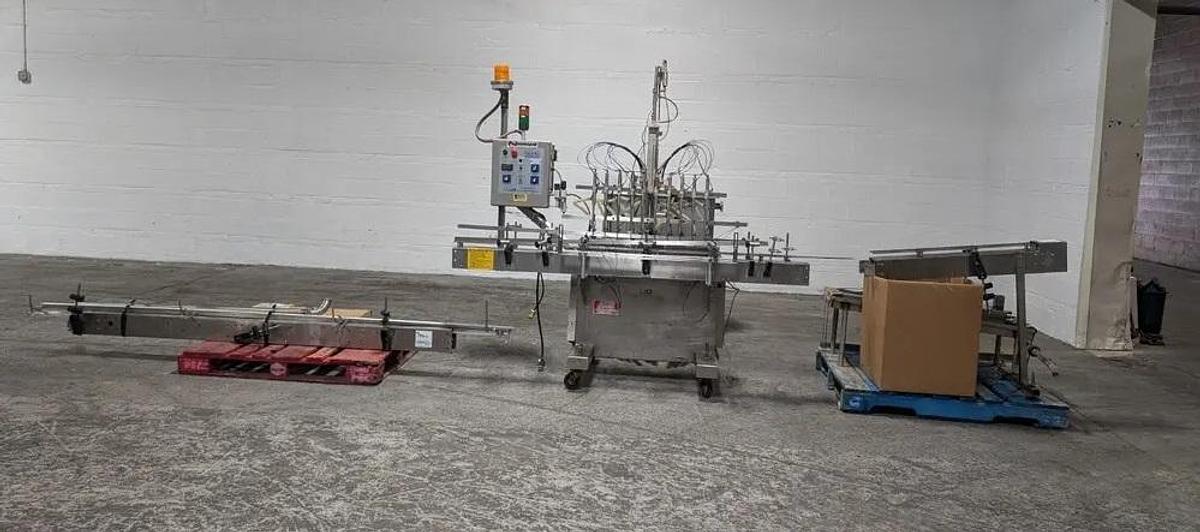
The breadth of this inventory reflects how extensively Kaps-All equipment was adopted across industries over the decades. Buyers putting together a complete packaging line can sometimes source multiple compatible pieces from the same manufacturer, which simplifies integration. Complete automated filling lines that combine a filler, capper, cleaner, and rotary tables do occasionally come up for sale as a single lot, which can be an efficient way to acquire a matched set of equipment.
What industries commonly use Kaps-All capping and filling equipment?
Kaps-All machinery has a broad installed base across several industries, largely because the equipment handles such a wide variety of container types and closure styles. The food and beverage sector has historically been one of the heaviest users, with applications ranging from condiments and sauces to bottled water and juice. Pharmaceutical and nutraceutical manufacturers rely on Kaps-All cappers for their consistent torque application, which is critical for maintaining tamper-evident seals and meeting regulatory packaging standards. Cosmetics and personal care companies use the equipment for lotions, shampoos, and similar products, while chemical and household products manufacturers use it for cleaners, lubricants, and similar goods.
This cross-industry demand is one reason the used market for Kaps-All equipment stays active. A machine that was decommissioned from a food plant, for example, may be a strong candidate for a nutraceutical or cosmetic operation after appropriate cleaning and inspection. Buyers should, however, assess whether a machine's prior use in a particular industry creates any material contamination concerns relevant to their own production environment. Consulting with the selling dealer about the machine's history and previous application is a reasonable step during the evaluation process.
What production speeds can Kaps-All capping machines achieve?
Production speed varies considerably across the Kaps-All model range, and spindle count is one of the primary factors. Four-spindle models, such as the E-4 and G-E, are typically rated at around 80 bottles per minute, making them well-suited for mid-range production environments. Six-spindle machines like the A-2 are rated at approximately 150 bottles per minute, while the A-6 and GA-6 models can reach up to 200 bottles per minute. The eight-spindle C-8 handles higher-volume applications, and multi-lane filler configurations like the VOL-32-16 twenty-piston dual-lane filler are designed for high-speed operations where throughput is the primary concern.
It is worth keeping in mind that these rated speeds represent the machine's design capacity under optimal conditions with properly sized containers and closures. Actual throughput in a production environment depends on factors like container stability, cap feed consistency, conveyor speed, and the overall line configuration. When evaluating a used machine, buyers should discuss with the dealer what production speeds the machine was achieving in its previous application, as this can provide a more practical reference point than the nameplate rating alone. Pairing a capper with an appropriately matched cap elevator, unscrambler, and conveyor system is also important for achieving rated line speeds.
What cap types and container sizes are compatible with Kaps-All capping machines?
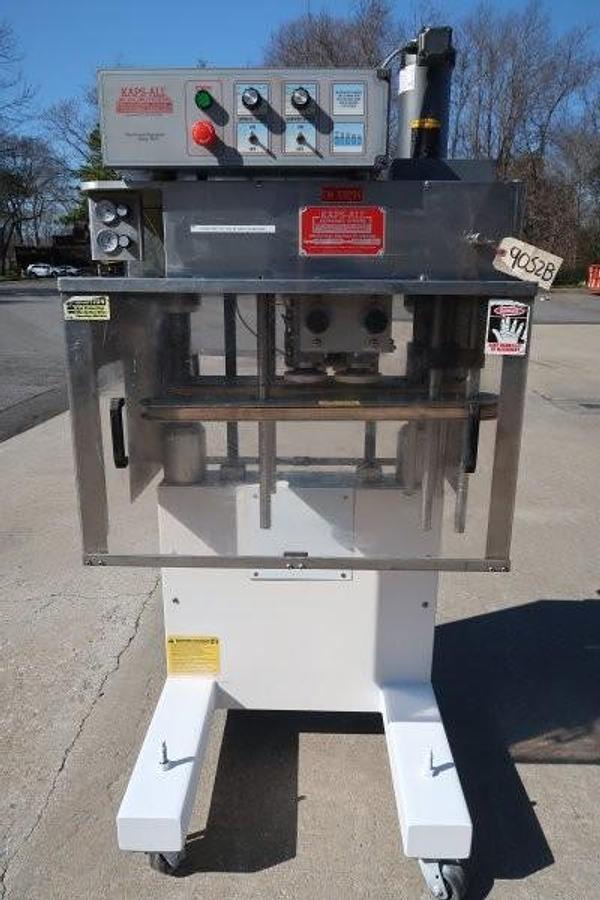
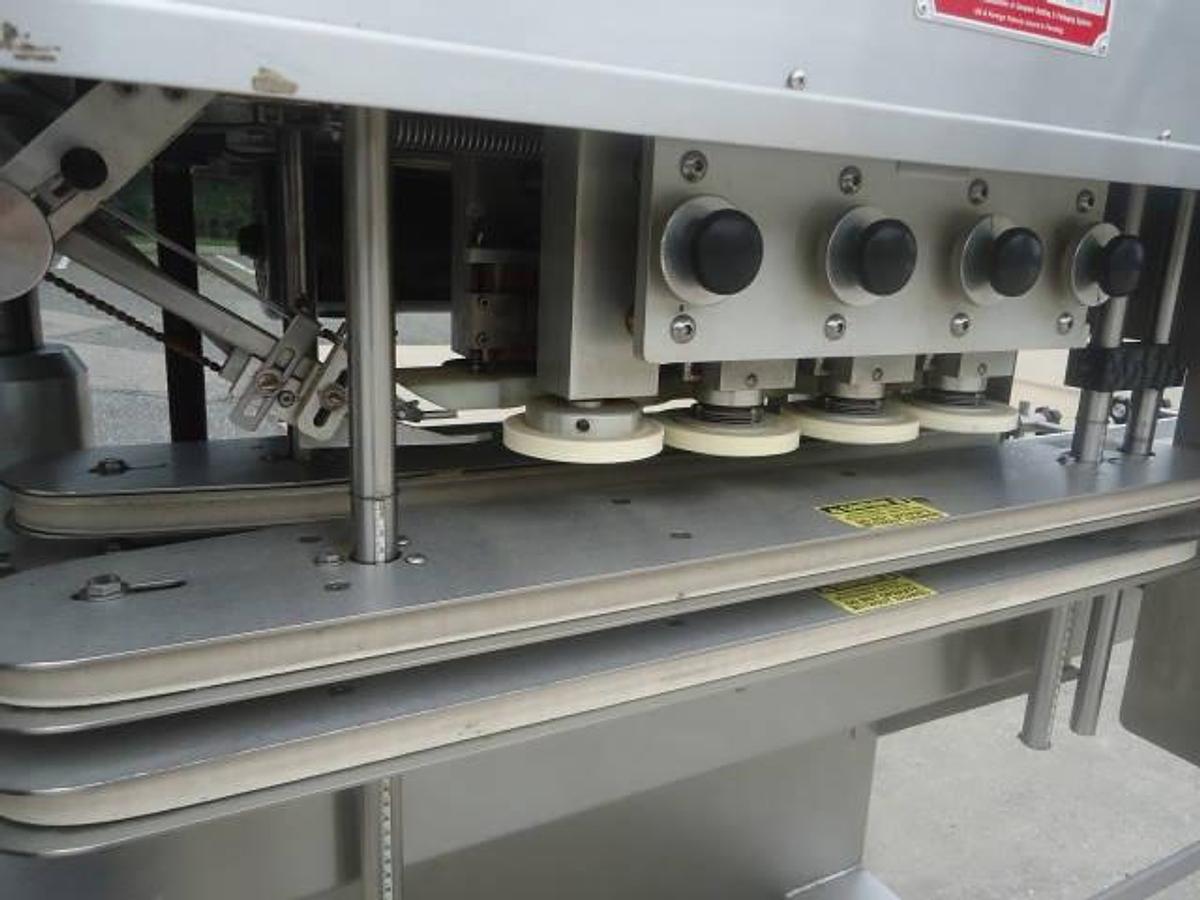
Kaps-All capping machines are known for their versatility across closure types. The screw capping models handle standard screw caps, child-resistant closures, sports caps, and trigger sprayer fitments. The snap capper and overcapper models, such as the BA-6 and GA-6, are designed for press-on and snap-fit closures. The chuck-style capping mechanism used in Kaps-All rotary cappers is particularly valued for delivering consistent, repeatable torque, which reduces the risk of over-tightening or cap damage across a production run. Retorquer and cap tightener models like the F-4 and F-6-S are used downstream to verify or correct applied torque without running bottles through a full capping cycle again.
Container compatibility depends on the specific model and its chuck and guide rail configuration. Many Kaps-All machines are designed with changeover flexibility in mind, allowing operators to adjust for different bottle diameters and cap sizes by swapping chuck inserts and adjusting guide rails. However, the degree of changeover required varies by model, and buyers should verify with the dealer exactly which tooling is included with a used machine and what additional tooling might be needed for their specific containers. Providing the dealer with your bottle and cap dimensions before purchase is a practical way to confirm compatibility before committing.
What is the difference between Kaps-All screw cappers, retorquers, and snap cappers?
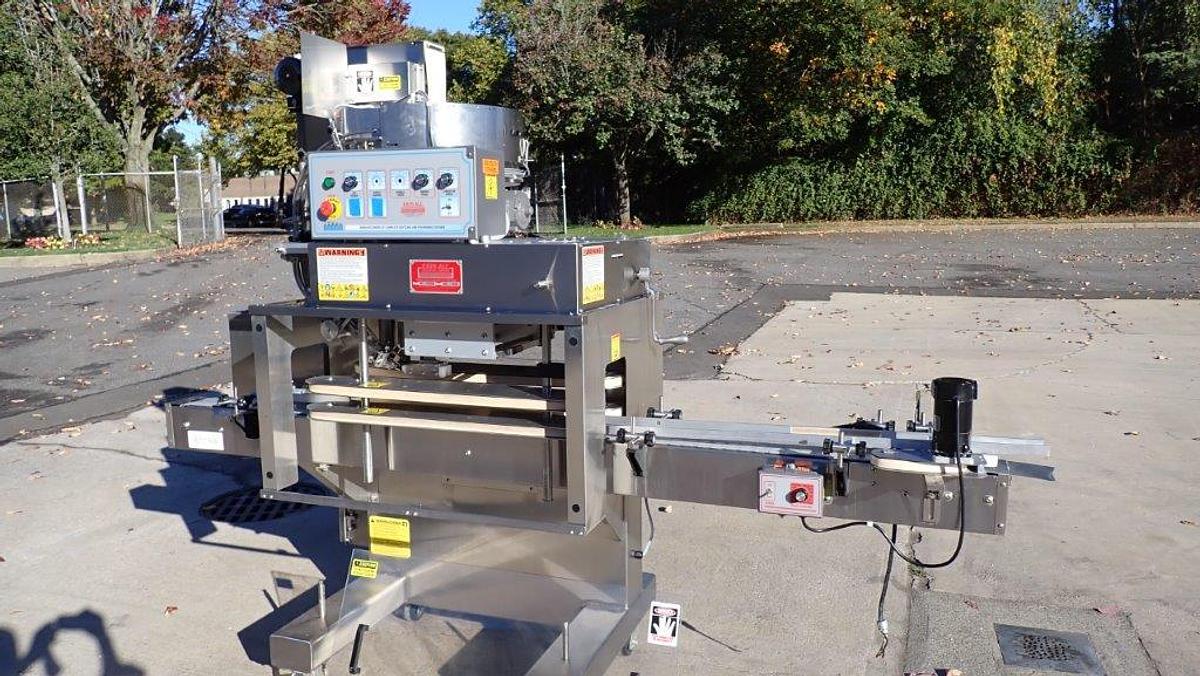
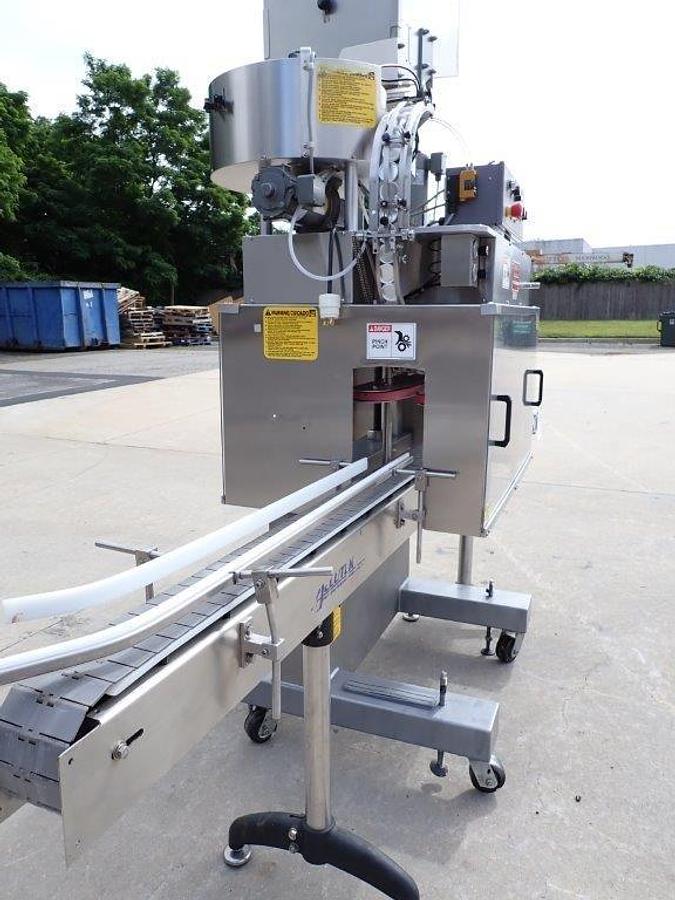
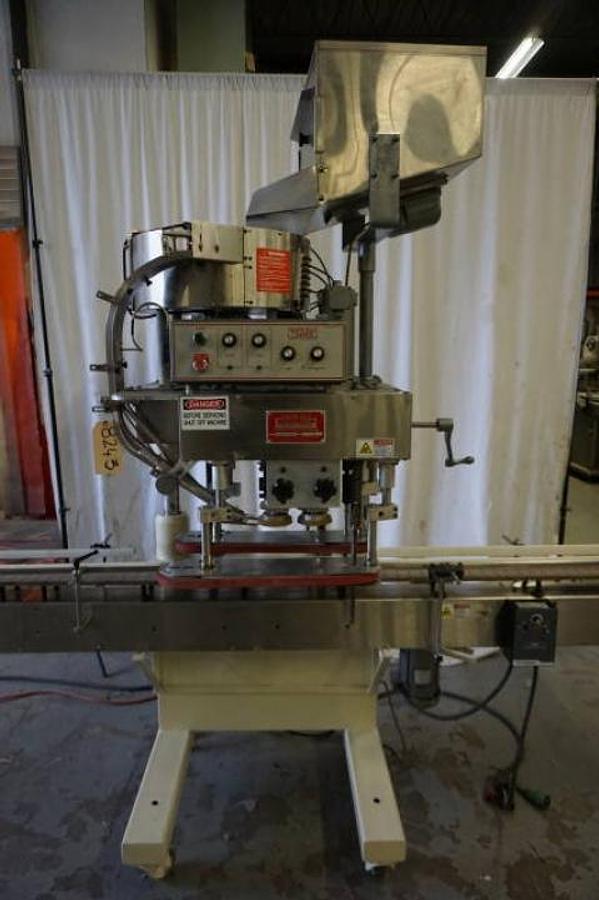
Screw cappers are the most common Kaps-All machine type and are designed to pick up a cap from a feeder system and apply it to a container by spinning it down to a specified torque. These machines handle the full capping cycle from cap placement to final torque application. Models like the A-2, A-6, E-4, and C-8 fall into this category, with the primary differences being spindle count, throughput speed, and frame construction (standard versus stainless steel).
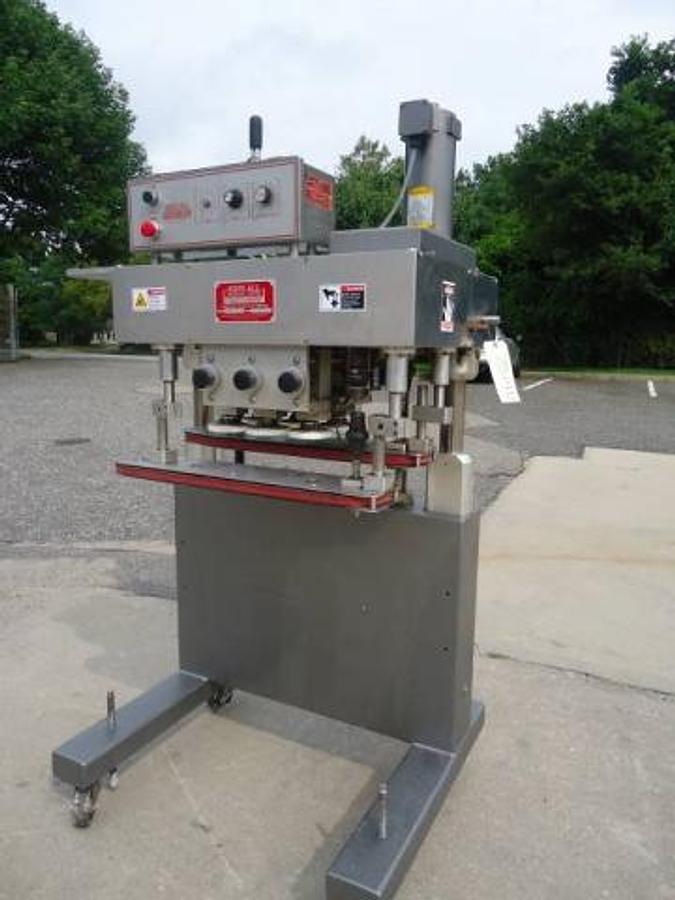
Retorquers and cap tighteners, such as the F-4, F-6-S, and the four-spindle retorquer models, serve a different function. They are positioned downstream on a packaging line to re-apply torque to caps that may have loosened slightly after initial application, which can happen due to thread relaxation or product settling. They do not feed caps; they only tighten closures already placed on bottles. Snap cappers and overcappers, like the BA-6 and Model B, are designed for press-on closures that do not use threads at all. These machines apply downward force to seat a cap onto a container neck rather than spinning it. Choosing the right machine type depends entirely on the closure style being used, so buyers should be clear about their cap type before selecting a model.
Are used Kaps-All machines a practical option for smaller or startup production operations?
Used Kaps-All equipment can be a reasonable fit for smaller operations, though it depends on the model and the production requirements. The more compact, portable models like the four-spindle E-series cappers are physically manageable for facilities with limited floor space and are rated at around 80 bottles per minute, which aligns with lower-volume production needs. Similarly, smaller piston fillers and single-lane filling lines offer a lower-cost entry point compared to high-speed multi-lane configurations. For a startup trying to establish a packaging line without the capital outlay of buying all equipment at list price, the used market can make professional-grade machinery accessible at a fraction of the cost.
That said, startups and smaller operations should go into the purchase with realistic expectations about what buying used equipment involves. These machines are sold as-is, so the buyer takes on the responsibility of inspection and assessment before purchase. Working with a reputable dealer who specializes in packaging machinery and who can provide detailed photos, video, or in-person inspection access is important. Buyers should also contact Kaps-All directly to understand what level of technical support and parts availability exists for the specific model and age of machine they are considering, since older models may have more limited manufacturer support.
How should a buyer inspect a used Kaps-All machine before purchasing?
Inspection is one of the most important steps in buying used packaging machinery, and reputable dealers typically accommodate it in several formats. In-person inspections allow a buyer or their technician to physically examine the machine, check for wear on spindles, chucks, belts, and drive components, review the condition of the frame and any stainless steel surfaces, and assess the overall mechanical state. Video inspections and recorded walkthroughs are a practical alternative for buyers who cannot travel, and most established dealers can provide detailed video captures that show the machine from multiple angles and, where possible, demonstrate basic mechanical operation.
Some machines being offered for sale are still installed and in active production at the seller's facility, which creates an opportunity to observe the equipment running under real conditions. Others have been decommissioned and may be in storage. It is worth asking the dealer specifically about the machine's current status and history. Keep in mind that most equipment dealers do not have active production facilities and therefore cannot run product through a machine to demonstrate full output, but they can often demonstrate mechanical function. Buyers should also check whether all original tooling, change parts, and documentation are included, since missing components can add unexpected cost after the purchase.
What maintenance do Kaps-All capping machines typically require, and are parts available for older models?
Kaps-All machinery has a strong reputation for durability, which is a significant part of why the used market for these machines remains active. Routine maintenance on screw capping machines generally involves lubricating spindle assemblies and drive chains, inspecting and replacing worn chuck inserts or rubber gripping components, checking belt tension and condition, and verifying that torque settings remain calibrated. Cap elevators and unscramblers require regular inspection of cleated belts, guide rails, and motor drives. Piston fillers need attention to seals, piston surfaces, and valve assemblies to maintain fill accuracy and prevent leakage.
Parts availability for Kaps-All equipment varies by model age. Kaps-All has been manufacturing packaging machinery for decades, and while the company continues to support many of its machine lines, buyers should contact the manufacturer directly to confirm what parts and technical support are available for the specific model and serial number they are considering. Older or discontinued models may have more limited factory support, though the aftermarket parts ecosystem for common components like chuck inserts, belts, and bearings is generally accessible through packaging machinery parts suppliers. Before purchasing a used machine, getting clarity on parts availability is a prudent step that can significantly affect the long-term cost of ownership.
What should buyers understand about shipping and payment when purchasing used Kaps-All machinery?
Shipping costs for used packaging machinery are not fixed and depend on several variables, including the size and weight of the equipment, the level of packaging required to protect it in transit, and the distance to the buyer's facility. Smaller machines like portable four-spindle cappers and cap elevators can often be palletized and shipped via standard freight carriers. Larger machines, complete filling lines, or heavy rotary tables may require professional rigging for loading and unloading, which adds to the total landed cost. Crating requirements also vary; some dealers provide custom crating for fragile or complex equipment to prevent damage during transit. Buyers should ask dealers for a full breakdown of packaging, rigging, and freight costs before finalizing a purchase so there are no surprises in the total cost.
On payment terms, used equipment dealers typically require full payment before a machine is released for shipping. Some dealers extend terms to established repeat customers, but this is not standard practice for first-time buyers. Wire transfer is the most common payment method for used industrial machinery transactions. Buyers should factor in the full landed cost, including freight, rigging, and any site preparation needed to receive and install the equipment, when comparing options and building a budget for a used machinery purchase.
What is the role of a Kaps-All bottle unscrambler in a packaging line, and what models are commonly available?
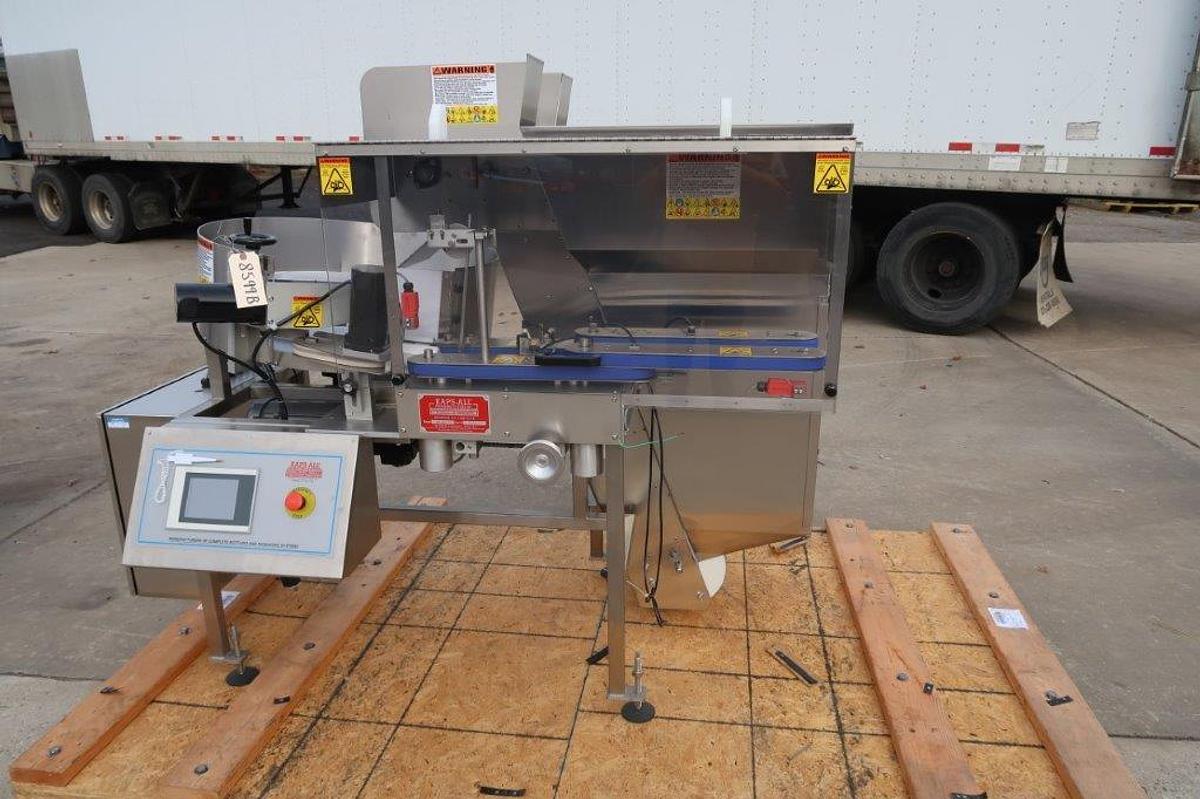
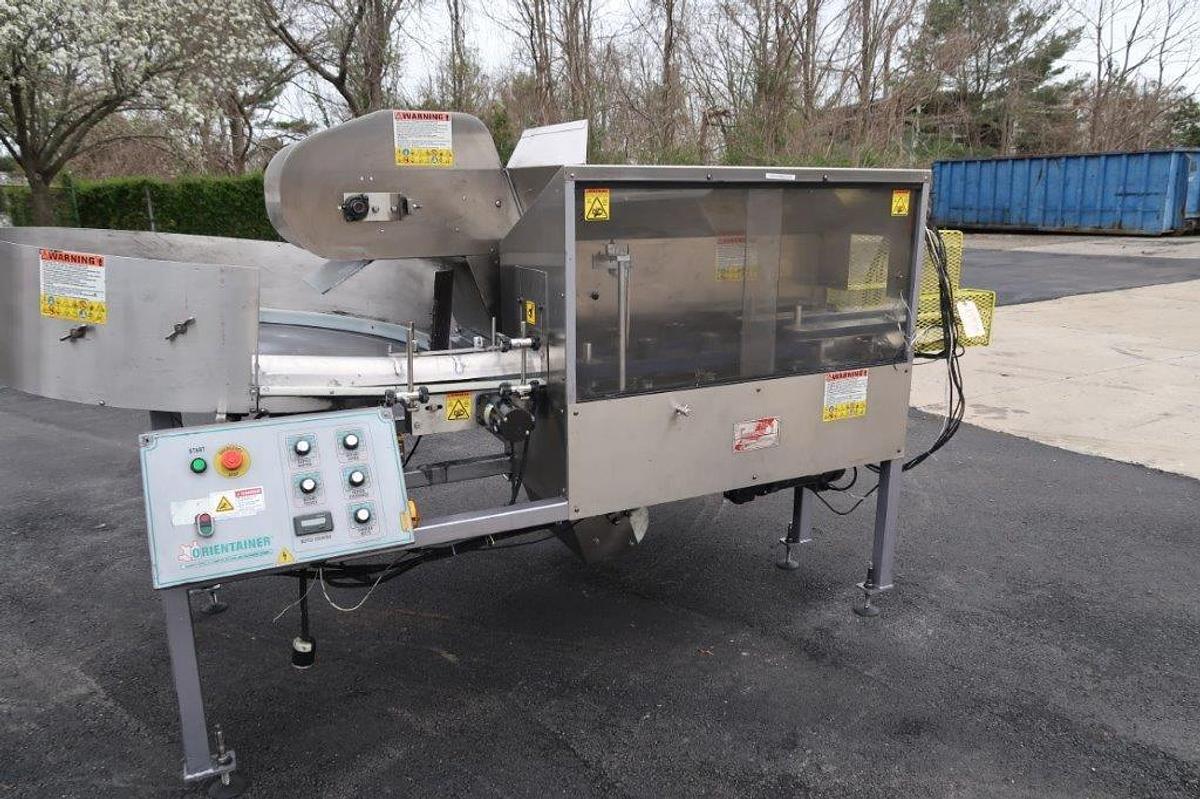
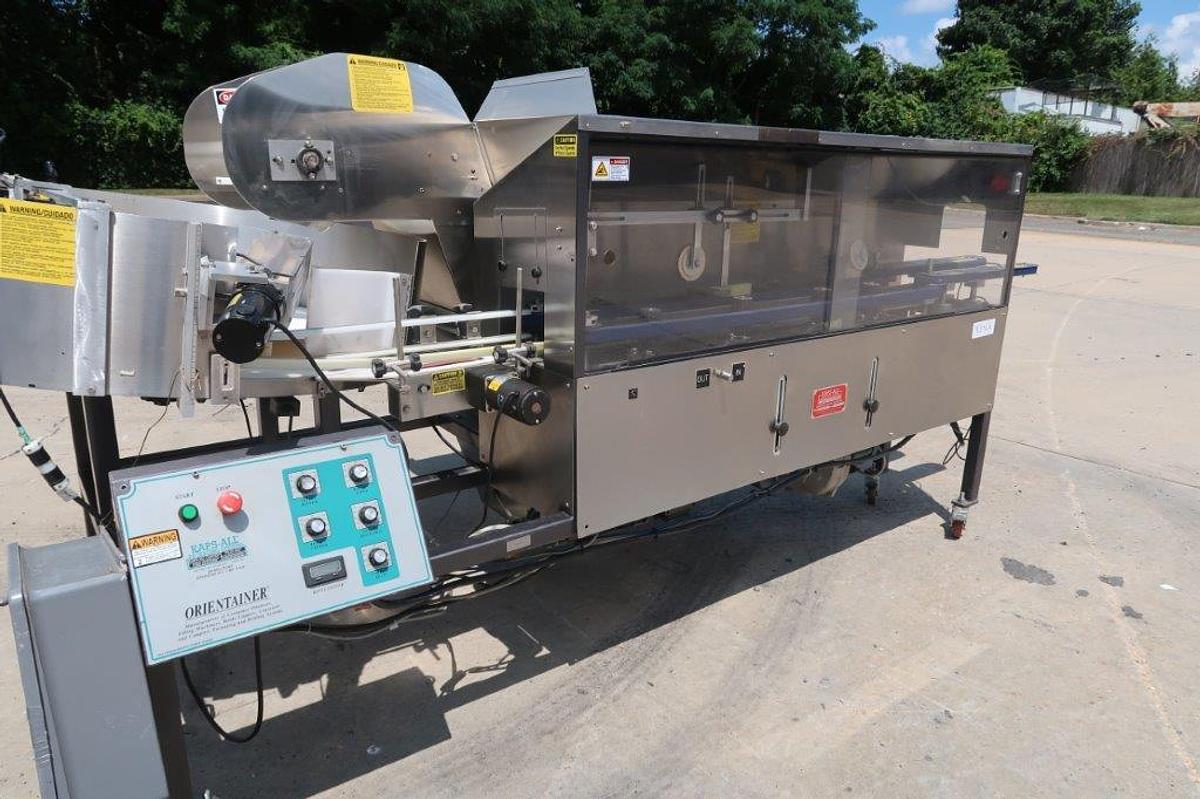
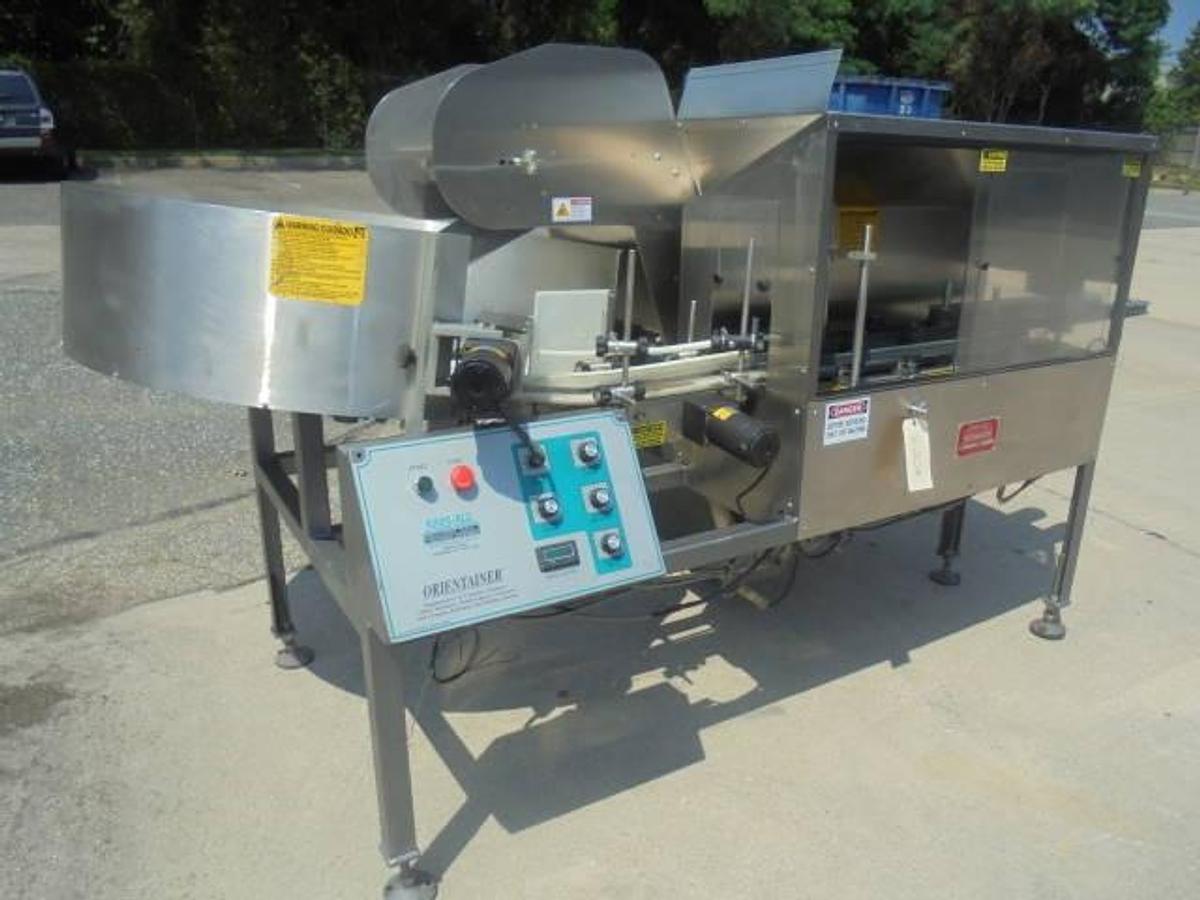
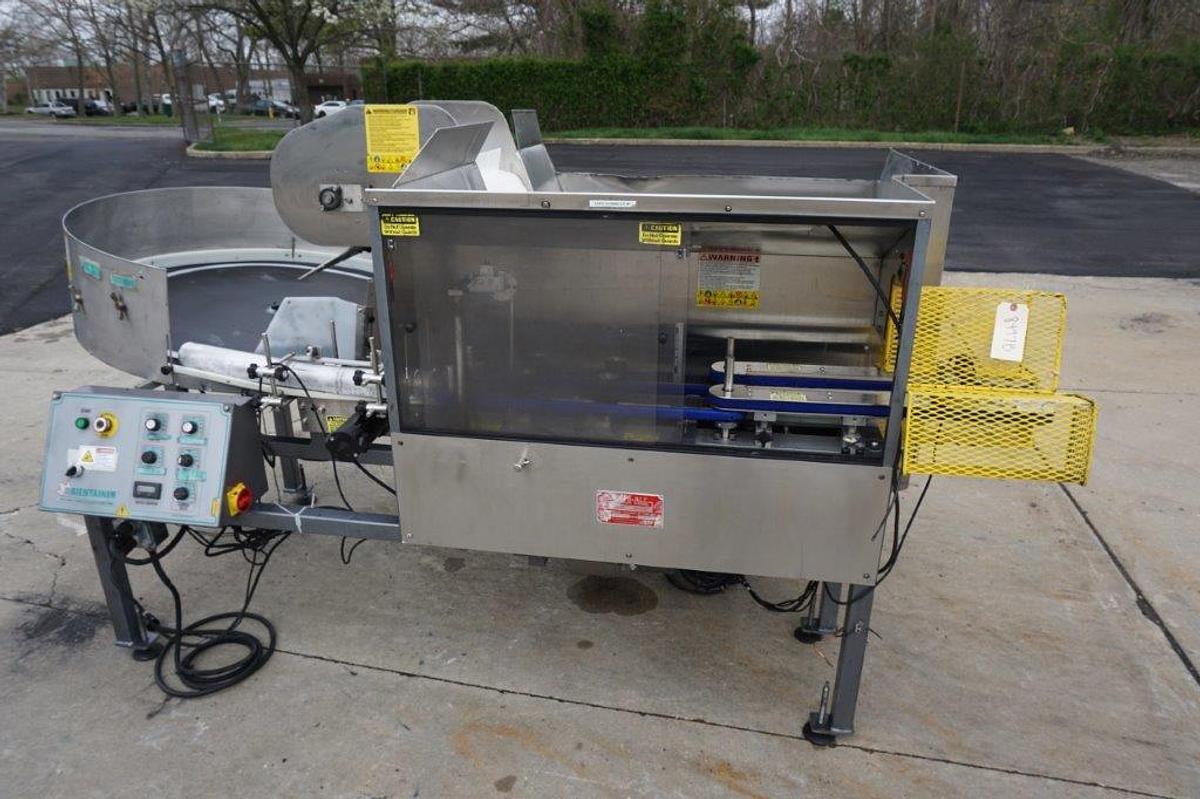
A bottle unscrambler is used at the beginning of a packaging line to take randomly oriented empty containers from a bulk supply and orient them upright and in a single file for feeding into filling and capping equipment. Without an unscrambler, operators would need to hand-place bottles onto a conveyor, which is labor-intensive and creates a bottleneck at higher production speeds. Kaps-All unscramblers use a rotating bowl or pre-feeder system to sort and orient bottles, then discharge them onto a conveyor in a consistent upright position. This automation step is particularly valuable for operations running at 150 to 300 bottles per minute or more, where manual feeding is not feasible.
Commonly available used Kaps-All unscrambler models include the AU-3S compact stainless steel unit, the AU-6 with pre-feeder bowl options in approximately 48-inch diameter configurations, and the AU-6C rated at around 300 bottles per minute. Rotary unscrambling and accumulating tables in 36-inch and 48-inch diameters also appear regularly on the used market and serve a dual function, allowing bottles to accumulate and be manually oriented before entering the line. When evaluating a used unscrambler, buyers should confirm that the machine's bottle guides and tooling are compatible with their specific container dimensions, and ask whether any additional change parts are needed for their bottle profile.