Category
Manufacturer
Model
FAQ:
What is a Kamata soft gelatin encapsulator and what is it used for?
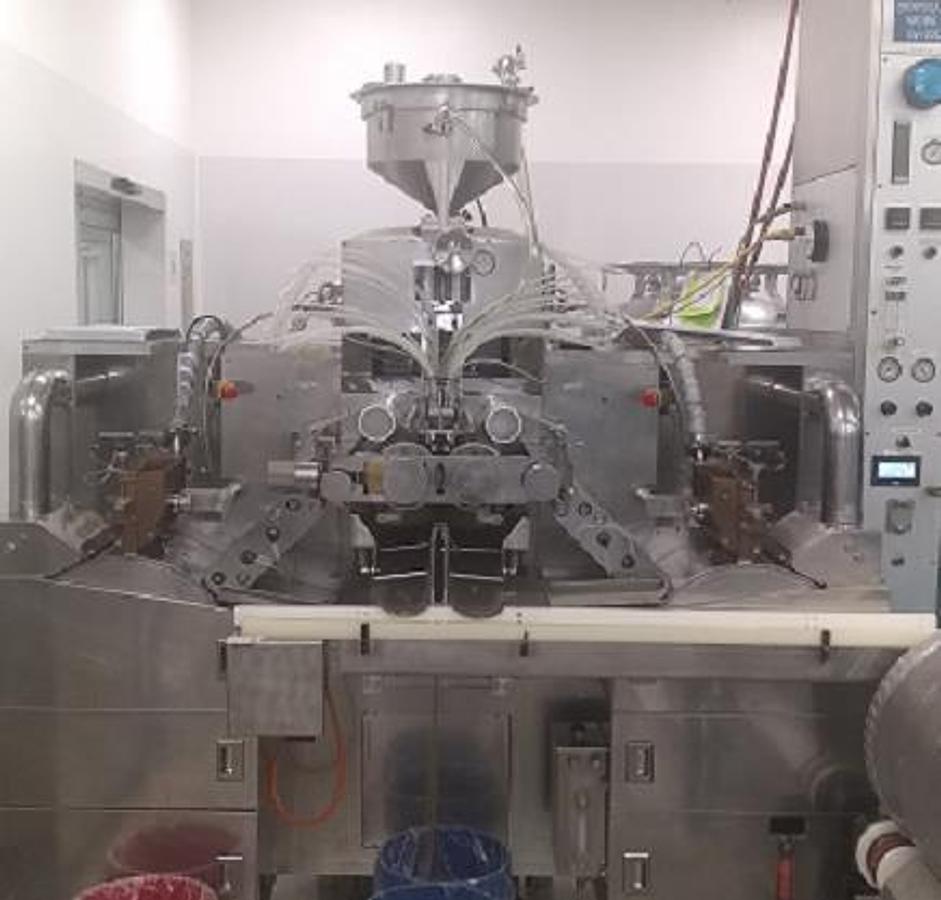
A Kamata soft gelatin encapsulator is a pharmaceutical-grade rotary die machine designed to produce softgel capsules filled with oils, liquid medications, nutritional supplements, vitamins, and cosmetic formulations. The rotary die process is the industry standard technology used in these machines: two continuous gelatin ribbons are formed and fed into opposing rotating dies, which simultaneously fill and seal each capsule in a single continuous operation. This method delivers high fill accuracy and consistent capsule sealing quality, which is why it remains the dominant technology in softgel production worldwide.
Kamata machines are used by a broad range of buyers, including pharmaceutical manufacturers, nutraceutical companies, contract manufacturers, research institutions, and startups entering the supplement space. The machines are capable of handling a wide variety of fill materials, from low-viscosity fish oils and vitamin E to thicker paste-like formulations, making them versatile across product categories. When purchasing a used Kamata encapsulator, buyers should confirm that the specific model on offer is compatible with their intended fill material viscosity range and capsule size requirements before committing to a purchase.
What models of Kamata soft gelatin encapsulators are available on the used equipment market?
The Kamata model most commonly found on the used pharmaceutical equipment market is the WB-1 soft gelatin encapsulator. The WB-1 is a rotary die encapsulator designed for softgel capsule production and has been used in commercial pharmaceutical and nutraceutical manufacturing environments. Kamata, a Japanese manufacturer, has produced a range of encapsulation equipment over the years, and the WB-1 represents one of their recognized production-scale models.
When evaluating a used Kamata WB-1 or any other Kamata model, prospective buyers should request full specifications from the seller, including the capsule size range the machine accommodates, the die sets included with the machine, the rated output in capsules per hour, and the overall mechanical condition. Because these are used machines, specifications can vary depending on how the equipment was configured and maintained during its production life. It is worth contacting Kamata directly to understand what level of parts availability and technical support can be expected for the specific model and age of the machine being considered.
What types of fill materials can a Kamata soft gelatin encapsulator handle?
Kamata soft gelatin encapsulators, like most rotary die machines, are designed to handle a range of fill materials that are either liquid or semi-solid at the fill temperature used during production. Common fill types include vegetable oils, fish oils, vitamin E, omega-3 concentrates, herbal extracts suspended in oil, liquid pharmaceuticals, and paste-like formulations with higher viscosity. The fill material must be pumpable and non-reactive with gelatin at processing temperatures, which typically range between 35 and 60 degrees Celsius depending on the formulation.
Fill materials that are water-based or have high water activity are generally not suitable for softgel encapsulation because water migrates into the gelatin shell and causes it to soften or degrade. Buyers planning to encapsulate unusual or high-viscosity materials should review the specific pump and fill wedge configuration of the used machine they are considering, as some configurations handle thicker pastes better than others. If the machine has been used previously in a specific production environment, asking the seller about the fill materials it was running can give useful insight into its suitability for a new application.
What production output can be expected from a used Kamata soft gelatin encapsulator?
Production output for soft gelatin encapsulators is measured in capsules per hour and varies significantly based on the machine model, die configuration, capsule size, and the fill material being processed. Smaller production-scale rotary die encapsulators typically produce anywhere from 3,000 to 15,000 capsules per hour, while larger commercial machines can exceed 100,000 capsules per hour. The Kamata WB-1 is a production-scale machine, so buyers should confirm the rated output with the seller and understand how capsule size and die configuration affect that figure.
For used machines specifically, actual achievable output may differ from the manufacturer's rated specifications depending on the age of the machine, the condition of the gelatin spreader boxes, the die rolls, and the overall mechanical state of the equipment. Buyers should ask whether the machine was inspected or refurbished prior to sale and request any available documentation on its production history. A thorough inspection, either in person or via video, is the most reliable way to assess whether the machine is capable of meeting a specific production target before purchase.
Can a Kamata soft gelatin encapsulator produce vegetarian or plant-based capsules?
Soft gelatin encapsulators were originally designed around animal-derived gelatin shells, which remain the most widely used shell material in softgel production. However, the industry has increasingly shifted toward plant-based shell formulations, including modified starch (HPMC), carrageenan, and pullulan-based systems, to meet demand for vegetarian, vegan, and halal-certified products. Whether a specific Kamata machine can run these alternative shell materials depends on the model, the gelatin spreader box configuration, and the temperature control capabilities of the machine.
Plant-based shell formulations often require different processing temperatures and gelatin ribbon characteristics compared to standard animal gelatin, and not all rotary die machines handle the transition without modification. Buyers interested in running vegetarian capsule shells on a used Kamata encapsulator should consult with a formulation specialist or the machine manufacturer to determine compatibility before purchasing. Asking the seller whether the machine was ever used with non-standard shell materials can also help clarify its suitability for vegetarian capsule production.
What should buyers inspect when evaluating a used Kamata soft gelatin encapsulator?
A thorough inspection is one of the most important steps in purchasing any used pharmaceutical encapsulation equipment. For a used Kamata soft gelatin encapsulator, key areas to examine include the condition of the rotary die rolls (looking for wear, scoring, or damage to the die cavities), the gelatin spreader boxes and heating elements, the fill pump and wedge assembly, the drive system and gearbox, and the overall frame and guarding. Any visible corrosion, missing components, or signs of improper maintenance should be noted and factored into the purchase decision.
Reputable used equipment dealers will typically accommodate in-person inspections at their facility or at the plant where the machine is currently located. Video inspections are also commonly offered for buyers who cannot travel. Keep in mind that most used equipment dealers do not have the production permits required to run actual product through a machine during an inspection, so operational testing is generally limited to dry runs or mechanical checks. Buyers should also contact Kamata directly to assess what parts and technical support are available for the specific model being considered, since parts availability can vary based on the age of the machine.
What is the typical price range for a used Kamata soft gelatin encapsulator?
Pricing for used soft gelatin encapsulators varies widely based on the model, production capacity, age, mechanical condition, and what tooling or accessories are included with the machine. Entry-level or smaller production-scale used softgel encapsulators can be found in the range of $20,000 to $80,000, while larger, higher-output machines in good condition can command prices well above $100,000. Kamata machines are Japanese-manufactured pharmaceutical equipment with a reputation for quality, which tends to support their resale value on the used market.
Buyers should also account for the full landed cost of the equipment, which includes shipping, rigging, crating, and any import duties applicable to their country. These costs can add a meaningful amount to the purchase price, particularly for heavy pharmaceutical machinery being shipped internationally. Requesting a complete cost breakdown from the seller before committing to a purchase is the best way to avoid surprises. Pricing is generally negotiable on used equipment, particularly if the machine requires refurbishment or is missing certain tooling components.
What tooling and accessories are typically included with a used soft gelatin encapsulator?
When purchasing a used soft gelatin encapsulator, what is included with the machine can vary considerably from one sale to the next. In the best-case scenario, a used machine comes with its full set of rotary die rolls in one or more capsule sizes, the gelatin spreader boxes, the fill pump assembly, the drying tunnel or tumbler if applicable, and any original documentation such as operating manuals and maintenance records. Die rolls are a significant cost item on their own, so their inclusion substantially affects the overall value of the purchase.
In many used equipment transactions, however, machines are sold with only partial tooling, or the die rolls may be worn and in need of replacement or reconditioning. Buyers should specifically ask the seller to itemize exactly what is included in the sale and request photos or video of all components. Replacement die rolls for Kamata machines can be sourced through the manufacturer or specialty tooling suppliers, but lead times and costs should be factored into the total investment. Understanding what is and is not included before purchase prevents costly surprises after the machine arrives.
What are the shipping and logistics considerations for purchasing a used Kamata soft gelatin encapsulator?
Soft gelatin encapsulators are complex, precision pharmaceutical machines that require careful handling during transport to avoid damage to sensitive components like die rolls, gelatin spreader boxes, and drive assemblies. Proper packaging is essential, and depending on the size and weight of the machine, this can range from palletization with protective wrapping to full custom wooden crating. Larger machines may require professional rigging equipment for loading and unloading, which adds to the overall shipping cost. Buyers should ask the seller for a detailed breakdown of packaging, rigging, and freight costs before finalizing a purchase to understand the full landed cost of the equipment.
For international shipments, buyers also need to account for customs clearance, import duties, and any applicable regulatory requirements for importing pharmaceutical manufacturing equipment into their country. Transit times can range from a few days for domestic shipments to several weeks for overseas freight. It is advisable to confirm with the seller how the machine will be secured for transport and whether freight insurance is available or recommended. Working with a freight forwarder experienced in pharmaceutical equipment can help streamline the import process and reduce the risk of delays or damage.
What payment terms should buyers expect when purchasing a used Kamata soft gelatin encapsulator?
Used pharmaceutical equipment purchases typically require full payment prior to shipment. This is standard practice across the used machinery industry because dealers are selling existing inventory and cannot hold equipment indefinitely while payment is arranged. Accepted payment methods generally include wire transfer, and some dealers may accommodate other forms of payment depending on the transaction size and the buyer's location. Buyers working with a dealer for the first time should expect to pay in full before the machine is released for shipping.
For buyers who have an established relationship with a particular dealer, some flexibility on payment terms may be available, but this is the exception rather than the rule for first-time transactions. Buyers should also ensure they have a clear understanding of what happens if the machine is found to be materially different from its description upon arrival, since used equipment is typically sold as-is. Conducting a thorough pre-purchase inspection, either in person or via video, is the most effective way to protect against this risk and to make an informed purchasing decision before any funds are transferred.