Category
Manufacturer
Model
Kalish
Kalish specializes in manufacturing labeling and coding equipment for the packaging industry. They are recognized for their innovative solutions that enhance product identification and traceability.
FAQ:
What types of packaging equipment does Kalish manufacture?
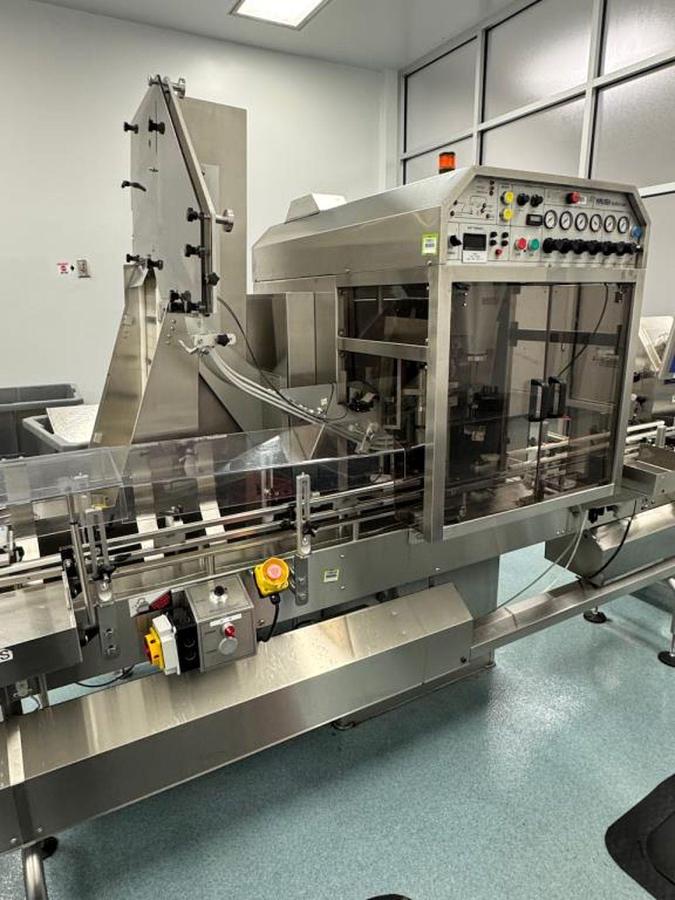
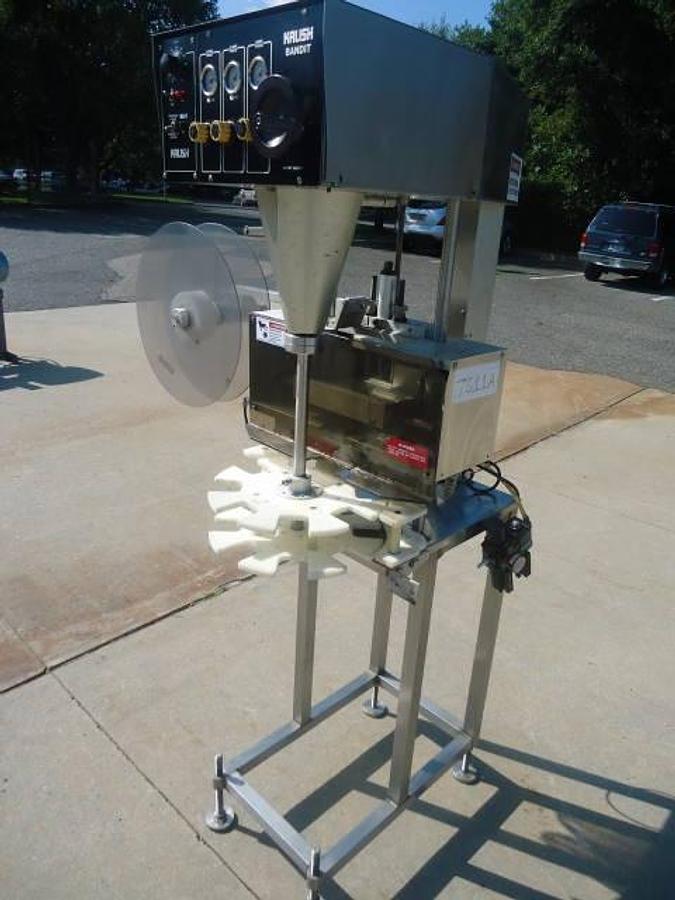
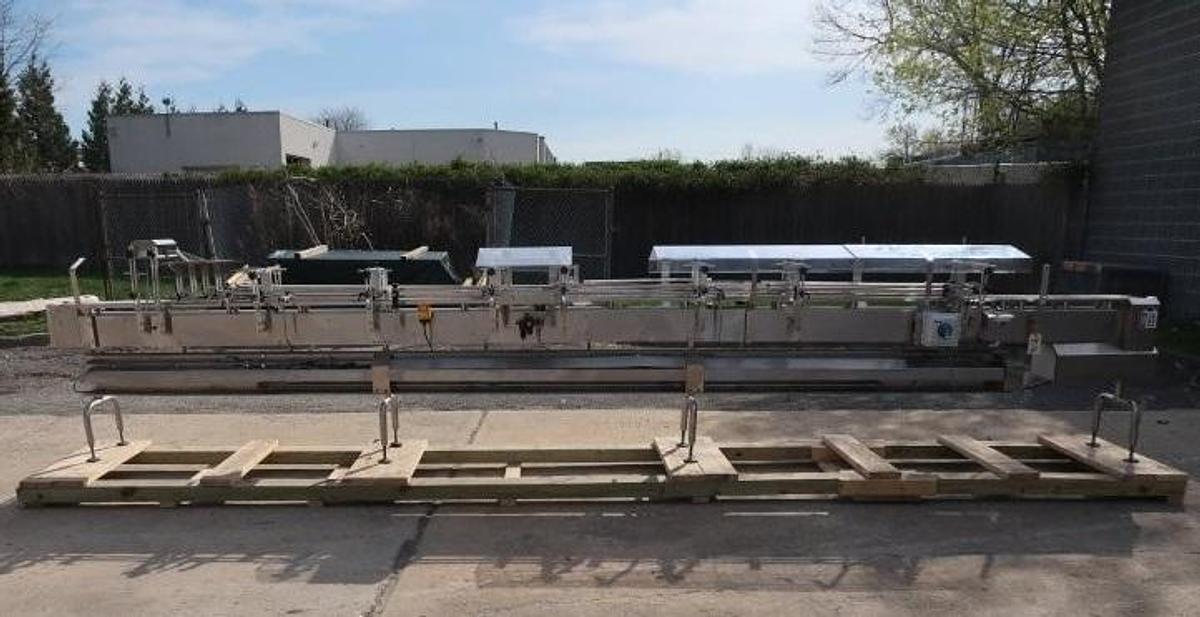
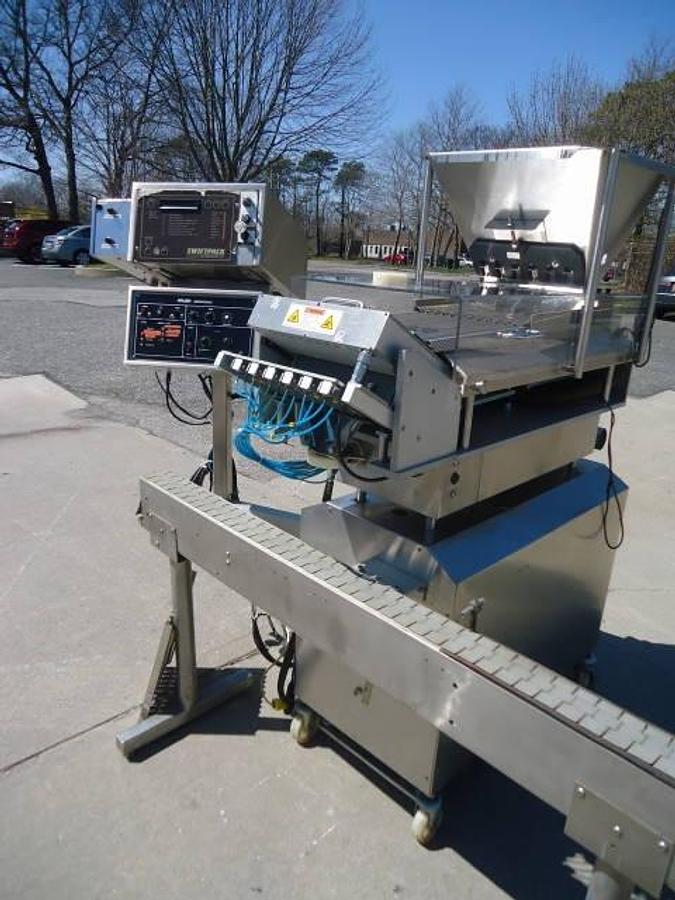
Kalish has built its reputation around a focused range of pharmaceutical and nutraceutical packaging machinery. Their product lineup includes tablet and capsule counters (most notably the Swiftpack SPC-12P and SPC-12-2 channel counter series), automatic cotton inserters (the Kotnr and Kotnr-120 models), automatic capping machines (such as the Euro-Cap), piston fillers (including twin-head configurations like the PCL/2), bottle unscramblers and accumulating tables, banders (the "Bandit" series capable of up to 90 cycles per minute), bench-top pump-style fillers, and stainless steel bottle conveyors.
The common thread across all of these product lines is precision handling of solid-dose and liquid pharmaceutical products. The Swiftpack counters, for example, are designed to count tablets and capsules across multiple lanes simultaneously, which significantly increases throughput without sacrificing count accuracy. The cotton inserters automate a step that was historically done by hand in supplement and OTC drug bottling operations. Taken together, Kalish equipment covers most of the major stations in a complete bottling line, from unscrambling and filling through capping and banding, which is a big reason why the brand remains in demand on the used equipment market.
What industries is Kalish packaging equipment best suited for?
Kalish equipment was engineered with pharmaceutical and nutraceutical production in mind. The precision counting technology in the Swiftpack series, the cotton inserting machines, and the capping and filling equipment all reflect the tight tolerances and cleanliness standards required in drug and dietary supplement manufacturing. Companies producing vitamins, herbal supplements, OTC medications, and similar solid-dose or liquid products are the most natural fit for this machinery.
That said, the underlying mechanics of bottle unscramblers, conveyors, fillers, and banders translate reasonably well to adjacent industries such as cosmetics, personal care products, and certain food applications, particularly where glass or plastic bottles are the primary container format. Buyers outside the pharmaceutical space should evaluate whether a specific Kalish machine meets their industry's regulatory and sanitation requirements before purchasing. For pharmaceutical buyers specifically, it is worth noting that Kalish equipment has historically been designed with FDA-compliant production in mind, which can simplify the validation process when integrating used machines into a regulated facility.
What should I know about buying used Kalish packaging equipment versus purchasing from a manufacturer?
Buying used Kalish equipment offers a significant cost advantage over sourcing equivalent machinery through other channels, but it comes with a different set of responsibilities for the buyer. Used machines are sold as-is, meaning the buyer takes on the task of evaluating the machine's condition rather than relying on a manufacturer's quality assurance process. This makes the inspection phase critically important. Reputable used equipment dealers will typically accommodate in-person inspections, video walkthroughs, or photo documentation so buyers can assess wear, cleanliness, and overall mechanical condition before committing to a purchase.
Buyers should also request any available maintenance logs, records of hours in operation, and FDA validation documentation if the machine was previously used in a regulated pharmaceutical environment. This paperwork can save considerable time and expense during the re-validation process. It is also worth contacting Kalish or their current parent organization directly to understand what level of technical support, spare parts availability, and documentation is still accessible for the specific model and age of machine being considered, since older models may have more limited manufacturer support than recent production runs.
How do I inspect a used Kalish machine before buying it?
Inspections of used packaging equipment generally fall into three categories: in-person visits, live video calls with a dealer representative walking through the machine, and pre-recorded video or photo packages. Each approach has trade-offs. An in-person inspection gives the buyer the most complete picture, including the ability to check for rust, worn seals, damaged belts, and general cleanliness of product-contact surfaces. Some machines being offered for sale may still be installed and running in an active production facility, in which case the dealer can often arrange a visit where the buyer observes the machine in operation.
One important limitation to understand is that most used equipment dealers are not set up to run actual production trials with product, since that would require manufacturing permits they typically do not hold. So even in the best-case scenario, a buyer may be able to see a machine cycle through its motions without product, but not see a full production run. This is standard practice across the used packaging equipment industry. To compensate, buyers should ask detailed questions about the machine's last use, request any available service records, and if possible, consult with a third-party equipment technician who specializes in pharmaceutical packaging machinery to accompany them during the inspection.
What is the Kalish Swiftpack, and why is it commonly found on the used equipment market?
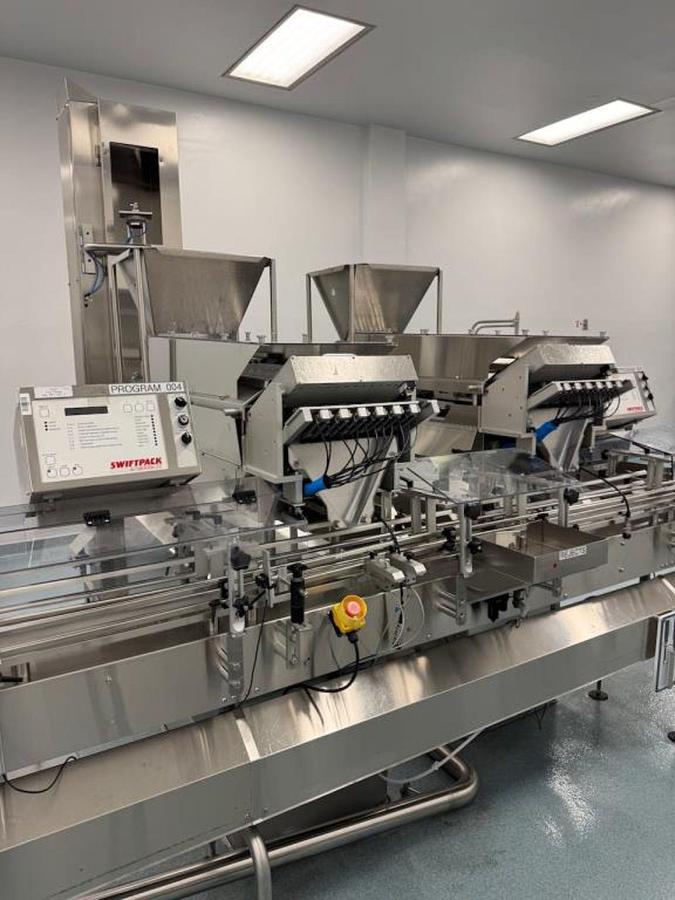
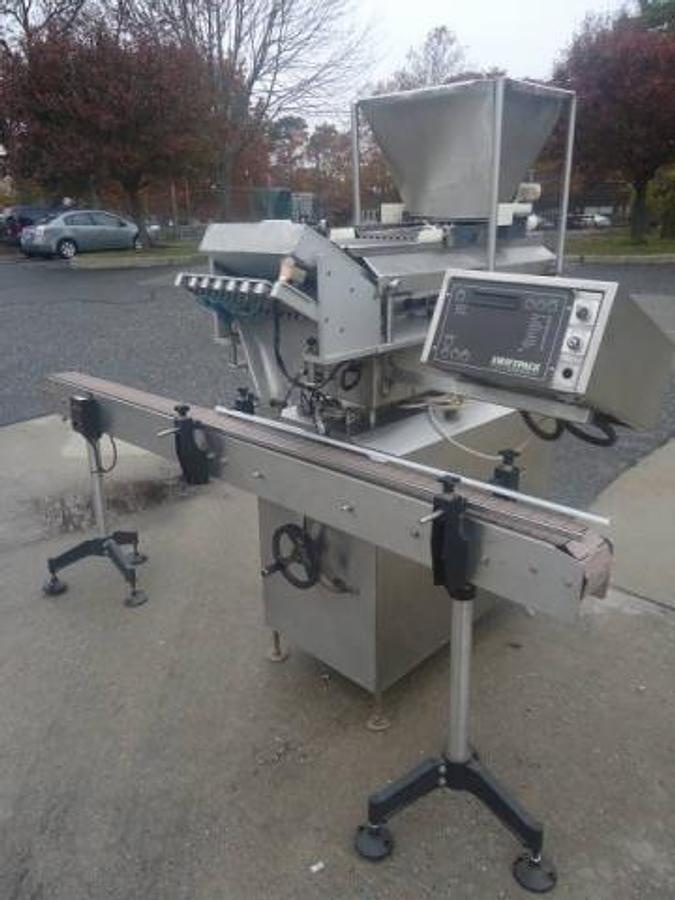
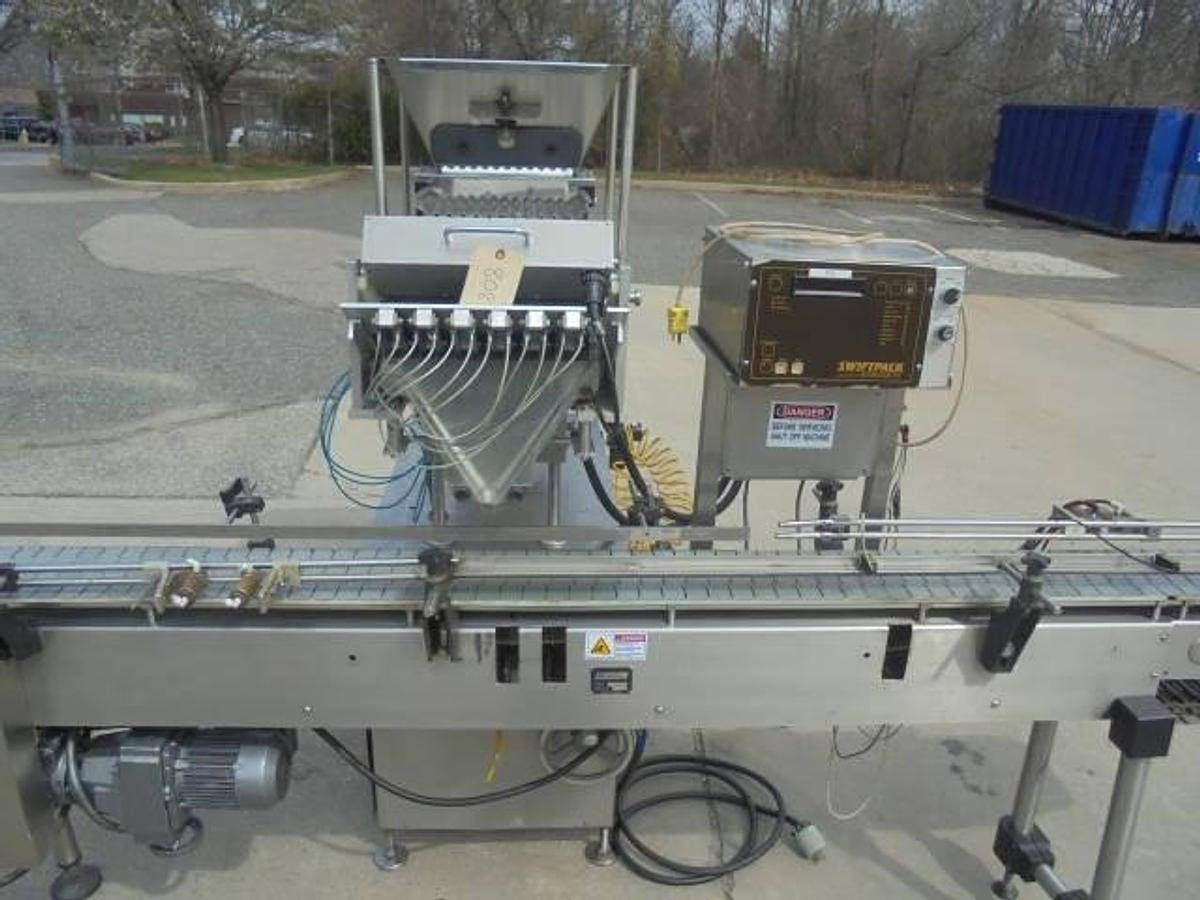
The Swiftpack is Kalish's line of automatic tablet and capsule counting machines, and the SPC-12P and SPC-12-2 are among the most recognized models in that series. These machines use a multi-lane channel counting system to count solid-dose products at high speeds with a high degree of accuracy, making them a staple in pharmaceutical and supplement bottling operations. The 12-lane configuration allows for simultaneous counting across multiple product streams, which improves throughput compared to single-lane alternatives.
Swiftpack machines appear frequently on the used equipment market for a few reasons. Pharmaceutical and supplement companies regularly upgrade their lines as production volumes grow or as regulatory requirements evolve, which puts functional, well-maintained machines back into circulation. Additionally, contract manufacturers sometimes consolidate equipment after losing a client account or shifting product focus. Because the Swiftpack has been in production for many years and was widely adopted across the industry, there is a relatively healthy supply of used units available at any given time, along with a reasonably active community of technicians familiar with maintaining and repairing them.
What is a Kalish cotton inserter, and what role does it play in a packaging line?
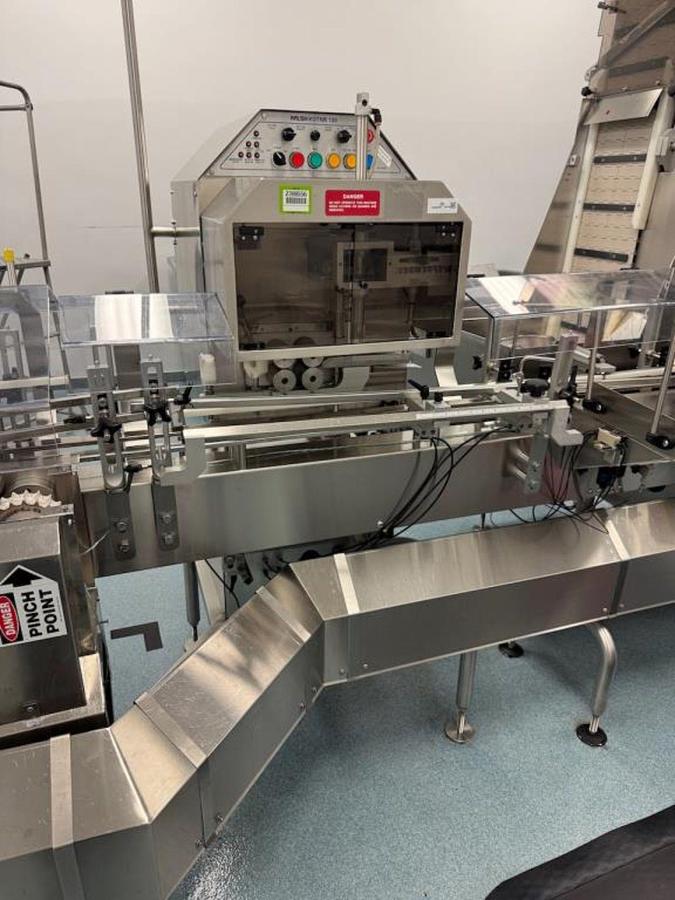
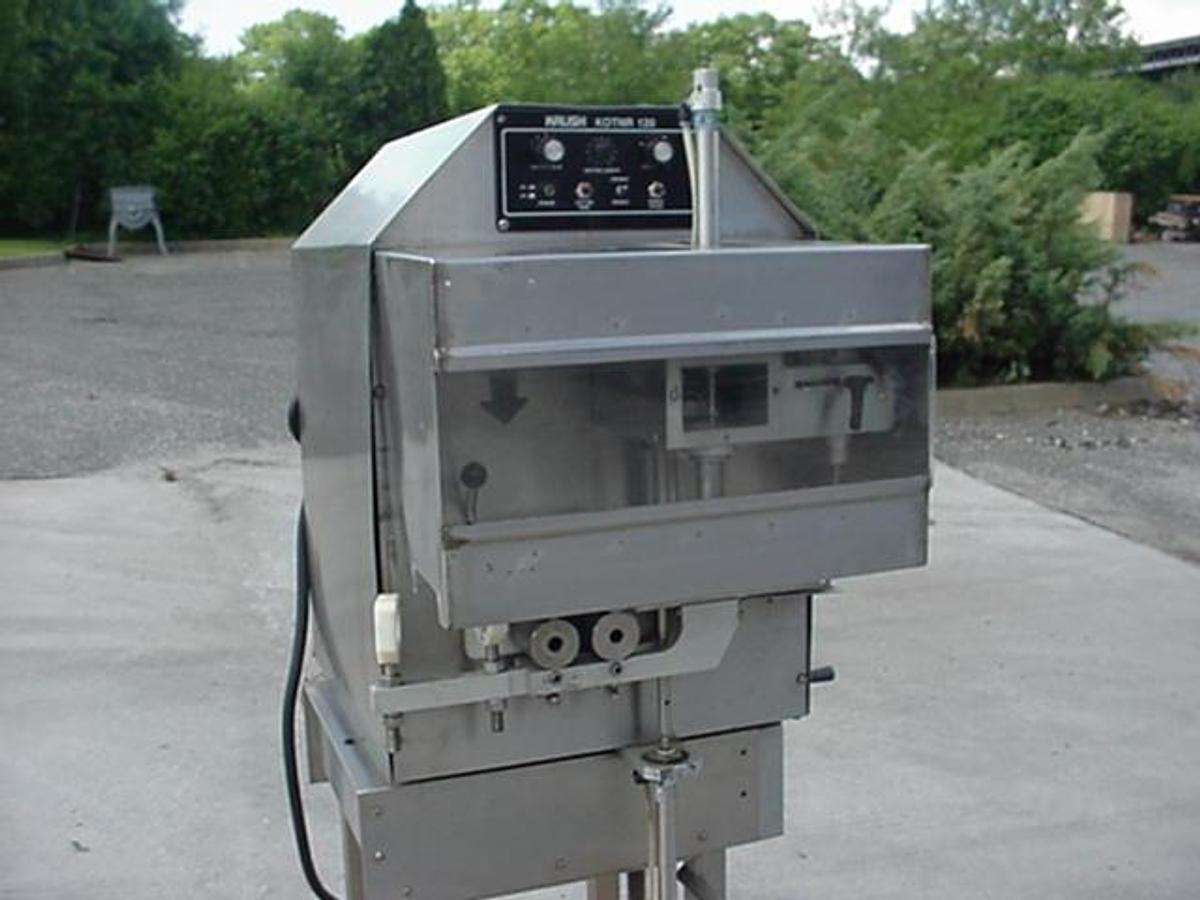
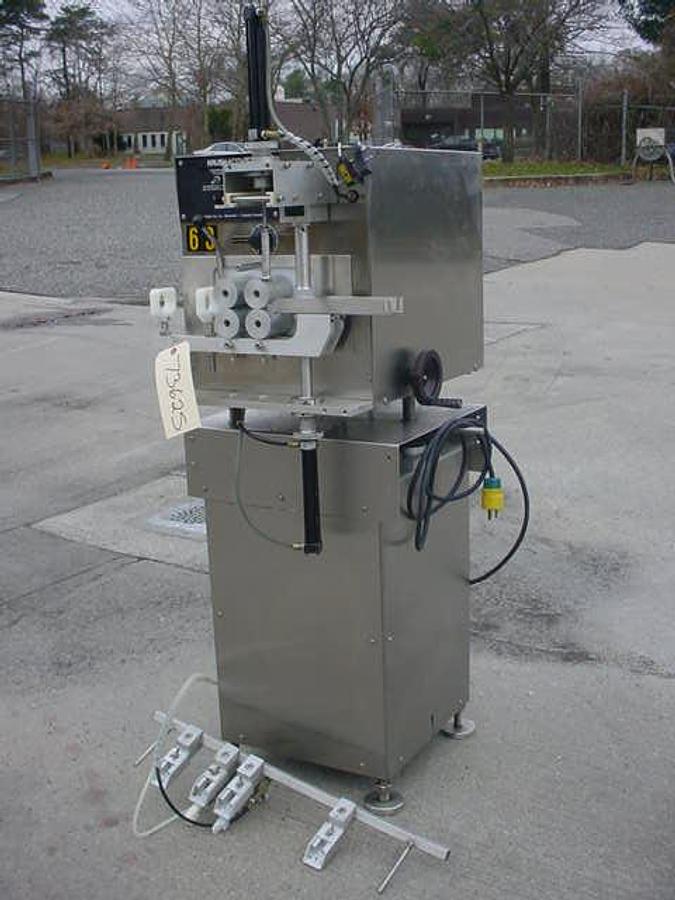
A cotton inserter, such as the Kalish Kotnr or Kotnr-120, automates the process of placing a small plug of cotton or rayon into a bottle before it is capped. This step is common in pharmaceutical and supplement packaging because the cotton helps cushion tablets or capsules during shipping, reduces movement inside the bottle, and can absorb any residual moisture. Doing this by hand is slow and introduces variability, so automated cotton inserters are a standard piece of equipment in higher-volume bottling operations.
The Kotnr-120 designation refers to the machine's throughput capacity, which is designed to handle up to 120 bottles per minute depending on bottle size and configuration. These machines are typically integrated inline with a filling and capping system so that each bottle receives its cotton insert at the appropriate point in the sequence. On the used market, cotton inserters in good condition are sought after because they address a very specific bottleneck in supplement and OTC drug packaging lines, and the Kalish models have a reputation for reliable performance in production environments.
Are replacement parts and technical support still available for older Kalish machines?
Parts and support availability for older Kalish equipment varies depending on the model, its age, and how the brand's ownership and manufacturing history has evolved over time. As a general rule, buyers of used packaging equipment should contact the manufacturer or their current authorized service network directly before purchasing a machine to get a clear picture of what is still available. Some components, particularly those that are mechanically simple or made to common industrial standards, can be sourced from third-party suppliers even if the manufacturer no longer stocks them. Other components that are proprietary to a specific model may be harder to find.
For machines that have been out of production for many years, buyers sometimes work with independent packaging equipment technicians who specialize in reverse-engineering or fabricating replacement parts. It is also worth asking the selling dealer whether any spare parts are included with the machine, since sellers sometimes have accumulated spare components during the machine's working life. The practical takeaway is that parts availability should be treated as a due-diligence item, not an assumption, and the answer will differ from one Kalish model to the next.
How does a Kalish bottle unscrambler work, and when does a production line need one?
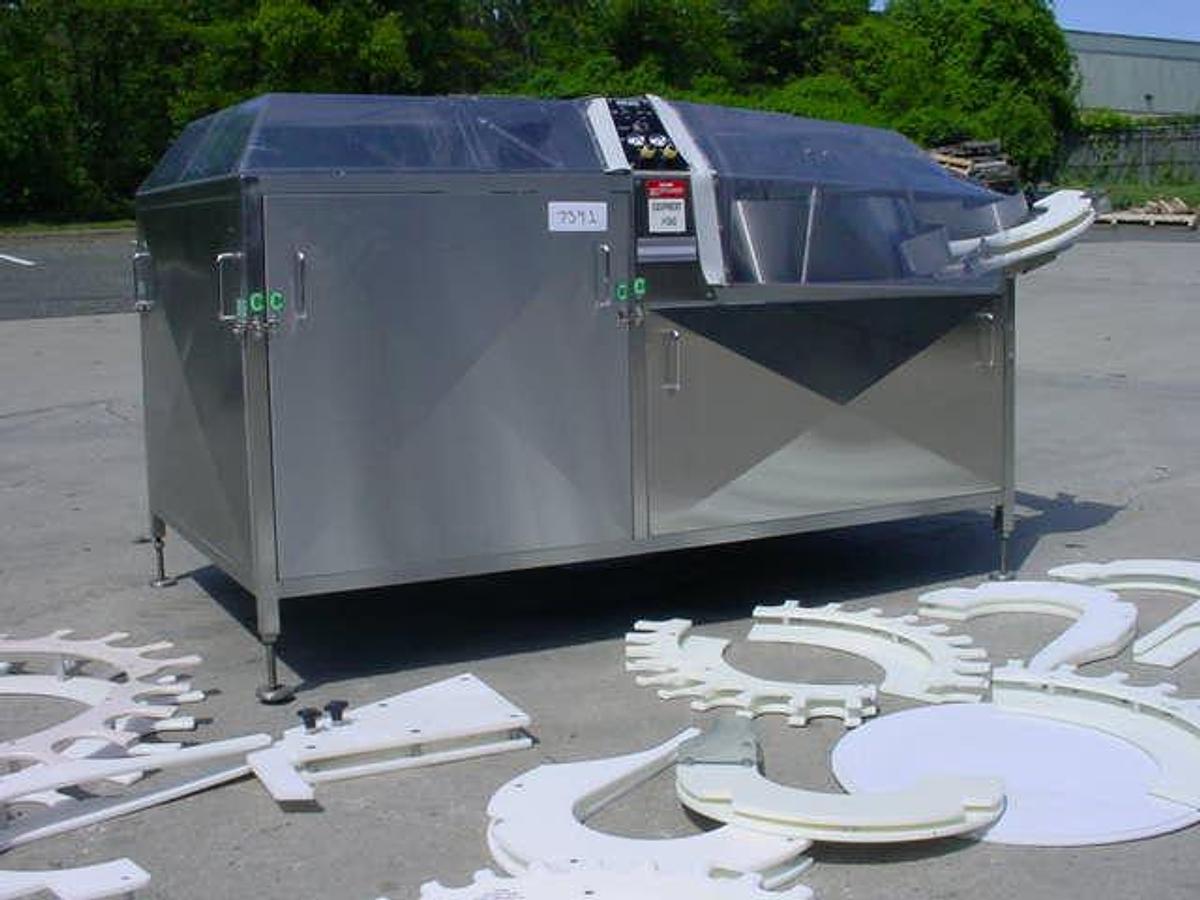
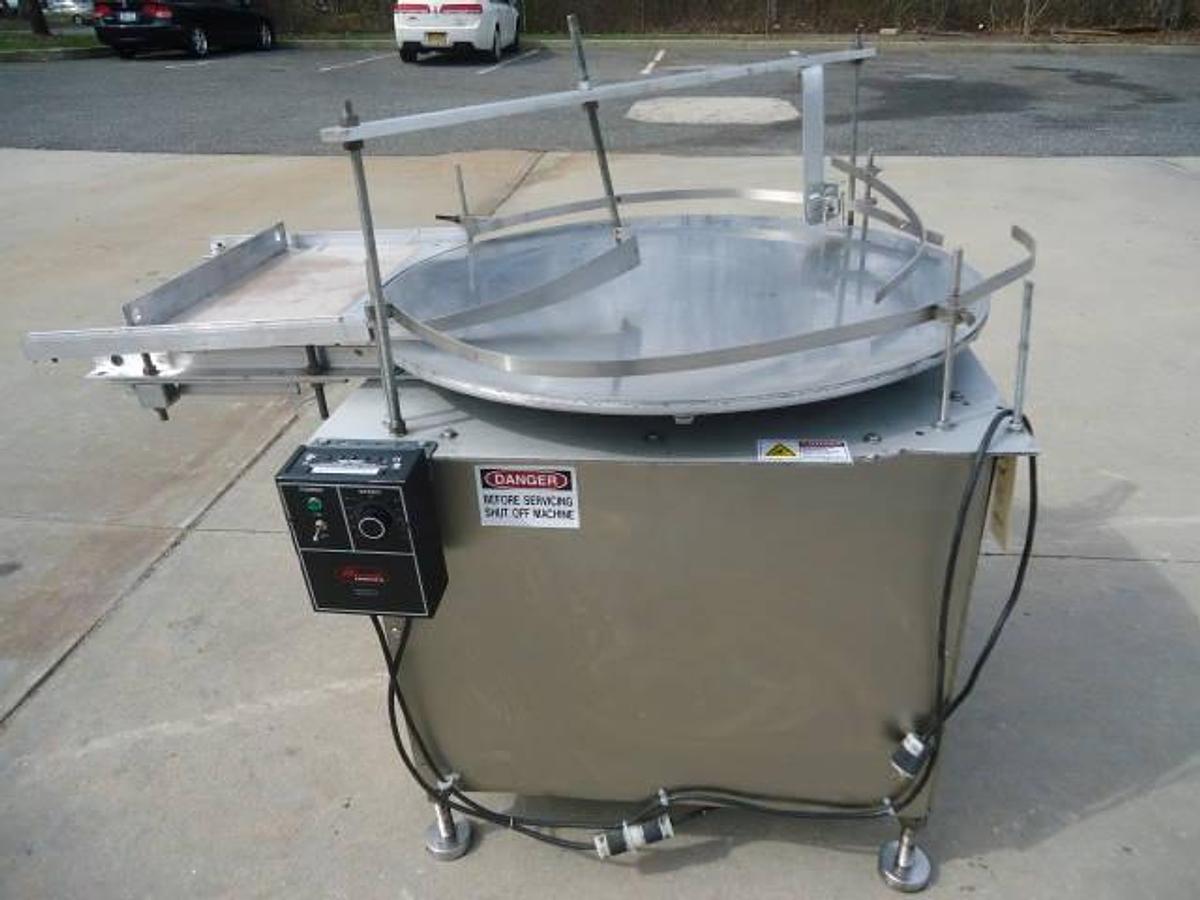
A bottle unscrambler takes randomly oriented bottles from a bulk hopper and sorts, orients, and delivers them upright and in single file to the next station on the filling line. The Kalish Kalisort 100, for example, is rated at 100 bottles per minute and uses a rotating disc or similar mechanical system to orient plastic bottles regardless of how they enter the machine. Without an unscrambler, operators would need to hand-feed bottles onto the line, which creates a labor bottleneck and introduces inconsistency at higher speeds.
A production line typically needs an unscrambler once throughput targets exceed what manual feeding can sustain, or when labor costs make automation economically attractive. They are particularly common in pharmaceutical and supplement bottling because those operations often run the same bottle format for extended periods, making it practical to configure the unscrambler for a specific bottle geometry. The Kalish rotary accumulating table serves a related but slightly different function: it acts as a buffer, allowing bottles to accumulate and be fed into the line at a controlled rate, which helps smooth out minor speed mismatches between upstream and downstream equipment.
What should buyers expect regarding shipping and logistics when purchasing used Kalish packaging equipment?
Shipping costs for used packaging machinery depend on the size and weight of the equipment, the origin and destination, and the level of packaging or crating required to protect the machine in transit. Smaller Kalish machines, such as a bench-top filler or a single-head capper, can often be palletized and shipped via standard freight carriers at relatively modest cost. Larger equipment, like a full-size unscrambler, a multi-lane Swiftpack counter with conveyor, or a rotary accumulating table, will typically require professional rigging for loading and unloading, which adds to the total landed cost.
Buyers should ask the selling dealer for a detailed breakdown of all shipping-related costs before finalizing a purchase. This should include crating or skidding fees, rigging charges at origin, freight costs, and any rigging or lift-gate fees at the destination. Getting this information upfront prevents surprises and allows for an accurate comparison of total acquisition cost across multiple machines or sellers. Some dealers have established relationships with freight and rigging companies that handle packaging equipment regularly, which can simplify the logistics coordination for the buyer.
What payment terms are typical when buying used Kalish packaging equipment?
Most used packaging equipment dealers require full payment before a machine is released for shipment. This is standard practice in the industry and reflects the nature of used equipment transactions, where the seller needs to confirm cleared funds before arranging logistics. Buyers who are working with a dealer for the first time should expect to pay in full upfront, typically by wire transfer, though some dealers accept other payment methods depending on transaction size.
Repeat customers with an established relationship with a particular dealer may occasionally be offered extended terms, but this is the exception rather than the rule and is generally negotiated on a case-by-case basis. Buyers who are unfamiliar with a dealer should take the time to research the seller's track record and reputation in the industry before sending payment. A dealer with a long history of selling pharmaceutical and packaging equipment, verifiable references, and a professional inspection process is a meaningfully lower risk than one without those credentials. Taking that extra step at the front end of the process is the most practical protection available to a buyer in an as-is transaction.