Category
Manufacturer
Model
Kaida Group Usa
Kaida Group Usa is a manufacturer of industrial machinery, focusing on providing solutions for the automotive and aerospace sectors. They are known for their high-quality machining and assembly equipment.
FAQ:
What types of industrial machinery does Kaida Group USA manufacture?
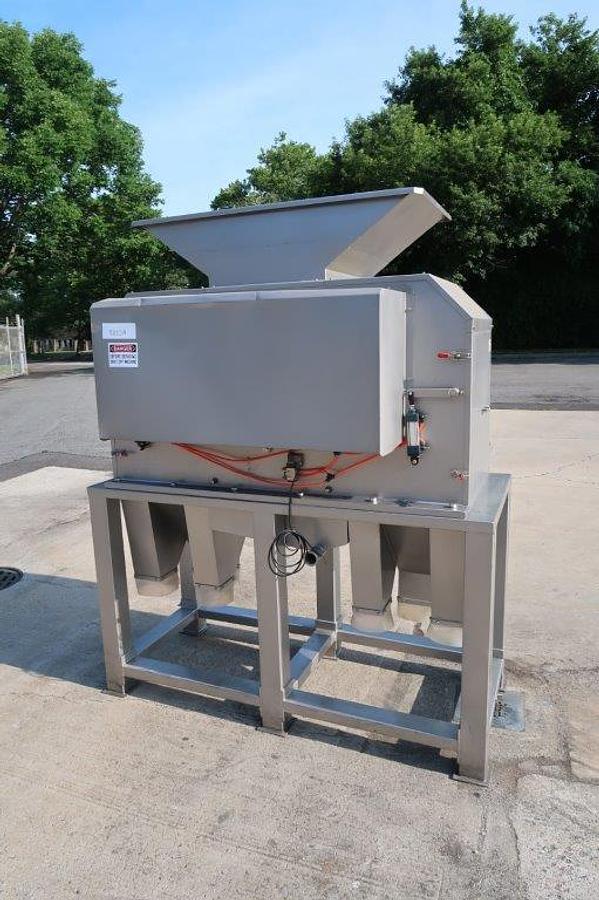
Kaida Group USA produces industrial machinery with a focus on machining and assembly equipment, primarily serving the automotive and aerospace sectors. Their catalog has included equipment such as adjustable peelers and juicers rated at high-capacity throughput (for example, 5,000 kg/hr units), along with precision machining solutions designed for demanding production environments. The range reflects a manufacturer with experience across both heavy-duty fabrication and food or agricultural processing equipment, which gives buyers in multiple industries reason to explore their listings.
Because the machines available through used equipment dealers are pre-owned, the specific inventory on hand at any given time will vary. Buyers searching for Kaida Group USA equipment should check current listings regularly, as stock turns over based on what industrial facilities are decommissioning or upgrading. Reaching out directly to a dealer specializing in Kaida machinery is the most reliable way to find out what models are currently available and in what condition.
What industries are Kaida Group USA machines suitable for?
Kaida Group USA has built equipment for the automotive and aerospace industries, two sectors that demand tight tolerances, consistent repeatability, and durable construction. Machining and assembly equipment from this manufacturer is well-suited to production lines where precision is non-negotiable, whether that involves component fabrication, sub-assembly operations, or quality-controlled finishing processes. Their equipment has also appeared in food processing applications, as evidenced by high-capacity peeler and juicer machinery rated for industrial-scale throughput.
For buyers outside these core industries, the key question is whether a specific Kaida machine's specifications align with the production requirements at hand. Used industrial machinery often finds second and third lives in industries adjacent to its original application. A machining center built for aerospace tolerances, for instance, may serve precision metal fabrication shops, defense contractors, or general manufacturing facilities equally well. Reviewing the technical specifications of each unit and, where possible, consulting with the manufacturer about compatibility with your production needs is always a sound approach before committing to a purchase.
What should buyers know about purchasing used industrial machinery versus buying from a manufacturer?
Buying used industrial machinery differs from purchasing directly through a manufacturer in several meaningful ways. The most obvious difference is price: used equipment typically sells at a significant discount to the cost of a comparable machine purchased through standard manufacturing channels, which makes it attractive for businesses looking to expand capacity without large capital expenditure. However, that price advantage comes with tradeoffs. Used machines are sold as-is, meaning the buyer assumes responsibility for verifying the machine's condition, operational history, and suitability for their application. There are no manufacturer warranties attached to used equipment transactions, so due diligence during the buying process carries much more weight.
Reputable used equipment dealers mitigate a lot of this risk by offering inspection opportunities, accurate condition descriptions, and transparent histories on the machines they carry. Buyers should prioritize dealers with a long track record in the specific type of machinery they need, since specialized knowledge makes a real difference in how accurately a machine's condition is assessed and represented. Before finalizing any purchase, it's worth contacting the original manufacturer directly to understand what level of technical support, service documentation, and parts availability exists for the specific model and age of machine you're considering. Older models or discontinued lines may have limited support, which affects long-term operating costs.
How do you inspect a used industrial machine before buying it?
Inspection is one of the most important steps in buying used industrial machinery, and reputable dealers typically accommodate it in several formats. In-person inspections are the gold standard: a buyer or their designated technician visits the machine's current location, examines it physically, reviews any available maintenance records, and if the machine is still in active production at a facility, may be able to observe it running under real operating conditions. When travel isn't practical, many dealers offer virtual inspections via live video call or provide detailed video walkthroughs that cover the machine's condition, visible wear, control systems, and any known issues.
It's worth understanding that even during a live demonstration, most used equipment dealers are not set up to run full production tests, since operating a machine at production capacity requires permits, raw materials, and facility infrastructure that a dealer's warehouse typically doesn't have. The goal of an inspection is to get an accurate picture of the machine's current mechanical and electrical condition, not a full production run. Buyers should come prepared with specific questions about cycle counts, maintenance history, any repairs that have been made, and the reason the machine is being sold. Bringing in an independent machinery appraiser or a technician familiar with the specific brand and model adds another layer of protection, particularly for high-value purchases.
Are replacement parts and technical support available for Kaida Group USA equipment?
Parts and technical support availability for any used industrial machine depends heavily on the model, its age, and whether the manufacturer is still actively supporting that product line. For Kaida Group USA machinery, buyers should contact the manufacturer directly to ask about parts availability, service manuals, and whether their technical support team covers the specific model being considered. Manufacturers vary widely in how long they support older equipment, and some models may have robust parts ecosystems while others have limited or discontinued support.
When manufacturer support is limited, buyers often turn to third-party machinery repair specialists, aftermarket parts suppliers, or machine shops capable of fabricating worn components. This is a common reality in the used equipment market and doesn't necessarily make a machine a poor investment, but it does affect total cost of ownership calculations. Before purchasing, it's a good practice to identify at least one or two service providers familiar with the machine type, and to ask the selling dealer whether they have any service contacts or documentation they can pass along with the equipment. Having access to the original technical manuals, electrical schematics, and maintenance records significantly reduces the difficulty of supporting the machine long-term.
What does the shipping and logistics process look like for used industrial machinery?
Shipping used industrial machinery is considerably more involved than standard freight. Most machines require specialized packaging, which can range from basic palletization to full custom crating depending on the machine's size, fragility, and the distance it needs to travel. The cost of packaging is typically separate from the freight charge itself, and buyers should ask dealers to break down the full landed cost, including palletization or crating, rigging for loading and unloading, freight, and any destination charges. Larger or heavier machines often require flatbed trucking, oversized load permits, or crane services at both the origin and destination, all of which add to the total.
Rigging deserves particular attention. Loading a multi-ton machine onto a truck and unloading it at the buyer's facility requires equipment and expertise that most buyers don't have on-site. Dealers can usually recommend or coordinate rigging services, but buyers should confirm this in advance and budget accordingly. For international shipments, additional considerations include customs documentation, import duties, and compliance with the destination country's safety and regulatory standards. Getting a clear, itemized shipping quote before finalizing a purchase prevents surprises and allows for accurate comparison of total acquisition costs across multiple machines or dealers.
What payment terms are typical when buying used industrial machinery?
The standard practice in the used industrial machinery market is full payment prior to shipment. This applies to most transactions regardless of machine size or price point, and it reflects the nature of the market: dealers are typically holding physical inventory that requires storage and carrying costs, and releasing a machine before payment is secured creates significant financial exposure. Buyers who are new to a particular dealer should expect to pay in full upfront, usually via wire transfer, though some dealers accept other payment methods depending on the transaction size.
Repeat customers with an established relationship with a dealer may occasionally be offered extended terms or partial payment arrangements, but this is not the norm and should not be assumed. For buyers who need financing, some dealers work with third-party equipment financing companies that can structure loans or lease arrangements for qualifying buyers. It's worth asking about financing options early in the conversation, since arranging financing takes time and can affect the timeline of a transaction. Regardless of payment structure, buyers should ensure they receive proper documentation of the sale, including a bill of sale that clearly describes the machine, its condition, and the terms of the transaction.
How do you evaluate the condition of a used industrial machine?
Evaluating used industrial machinery condition goes beyond a visual check. A thorough assessment looks at mechanical wear on key components (spindles, bearings, ways, gearboxes), the state of the electrical and control systems, hydraulic or pneumatic system integrity, and the overall structural condition of the machine's frame and guarding. Maintenance records, when available, tell a meaningful story about how the machine was operated and serviced over its life. A machine with documented regular maintenance from a single owner is generally a more predictable purchase than one with an unclear history.
Condition grading in the used machinery market is not standardized across the industry, so the same term like 'good condition' or 'fully operational' can mean different things from different dealers. This is another reason why inspection matters so much. Buyers with limited technical background in a specific machine type are well-served by bringing in an independent technician or appraiser who knows the equipment. They can identify worn tooling, check calibration, assess control system age and compatibility, and flag any repairs that will be needed immediately after acquisition. Factoring those repair costs into the purchase price negotiation is a standard part of buying used equipment responsibly.
What safety and regulatory standards should buyers consider when purchasing used industrial machinery?
Industrial machinery operating in US facilities must comply with applicable safety standards regardless of whether it was purchased used or through other channels. OSHA regulations govern machine guarding, lockout/tagout procedures, and operator safety requirements, and these apply to the buyer's facility once the machine is installed and in use. Depending on the industry and application, machines may also need to meet ANSI standards, UL listings for electrical components, or CE marking requirements if the equipment was originally built for the European market and is being evaluated for US use. Buyers should verify which standards apply to their specific application before purchasing.
Used machines may have been modified, had guarding removed, or may predate certain safety requirements that are now mandatory. This means the buyer often needs to assess whether upgrades or retrofits are necessary to bring the machine into compliance before it can legally operate in their facility. This is not unusual in the used equipment market, but it's a cost that needs to be factored in. Consulting with a safety engineer or the machine manufacturer about compliance requirements for a specific model is a smart step, particularly for machinery that will be operated in regulated environments like aerospace, automotive, or food processing facilities.
How do you choose a reputable used industrial machinery dealer?
The dealer's track record is the single most important factor to evaluate. A dealer with years or decades of experience selling machinery in a specific category has accumulated the technical knowledge, supplier relationships, and industry reputation that protect buyers from common pitfalls. Look for dealers who specialize in the type of equipment you need rather than generalists who carry everything, since specialization usually means better condition assessment, more accurate descriptions, and more useful guidance during the buying process. References from past customers, reviews, and any industry affiliations or memberships are all worth researching.
Transparency is another reliable signal of a reputable dealer. A good dealer will be upfront about a machine's condition, known issues, and any limitations on their ability to verify its history. They will accommodate inspection requests, provide clear documentation, and give honest answers about parts availability and manufacturer support for the models they sell. Dealers who are evasive about condition details, unwilling to allow inspections, or vague about the machine's history are a red flag. The used equipment market rewards buyers who take their time, ask detailed questions, and work with dealers who treat those questions as a normal and welcome part of doing business.