Category
Manufacturer
Model
Kaida
Kaida produces equipment for the metalworking industry, specializing in CNC machining and fabrication. Their machines are recognized for their precision and efficiency in metal processing applications.
FAQ:
What types of metalworking equipment does Kaida manufacture?
Kaida is a manufacturer that specializes in CNC machining and fabrication equipment for the metalworking industry. Their machines are designed for precision metal processing applications, covering a range of production needs from cutting and shaping to forming and finishing. The brand is recognized in industrial circles for building equipment that balances accuracy with operational efficiency, making their machines a practical choice for shops handling moderate to high-volume metal work.
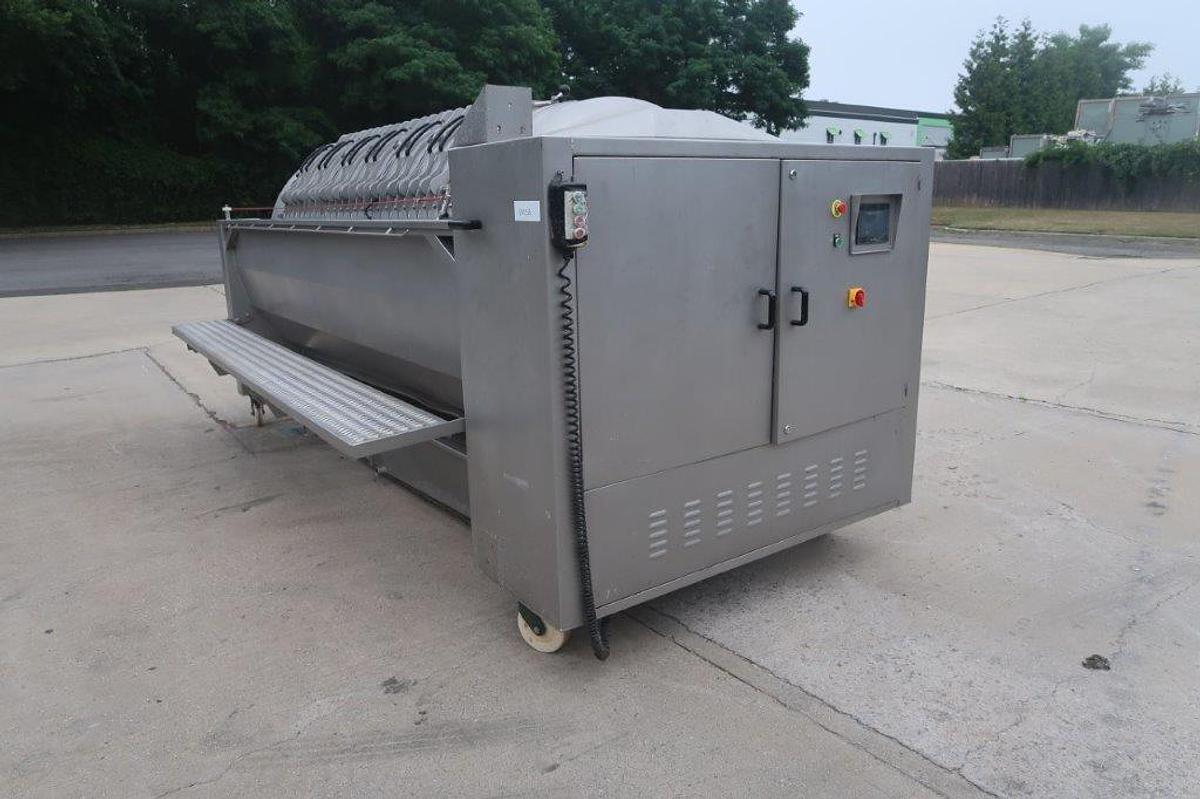
Beyond standard CNC machining centers, Kaida has also produced specialty equipment for adjacent industries. One example is the Willmes/Kaida USA stainless fruit press machine, which reflects the manufacturer's broader fabrication capabilities in stainless steel processing equipment. Buyers looking at used Kaida machines should pay close attention to the specific model and its intended application, since the product line spans several distinct categories of industrial equipment.
What should I look for when buying used Kaida metalworking equipment?
Purchasing used Kaida metalworking equipment requires a methodical inspection process. At minimum, buyers should request detailed photos of the machine's critical components, including the spindle, ways, tooling interfaces, and control panel. Ideally, a video walkthrough showing the machine powered on and cycling through basic functions gives a much clearer picture of its actual condition than static images alone. If geography allows, an in-person inspection at the dealer's facility is always the most reliable option.
Beyond the physical condition of the machine, buyers should research the specific model's age and production history to understand what level of parts and technical support is still available from the manufacturer. Older models may have limited parts availability, which affects long-term operating costs significantly. Selecting a used equipment dealer who specializes in metalworking machinery, rather than a generalist reseller, reduces the risk of misrepresentation and typically means the dealer can answer more detailed technical questions about the equipment's prior use and current condition.
How are used Kaida machines typically inspected before purchase?
Used metalworking equipment dealers generally offer three forms of inspection: in-person visits to the dealer's warehouse, live video calls where a technician walks the buyer through the machine in real time, and pre-recorded video documentation of the equipment's condition and operation. Each method has its place depending on the buyer's location and the complexity of the machine. For higher-value CNC equipment, a live video inspection is strongly preferred over static photos because it allows the buyer to ask specific questions and direct attention to particular components.
Some machines available through used equipment dealers are still installed and operating at the facility where they were originally used. In those cases, the dealer can often arrange an inspection at the production site, where the machine may still be running active jobs. This is particularly valuable because it allows the buyer to see the equipment under real load conditions. Keep in mind that most used equipment dealers are not set up to run production test cuts themselves, since that requires different facility permitting and tooling setups. The inspection is focused on verifying mechanical condition and operational readiness, not on producing finished parts.
What is the typical price range for used Kaida metalworking machines?
Pricing for used Kaida metalworking equipment varies considerably depending on the machine type, age, condition, and included tooling or accessories. Smaller CNC machining units and specialty fabrication equipment from Kaida can fall anywhere from a few thousand dollars for older or higher-hour machines to well above $20,000 for larger, more capable systems in good working condition. The specific model matters a great deal, since some Kaida machines were built for high-precision applications and retain more residual value than general-purpose units.
Buyers should also factor in the total landed cost of the machine, not just the listed purchase price. Shipping, rigging, crating, and any freight forwarding fees can add a meaningful amount to the final figure, particularly for heavier equipment that requires specialized loading and unloading. Asking the dealer for a detailed breakdown of all costs before committing to a purchase is the best way to avoid surprises and accurately compare options across multiple machines or sellers.
Are replacement parts available for used Kaida metalworking equipment?
Parts availability for Kaida machines depends heavily on the specific model and how long ago it was manufactured. For relatively recent models, contacting the manufacturer directly or working through a North American distributor like Willmes/Kaida USA is often the most direct path to sourcing components. Manufacturers can typically advise on which parts are still in production and what the expected lead times are, which is useful information to gather before committing to a used machine purchase.
For older Kaida models, buyers should approach parts availability more carefully. It is worth researching whether the machine uses any standardized components, such as common servo drives, spindle bearings, or control systems from well-known suppliers, since those parts can often be sourced independently even if Kaida-specific components are no longer available. Third-party machine rebuild specialists and CNC repair shops are another resource for sourcing compatible parts or refurbishing worn components. Understanding the parts landscape before buying is one of the most important steps in evaluating the true long-term cost of any used metalworking machine.
How does shipping and freight work when buying used Kaida metalworking equipment?
Shipping used metalworking equipment is more involved than standard freight because of the weight, dimensions, and sensitivity of the machines. Dealers typically handle the packaging and palletization or crating of equipment before it leaves their facility, and the level of protection required directly affects shipping costs. Lighter bench-top machines may ship on a standard pallet with shrink wrap, while larger CNC machining centers often require custom wooden crates and internal blocking to prevent movement and vibration damage during transit.
For heavy equipment, professional rigging is usually required at both the origin and destination. Loading a multi-ton machine onto a flatbed or into a freight container requires forklifts or overhead cranes, and unloading at the buyer's facility needs to be planned in advance. Buyers who do not have a loading dock or heavy lift equipment on site should arrange for a rigging crew before the shipment arrives. Total freight costs, including rigging, crating, and carrier charges, should always be confirmed with the dealer upfront so the full landed cost of the machine is clear before purchase.
What payment terms should buyers expect when purchasing used metalworking equipment?
Used equipment dealers almost universally require full payment before a machine is released for shipping. This is standard practice in the industry and reflects the nature of used machinery transactions, where the seller needs confirmation of cleared funds before investing in the labor and cost of preparing equipment for shipment. Wire transfer is the most common payment method for larger purchases, though some dealers also accept other forms of verified payment depending on the transaction size.
Buyers who have an established relationship with a dealer may occasionally be offered extended terms, but this is the exception rather than the rule and is generally reserved for repeat customers with a documented purchase history. For first-time buyers, the expectation should be payment in full prior to shipment. It is worth discussing payment logistics with the dealer early in the process, particularly for international transactions where currency conversion and banking timelines can add a few business days to the process.
Does used Kaida metalworking equipment come with a warranty?
Used metalworking equipment is typically sold on an as-is basis, which means no warranty coverage is provided by the dealer. This is standard practice across the used machinery industry and puts the responsibility for evaluating the machine's condition squarely on the buyer before the sale is finalized. Warranties are generally only offered by manufacturers on machines sold through their authorized channels, and that coverage does not transfer when a machine changes hands on the secondary market.
Because there is no warranty safety net, the quality of the inspection process before purchase becomes critical. Buyers should take full advantage of whatever inspection options the dealer offers, ask detailed questions about the machine's operating history and any known issues, and where possible, consult with a qualified technician who knows the specific machine type. Choosing a dealer with a long track record in the metalworking equipment sector also reduces risk, since reputable dealers have a reputation to protect and are more likely to represent a machine's condition accurately.
What is Kaida's background as a metalworking equipment manufacturer?
Kaida is a manufacturer focused on the metalworking industry, with a product line centered on CNC machining and fabrication equipment. The brand has built a reputation for producing machines that deliver precision and efficiency in metal processing environments, and their equipment has been adopted by manufacturing operations across a range of industries. In the North American market, Kaida has been represented through entities such as Willmes/Kaida USA Inc., which has handled distribution and support for the brand's equipment in this region.
The manufacturer's catalog extends into specialty equipment as well, including stainless steel processing machines designed for food and industrial applications. This reflects a broader fabrication capability rather than a narrowly defined product focus. For buyers evaluating used Kaida equipment, understanding the manufacturer's background and the specific division or product line a machine came from helps set realistic expectations around parts support, technical documentation availability, and the level of service that can be expected from the manufacturer for a given model.
How should buyers evaluate a used equipment dealer selling Kaida machines?
The dealer's track record is one of the most important factors in a used machinery purchase. Buyers should look for dealers who have been operating in the metalworking equipment sector for a significant number of years and who specialize in industrial machinery rather than selling across a wide range of unrelated equipment categories. Specialization matters because a knowledgeable dealer can accurately describe a machine's condition, answer technical questions, and provide meaningful context about the equipment's history and suitability for a given application.
Beyond industry focus, buyers should assess how transparent the dealer is about the machine's condition and history. A reputable dealer will proactively share information about known wear, prior repairs, or any limitations of the equipment rather than waiting to be asked. Willingness to accommodate thorough inspections, either in person or via detailed video, is another positive signal. Dealers who resist inspection requests or are vague about a machine's operating history should be approached with caution. Checking references, reading reviews, and verifying how long the dealer has been in business are all reasonable steps before committing to a significant equipment purchase.