Category
Manufacturer
Model
K-Tron
K-Tron is a manufacturer of feeding and material handling equipment, serving the plastics, food, and chemical industries. They are well-known for their precision feeders that ensure accurate material dosing and handling.
FAQ:
What types of K-Tron equipment are commonly available on the used market?
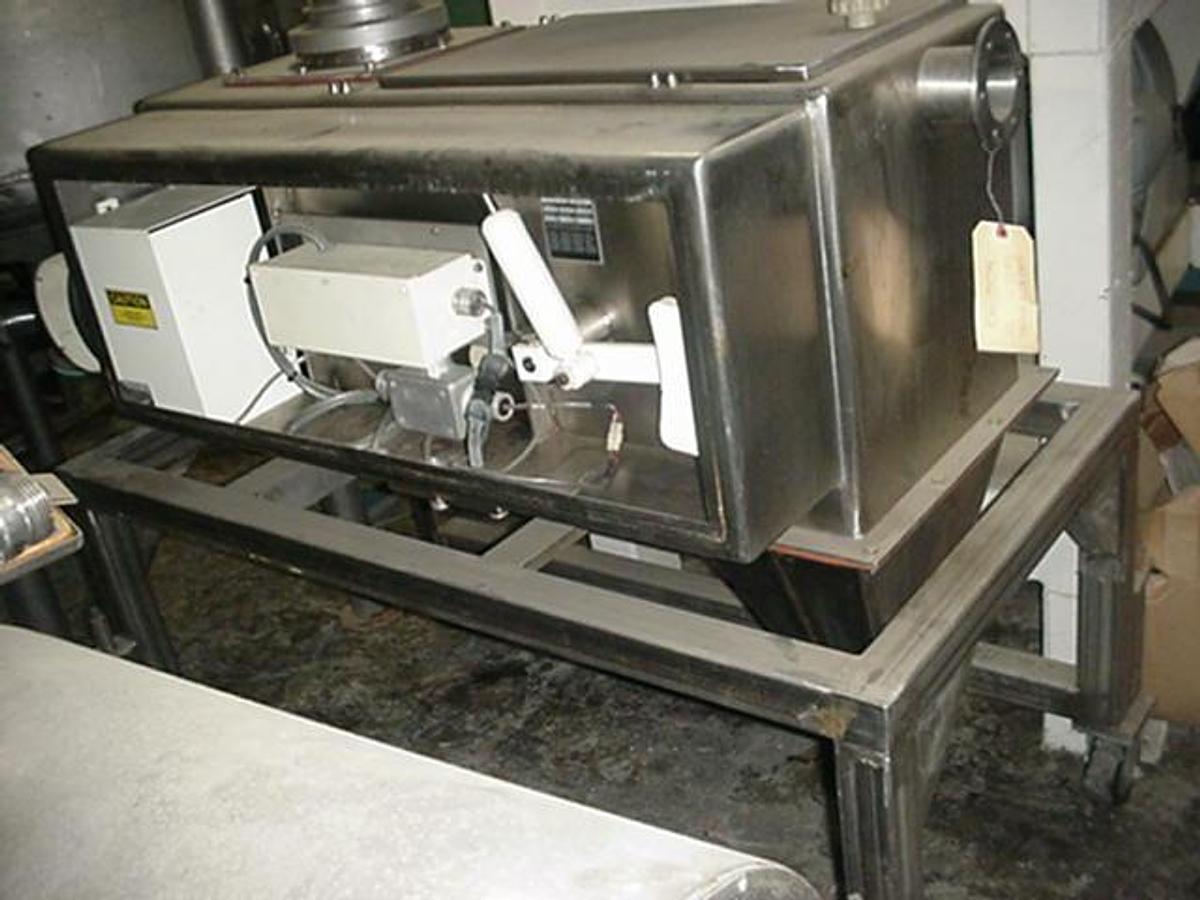
K-Tron manufactures a broad range of feeding and material handling equipment, and many of these machines appear regularly on the used equipment market. The most commonly available units include loss-in-weight feeders, volumetric feeders, weight belt feeders (including stainless steel models suited for food and pharmaceutical applications), pneumatic conveying systems, and bulk bag dischargers. K-Tron is particularly well-known for its precision feeders, which are designed to deliver accurate, repeatable material dosing across demanding production environments.
Because K-Tron equipment is built to last and holds its value well, used machines in good condition are actively sought after by buyers in plastics, food processing, chemicals, and pharmaceuticals. Stainless steel configurations are especially popular on the secondary market since they meet sanitary requirements and are easier to clean between product runs. When browsing used listings, it helps to know the specific model series you need, as K-Tron has produced many generations of feeders with varying capacities, control options, and material compatibility.
What industries use K-Tron feeding and conveying equipment?
K-Tron equipment serves a wide range of process industries where accurate, controlled material flow is critical. The plastics industry relies heavily on K-Tron feeders for dosing resins, colorants, and additives into extruders and injection molding machines. Food processors use K-Tron equipment for handling ingredients like flour, sugar, starches, and spices, often specifying stainless steel models to meet sanitary standards. Chemical manufacturers depend on K-Tron feeders for precise dosing of powders, granules, and specialty compounds. Pharmaceutical producers use them where tight tolerances and cleanability are non-negotiable.
Beyond those core sectors, K-Tron equipment also appears in mining, battery materials production, and specialty materials processing. The broad cross-industry applicability is one reason used K-Tron machines hold strong resale value. That said, buyers should confirm that the specific model they are considering is suited for their material type, bulk density, and throughput requirements, since not every feeder configuration works equally well across all applications.
What is the difference between K-Tron gravimetric and volumetric feeders?
The core difference comes down to how each type measures and controls material flow. A volumetric feeder dispenses material based on volume per unit of time, using a fixed screw speed or belt speed to estimate output. These feeders are simpler mechanically and work well when material properties are consistent and high precision is not critical. K-Tron's volumetric models are often used in applications where cost is a primary concern and minor variations in bulk density are acceptable.
Gravimetric feeders, sometimes called loss-in-weight feeders, continuously measure the actual weight of material being dispensed and adjust feed rate in real time to hit a target. K-Tron is widely recognized for its gravimetric technology, particularly its SFT (Smart Force Transducer) weighing system, which delivers high accuracy even in vibration-prone or temperature-variable plant environments. For applications in pharmaceuticals, specialty chemicals, or anywhere tight dosing tolerances matter, a gravimetric feeder is generally the right choice. When evaluating used K-Tron equipment, understanding which type you need before purchasing is important, as retrofitting a volumetric unit for gravimetric duty is rarely straightforward.
What materials can K-Tron feeders handle?
K-Tron feeders are engineered to handle a wide spectrum of bulk solids, and the specific materials a given unit can process depend largely on the feeder type, screw geometry, and any special material contact configurations. Common materials include free-flowing pellets and granules (such as plastic resins), fine powders (including flour, carbon black, and pharmaceutical actives), fibrous or flaky materials, sticky or cohesive compounds, and abrasive minerals. K-Tron offers a variety of screw designs, agitators, and hopper geometries specifically to address materials with poor flow characteristics.
For hygroscopic or moisture-sensitive materials, K-Tron systems can be configured with nitrogen purging or other environmental controls. Stainless steel contact parts are standard for food, dairy, and pharmaceutical applications. When purchasing a used K-Tron feeder, it is worth confirming the screw and hopper configuration matches your material's bulk density, particle size, and flow behavior. If the previous application involved abrasive or corrosive materials, inspecting wear on the screw flights and barrel is especially important before committing to a purchase.
How do you evaluate the condition of a used K-Tron feeder before buying?
Evaluating a used K-Tron feeder requires looking beyond surface appearance. Buyers should request any available service history, calibration records, and documentation of past refurbishment work. Key mechanical areas to inspect include the condition of the feed screw (checking for wear on flights), the state of the load cells or weighing components, the drive motor and gearbox, and the hopper or agitator assembly. Control system components, including the feeder controller and any interface boards, should be powered on and checked for fault codes or error histories if at all possible.
Reputable used equipment dealers will typically accommodate in-person inspections, video walkthroughs, or detailed photo documentation to give buyers an accurate picture of the machine's current condition. Some equipment may still be installed and running at a production facility, which can allow for a live operational inspection. Keep in mind that most dealers do not have the permits or production infrastructure to run material through a feeder during inspection, so buyers should factor that limitation into their evaluation process. Consulting with a K-Tron service technician or Coperion's support team about the specific model's known wear points and parts availability is also a practical step before finalizing a purchase.
Are replacement parts available for older K-Tron feeder models?
Parts availability for K-Tron equipment is generally considered one of the stronger points of the brand on the used market. Coperion, which acquired K-Tron, maintains parts support for a wide range of legacy models, and a healthy ecosystem of third-party suppliers also stocks common wear components like screws, liners, seals, and drive parts. This broad availability is a significant reason why used K-Tron equipment retains value and remains a practical investment even when machines are several years old.
That said, availability can vary depending on how old the model is and whether it has been discontinued. Before purchasing a used K-Tron unit, it is worth contacting Coperion's parts and service division directly to confirm what components are still supported for that specific model and serial number range. Age and model generation can meaningfully affect both the availability of spare parts and the level of technical support a buyer can expect going forward. Factoring parts lead times and costs into the total cost of ownership is a smart step, particularly for feeders that will be running in high-throughput or critical production roles.
Can used K-Tron equipment be integrated with existing PLC or SCADA control systems?
K-Tron feeders are designed with industrial automation compatibility in mind, and most models produced over the past few decades support standard communication protocols that allow integration with plant-level control systems. Common interface options include analog signals (4-20mA), digital I/O, and fieldbus protocols such as Profibus, DeviceNet, Modbus, and Ethernet-based systems depending on the generation of the controller. The K-Tron KCM (K-Tron Control Module) and later controller generations were built specifically to allow centralized supervision and remote setpoint adjustment from PLC or SCADA systems.
When purchasing a used unit, it is important to verify which controller version is installed and what communication options it supports, since older controllers may require additional hardware or software to interface with modern control architectures. In some cases, the feeder's mechanical components may be in excellent shape while the control electronics are outdated, and buyers should budget for potential controller upgrades if tight integration with a current automation platform is a requirement. A controls engineer familiar with K-Tron systems can typically assess integration feasibility during the pre-purchase inspection phase.
What should buyers expect to pay for used K-Tron equipment?
Pricing for used K-Tron equipment varies considerably based on model, size, configuration, age, and condition. Entry-level volumetric feeders in working condition can sell for a few thousand dollars, while larger gravimetric loss-in-weight systems with stainless steel construction, advanced controllers, and high-accuracy weighing components can command prices ranging from roughly $10,000 to $40,000 or more depending on the application and throughput capacity. Specialty configurations for pharmaceutical or food-grade use, which require sanitary finishes and enhanced cleanability, typically sit at the higher end of the price range.
Beyond the purchase price, buyers should account for additional costs including shipping, rigging, and any reconditioning or spare parts needed to bring the machine to full operational status. Shipping costs for larger feeder systems can be substantial, particularly if heavy-duty crating or specialized rigging is required for loading and unloading. Getting a clear picture of the total landed cost before committing to a purchase is a practical approach, and most reputable dealers can provide detailed breakdowns of packaging, freight, and rigging charges upon request.
What should buyers understand about warranties on used K-Tron equipment?
Used industrial equipment, including K-Tron feeders and conveyors, is typically sold on an as-is basis by dealers, meaning the buyer takes on the responsibility of evaluating the machine's condition before completing the purchase. Manufacturer warranties are generally tied to the sale of equipment directly from the manufacturer and do not transfer through secondary market transactions. This is standard practice across the used machinery industry and is not specific to K-Tron.
Because there is no warranty safety net, the quality of the inspection process becomes critical. Buyers should choose dealers with a demonstrated track record in process and bulk material handling equipment, since industry-specific expertise matters when assessing feeder condition. Taking advantage of in-person or video inspection options, reviewing any available maintenance documentation, and consulting with Coperion's service team about the model's support status are all practical ways to reduce risk. Selecting a dealer who specializes in the relevant industry and has a long history of selling similar equipment provides a meaningful layer of assurance even in the absence of a formal warranty.
How is used K-Tron equipment typically shipped, and what are the logistics considerations?
Shipping used K-Tron equipment involves more planning than a standard freight shipment, particularly for larger feeder systems or complete conveying lines. Machines must be properly secured and protected for transit, which typically means palletization at a minimum and custom crating for more complex or fragile units. The level of packaging required directly affects freight costs, and buyers should ask dealers specifically what packaging will be used and whether crating charges are included in the quoted price or billed separately.
Larger machines may require forklift loading at origin and a liftgate or dock at the destination, and in some cases specialized rigging services are needed for safe loading and unloading. These rigging costs are usually additional and should be factored into the total landed cost calculation. International shipments add complexity around customs documentation and import duties. Most dealers can provide a freight estimate once the destination and delivery requirements are confirmed, and getting that full cost picture before finalizing the purchase helps avoid surprises.