Category
Manufacturer
Model
Jyi Maw Industrial
Jyi Maw Industrial specializes in manufacturing machinery for the textile industry. They are particularly known for their weaving and knitting machines, which are essential for fabric production.
FAQ:
What types of machinery does Jyi Maw Industrial manufacture?
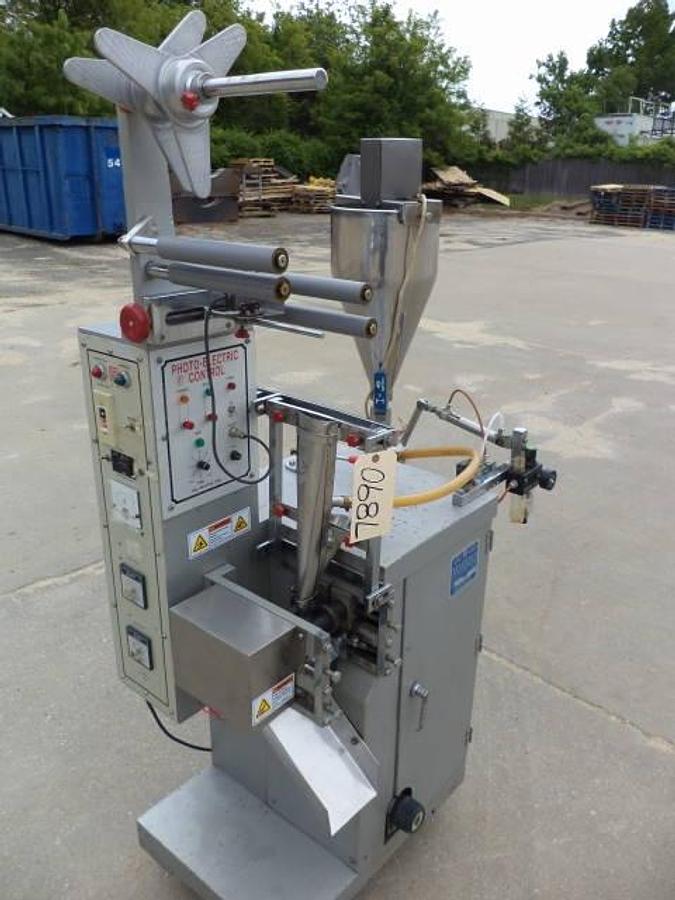
Jyi Maw Industrial is a Taiwan-based machinery manufacturer with a product range that spans several industrial sectors. The company is particularly recognized for textile machinery, including weaving and knitting machines used in fabric production. Beyond textiles, Jyi Maw has also produced form/fill/seal machines designed for packaging creams and lotions, placing them in the personal care and cosmetics manufacturing space as well.
Buyers sourcing used Jyi Maw equipment should pay close attention to the specific model and application, since the company's catalog covers distinct production environments. A weaving machine and a form/fill/seal packaging unit have very different installation requirements, operator skill sets, and spare parts ecosystems. Reviewing detailed technical specifications before purchase is always recommended, including power requirements, production capacity, physical dimensions, and the type of materials the machine is designed to process.
What should buyers know about purchasing used industrial machinery versus buying from a manufacturer?
Buying used industrial machinery is fundamentally different from purchasing directly through a manufacturer. The most significant difference is condition and support: used machines are sold as-is, meaning the buyer takes on the responsibility of assessing the equipment's current state. There are no manufacturer warranties attached to used equipment, so the burden of due diligence falls squarely on the buyer. This makes the reputation and track record of the dealer you purchase from one of the most important factors in the transaction.
Reputable used equipment dealers typically offer inspection options, accurate condition disclosures, and transparency about a machine's history. Buyers should also contact the original equipment manufacturer directly to determine what level of technical support, documentation, and spare parts are still available for the specific model they are considering. Older models may have limited parts availability, which can affect long-term operating costs and downtime risk. Choosing a dealer who specializes in the relevant industry category adds another layer of confidence to the purchase.
How do you inspect a used industrial machine before buying it?
Inspections are a critical step in any used machinery purchase, and reputable dealers typically offer several options to accommodate buyers regardless of location. In-person inspections are the most thorough, allowing a buyer or their technician to physically examine the machine, check for wear, test controls, and review maintenance records. For international buyers or those who cannot travel, video inspections and detailed photo documentation are widely accepted alternatives. Some machines may still be installed and running at the facility where they were decommissioned, which allows for a live operational review arranged between the dealer and the current site owner.
It is worth noting that most equipment dealers are not set up for full production testing. Running a machine at full production capacity requires specific permitting, raw materials, and facility infrastructure that a dealer's warehouse typically does not have. The goal of an inspection is to verify the machine's mechanical condition, completeness of components, and general working order, not to simulate a full production run. Buyers should prepare a checklist of critical components to examine and, when possible, bring along or consult with a technician who has hands-on experience with that type of machinery.
Are spare parts and components available for used Jyi Maw machinery?
Parts availability for any used machine depends heavily on the model's age and whether the manufacturer still supports that product line. For Jyi Maw Industrial equipment, prospective buyers should contact the manufacturer directly to ask which models are still supported, what parts are stocked, and whether technical documentation such as manuals and wiring diagrams can be obtained. This conversation is worth having before finalizing any purchase, since parts scarcity can significantly affect a machine's long-term usability.
In cases where manufacturer support is limited, buyers have a few practical options. Third-party machine shops can fabricate certain mechanical components, and aftermarket suppliers sometimes stock common wear parts for well-known machine lines. Some buyers also purchase a second machine of the same model as a parts donor. Understanding the parts landscape before buying is especially important for high-throughput production environments where unexpected downtime carries a real cost. A thorough pre-purchase inspection that identifies worn or near-end-of-life components helps buyers factor those replacement costs into their overall acquisition budget.
What are the typical payment terms when buying used industrial machinery from a dealer?
Most used equipment dealers require payment in full before a machine is released for shipment. This is standard practice in the industry and protects the dealer from situations where equipment has been prepared for shipping but a transaction falls through. For buyers, this means having financing or capital in place before committing to a purchase. Some dealers extend payment terms to established repeat customers with a documented purchase history, but this is the exception rather than the rule for first-time transactions.
Buyers should clarify payment terms early in the negotiation process, along with the accepted payment methods, currency requirements for international transactions, and any deposit structure that may apply. For large or high-value machinery purchases, buyers sometimes use escrow arrangements or letters of credit to add a layer of financial protection to the transaction. Understanding the full cost of acquisition, including the machine price, packaging, rigging, freight, and any import duties, is essential before funds are committed.
How does shipping and freight work for large used industrial machinery?
Shipping industrial machinery is considerably more involved than standard freight. The process typically begins with rigging, which refers to the specialized labor and equipment required to safely move heavy machines within a facility and load them onto a transport vehicle. Rigging costs vary based on machine weight, dimensions, and the complexity of the move, and they are usually an added cost on top of the base freight rate. Buyers should ask dealers for a detailed breakdown of all charges, from the dealer's floor to the destination, to understand the true landed cost of the equipment.
Packaging is another critical variable. Machines must be properly palletized or crated to prevent damage during transit, and the level of protection required depends on the machine's size, fragility, and the distance it will travel. International shipments typically require more substantial crating than domestic moves. For overseas buyers, additional considerations include export documentation, customs clearance, and import duties at the destination country. Larger machines shipped internationally often move in flat-rack or open-top shipping containers, which require specialized handling at both origin and destination ports. Getting quotes from freight forwarders experienced in industrial machinery is a practical step before finalizing a purchase.
What technical specifications should buyers review before purchasing a used textile or packaging machine?
Before committing to any used industrial machine purchase, buyers should gather a complete set of technical specifications to confirm the equipment is compatible with their facility and production requirements. Key data points include electrical power requirements (voltage, phase, and amperage), physical dimensions and weight, production speed or output capacity, and the range of materials or products the machine is designed to handle. For textile machinery such as weaving or knitting machines, additional specs like gauge, working width, and yarn compatibility are particularly relevant. For packaging machinery like form/fill/seal units, fill volume range, container type compatibility, and cycle speed matter most.
Beyond the spec sheet, buyers should also ask about the machine's production history, including how many hours or cycles it has logged, what maintenance has been performed, and whether any major components have been replaced or repaired. This information helps buyers estimate remaining service life and anticipate near-term maintenance costs. If the dealer cannot provide documentation on the machine's history, that gap should factor into the price negotiation and the depth of the pre-purchase inspection.
What is Jyi Maw Industrial's background and where are their machines manufactured?
Jyi Maw Industrial is a manufacturer based in Taiwan with a focus on specialized industrial machinery. The company is recognized in the textile sector for producing weaving and knitting machines, which are core equipment for fabric manufacturing operations. Taiwan has a long-established reputation in international industrial markets for producing machinery that balances engineering quality with competitive pricing, often positioned between higher-cost European and Japanese equipment and lower-cost alternatives from other Asian manufacturers.
In addition to textile machinery, Jyi Maw has produced equipment for other industries, including form/fill/seal machines used in the packaging of creams and lotions for the personal care sector. This cross-industry range means that used Jyi Maw machines appear in a variety of manufacturing environments. Buyers looking for used Jyi Maw equipment should verify that the specific model they are evaluating aligns with their production application, since the company's product lines serve distinctly different industries with different operational demands.
What is a form/fill/seal machine and what is it used for in manufacturing?
A form/fill/seal machine is a type of automated packaging equipment that performs three functions in a single continuous process: it forms a container or pouch from a flat material or pre-made tube, fills that container with a product, and then seals it closed. These machines are widely used across food, pharmaceutical, and personal care manufacturing. For creams and lotions specifically, form/fill/seal machines are designed to handle viscous or semi-viscous products and dispense them accurately into sachets, tubes, or other flexible packaging formats before sealing.
In a used equipment context, buyers evaluating a form/fill/seal machine should pay particular attention to the condition of the filling heads, sealing jaws, and any product contact surfaces, since these components experience the most wear in daily production. Compatibility with the buyer's specific product viscosity and packaging format is also critical. Some machines are configured for a narrow range of container sizes or sealing materials, so confirming that the used machine's setup matches the buyer's production requirements, or can be adjusted to do so, is an important part of the pre-purchase evaluation process.
How should buyers evaluate the reputation of a used industrial machinery dealer?
The dealer's track record is one of the most important factors in a used machinery purchase, precisely because there are no manufacturer warranties involved. Buyers should look for dealers with a documented history in the industry, a clear specialization in the relevant machinery category, and a willingness to provide transparent information about equipment condition. Dealers who have been operating for many years and who focus on specific industries tend to have deeper product knowledge and better sourcing networks than general liquidators.
Practical ways to assess a dealer include asking for references from previous buyers, reviewing any available customer feedback, and paying attention to how thoroughly the dealer describes each machine's condition and history. A dealer who provides detailed photos, video walkthroughs, and honest condition notes is demonstrating a level of transparency that benefits the buyer. Dealers who specialize in industrial machinery for a particular sector, such as textiles or packaging, are also more likely to have the technical knowledge needed to accurately represent a machine's capabilities and limitations. This specialization reduces the risk of misrepresentation and gives buyers a more reliable basis for making a purchasing decision.