Category
Manufacturer
Model
Jw Lesser
Jw Lesser manufactures equipment for the food and beverage industry, specializing in processing and packaging machinery. They are recognized for their high-quality filling and sealing machines that enhance production efficiency.
FAQ:
What types of food processing equipment does JW Lesser manufacture?
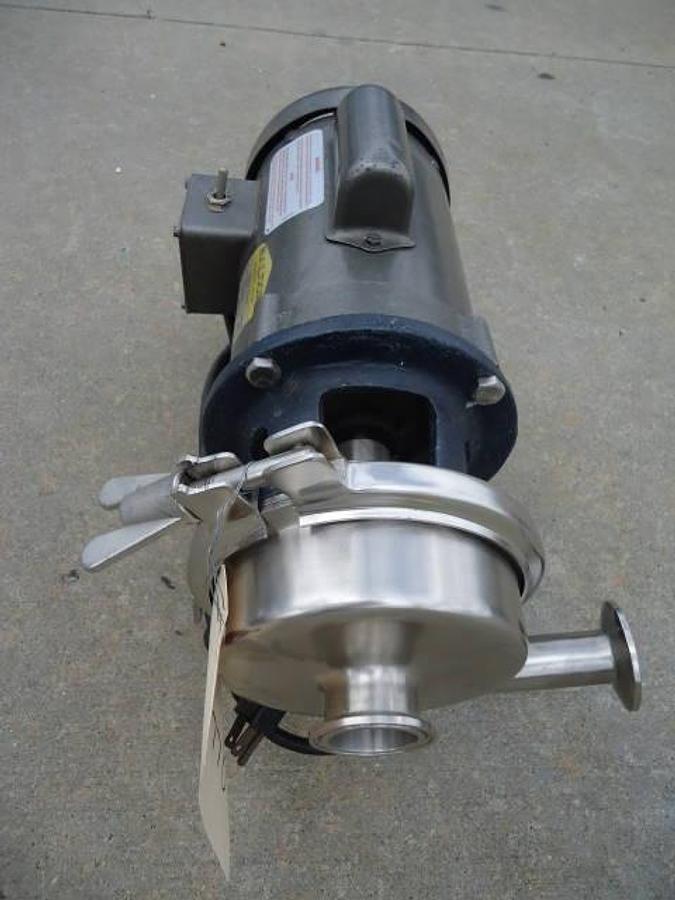
JW Lesser produces equipment for the food and beverage industry, with a focus on processing and packaging machinery. The brand is particularly recognized for filling and sealing machines, as well as sanitary fluid handling equipment such as centrifugal pumps. A specific example of the type of equipment associated with the JW Lesser name is a 1-1/2 inch stainless sanitary centrifugal pump designed for single-phase operation, which reflects the brand's emphasis on hygienic, production-ready components.
Buyers looking at used JW Lesser equipment should expect to find machinery suited to liquid and semi-liquid food processing applications, where sanitary construction and reliable performance are priorities. Because the available inventory of used equipment varies over time, it is worth checking with specialized used food processing equipment dealers to see what JW Lesser units are currently in stock. Dealers who focus specifically on the food and beverage sector tend to carry a more relevant and vetted selection than general industrial equipment sources.
What should buyers know about purchasing used food processing equipment compared to buying from a manufacturer?
Buying used food processing equipment differs from purchasing directly from a manufacturer in several important ways. The most significant difference is that used machines are sold as-is, meaning the buyer takes on the responsibility of thoroughly evaluating the equipment's condition before committing to a purchase. This makes the choice of dealer critically important. Working with a reputable used equipment dealer that has a long track record in the food processing industry provides a meaningful layer of protection, since experienced dealers are more likely to accurately represent the condition and history of the machines they sell.
Used equipment also typically does not come with the manufacturer's warranty coverage that a brand-new machine would carry. As a result, buyers should invest time in inspecting the equipment carefully, either in person or through a detailed video walkthrough arranged by the dealer. It is also worth contacting the manufacturer directly to understand what level of technical support, documentation, and parts availability can be expected for a specific model and production year. Age and model generation can significantly affect the level of support a manufacturer is able to provide for older machines.
What materials are used in the construction of food-grade processing equipment like JW Lesser pumps and machines?
Sanitary food processing equipment is almost universally constructed from stainless steel, with 304 and 316 stainless steel being the two most common grades found in the industry. Grade 304 stainless steel offers strong corrosion resistance and is widely used across general food contact surfaces. Grade 316 stainless steel contains added molybdenum, which provides superior resistance to chlorides and harsh cleaning chemicals, making it the preferred choice for dairy, seafood, and acidic food applications where more aggressive sanitation protocols are used.
Beyond the base metal, food processing equipment designed to sanitary standards typically features smooth internal surfaces with minimal crevices to prevent bacterial buildup, along with fittings and seals made from food-safe elastomers such as EPDM or silicone. When evaluating used equipment, buyers should inspect welds, gaskets, and sealing surfaces carefully, as these areas are most prone to wear and contamination risk over time. The presence of tri-clamp fittings and compliance with sanitary design standards is a good indicator that a machine was built with food safety as a core design requirement.
Does used food processing equipment meet FDA, USDA, or NSF food safety compliance standards?
Whether a piece of used food processing equipment meets current food safety standards depends on how it was designed and built, not simply on its age. Equipment manufactured to NSF/ANSI 3-A sanitary standards, or to USDA and FDA guidelines, carries those design credentials regardless of whether it is being sold as used. The relevant question for buyers is whether the specific machine was originally built to those standards and whether it has been maintained in a way that preserves compliance.
Buyers of used food processing equipment should request any available documentation related to the machine's original certifications, and should have the equipment inspected by a qualified technician or sanitarian before putting it into production. Some older models may have been built to standards that have since been updated, which could require modifications before the machine can be used in a regulated production environment. Consulting with a food safety specialist or your facility's regulatory contacts before finalizing a purchase is a practical step that can prevent costly compliance issues down the line.
How does the inspection process work when buying used food processing equipment?
Reputable used equipment dealers typically offer buyers the option to inspect machinery in person, through a live video call, or via detailed video footage of the machine captured by the dealer. The purpose of any inspection is to get an accurate picture of the equipment's current condition, including visible wear, the state of seals and gaskets, the condition of electrical components, and any signs of corrosion or damage to food contact surfaces. In some cases, equipment being offered for sale may still be installed and operating at a food production facility, which can allow for an inspection while the machine is running under real production conditions.
It is important to understand that most used equipment dealers are not licensed food production facilities and therefore cannot run actual product through a machine as part of a demonstration. Testing is generally limited to dry runs or operational checks that confirm the machine powers on, moves correctly, and shows no obvious mechanical faults. Buyers who need more thorough validation may want to factor in the cost of having a qualified technician or the equipment manufacturer's service representative conduct an independent assessment before finalizing the purchase.
Are replacement parts and spare components available for JW Lesser food processing equipment?
Parts availability for any used food processing equipment depends on several factors, including the age of the machine, the model series, and whether the manufacturer or third-party suppliers still stock compatible components. For equipment like sanitary centrifugal pumps and filling machinery, many wear components such as seals, impellers, and gaskets are often available from aftermarket suppliers even when the original manufacturer's supply chain has changed. Standardized fittings like tri-clamp connections are widely available across the industry regardless of the original equipment brand.
Before purchasing a used JW Lesser machine, it is worth contacting the manufacturer directly to ask about parts availability for that specific model. Manufacturers can often confirm whether they still support a given product line and what the realistic lead times are for obtaining replacement components. Buyers should also ask the selling dealer whether any spare parts are included with the machine, as dealers sometimes have additional inventory of related components that can be bundled with a sale. Building a small stock of critical wear parts at the time of purchase is a common and practical approach for minimizing downtime risk with used equipment.
What are the typical payment terms when buying used food processing equipment from a dealer?
Most used equipment dealers require full payment before a machine is released for shipping. This is standard practice across the industry and reflects the nature of used equipment transactions, where machines are often one-of-a-kind items that cannot be held indefinitely without financial commitment from the buyer. Payment is typically expected via wire transfer or other verifiable methods. Some dealers may extend payment terms to buyers with whom they have an established purchasing history, but this is not the norm for first-time transactions.
Buyers should factor total landed cost into their budget from the start, since the purchase price of the machine is only one component of the overall expense. Shipping, rigging, crating, and any required installation or commissioning work can add meaningfully to the final cost. Asking the dealer for a complete breakdown of all fees before agreeing to a purchase is the best way to avoid surprises and accurately compare the true cost of different equipment options.
How is used food processing equipment typically shipped, and what should buyers expect regarding freight costs?
Shipping used food processing equipment involves considerably more planning than standard freight. Smaller machines like pumps and filling heads may be palletized and shipped via LTL (less-than-truckload) freight, while larger or heavier equipment often requires custom crating and full truckload or flatbed transport. The level of packaging required directly affects shipping costs, and buyers should ask dealers specifically about how a machine will be prepared for transit to avoid damage in shipping.
For heavy machinery, professional rigging is typically needed for both loading at the dealer's location and unloading at the buyer's facility. Rigging costs are usually quoted separately and can vary significantly based on the size and weight of the equipment and the complexity of the move. Buyers who have a loading dock and appropriate material handling equipment on-site may be able to reduce unloading costs, while those without these capabilities will need to arrange for a rigging crew at the destination. Getting a complete freight quote that covers packaging, loading, transport, and delivery before finalizing a purchase gives buyers a clear picture of the full cost.
What is the total cost of ownership for used food processing equipment, and how should buyers evaluate it?
The purchase price of a used food processing machine is the starting point, not the full picture. Total cost of ownership includes the landed cost of the equipment (purchase price plus shipping, rigging, and any import duties), the cost of any refurbishment or repairs needed before the machine enters production, ongoing maintenance expenses, energy consumption, and the cost of downtime if the machine requires unplanned service. For used equipment, buyers should budget conservatively for initial refurbishment since wear on seals, bearings, and electrical components is common and often not fully visible during a pre-purchase inspection.
One of the most practical ways to assess total cost of ownership is to research the maintenance history and known failure points of a specific model before buying. Consulting with a technician familiar with that type of equipment, or reaching out to the manufacturer for service documentation, can reveal what parts tend to wear out and how frequently. Buyers who factor in these downstream costs alongside the purchase price are much better positioned to make a sound investment decision and avoid situations where a low purchase price is offset by high repair and maintenance expenses over the machine's working life.
How should buyers evaluate the reputation and reliability of a used food processing equipment dealer?
The dealer's track record is one of the most important factors in a used equipment purchase, particularly because machines are sold as-is and the buyer has limited recourse after a transaction is complete. A dealer with many years of experience specifically in the food and beverage equipment sector is better positioned to accurately represent the condition and suitability of the machines they sell. Industry tenure, customer references, and a clearly organized inventory with detailed specifications are all indicators of a dealer operating with professional standards.
Buyers should also pay attention to how a dealer handles pre-purchase questions. A reliable dealer will be willing to provide detailed photos, arrange video walkthroughs, and give honest answers about a machine's known condition issues rather than deflecting. Dealers who specialize in food processing equipment, rather than general industrial machinery, are also more likely to understand the sanitary design requirements and regulatory considerations that matter in food production environments. Taking the time to vet a dealer thoroughly before committing to a purchase is one of the most effective ways to reduce the inherent risk of buying used equipment.