Category
Manufacturer
Model
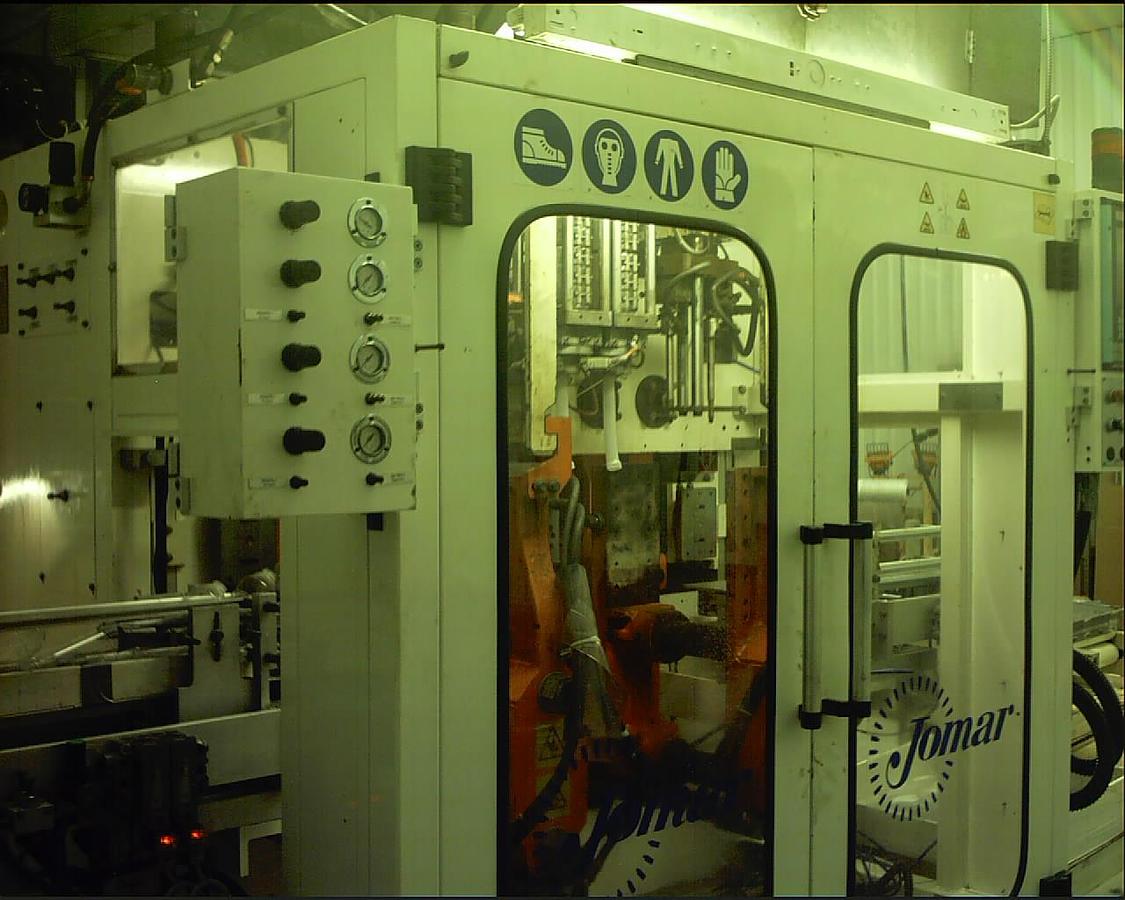
Jomar
Jomar is a leading manufacturer of blow molding machines, primarily serving the plastic packaging industry. They are known for their innovative designs that enhance production efficiency and product quality.
FAQ:
What types of containers can Jomar blow molding machines produce?
Jomar machines are designed specifically for injection blow molding, which makes them well-suited for producing small-to-medium sized hollow containers with tight dimensional tolerances. Common products include pharmaceutical bottles, cosmetic vials, personal care packaging, and specialty consumer containers. Because injection blow molding produces a finished part in a single cycle without flash or trimming, Jomar machines are particularly popular where clean, precise neck finishes are required, such as bottles that accept threaded caps or dropper assemblies.
The range of container sizes and shapes achievable depends on the specific model and tooling configuration. Jomar machines have historically been used across the pharmaceutical, personal care, and consumer goods sectors, where consistent wall thickness and dimensional accuracy matter more than raw output volume. Buyers looking at used Jomar equipment should confirm that the tooling included with the machine matches their target container specifications, or budget for custom tooling if needed.
What materials are compatible with Jomar blow molding machines?
Jomar injection blow molding machines are compatible with a broad range of thermoplastics, including HDPE, LDPE, polypropylene (PP), PET, and PVC. This material flexibility is one of the reasons Jomar equipment has remained in demand across multiple packaging sectors. The specific material a machine can process depends on its screw and barrel configuration, temperature control range, and clamp tonnage, so buyers should verify these specifications against their intended resin before purchasing.
For buyers acquiring used Jomar machines, it is worth confirming which resin the machine was running in its previous application. Machines that processed PVC, for example, require thorough purging and may need inspection of the barrel and screw for corrosion or wear before switching to a different material. Consulting with a knowledgeable dealer and, where possible, the machine manufacturer can help buyers assess whether a used machine's components are in suitable condition for their target material.
What is the price range for used Jomar blow molding machines?
Pricing for used Jomar blow molding machines varies considerably depending on model, age, clamp tonnage, condition, and included tooling. Smaller, older models in average condition can be found at lower price points, while larger-capacity machines in good working order, particularly those with usable tooling packages, command significantly higher prices. A machine from the late 1990s, such as a 1998 Jomar bottle blow molding extrusion system, will generally be priced to reflect its age while still offering value for buyers who need a proven platform at a lower capital cost than current-production equipment.
Buyers should also factor in costs beyond the listed machine price. Rigging, crating, freight, and any refurbishment or tooling work needed after delivery can meaningfully affect the total landed cost. Requesting a detailed breakdown of these costs from the dealer before committing to a purchase is a standard part of the buying process and helps avoid surprises. Getting an accurate picture of the machine's condition through inspection, either in person or via video, is equally important before finalizing a price.
Are used Jomar blow molding machines suitable for small or startup production operations?
Used Jomar machines can be a practical entry point for smaller operations or startups that need injection blow molding capability without the capital outlay of current-production equipment. Jomar's product line has historically focused on small-to-medium container production, which aligns well with lower-volume runs typical of growing businesses or contract packagers serving niche markets. The machines are mechanically straightforward relative to more complex multi-layer systems, which can reduce the learning curve for operators new to the technology.
That said, startups should go in with realistic expectations about used equipment. Machines may require some level of maintenance, parts replacement, or tooling investment before reaching stable production. It is advisable to have a qualified technician inspect the machine prior to purchase and to confirm that replacement parts are available for that specific model. Buyers who do their due diligence upfront, including thorough inspection and a clear understanding of the machine's service history, tend to have much better outcomes than those who prioritize price alone.
How do Jomar injection blow molding machines differ from extrusion blow molding machines?
Jomar machines use the injection blow molding process, which differs from extrusion blow molding in both the method of parison formation and the quality characteristics of the finished part. In injection blow molding, a preform is injection-molded over a core pin and then transferred to a blow mold where it is inflated to its final shape. This process produces containers with no parting line flash, highly accurate neck finishes, and consistent wall thickness, making it the preferred method for pharmaceutical and personal care packaging where precision matters.
Extrusion blow molding, by contrast, forms a hollow tube of molten plastic that is then clamped and blown into shape, which typically leaves a pinch-off seam and requires trimming. Extrusion blow molding is generally better suited to larger containers and higher-volume commodity packaging. Buyers choosing between used machines of each type should consider their container size, tolerance requirements, and resin, since injection blow molding offers tighter control but is typically limited to smaller container volumes compared to extrusion systems.
What should buyers inspect when evaluating a used Jomar blow molding machine?
A thorough inspection of a used Jomar machine should cover several key areas: the condition of the barrel and screw, the state of the hydraulic system (including seals, hoses, and pump), the electrical controls and wiring, tie bar and platen condition, and the overall structural integrity of the frame. Wear on the screw and barrel is particularly important because it directly affects material processing consistency and output quality. Hydraulic leaks or worn seals are common on older machines and should be factored into any post-purchase maintenance budget.
Reputable used equipment dealers will typically accommodate in-person or video inspections, and some machines may still be in active production at a facility where a live demonstration can be arranged. Keep in mind that most dealers do not have the permits or infrastructure to run full production trials, so buyers may see the machine powered on and cycling but not necessarily producing finished containers. Buyers should also contact the manufacturer directly to understand what level of technical support and parts availability they can expect for the specific model and age of machine they are considering.
Are replacement parts available for older Jomar blow molding machines?
Parts availability for used Jomar machines depends heavily on the model and its age. Jomar has historically supported older machine models to a reasonable degree, but as machines age, certain components such as proprietary electronic controls, specialized hydraulic valves, or model-specific mechanical parts can become harder to source. Before purchasing an older machine, buyers are well-advised to contact the manufacturer directly to get a clear picture of what parts are still stocked or can be manufactured on request, and at what cost.
Specialized used equipment dealers who focus on the plastics processing industry can also be a valuable resource for parts, since they often accumulate spare components from decommissioned machines. When evaluating a used Jomar machine, asking the seller about any spare parts included with the sale is worth doing, as sellers sometimes have a stock of consumables or replacement components that can be transferred with the machine. Building a relationship with a dealer who has deep experience in blow molding equipment is one of the best ways to navigate parts sourcing over the long term.
What does the process of buying a used Jomar machine typically look like from inquiry to delivery?
The process generally starts with identifying a machine that matches the buyer's production requirements in terms of clamp tonnage, shot size, and container type. After initial contact with the dealer to confirm availability and basic specifications, the next step is arranging an inspection, either in person at the dealer's facility or at the plant where the machine is currently located, or remotely via video walkthrough. This inspection phase is critical for used equipment because it gives the buyer the most accurate picture of actual condition before committing funds.
Once both parties agree on price and terms, most used equipment dealers require full payment prior to shipping. After payment is confirmed, the dealer arranges packaging, rigging, and freight. Larger machines may require specialized rigging equipment for loading and unloading, which adds to the overall cost. Crating and packaging standards vary by dealer, so buyers should ask specifically how the machine will be prepared for transit to avoid damage during shipping. Lead times from purchase to delivery depend on the machine's location, the complexity of rigging required, and freight scheduling, but buyers should generally plan for several weeks from payment to arrival.
What clamp tonnage and output specifications should buyers consider when selecting a used Jomar machine?
Jomar offers machines across a range of clamp tonnage ratings, which directly affects the size and number of cavities the machine can run simultaneously. Lower-tonnage models are suited to single or dual-cavity tooling for small containers, while higher-tonnage machines support multi-cavity configurations that increase output per cycle. Shot size is the other key specification, as it determines how much material can be injected per cycle and therefore sets an upper limit on container volume and wall thickness.
Buyers should map their production requirements, including target container size, annual volume, and resin, against these specifications before narrowing their search. Running a machine near the top of its rated capacity continuously tends to accelerate wear, so selecting a machine with some headroom above the minimum required specs is generally a sound practice. For used machines in particular, reviewing the machine's history and asking whether it was typically run at high utilization or in lighter-duty applications can provide useful context for estimating remaining service life.
How should buyers evaluate the reputation and reliability of a used Jomar machine dealer?
The used machinery market has a wide range of dealers, from generalist auction resellers to specialists who focus on specific industries like plastics processing. For a purchase as significant as a blow molding machine, working with a dealer who has a long track record in the plastics or packaging equipment space is worth prioritizing. Dealers with industry-specific experience are better positioned to accurately describe a machine's condition, answer technical questions, and help buyers understand what they are actually getting.
Practical indicators of dealer reliability include willingness to facilitate thorough inspections, transparency about a machine's age and known condition issues, and clear communication about shipping, rigging, and payment terms. Buyers should be cautious of listings with minimal detail or dealers who are reluctant to provide additional photos, video, or inspection access. Checking how long a dealer has been in business and whether they have a history of selling equipment in the relevant industry are reasonable starting points for assessing credibility before committing to a purchase.