Category
Manufacturer
Model
Jda
Jda is a manufacturer focused on providing automation solutions for the manufacturing sector. They offer a variety of equipment designed for process automation, including conveyors and robotic systems, which help improve efficiency in production lines.
FAQ:
What types of used JDA industrial equipment are typically available for sale?
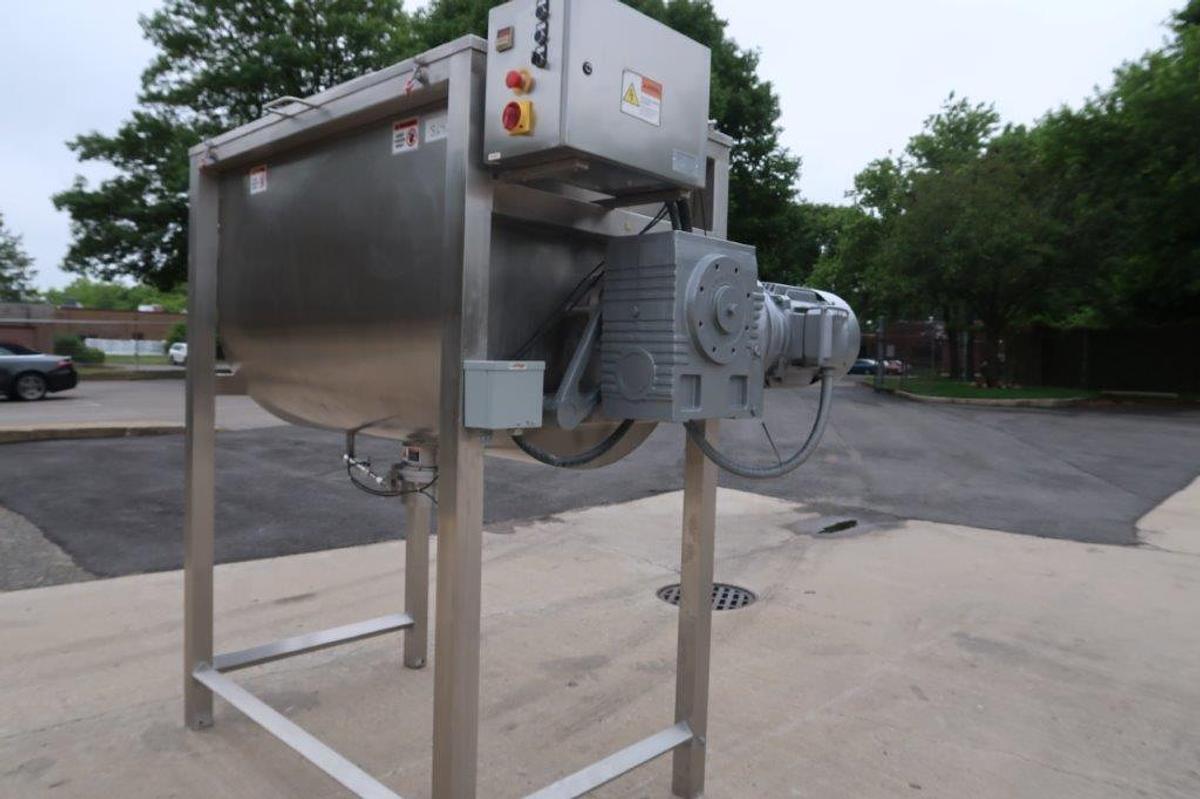
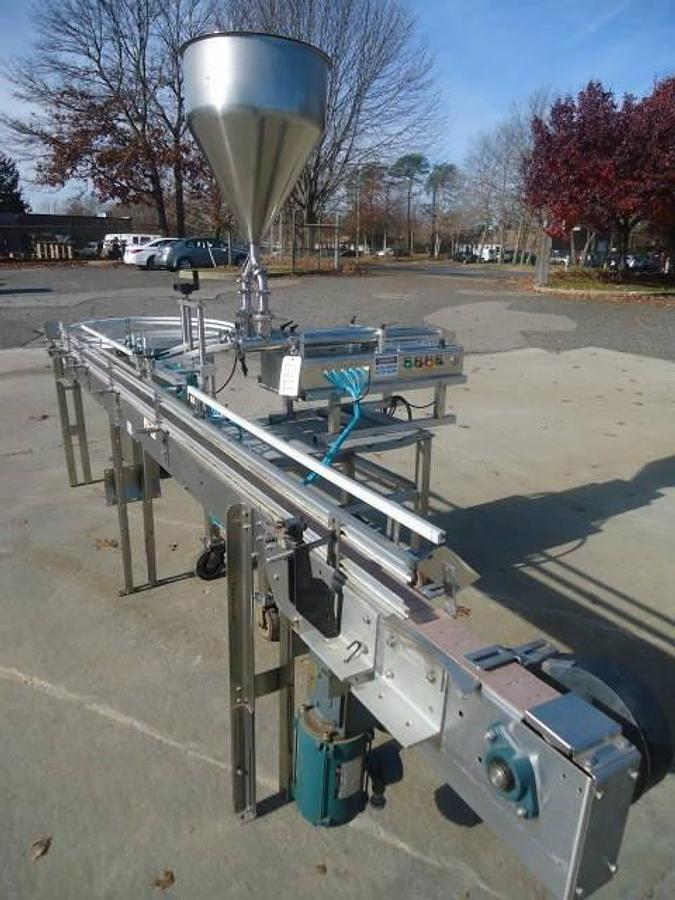
JDA produces a range of automation and process equipment aimed at the manufacturing sector. Common used JDA machines that appear on the secondary market include ribbon blenders, twin piston automatic fillers, conveyors, and robotic systems designed to improve throughput on production lines. Specific configurations vary widely depending on what facilities have decommissioned, so available inventory at any given time reflects what industrial operations have cycled out of service rather than a fixed catalog.
Stainless steel double ribbon blenders built for pharmaceutical applications are among the more sought-after JDA units in the used market, as are their piston-style filling machines, which see heavy use in food, beverage, and personal care manufacturing. Buyers searching for used JDA equipment should look for listings that include detailed specifications such as capacity ratings, material construction, power requirements, and any documentation that accompanied the machine during its working life. That information makes it significantly easier to evaluate whether a particular unit fits a given production environment.
What industries use JDA industrial equipment?
JDA equipment is designed with process automation in mind, which makes it applicable across several manufacturing-intensive industries. Pharmaceutical manufacturing is a notable end market, particularly for JDA blending equipment built to sanitary standards with stainless steel contact surfaces. Food and beverage production, cosmetics, nutraceuticals, and chemical processing are also common sectors where JDA filling and blending machines show up, given the need for precise, repeatable dosing and mixing in those environments.
Beyond those process industries, JDA conveyors and material handling systems find use in general manufacturing and assembly operations where moving product efficiently between workstations is a priority. Because these machines are purchased used, buyers should confirm that the specific unit they are considering was operated in a compatible industry and cleaned to appropriate standards before listing. A machine that processed pharmaceutical compounds, for example, carries different cleaning and validation history considerations than one used in general industrial production.
What should buyers inspect when purchasing used JDA equipment?
Buying used industrial equipment requires a more hands-on evaluation than purchasing from a manufacturer, because the condition of any given machine reflects its actual service history rather than factory specifications. For JDA blenders and fillers, buyers should pay close attention to the condition of contact surfaces, seals, gaskets, and drive components. Wear on agitator ribbons, piston seals, and discharge valves are common points of degradation on mixing and filling equipment, and replacing those components adds to the total acquisition cost.
Reputable used equipment dealers will typically accommodate in-person inspections at their facility or at the plant where the equipment is still located. Virtual inspections and detailed video walkthroughs are also common alternatives when travel is not practical. Buyers should use the inspection to verify that the machine matches the listed specifications, check for visible corrosion or structural damage, and ask about the machine's last known operating condition. Keep in mind that most dealers do not have production permits that would allow them to run actual product through a machine during a demonstration, so inspection focuses on mechanical condition and completeness rather than a live production test.
Does used industrial equipment come with a warranty?
Warranties on industrial equipment are typically issued by the original manufacturer and are tied to machines sold through authorized channels. Used equipment dealers generally sell machinery on an as-is basis, meaning no warranty transfers with the sale. This is standard practice across the used machinery industry and places the responsibility for evaluating condition squarely on the buyer before the transaction is completed.
Because of this, selecting a dealer with a long track record in the specific equipment category matters considerably. An experienced dealer will be transparent about a machine's condition, provide accurate documentation, and support a thorough pre-purchase inspection rather than discouraging scrutiny. Buyers should also contact JDA or the relevant manufacturer directly to understand what technical support, service documentation, and replacement parts are available for the specific model and age of machine they are considering. Older or discontinued models may have limited manufacturer support, which is a practical factor in evaluating long-term operating costs.
How is used industrial equipment typically priced?
Pricing for used industrial equipment depends on several variables including the machine's age, condition, configuration, and current demand in the market for that equipment type. A JDA stainless steel ribbon blender designed for pharmaceutical use, for instance, commands a premium over a general-purpose industrial blender of similar capacity because of the material grade, sanitary design, and the cost of comparable equipment in the market. Capacity, drive horsepower, and any included ancillary components also factor into the asking price.
Buyers evaluating price should think in terms of total landed cost rather than the listed equipment price alone. Shipping, rigging, crating, and any site preparation or installation work all add to the final number. Some dealers will provide a quote that bundles these costs, while others quote equipment and logistics separately. Asking for a detailed breakdown early in the process prevents surprises and makes it easier to compare options across multiple sources. Financing or leasing arrangements are sometimes available through third-party equipment finance companies, though used equipment dealers themselves typically require payment in full before a machine ships.
What are the shipping and logistics considerations for used industrial equipment?
Shipping industrial machinery involves more complexity than standard freight because of the size, weight, and fragility of mechanical components. Proper packaging is critical to preventing damage in transit. Depending on the machine, this can range from basic pallet preparation to custom crating built around the equipment's specific geometry. Larger or heavier machines often require rigging services for loading at the dealer's facility and unloading at the buyer's site, and those rigging costs are typically separate from the freight charge itself.
Buyers should ask the dealer for a detailed breakdown of packaging, rigging, and shipping costs before finalizing a purchase so the full landed cost is understood upfront. For heavy blending or filling equipment, freight class, carrier selection, and insurance coverage are all worth discussing with the dealer. International buyers face additional considerations including customs documentation, import duties, and compliance with destination country regulations. Getting clarity on all of these logistics details before committing to a purchase avoids unexpected expenses after the transaction is complete.
What payment terms should buyers expect when purchasing used industrial equipment?
Used equipment dealers almost universally require payment in full before a machine is released for shipping. This is standard practice in the industry and reflects the nature of used machinery transactions, where the dealer needs to confirm funds before coordinating logistics. Payment is typically accepted by wire transfer, though some dealers accept other forms depending on the transaction size and the buyer's relationship with the seller.
Repeat customers with an established buying history may occasionally be offered extended terms at a dealer's discretion, but buyers approaching a dealer for the first time should plan for full prepayment. For buyers who need financing, third-party equipment lenders and leasing companies specialize in used machinery and can sometimes move quickly enough to fit within a dealer's transaction timeline. It is worth arranging financing pre-approval before identifying a specific machine, as desirable used equipment can sell quickly and having funds ready to commit gives a buyer a meaningful advantage.
Are replacement parts available for used JDA industrial equipment?
Parts availability for used industrial equipment varies based on the age of the machine and whether the manufacturer still actively supports that product line. For JDA equipment, buyers should contact the manufacturer directly to ask about parts availability for the specific model and serial number they are considering. Manufacturers can usually indicate whether common wear components like seals, gaskets, drive belts, and agitator parts are still stocked or can be fabricated, and whether technical documentation such as parts manuals and wiring diagrams is accessible.
For older machines or models that have been out of production for many years, third-party machining and fabrication shops can often reproduce wear parts from drawings or by reverse engineering existing components. Some buyers also purchase a second unit of the same model as a parts source, particularly for highly specialized machines where downtime is costly. Before purchasing any used machine, it is worth doing a preliminary assessment of parts availability and lead times, since a low equipment price can be offset quickly by long waits or high costs for critical replacement components.
What documentation should accompany a used industrial machine purchase?
Useful documentation for a used industrial machine includes the original operator's manual, maintenance records, electrical schematics, parts lists, and any compliance certifications that applied to the machine during its service life. For pharmaceutical or food-grade equipment like a JDA stainless steel ribbon blender, documentation related to material certifications, cleaning validation history, and any prior regulatory inspections can be particularly valuable to buyers who need to qualify the equipment for use in a regulated production environment.
In practice, the amount of documentation that travels with used machinery varies considerably. Some machines come with a complete file of records; others arrive with nothing beyond basic identification. Buyers should ask the dealer what documentation is available before finalizing a purchase and factor the completeness of the paperwork into their evaluation. A machine with full documentation is generally easier to integrate into a facility, qualify for production use, and maintain over time than one where the history is unknown. Dealers who have sourced equipment directly from operating facilities tend to have better access to original paperwork than those working further down the resale chain.
How do buyers evaluate whether a used JDA machine is the right fit for their production line?
Matching a used machine to a specific application starts with comparing the equipment's technical specifications against the production requirements. For a JDA ribbon blender, the relevant parameters include working capacity, batch size range, agitator configuration, motor horsepower, discharge style, and whether the construction meets sanitary standards required for the intended product. For a twin piston filler, fill range, viscosity handling, fill speed, and nozzle compatibility with the target container are the primary considerations. Getting the full spec sheet from the dealer and comparing it against the process requirements is the logical starting point.
Beyond specifications, buyers should think about how the machine will integrate physically and electrically into their facility. Voltage and phase requirements, footprint dimensions, inlet and outlet connection sizes, and weight all affect installation planning. If the machine was previously used in a different industry or with different materials, cleaning requirements and any potential cross-contamination risks are worth evaluating. Consulting with a process engineer or the equipment manufacturer's technical team during the evaluation phase can help identify any compatibility issues before a purchase is made, saving time and cost compared to discovering problems after the machine arrives on-site.