Category
Manufacturer
Model
FAQ:
What types of equipment are typically associated with Jacobs Engineering projects and available on the used market?
Jacobs Engineering Group is a global professional services and technical solutions firm, not a machinery manufacturer in the traditional sense. The equipment that surfaces on the used market under the Jacobs Engineering name is generally surplus, decommissioned, or project-liquidated machinery from the engineering and construction projects Jacobs has managed across decades of industrial work. Because Jacobs operates across such a wide range of sectors, the equipment types available can vary considerably from one listing to the next.
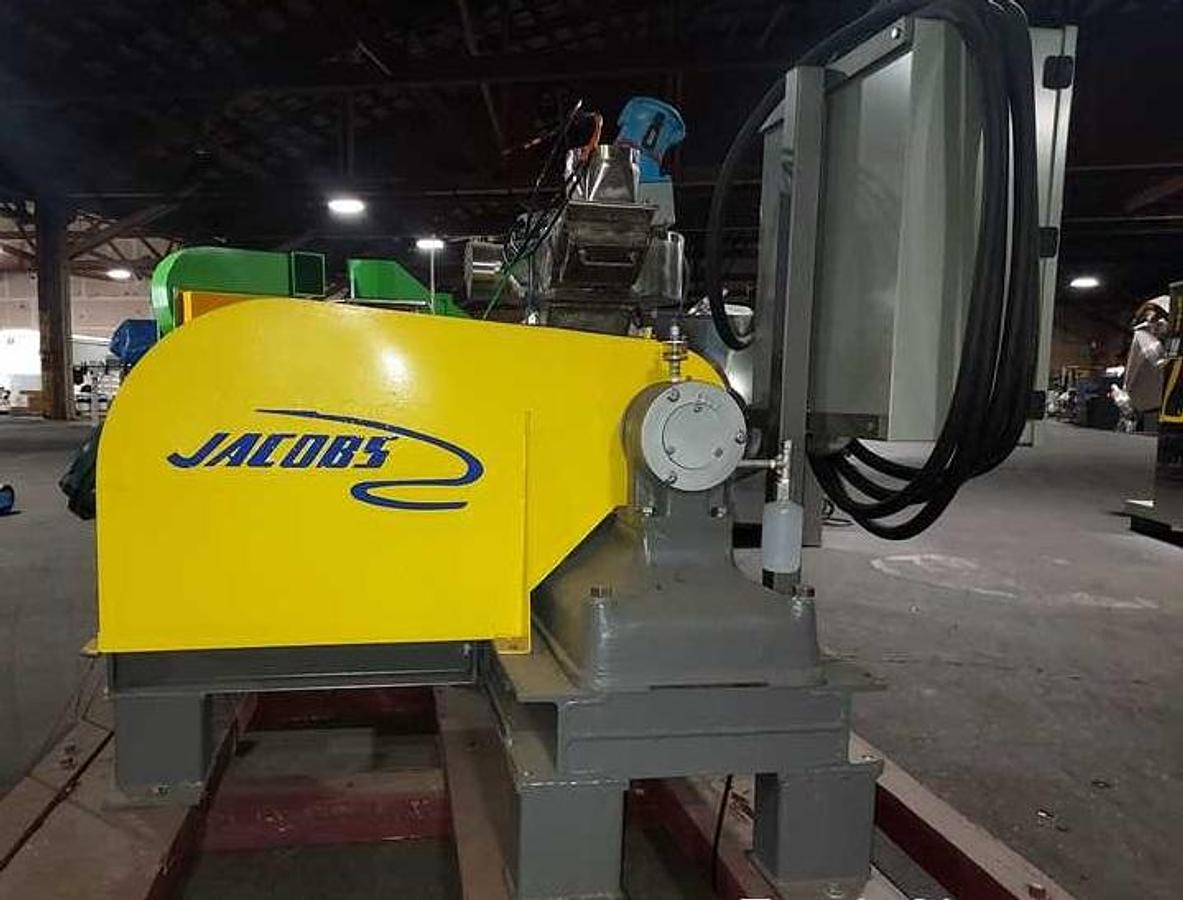
Industries served by Jacobs projects include oil and gas, chemicals, infrastructure, defense, aerospace, and water treatment, among others. As a result, surplus equipment associated with these projects can include process vessels, pumps, compressors, mixers, hammermills, conveyors, filtration systems, and other heavy industrial machinery. Each piece reflects the specific application it was built for, so buyers should review equipment specifications carefully to confirm suitability for their intended use. One example currently available on the used market is a Jacobs Engineering Hammermill with a 50HP motor, which is a common type of size-reduction equipment used in processing applications.
What is a hammermill and what is it used for in industrial processing?
A hammermill is a type of size-reduction equipment that uses rapidly rotating hammers to crush, shred, or grind material into smaller particles. The hammers strike the incoming feed material repeatedly until the particles are small enough to pass through a screen or grate at the bottom of the mill. Hammermills are widely used in industries such as food processing, chemical manufacturing, mining, agriculture, and recycling, where consistent particle size is critical to downstream processing.
The motor size of a hammermill is one of the primary indicators of its throughput capacity and the hardness of material it can handle. A 50HP hammermill, for example, is a mid-to-large capacity unit suited for moderately demanding applications. Key factors to evaluate when purchasing a used hammermill include the condition of the hammers and screens (which are wear parts), rotor balance, bearing condition, and the integrity of the housing. Buyers should ask for any available maintenance records or operational history to understand how intensively the machine was used and what materials it processed, as this directly affects remaining service life.
How do I evaluate the condition of used industrial equipment before purchasing it?
Evaluating used industrial equipment requires a structured approach because condition can vary significantly from one machine to the next, even among units of the same make and model. Start by requesting all available documentation, including maintenance logs, operational history, and any inspection reports. Understanding how a machine was used, how many hours it has logged, and what materials it processed gives you a meaningful baseline before you ever look at the physical unit. For equipment from large engineering projects, project documentation can sometimes provide additional context about the operating environment and load cycles the machine experienced.
Beyond paperwork, a physical or video inspection is strongly recommended. Reputable used equipment dealers will typically accommodate in-person inspections, virtual walkthroughs, or video captures of the machine so buyers can assess its current condition. Pay close attention to wear parts, structural integrity, electrical components, and any signs of corrosion, cracks, or improvised repairs. Keep in mind that most dealers do not have production-level testing capabilities, so you may not be able to run the machine under full load during an inspection. In those cases, consulting with the original manufacturer about the model's known wear points and parts availability can help you make a more informed purchasing decision.
Are warranties available on used industrial equipment from engineering project surplus sales?
Warranties on used industrial equipment are generally not offered by used equipment dealers. The standard practice in the industry is to sell surplus and decommissioned machinery on an as-is basis, which places the responsibility of inspection and due diligence squarely on the buyer. This is true regardless of the equipment's origin, whether it comes from a large engineering firm's project liquidation or from a single-plant closure. The as-is nature of these transactions is precisely why thorough pre-purchase inspection matters so much.
Warranties, when they exist in the equipment world, are typically offered by original manufacturers on machines they produce and sell directly. For used equipment, the best protection a buyer has is selecting a reputable dealer with a long track record in the relevant industry, conducting a thorough inspection, and consulting the manufacturer about parts availability and support for the specific model and age of machine being considered. Older models or discontinued product lines may have limited manufacturer support, which is an important factor to weigh before committing to a purchase.
What should buyers know about shipping and logistics when purchasing used heavy industrial machinery?
Shipping used industrial machinery is more involved than standard freight because of the size, weight, and fragility of the equipment. Proper packaging is critical to preventing damage in transit. Depending on the machine, this may mean palletizing, custom crating, or securing components that could shift or break loose during transport. The level of packaging required directly affects shipping costs, so buyers should ask dealers upfront about what packaging is included in the quoted price and what might be an additional charge.
Larger or heavier machines often require specialized rigging for loading at the origin point and unloading at the destination. Rigging costs can be substantial for heavy industrial equipment and are typically not included in the base shipping quote. Buyers should request a full breakdown of packaging, rigging, freight, and any handling fees to understand the true landed cost of the equipment before finalizing a purchase. Getting this information early in the process avoids surprises and allows for accurate budget planning.
What payment terms are typical when buying used industrial equipment from a dealer?
The standard payment practice among used industrial equipment dealers is to require payment in full before the equipment is released for shipping. This protects the dealer against non-payment on transactions that can involve significant logistical coordination once a sale is confirmed. Buyers should plan accordingly and be prepared to complete payment before arranging pickup or delivery. Wire transfer is the most common payment method for transactions of this size, though accepted methods can vary by dealer.
Some dealers may offer extended payment terms to repeat customers or buyers with an established purchasing history, but this is not the norm for first-time transactions. If financing is needed, buyers typically need to arrange it independently through equipment financing companies or their own banking relationships before approaching a dealer. Understanding payment expectations before entering negotiations helps both parties move through the transaction efficiently and avoids delays once a purchase agreement is reached.
What industries typically use hammermills like the type found in Jacobs Engineering project surplus?
Hammermills are used across a broad range of industries wherever particle size reduction is part of the production process. In agriculture and food processing, they are used to grind grains, spices, and feed materials to specific particle sizes. Chemical manufacturers use them to reduce solid materials before blending or reaction stages. Recycling operations rely on hammermills to shred materials like wood waste, plastics, and scrap metal. Mining and mineral processing operations use them for ore crushing and preparation.
A 50HP hammermill occupies a useful middle ground in terms of capacity, making it suitable for mid-scale production environments rather than the very smallest bench-scale units or the largest continuous industrial operations. Buyers from processing industries who need reliable size-reduction equipment often turn to the used market because hammermills of this class represent a significant capital investment when purchased through standard channels. Purchasing a used unit from a known industrial source can offer considerable cost savings, provided the buyer performs adequate due diligence on the machine's condition and history before completing the transaction.
How does purchasing surplus equipment from large engineering project liquidations differ from buying from a standard used equipment dealer?
Equipment that comes from large engineering project liquidations, including those managed by major firms like Jacobs Engineering, often has a documented operational history tied to a specific project or facility. This can be an advantage for buyers, as project documentation, maintenance records, and asset histories may be available to help establish how the equipment was used, under what conditions, and for how long. In some cases, the equipment may have seen relatively light use if it was part of a pilot plant or a project that was completed ahead of schedule.
On the other hand, equipment from large project liquidations can also reflect heavy industrial use in demanding environments, particularly if it was part of a long-running production facility. Condition grades across project surplus lots can vary widely, so buyers should not assume that a well-known engineering firm's project history automatically implies better equipment condition. The same inspection standards apply regardless of the equipment's origin. Requesting full asset histories and, where possible, arranging an in-person or video inspection remains the most reliable way to assess what you are actually buying.
What factors most significantly affect the price of used industrial processing equipment?
Several factors drive pricing on used industrial equipment, and understanding them helps buyers assess whether a listed price reflects fair market value. Age and hours of use are obvious starting points, but equipment condition relative to age matters just as much. A well-maintained older machine can command a higher price than a newer unit that has been run hard without proper upkeep. The availability of replacement parts and manufacturer support for a given model also plays into value, since equipment that is difficult to service carries more risk for the buyer.
Market demand for a specific type of equipment in a given period can push prices up or down significantly. Hammermills, for example, may see higher demand during periods of increased activity in agriculture, recycling, or chemical processing. The motor size and throughput capacity of a machine directly affect its utility and therefore its price point. Ancillary factors like the cost of equivalent equipment through standard channels, the cost of shipping and rigging from the seller's location, and whether the machine includes tooling, screens, or spare parts all factor into the total cost of ownership and should be weighed when evaluating any used equipment listing.
What questions should a buyer ask a used equipment dealer before purchasing industrial machinery?
Before committing to a used industrial equipment purchase, buyers should ask for a complete operational history of the machine, including what materials it processed, how many hours it ran, and what maintenance was performed during its service life. Understanding the machine's last known working condition is equally important. Ask the dealer whether the equipment was in active production when decommissioned, how long it has been in storage, and under what conditions it was stored. Outdoor or unprotected storage can accelerate corrosion and deterioration on components that are otherwise mechanically sound.
Buyers should also ask about inspection options, including whether an in-person visit to the equipment's current location is possible or whether video inspection can be arranged. Clarify exactly what is included in the sale, such as tooling, screens, spare parts, or associated documentation. Get a full breakdown of shipping, rigging, and packaging costs so you understand the total landed cost before making a decision. Finally, it is worth contacting the equipment manufacturer directly to ask about parts availability and technical support for the specific model and production year, since this information can significantly affect the long-term value of the purchase.