Category
Manufacturer
Model
FAQ:
What types of equipment does J G Machine Works produce?
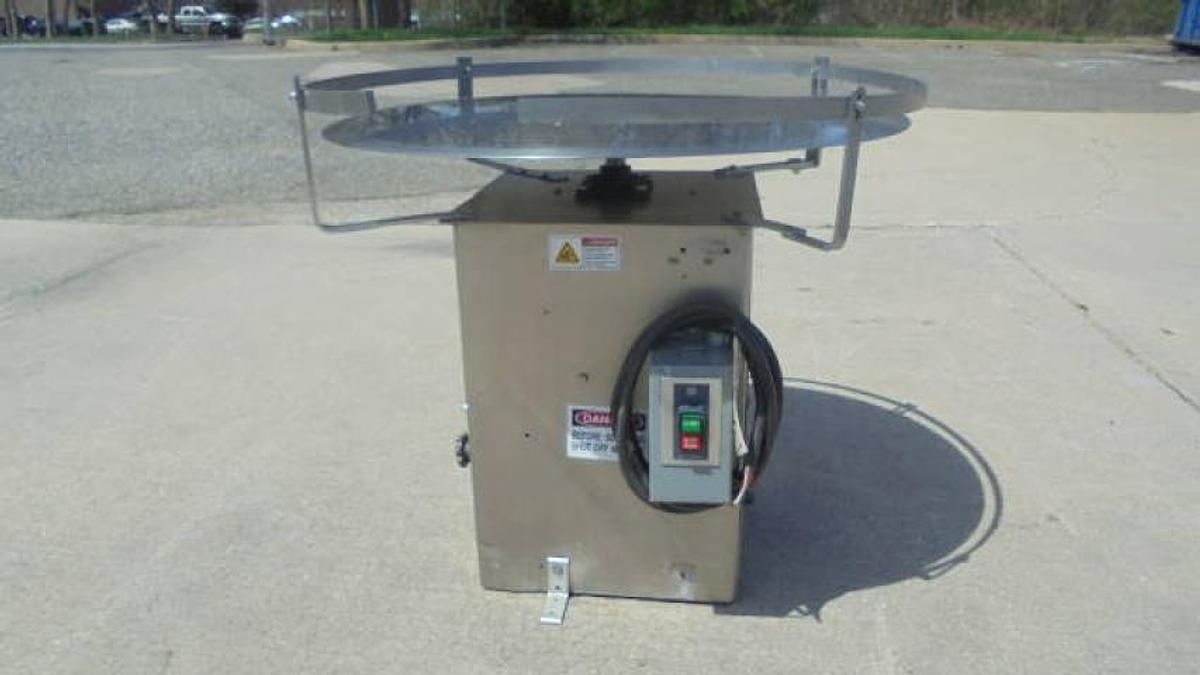
J G Machine Works is known for producing specialty industrial equipment, with a particular focus on material handling and conveying systems used in production and packaging environments. One example of their equipment that appears on the used market is a 36-inch diameter unscrambling and accumulating table constructed in stainless steel, which is the type of machine used to organize, orient, and stage containers or products on a production line.
Their equipment tends to be built for demanding industrial environments where durability and consistent performance matter. Stainless steel construction is common across their product line, making the machines well-suited for food processing, pharmaceutical, beverage, and other industries where sanitation standards are strict. Because J G Machine Works is a specialty manufacturer, their equipment catalog is narrower than larger industrial brands, which often contributes to strong resale demand when used units become available.
What is an unscrambling and accumulating table used for in a production line?
An unscrambling and accumulating table is a piece of conveying and handling equipment designed to take randomly oriented containers, bottles, or other products and organize them into a single-file or properly aligned stream for downstream processing. The unscrambling function uses rotation, vibration, or a spinning disc surface to orient products consistently, while the accumulating function creates a buffer zone that allows the line to keep running even if a downstream station temporarily slows or stops.
These tables are common in bottling, canning, pharmaceutical packaging, and food processing lines. The 36-inch diameter format, such as the J G Machine Works model available on the used market, is a mid-to-large size unit capable of handling reasonable throughput volumes. Stainless steel construction is standard for this type of equipment in regulated industries, as it withstands repeated washdowns and meets hygiene requirements. Buyers sourcing a used unscrambler should confirm the table diameter, rotation speed, drive motor condition, and whether the unit is compatible with the container sizes and weights used in their specific application.
What should I inspect before buying a used J G Machine Works machine?
Buying used industrial equipment requires a careful, methodical inspection to understand the machine's actual condition and avoid unexpected costs after purchase. For a piece of equipment like an unscrambling or accumulating table, key areas to examine include the condition of the stainless steel surfaces (looking for cracks, heavy corrosion, or weld repairs), the drive motor and gearbox, the condition of any belts, bearings, or wear parts, and the integrity of the electrical controls and wiring. If the unit has a variable speed drive, confirming that it operates smoothly across its full speed range is important.
Reputable used equipment dealers will typically accommodate in-person inspections at their facility, or offer virtual inspections via video call or pre-recorded video walkthroughs of the machine in its current state. Some equipment may still be installed at an active production facility, in which case the dealer can coordinate access between the buyer and the facility owner. Keep in mind that most dealers do not have the permits or production infrastructure to run actual product through the machine during an inspection, so functional testing is generally limited to running the machine under no-load conditions. Buyers should ask for any available maintenance records, hour meters, or service history to build a clearer picture of how the machine was used and maintained.
Does used industrial equipment like this come with a warranty?
Warranties on used industrial equipment work very differently from what a buyer might expect when purchasing directly from a manufacturer. Used equipment is almost always sold on an as-is basis, meaning the seller makes no guarantees about future performance or the condition of internal components beyond what is disclosed at the time of sale. The responsibility for evaluating the machine's condition falls on the buyer, which is why thorough pre-purchase inspection is so critical.
Given this, buyers are well-served by choosing dealers with a long, verifiable track record in their specific equipment category rather than generalist resellers. A dealer who specializes in packaging or food processing equipment, for example, will typically have more reliable condition assessments and more accurate disclosures than a general auction platform. Buyers should also contact the original equipment manufacturer directly to understand what level of technical support, spare parts availability, and documentation they can expect for the specific model and age of the machine they are considering. Older or discontinued models may have limited factory support, which is a meaningful factor in the total cost of ownership.
What industries typically use unscrambling and accumulating tables?
Unscrambling and accumulating tables are most commonly found in industries that run high-volume container or product filling lines. Beverage bottling, pharmaceutical packaging, personal care and cosmetics manufacturing, food processing, and chemical filling operations are among the heaviest users of this type of equipment. Any application that involves feeding a consistent stream of containers into a filler, capper, labeler, or other inline machine benefits from having an unscrambler at the front of the line.
Stainless steel models, like the J G Machine Works unit available on the used market, are particularly valued in food, beverage, and pharmaceutical environments where the equipment must withstand frequent washdowns with water, steam, or cleaning chemicals without corroding. These industries also tend to have strict equipment hygiene standards that stainless steel construction satisfies. Buyers from contract packaging operations, co-manufacturers, or mid-size production facilities are frequent purchasers of used unscramblers, since the machines are durable and the used market often offers significant cost savings compared to sourcing equivalent capacity from a new equipment supplier.
How is used industrial equipment typically shipped, and what costs should buyers expect?
Shipping used industrial machinery involves more logistics planning than standard freight because the equipment is heavy, often awkwardly shaped, and susceptible to damage if not properly secured. Costs depend on several factors: the size and weight of the machine, the distance between origin and destination, the level of packaging or crating required, and whether specialized rigging is needed for loading and unloading. A machine like a 36-inch accumulating table will typically need to be palletized or crated before transport, and the cost of that packaging is usually separate from the freight charge itself.
Larger or heavier machines may require a forklift or crane for loading at the origin and unloading at the destination, which adds rigging costs that buyers should budget for in advance. Buyers should ask the dealer for a detailed breakdown of all costs involved, including crating, loading, freight, and delivery, so they have an accurate picture of the total landed cost before committing to a purchase. Freight quotes can vary significantly depending on carrier and routing, so it is worth discussing options with the dealer rather than assuming a single quote is the best available rate.
What are typical payment terms when purchasing used industrial equipment from a dealer?
Most used industrial equipment dealers require payment in full before the machine is released for shipping. This is standard practice in the industry and applies to first-time buyers in nearly all cases. Accepted payment methods typically include wire transfer, certified funds, or other forms of guaranteed payment. Credit card payments may be accepted by some dealers but are less common for higher-value machinery purchases due to processing fees and chargeback risk.
Some dealers extend credit terms or deferred payment arrangements to established customers with whom they have a prior purchasing relationship. Buyers who are new to a particular dealer should expect to pay in full upfront and plan their financing accordingly. If equipment financing is needed, buyers often arrange it independently through a bank, equipment leasing company, or specialty lender before approaching the dealer, rather than relying on the dealer to provide financing. Having financing pre-arranged also puts buyers in a stronger negotiating position and speeds up the transaction once a machine is identified.
Why do buyers choose used industrial equipment over purchasing new machinery?
The most straightforward reason is cost. Used industrial equipment can be purchased at a fraction of the price of a comparable machine sourced through a manufacturer's distribution channel, which makes it attractive for businesses looking to expand capacity, replace aging equipment, or build out a production line without committing to a large capital expenditure. For well-built machines from reputable manufacturers, the performance difference between a properly maintained used unit and a new one is often minimal, especially in applications that do not push equipment to its mechanical limits.
Lead times are another significant factor. Specialty industrial machines can have lead times of many months when ordered through a manufacturer. A used machine that is already available and ready to ship can be installed and running in a fraction of that time, which matters greatly for businesses that need to meet a production deadline or respond to a sudden increase in demand. Used equipment also tends to have a known performance history, and machines that have been running reliably in production for years have already demonstrated their durability in real-world conditions, which is information a buyer simply does not have with an untested machine.
How do I evaluate whether a used equipment dealer is reputable?
The length of time a dealer has been operating is one of the most reliable indicators of trustworthiness. Dealers who have been in business for many years have built their reputation through repeated transactions and have a track record that buyers can research. Look for dealers who specialize in the type of equipment you are buying rather than generalists who sell everything from office furniture to heavy machinery, as specialists are more likely to have accurate condition assessments and relevant technical knowledge.
Transparency is another strong signal. A reputable dealer will provide clear, honest descriptions of machine condition, disclose known issues, and make the equipment available for inspection rather than pushing buyers to commit without seeing the machine. They should be willing to answer detailed technical questions or connect buyers with someone who can. References from past buyers, verifiable business history, and a professional online presence with real inventory listings are all markers worth checking before committing to a purchase. Buyers should be cautious of sellers who are reluctant to accommodate inspections or who cannot provide basic documentation about the equipment's history.
Are replacement parts and technical support available for older specialty industrial machines?
Parts availability for used industrial equipment varies considerably depending on the manufacturer, the age of the machine, and whether the model is still in active production. For some well-established manufacturers, spare parts remain available for decades after a machine leaves the production line. For smaller or specialty manufacturers, parts availability can be more limited, particularly for older models that have been out of production for many years. This is one of the reasons buyers are advised to contact the manufacturer directly before purchasing a used machine, to get a realistic sense of what support they can expect.
In cases where factory parts are no longer available, buyers often have options through third-party machine shops, aftermarket parts suppliers, or by sourcing components from other used machines of the same model. Wear parts like belts, bearings, seals, and motors are frequently available through industrial supply channels regardless of the machine's age, since many of these components are standardized. For electrical controls and proprietary components, the situation can be more challenging, which is why buyers should factor parts availability into their evaluation of any used machine purchase, not just the purchase price itself.