Category
Manufacturer
Model
Iwka
Iwka specializes in packaging machinery, particularly for the pharmaceutical and cosmetic industries. They are recognized for their high-speed cartoning and packaging systems that ensure product integrity.
FAQ:
What types of IWKA packaging machinery are commonly available on the used market?
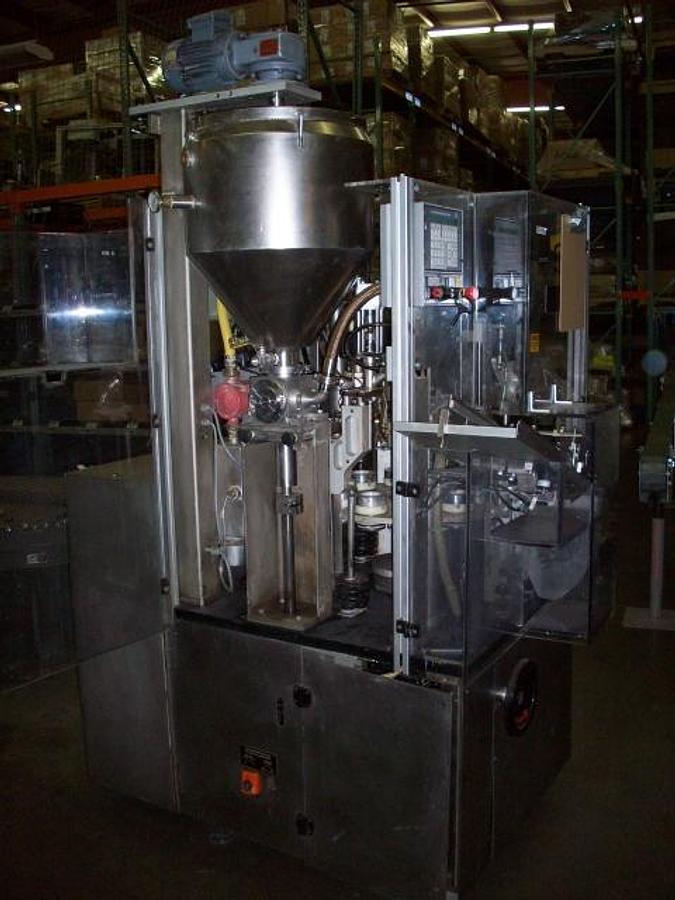
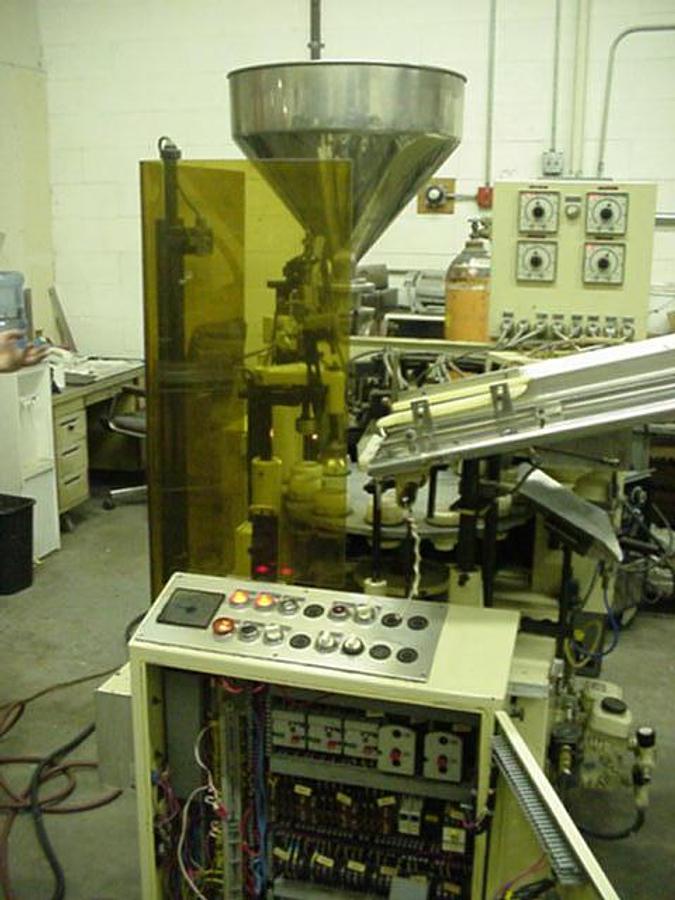
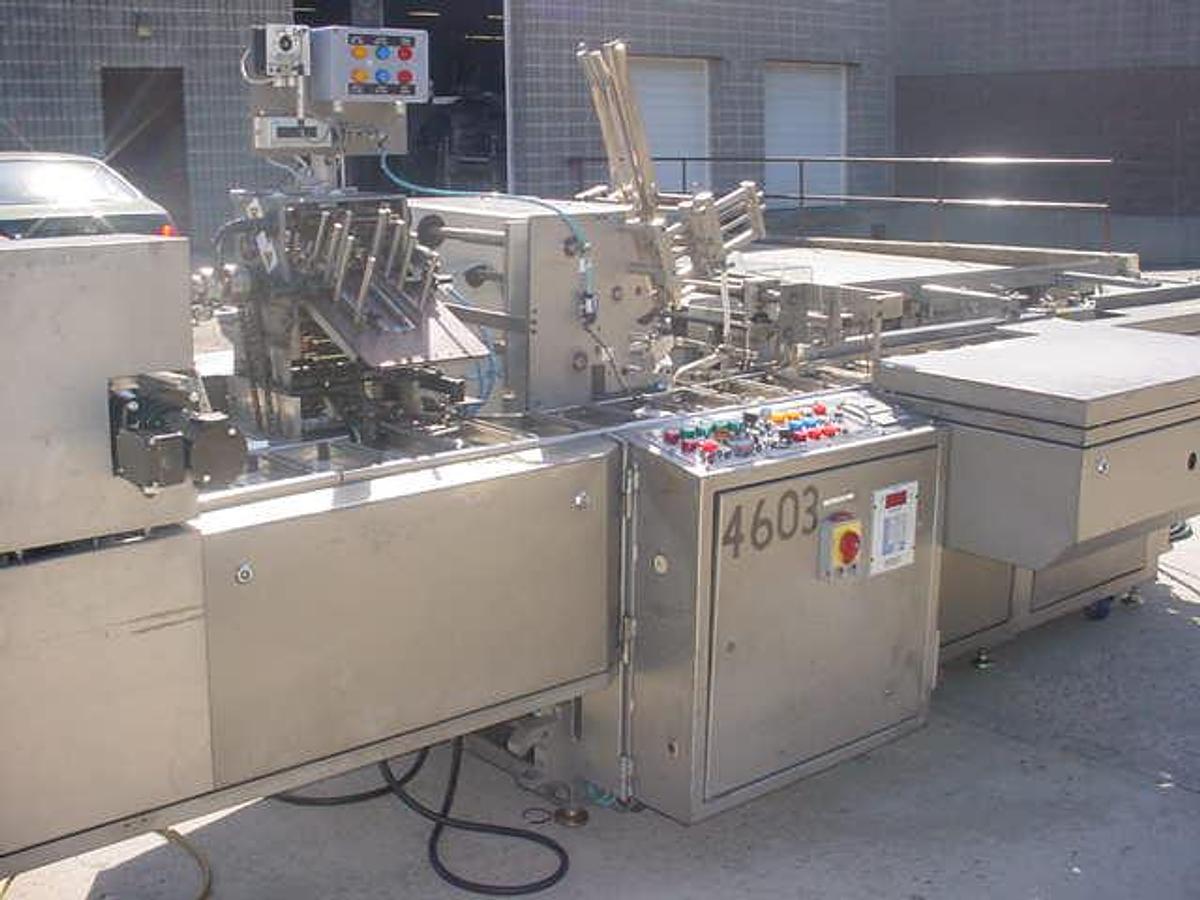
IWKA produced a broad range of packaging equipment during its years of operation, and the machines that surface most frequently on the secondary market reflect the company's core strengths in pharmaceutical and cosmetic packaging. Tube filling and sealing machines are among the most sought-after, including models like the TFS-10 hot air tube filler/sealer and the TF-24 automatic plastic tube filler/sealer. Horizontal cartoning machines, often equipped with leaflet inserters for pharmaceutical compliance, also appear regularly, along with wrapping machines and form-fill-seal systems.
The variety of available equipment tends to shift based on what facilities are decommissioning at any given time, so the selection changes frequently. Buyers looking for a specific model or configuration are generally best served by working with used equipment dealers who specialize in pharmaceutical and cosmetic packaging machinery, as they tend to have more targeted inventory and a better understanding of the technical specifications that matter for these applications.
What happened to the IWKA brand, and why are these machines only available used?
IWKA, short for Industriewerke Karlsruhe Augsburg, was a prominent German industrial conglomerate with a well-regarded packaging machinery division. That packaging division was acquired by Bosch, operating for a period under the Bosch Packaging Technology name before eventually becoming part of Syntegon Technology following a corporate restructuring. As a result, IWKA no longer exists as an independent manufacturing entity, and no new IWKA-branded machines have been produced for many years.
This history makes the secondary market the only source for genuine IWKA equipment. Because these machines were built to German engineering standards and designed for demanding pharmaceutical and cosmetic production environments, many are still in serviceable condition decades after manufacture. Their reputation for precision and durability is a large part of why buyers continue to seek them out even as the brand itself has disappeared. Availability on the used market is finite and gradually shrinking as machines age out of service, which makes finding well-maintained examples increasingly competitive.
What industries are IWKA packaging machines best suited for?
IWKA built its reputation primarily in the pharmaceutical and cosmetic industries, where precision, repeatability, and product integrity are non-negotiable. Their tube filling and sealing machines were designed to handle the strict hygiene and fill-accuracy requirements that pharmaceutical manufacturing demands, and the same qualities made them attractive to cosmetics producers working with creams, gels, and ointments. Cartoning lines with integrated leaflet insertion were specifically engineered to meet pharmaceutical packaging regulations that require patient information inserts.
Beyond pharma and cosmetics, IWKA equipment has also found use in food and beverage applications and confectionery production, particularly where high-speed, high-precision packaging is required. The German engineering philosophy behind these machines emphasized long service life and consistent performance under production conditions, which translates well across regulated industries. Buyers from any of these sectors should verify that a specific machine's configuration, including fill range, sealing method, and line speed, matches their production requirements before purchasing.
What is the difference between IWKA and Syntegon, and does it affect parts availability?
Syntegon Technology is the direct corporate descendant of the packaging machinery business that IWKA once operated. After IWKA's packaging division was absorbed by Bosch, it was eventually spun off and rebranded as Syntegon. This lineage matters practically because Syntegon may retain documentation, engineering knowledge, and some parts inventory related to machines that trace back through the Bosch Packaging and IWKA eras, though the level of support available for any specific machine depends heavily on its age and model.
For buyers of used IWKA equipment, consulting directly with Syntegon is a worthwhile step before purchasing to understand what technical support and parts supply they can realistically expect. Older or less common models may have limited factory support, making third-party parts suppliers and specialized machine shops more important resources. Some components, particularly wear parts like seals, belts, and blades, can often be sourced through industrial suppliers even when the original manufacturer no longer stocks them. Understanding this landscape before committing to a purchase helps buyers plan for long-term maintenance realistically.
How do I verify the condition of a used IWKA machine before buying?
Reputable used equipment dealers will typically offer inspection options that include in-person visits, video walkthroughs, or recorded video captures of the machine. For high-value pharmaceutical packaging equipment like IWKA tube fillers or cartoners, an in-person inspection is strongly recommended when feasible. Some machines may still be installed and running at the facility where they were decommissioned, which allows a buyer or their technical representative to observe the equipment under actual operating conditions. In other cases, the machine will be in a dealer's warehouse and can be visually inspected but not run through a full production cycle.
It is worth keeping in mind that most used equipment dealers are not set up for production-scale testing, as running a machine with actual product requires permits and production infrastructure that a resale facility typically does not have. The inspection goal is therefore to get an accurate picture of mechanical condition, signs of wear, completeness of components, and overall state of the machine. Buyers should bring or consult with a qualified technician familiar with IWKA equipment who can assess the mechanical and electrical systems, check for missing parts, and identify any repairs that will be needed before the machine can be returned to service.
What maintenance records and documentation should I request when buying a used IWKA machine?
When evaluating any used IWKA packaging machine, requesting as much documentation as the seller has available is a smart starting point. The most valuable items include the original operating and maintenance manuals, electrical schematics, and any parts lists that came with the machine. These documents are increasingly hard to find for older IWKA equipment and can save significant time and money during installation, troubleshooting, and routine maintenance. If the seller has service records showing what repairs or replacements were made during the machine's working life, those records give useful insight into which components have already been addressed and which may be approaching the end of their service life.
Not every seller will have complete documentation, particularly if the machine changed hands multiple times or was part of a larger facility liquidation. In those cases, buyers should factor the cost and effort of sourcing manuals independently into their decision. Syntegon may have archival documentation for some models, and there are third-party technical services that specialize in reverse-engineering documentation for discontinued equipment. Understanding what you are getting in terms of paperwork before the sale closes is much easier than tracking it down after the machine has been shipped and installed.
What should buyers understand about shipping and rigging costs for IWKA packaging equipment?
Packaging machinery from IWKA, particularly multi-station tube fillers and full cartoning lines, can be substantial in size and weight. Shipping costs for this type of equipment are not a flat rate and will vary based on the machine's dimensions, weight, destination, and the level of packaging required to protect it in transit. Proper crating or palletization is essential to prevent damage during loading, transport, and unloading, and the cost of that preparation should be factored into the total purchase budget from the start.
Larger machines will require specialized rigging equipment for loading at the origin and unloading at the destination, and those rigging services carry their own costs that are separate from freight charges. Buyers should ask the seller for a detailed breakdown of packaging, rigging, and shipping costs before finalizing a purchase so there are no surprises in the total landed cost of the equipment. For international shipments, customs duties, import documentation, and compliance with destination country regulations add another layer of cost and planning that should be worked through with a freight forwarder experienced in industrial machinery.
What are typical payment terms when purchasing used IWKA machinery from a dealer?
The standard practice among used equipment dealers is to require full payment before a machine is released for shipment. This applies broadly across the industry and is not specific to any one seller or type of equipment. For buyers, this means having financing or capital in place before completing a purchase agreement, since the machine will not move until funds are confirmed. Some dealers may extend payment terms to repeat customers or buyers with an established relationship, but this is the exception rather than the rule for first-time transactions.
Buyers who need financing for used industrial equipment have several options, including equipment-specific lenders, leasing companies that work with used machinery, and in some cases, seller financing arrangements. It is worth having financing lined up in advance, particularly for higher-value IWKA cartoning lines or tube filling systems, since the purchasing process tends to move faster once a machine is identified and inspected. Clarifying payment expectations with the seller early in the conversation avoids delays and misunderstandings once negotiations are complete.
Are spare parts still available for IWKA tube fillers and cartoning machines?
Parts availability for IWKA equipment varies considerably depending on the specific machine model and its age. For machines that trace through the Bosch Packaging lineage to Syntegon, there is some possibility of sourcing components through Syntegon's service organization, though support for older or less common models may be limited. Contacting Syntegon directly with the machine's model number and serial number before purchasing is a practical way to gauge what factory support remains available and whether critical components are still stocked.
For parts that are no longer available through the manufacturer's chain, buyers have several alternative paths. Third-party industrial parts suppliers often carry common wear items like seals, bearings, belts, and pneumatic components that cross-reference to IWKA specifications. Specialized machine shops can fabricate certain mechanical components from drawings or from worn originals used as patterns. Some buyers also purchase a second machine of the same model as a parts source, which can be cost-effective for high-priority production lines. Planning a parts strategy before the machine goes into service is considerably easier than scrambling for components after a breakdown.
How does buying a used IWKA machine compare to purchasing newer packaging equipment?
Used IWKA machines represent a well-established class of German-engineered pharmaceutical and cosmetic packaging equipment that has a track record in regulated production environments. For operations that need proven tube filling or cartoning capability without the capital outlay of current-production equipment, a used IWKA machine can offer meaningful value, particularly if the machine is in good mechanical condition and the required documentation is available. The trade-off is that older equipment may require more hands-on maintenance, and finding technicians familiar with the specific machine can take more effort than it would for current models with active manufacturer support.
Newer packaging equipment from current manufacturers typically comes with factory support, software updates, and active parts programs, but at a significantly higher purchase price. For smaller operations, contract manufacturers, or companies that need a specific capability for a defined product run, the economics of used IWKA equipment can be compelling. The decision ultimately comes down to production volume, regulatory requirements, in-house technical capability, and budget. Buyers who take the time to inspect carefully, source documentation, and understand the parts landscape going in tend to have the best outcomes with used pharmaceutical packaging machinery of this type.