Category
Manufacturer
Model
Ital Past
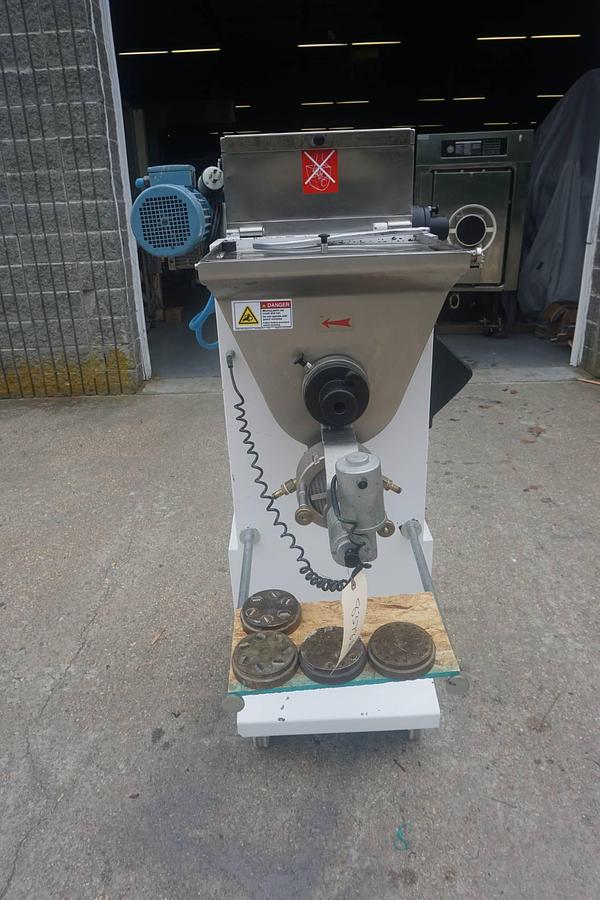
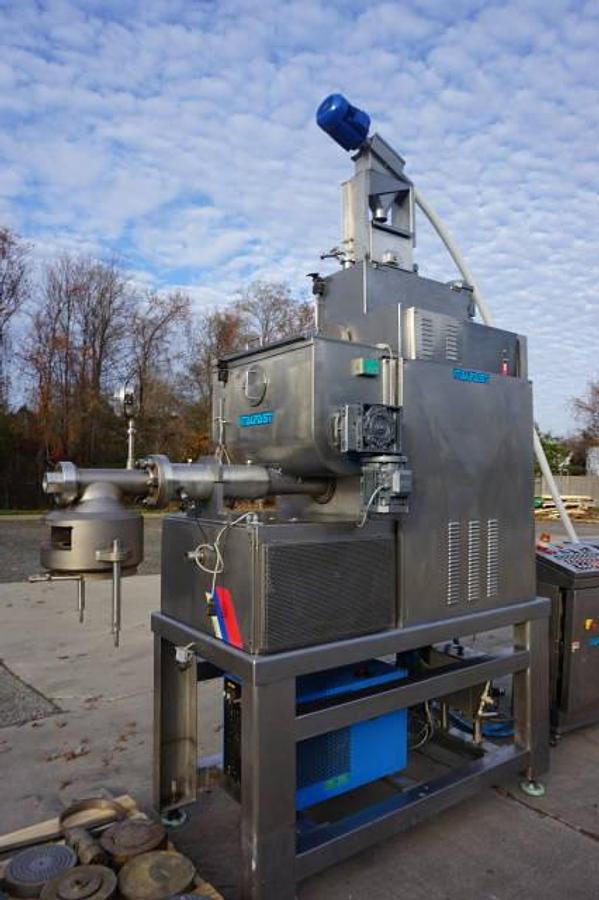
Ital Past is known for its pasta production equipment, serving the food manufacturing industry. They offer a range of machines that enhance the efficiency and quality of pasta production.
FAQ:
What types of pasta equipment does Ital Past manufacture?
Ital Past is an Italian manufacturer that produces a range of commercial-grade pasta making equipment for the food manufacturing industry. Their lineup typically includes pasta extruders, sheeting machines, ravioli machines, and complete pasta production lines. Two well-known models are the MAC-60 extruder, which produces approximately 105 pounds per hour, and the larger MAC 300 TV extruder, rated at 350 kilograms per hour. These machines are designed for pasta shops, restaurants, and small-to-medium food manufacturers that need consistent, high-output production.
The equipment is generally constructed with stainless steel and food-grade materials, which matters a great deal in commercial food production environments where hygiene standards are strictly enforced. Buyers looking at used Ital Past machines should pay close attention to the condition of the stainless steel surfaces, the extrusion barrel, and the die housing, as these components take the most wear over the life of the machine. A thorough inspection, either in person or via video, will reveal how well a specific unit was maintained during its working life.
What is the production capacity of Ital Past pasta extruders?
Ital Past extruders cover a fairly wide range of output capacities, making them suitable for different scales of commercial pasta production. The MAC-60 model is rated at roughly 105 pounds per hour, which fits well in a pasta shop, specialty food operation, or a restaurant producing pasta in-house at volume. The MAC 300 TV steps up considerably to 350 kilograms per hour, a throughput level more consistent with a mid-scale food manufacturing facility or a producer supplying wholesale accounts.
When evaluating a used Ital Past extruder, actual production capacity may differ somewhat from the manufacturer's rated specs depending on the age of the machine, the condition of the extrusion screw and barrel, and the pasta formulation being run. Dough hydration levels and the die configuration in use also affect real-world output. Buyers should ask the seller about the machine's recent production history and, if possible, arrange to see the equipment running or review documentation of its last operational use. This context helps set realistic expectations for what the machine will deliver after installation.
What pasta shapes can Ital Past machines produce?
One of the practical strengths of Ital Past extruders is their compatibility with interchangeable dies, which allows a single machine to produce a wide variety of pasta shapes. Common shapes include spaghetti, rigatoni, penne, fusilli, bucatini, linguine, and many regional specialty formats. The range of shapes achievable depends on which dies are available for the specific model, so buyers of used equipment should confirm which dies are included with the machine and whether additional dies are still obtainable for that model.
Dies for Ital Past machines are typically available in bronze or Teflon-coated versions. Bronze dies are favored by artisan and specialty producers because they impart a slightly rougher surface texture to the extruded pasta, which helps sauces cling more effectively. Teflon-coated dies produce a smoother surface and are easier to clean, making them a common choice in higher-volume operations focused on efficiency. When purchasing used equipment, it is worth clarifying the die material and inspecting them for wear, since bronze dies in particular can show significant erosion after extended use, which affects the shape definition of the finished pasta.
Is Ital Past equipment designed for commercial or home use?
Ital Past machines are built specifically for commercial and industrial pasta production. They are not home appliances. The construction, motor ratings, electrical requirements, and hourly output figures on models like the MAC-60 and MAC 300 TV place them firmly in the category of food manufacturing equipment intended for professional environments such as pasta production facilities, food processing plants, commercial kitchens, and specialty food manufacturers.
For anyone considering a used Ital Past machine, this commercial-grade design has practical implications. The machines typically require three-phase electrical power, dedicated floor space, and operators with some familiarity with extrusion equipment. Installation and startup should be planned carefully, and buyers should factor in any facility modifications needed to accommodate the machine's power and space requirements. That said, the commercial build quality also means these machines are engineered for durability and continuous-duty operation, which is a significant advantage for buyers who need reliable, high-output pasta production.
What should buyers know about purchasing used Ital Past pasta equipment?
Buying used pasta equipment requires more due diligence than purchasing from a manufacturer, because the machines are sold as-is and the buyer takes on the responsibility of verifying condition. For Ital Past extruders specifically, the key components to assess include the extrusion screw and barrel for wear, the condition of the dies, the drive motor, the mixing chamber, and all stainless steel food-contact surfaces. Reputable used equipment dealers who specialize in food processing machinery will typically accommodate in-person inspections or provide detailed video walkthroughs of the machine so buyers can evaluate its current state before committing.
It is also worth contacting Ital Past or their authorized service network directly to ask about parts availability and technical support for the specific model and approximate age of the machine you are considering. Older models may have limited parts availability, while more recent production runs may still have good manufacturer support. Understanding this before purchase helps buyers plan for ongoing maintenance and any repairs that may be needed after acquisition. Selecting a dealer with a long track record in food processing equipment adds an additional layer of confidence, since experienced dealers are more likely to accurately represent the condition of what they are selling.
Are replacement parts and dies available for used Ital Past machines?
Parts availability for used Ital Past equipment varies depending on the model and how long ago it was manufactured. For relatively recent models, Ital Past or their authorized distributors may still stock common wear parts such as extrusion screws, barrel liners, seals, and dies. For older machines that have been out of production for many years, sourcing manufacturer parts can be more difficult, and buyers may need to work with third-party machining shops to fabricate certain components.
Dies are a particularly important consideration for used pasta extruders. A machine that comes with a full set of dies in good condition has significantly more immediate value than one sold with worn or missing dies, since sourcing the correct die profile for a specific model can be time-consuming and costly. Buyers should ask sellers exactly which dies are included, inspect them for erosion or damage, and verify whether additional dies for that machine are still available through the manufacturer or aftermarket suppliers. Consulting directly with Ital Past before purchasing used equipment is a practical step that can clarify what level of ongoing support to expect for a particular model.
What are the electrical and power requirements for Ital Past pasta extruders?
Commercial pasta extruders from Ital Past are designed to operate on industrial electrical systems, which in most cases means three-phase power. The specific voltage and amperage requirements vary by model. Smaller units like the MAC-60 will have lower power demands than larger production machines like the MAC 300 TV, which runs at a substantially higher throughput and requires a correspondingly more powerful drive system. Buyers should always request the full technical specifications sheet for any used machine they are evaluating, as these documents will list the exact voltage, phase, frequency, and motor horsepower ratings.
For buyers in North America, it is important to verify whether a used Ital Past machine was configured for European voltage standards (typically 380-400V, 50Hz) or has already been adapted for North American three-phase power (208-230V or 460V, 60Hz). Running a machine on incorrect voltage or frequency without proper conversion can damage motors and control systems. An electrician or equipment technician familiar with food processing machinery should review the electrical configuration before installation. Some used equipment dealers can assist with voltage conversion or connect buyers with qualified technicians who handle this type of adaptation.
How should used Ital Past pasta equipment be inspected before purchase?
A thorough pre-purchase inspection is one of the most important steps when buying any used pasta equipment. For Ital Past extruders, buyers should look closely at the extrusion screw and barrel for signs of excessive wear, scoring, or corrosion, since these are the highest-wear components and the most expensive to replace. The condition of the dies, the mixing chamber, all food-contact stainless steel surfaces, the motor and drive system, and the electrical controls should all be reviewed. Any visible damage, improvised repairs, or signs of heavy use without proper maintenance are worth noting.
Reputable used equipment dealers will typically offer in-person inspections at their facility, or provide video inspections and detailed photo documentation for remote buyers. In some cases, a machine may still be installed at the facility where it was last used, and the dealer can arrange access for an inspection there. Keep in mind that most used equipment dealers are not set up to run full production tests, since that requires food-grade facility permitting beyond what a machinery dealer typically holds. The goal of the inspection is to verify the mechanical and physical condition of the machine, not to run a full pasta production trial. Buyers who want additional assurance can hire an independent equipment technician to accompany them or review inspection materials on their behalf.
What does it typically cost to ship used pasta manufacturing equipment?
Shipping costs for used pasta equipment like Ital Past extruders depend on several factors, including the size and weight of the machine, the distance being shipped, and the level of packaging or crating required to protect the equipment in transit. Smaller machines such as the MAC-60 extruder can often be shipped on a standard pallet with appropriate blocking and bracing, while larger units like the MAC 300 TV may require custom wooden crating to prevent damage. The cost of that crating is typically passed on to the buyer and should be factored into the total landed cost of the equipment.
For heavy machines, rigging services are often needed at both the origin and destination points. This means a forklift or crane is used to load the machine onto the freight carrier and unload it at the buyer's facility. Rigging is an added cost that varies based on the weight of the machine and local labor rates. Buyers should ask sellers for a detailed breakdown of packaging, rigging, and freight costs before finalizing a purchase, so there are no surprises when the invoice arrives. Most used equipment dealers require full payment before a machine is released for shipping.
How does used Ital Past equipment compare to buying a brand-new pasta extruder?
The most immediate advantage of purchasing a used Ital Past pasta extruder is cost. Commercial pasta production equipment carries a significant price tag when purchased directly from a manufacturer, and used machines are typically available at a substantial discount relative to that price point. For a food business that needs production capacity without the capital outlay of new equipment, a well-maintained used extruder can deliver the same core functionality at a fraction of the cost. Ital Past machines have a reputation for solid construction, which means a properly maintained unit can continue to perform reliably for many years after its initial production run.
The trade-offs are real, though, and buyers should go in with clear expectations. Used machines are sold as-is, without the manufacturer support package that comes with a new purchase. Parts availability may be more limited depending on the model's age, and any wear or mechanical issues are the buyer's responsibility to address after the sale. This is why the inspection process and dealer selection matter so much. Choosing a used equipment dealer who specializes in food processing machinery, has a verifiable history in the industry, and is willing to provide thorough inspection access reduces the risk considerably. The combination of lower acquisition cost and Ital Past's commercial-grade build quality makes used machines from this manufacturer a practical option for buyers who do their homework.