Category
Manufacturer
Model
Interpack
FAQ:
What types of Interpack equipment are available on the used market?
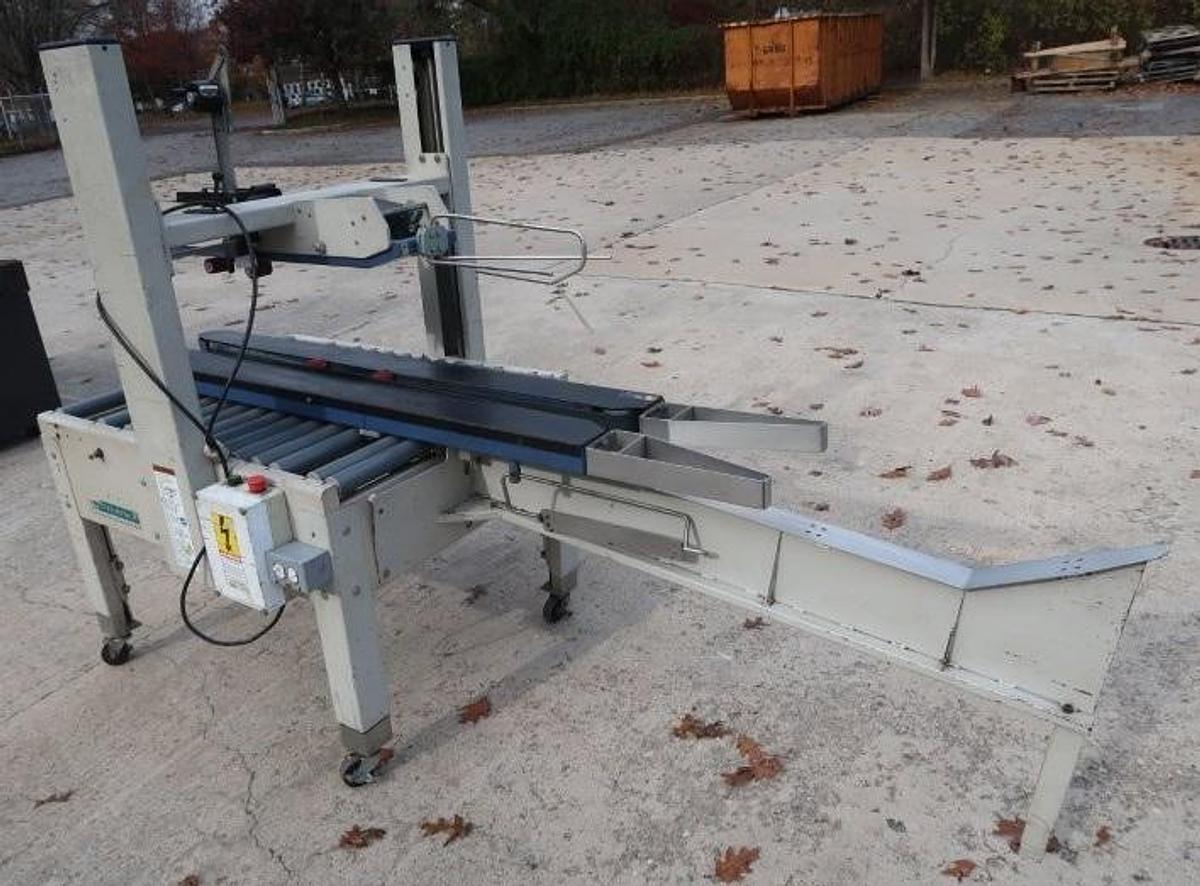
Interpack is a brand that produces packaging machinery, with used models including top-only case tapers and portable case taping equipment. The top-only case taper is a common format in secondary packaging lines, designed to apply tape to the top flaps of corrugated cases before they move downstream for palletizing or shipping. Portable models are particularly useful for facilities that need to move the machine between packing stations or reconfigure their line layout without major downtime.
Beyond case tapers, the broader category of used packaging equipment available through reputable dealers covers a wide range of machine types, including flow wrappers, thermoformers, cartoners, case packers, filling machines, labeling systems, and palletizers. Buyers looking for Interpack-branded machines specifically should confirm the exact model and configuration with the dealer before purchasing, since used inventory turns over quickly and availability varies. Checking with a dealer who specializes in packaging machinery is the most reliable way to find current stock.
What industries typically use Interpack case taping equipment?
Case taping equipment from Interpack is used across a broad range of industries where corrugated cases are a standard shipping format. Food and beverage, consumer goods, pharmaceutical distribution, e-commerce fulfillment, and industrial parts packaging are among the most common applications. Any operation that seals a high volume of cases on a regular basis can benefit from a dedicated case taper, since manual taping is slower, less consistent, and more labor-intensive than automated or semi-automated equipment.
Portable case tapers, in particular, are well suited for smaller operations or facilities with variable production volumes. They can be repositioned easily without tools or significant setup time, making them a practical choice for contract packagers, seasonal operations, or businesses that pack multiple product lines at different stations. The top-only taper format is especially common in lines where the bottom of the case is pre-glued or sealed by a different machine, allowing the top taper to focus solely on closing the final flap before the case exits the line.
Does used Interpack equipment come with a warranty?
Used packaging equipment, including Interpack machines, is typically sold on an as-is basis by equipment dealers. Warranties in the traditional sense are generally only offered by original manufacturers on brand-new machines. When buying used, the responsibility for assessing condition falls on the buyer, which is why selecting a reputable dealer with a long track record in the packaging machinery space matters so much. A dealer who specializes in packaging equipment will have more relevant knowledge about the machines they sell and will be better positioned to give you an accurate picture of condition and history.
Buyers should also contact Interpack or the relevant manufacturer directly to understand what level of technical support, parts availability, and service documentation they can expect for a specific model and age of machine. Older models may have limited parts availability, while more recent machines may still be supported through the manufacturer's service network. Getting clarity on this before purchasing helps avoid surprises down the road and factors into the true cost of ownership.
How do I inspect a used Interpack machine before buying?
Reputable used equipment dealers typically offer several inspection options: in-person visits to the dealer's facility, virtual walkthroughs via video call, or pre-recorded video footage of the machine. For Interpack equipment that is still installed at a production facility awaiting decommissioning, dealers can often coordinate a visit to the actual plant so buyers can see the machine running under real conditions. This is one of the most valuable inspection scenarios because it gives the clearest picture of how the machine performs.
Keep in mind that most equipment dealers are not set up to run full production tests with actual product, since operating a production line requires permits and infrastructure that a resale facility typically does not have. The goal of any inspection is to get an accurate, honest assessment of the machine's mechanical condition, the state of wear components, and any visible damage or missing parts. Buyers should prepare a checklist of specific questions and ask for detailed photos of critical areas like the taping head, drive components, frame condition, and any electronic controls before committing to a purchase.
What is the typical price range for used Interpack packaging equipment?
Pricing for used packaging equipment varies considerably based on the type of machine, its age, condition, configuration, and how much demand exists for that particular model. A portable top-only case taper is generally one of the more affordable categories of packaging machinery, since it is a relatively straightforward piece of equipment compared to multi-lane flow wrappers or fully automated cartoning lines. Buyers can expect prices to reflect factors like hours of use, whether the machine has been refurbished, and the current availability of comparable models on the market.
To get an accurate sense of current market pricing for a specific Interpack model, the best approach is to contact a dealer directly and ask for a quote based on the machine's documented condition. It is also worth factoring in the full landed cost of the equipment, which includes the purchase price plus shipping, rigging, any required installation work, and the cost of spare parts or consumables needed to get the machine running. Focusing only on the sticker price without accounting for these additional costs can lead to budget surprises after the purchase is complete.
What should I know about shipping and rigging costs for used Interpack equipment?
Shipping costs for used packaging machinery depend on the size and weight of the equipment, the distance it needs to travel, and the level of packaging or crating required to protect it in transit. Smaller portable machines like a top-only case taper are generally less expensive to ship than large automated systems, but they still need to be properly secured on a pallet or in a crate to prevent damage. Dealers will typically offer different levels of packaging, and the cost will vary accordingly. Buyers should ask specifically what packaging is included in the quoted price and what additional protection might be recommended for longer hauls or international shipments.
For heavier or larger machines, rigging costs for loading at the origin and unloading at the destination can add a meaningful amount to the total. Rigging involves specialized equipment and trained personnel to safely move heavy machinery, and it is not something that should be skipped to save money. Before finalizing a purchase, ask the dealer for a complete breakdown of all shipping-related costs so you can calculate the true landed cost of the equipment at your facility. Some dealers can coordinate freight and rigging on behalf of the buyer, which simplifies the logistics considerably.
What payment terms are typical when buying used packaging equipment?
Most used equipment dealers require full payment before the machine is released for shipping. This is standard practice in the industry and reflects the fact that used machinery transactions do not carry the same financing structures as purchasing from a manufacturer. Buyers who are new to a dealer should expect to pay in full upfront, typically via wire transfer or another agreed-upon method. Some dealers extend payment terms to repeat customers with an established purchasing history, but this is not the norm for first-time transactions.
Because full payment is usually required before shipping, buyers have a strong incentive to complete a thorough inspection before sending funds. Taking advantage of in-person or video inspection options, reviewing any available service records, and asking detailed questions about the machine's condition are all steps that protect the buyer's investment. If a dealer is unwilling to provide inspection access or detailed condition information before payment, that is worth treating as a red flag when evaluating whether to proceed.
Are spare parts and technical support available for used Interpack machines?
Parts availability for used packaging equipment depends heavily on the age of the machine and whether the manufacturer still supports that model. For Interpack equipment, contacting the manufacturer directly is the most reliable way to find out what replacement parts, consumables, and technical documentation are currently available. Some older models may have limited factory support, while machines that are only a few years old are more likely to have readily available parts and access to service manuals.
In addition to the manufacturer, third-party parts suppliers and independent service technicians who specialize in packaging machinery can often source components for machines that are no longer actively supported. It is a good idea to identify these resources before purchasing, particularly for critical wear items like taping heads, belts, rollers, and drive components. Knowing that parts are accessible, and having a rough sense of their cost, helps you make a more informed decision about whether a specific used machine is a sound long-term investment for your operation.
How do I evaluate whether a used case taper is the right fit for my packaging line?
The key factors to assess are case size range, tape width compatibility, line speed requirements, and how the machine will integrate with the rest of your packaging workflow. A top-only case taper handles the final sealing step after the case has been loaded and the bottom is already closed, so it needs to be positioned correctly in the line sequence. Portable models offer more flexibility in placement, which is useful if your line layout changes seasonally or if you pack cases at multiple locations within a facility.
Beyond the technical specs, consider the volume of cases you seal per shift and whether a semi-automatic or fully automatic machine better matches your throughput needs. For lower volumes or variable case sizes, a portable semi-automatic taper is often the most practical and cost-effective choice. For high-speed lines with consistent case dimensions, a fixed inline taper integrated into a conveyor system may be more appropriate. Talking through your production requirements with a knowledgeable equipment dealer before purchasing can help you avoid buying a machine that is either underpowered or overbuilt for your actual needs.
What should buyers look for when choosing a used packaging equipment dealer?
Experience and specialization matter more than almost anything else when selecting a dealer for used packaging machinery. A dealer who has been in the industry for many years and focuses specifically on packaging equipment will have a much deeper understanding of the machines they sell compared to a general industrial surplus reseller. They are more likely to accurately represent condition, know what wear items to flag, and be able to answer technical questions about specific models. Checking a dealer's history, looking for references or reviews from past buyers, and asking how long they have been operating are all reasonable steps before committing to a purchase.
Transparency around inspection access is another strong indicator of a dealer's credibility. Dealers who readily offer in-person visits, video walkthroughs, or detailed photo documentation are demonstrating confidence in the condition of their inventory. Dealers who are reluctant to provide inspection access or who cannot answer basic questions about a machine's history and current condition should be approached with caution. Taking the time to vet a dealer carefully upfront is one of the most effective ways to reduce risk in a used equipment purchase.