Category
Manufacturer
Model
Industries Dacier
Industries Dacier focuses on manufacturing equipment for the food industry, particularly in processing and packaging. They are known for their innovative solutions that improve food safety and extend shelf life.
FAQ:
What types of equipment does Industries Dacier manufacture?
Industries Dacier is a Quebec-based Canadian manufacturer with a product line that spans two distinct market segments. On one side, they are well known in the commercial vehicle and work truck market for producing aluminum and steel service bodies, platform bodies, dump bodies, and specialized truck upfitting solutions. Their truck body equipment is widely used by utility companies, municipalities, and contractors across Canada and parts of the United States, with aluminum construction being a notable feature because it reduces vehicle weight, improves payload capacity, and resists corrosion better than comparable steel alternatives.
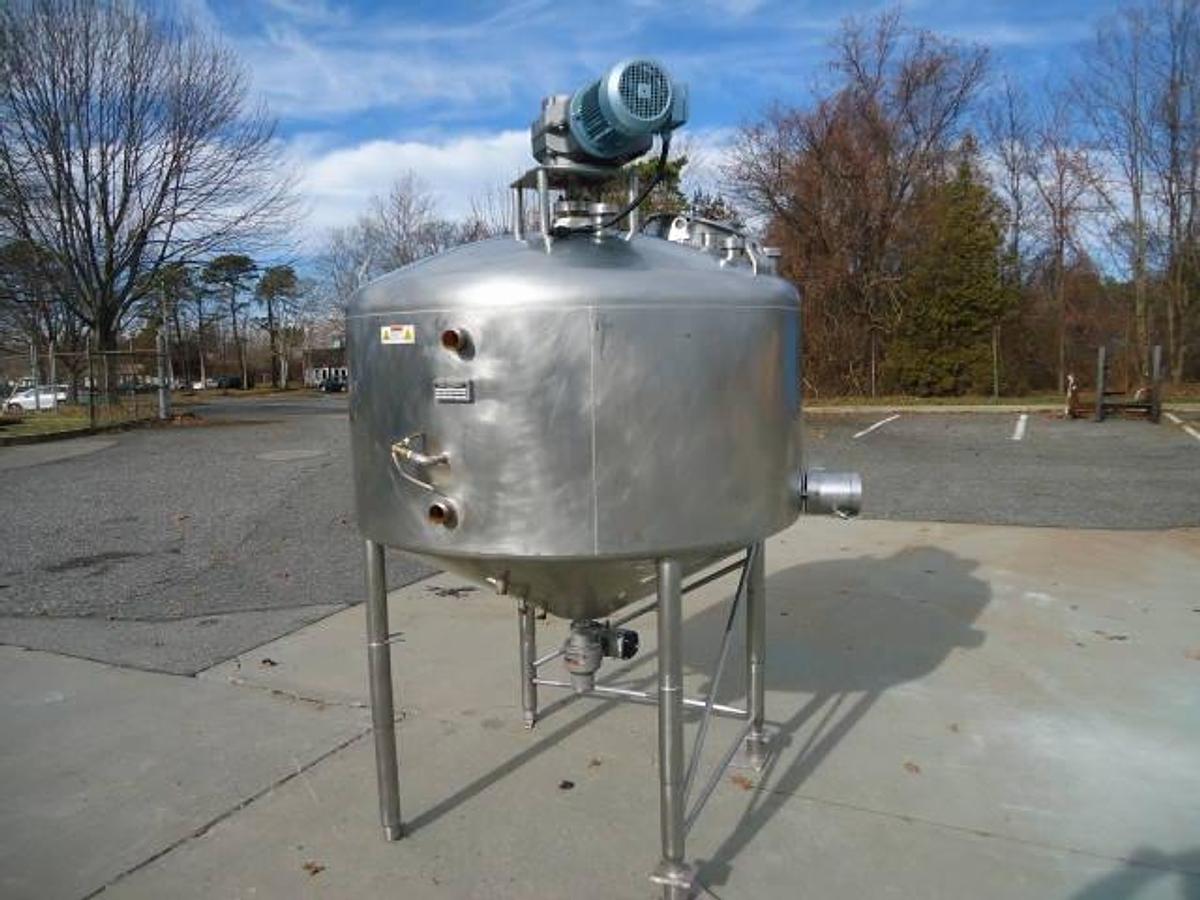
On the food processing side, Industries Dacier produces equipment designed specifically for food manufacturing environments, including agitated vessels, jacketed processing tanks, and related machinery built to meet the demands of food safety and extended shelf life requirements. A representative example of this product line is their scraper agitated cone jacketed vessel, which is used in processing applications where precise temperature control and product agitation are critical. Buyers searching for used Industries Dacier equipment will encounter both categories depending on the source, so it helps to clarify which segment of their manufacturing output is relevant to your operation before beginning a search.
What is a scraper agitated cone jacketed vessel and what is it used for?
A scraper agitated cone jacketed vessel is a type of industrial processing tank commonly used in food manufacturing and related industries. The vessel consists of an insulated or jacketed outer wall that allows a heating or cooling medium, typically water or steam, to circulate around the product chamber. This jacket gives operators precise control over the temperature of whatever material is being processed inside. The cone-shaped bottom facilitates complete drainage and product discharge, which is important in food processing environments where sanitation and minimizing product waste are priorities.
The scraper agitator is an internal mechanical component that continuously moves product away from the vessel walls during processing. This serves two purposes: it prevents product from sticking or scorching on the heated surfaces, and it promotes uniform heat transfer throughout the batch. These vessels are commonly used for cooking, mixing, cooling, or blending viscous products such as sauces, dairy products, confections, and similar food items. A 400-gallon capacity vessel, for instance, is suited for mid-scale production runs where batch consistency is critical. Used scraper agitated cone jacketed vessels from manufacturers like Industries Dacier are a practical option for food processors looking to expand capacity without the lead times and costs associated with purchasing this type of equipment through other channels.
What should buyers know about purchasing used Industries Dacier food processing equipment?
Buying used food processing equipment requires a different level of due diligence than purchasing general industrial machinery. Food-grade vessels and processing tanks like those produced by Industries Dacier are built to specific sanitary standards, and buyers should assess the condition of internal surfaces, welds, seals, and any agitator components carefully before committing to a purchase. Surface finish, the integrity of the jacket connections, and the working condition of any drives or motors are all details worth examining closely. Age and maintenance history can vary significantly from one machine to the next, which is why a thorough inspection is essential.
Reputable used equipment dealers will typically accommodate in-person inspections, virtual walkthroughs, or video captures of the machine so buyers can evaluate its current condition accurately. Some equipment may still be installed and operational at a facility, which can allow for a more complete assessment of how the machine has been maintained. Keep in mind that most dealers do not have the permitting or infrastructure to run full production tests, so buyers should focus their inspection on mechanical condition, cleanliness, and the integrity of key components. Consulting with the manufacturer directly is also worth considering, as Industries Dacier can often provide guidance on parts availability and service support for specific models, which varies based on the age of the equipment.
What is the typical price range for used Industries Dacier processing vessels?
Pricing for used food processing vessels like those made by Industries Dacier depends on several factors: vessel capacity, the complexity of the agitation and jacket system, overall condition, age, and current market demand for similar equipment. A 400-gallon scraper agitated cone jacketed vessel in good working condition can represent significant value compared to the cost of acquiring similar equipment through other channels, particularly given the long service life of well-maintained stainless steel processing tanks.
Because used equipment pricing is highly situational, buyers are best served by contacting dealers directly to get current asking prices and to understand what, if anything, is included in the sale, such as drives, controls, or ancillary components. It is also worth factoring in the full landed cost of the equipment, which includes rigging, packaging, freight, and any installation costs at the destination facility. A machine listed at an attractive price can become considerably more expensive once shipping and handling are accounted for, especially for larger, heavier vessels that require specialized rigging equipment for loading and unloading.
How does aluminum construction benefit Industries Dacier truck body equipment?
Aluminum is a central material in many Industries Dacier truck body and service body products, and it offers practical advantages over steel in commercial vehicle applications. The most immediate benefit is weight reduction. An aluminum service body or platform body can weigh substantially less than a comparable steel unit, which translates directly into improved payload capacity. For utility companies, municipalities, and contractors that operate fleets subject to weight regulations, this difference can affect how much equipment or material a vehicle can legally carry on a given job.
Corrosion resistance is the other major factor. Work trucks operating in municipalities that use road salt, or in coastal environments, are exposed to conditions that accelerate rust and structural degradation in steel bodies. Aluminum does not rust in the same way, which extends the service life of the body and reduces long-term maintenance costs. For buyers considering used Industries Dacier aluminum truck bodies or service bodies, these properties mean that a well-maintained aluminum unit can retain its structural integrity and functionality for many years, making the used market a viable option for fleet operators looking to control capital expenditures.
What industries and applications are Industries Dacier truck bodies and service bodies best suited for?
Industries Dacier truck bodies are primarily designed for demanding commercial and municipal work environments. Their service bodies, platform bodies, and dump bodies are commonly specified by utility companies that need organized, durable tool and equipment storage on work trucks. Municipalities use similar configurations for public works fleets, maintenance crews, and parks departments. General contractors, electricians, plumbers, and other trades also rely on service bodies to keep tools and materials organized and accessible on job sites.
Dump bodies from Industries Dacier are suited for landscaping, construction, and material hauling applications where the ability to unload bulk material quickly is important. Specialized upfitting configurations can accommodate aerial lift units, compressors, and other equipment that trades and utility operators commonly mount to their vehicles. The common thread across all these applications is that the equipment is expected to perform reliably under daily working conditions, often in harsh weather or environments where corrosion and physical wear are ongoing concerns. Used Industries Dacier truck bodies sourced through reputable dealers can be a cost-effective way for fleet operators to equip additional vehicles without the lead times that come with ordering custom-configured units.
How should buyers inspect used food processing equipment before purchasing?
A thorough inspection of used food processing equipment like jacketed vessels or agitated tanks should cover both mechanical and sanitary considerations. On the mechanical side, buyers should examine the condition of the agitator drive, shaft seals, and any gearbox or motor components. Jacket connections, valves, and fittings should be checked for leaks or signs of past repairs. The vessel's structural integrity, including welds and support legs, is worth evaluating carefully, especially for tanks that have been in continuous service for many years.
From a sanitary standpoint, the condition of interior surfaces matters considerably in food processing applications. Scratches, pitting, or compromised welds on product-contact surfaces can create areas where bacteria harbor, which may require remediation before the vessel can be put back into food-grade service. Buyers should request as much documentation as possible about the machine's service history, and if an in-person inspection is feasible, it is generally the most reliable way to assess actual condition. Dealers who specialize in food processing equipment will typically facilitate in-person or video inspections, and some machines may still be installed at the seller's facility where the equipment can be viewed in context. Consulting with the manufacturer about the specific model can also clarify what parts and service support remain available.
What are the typical shipping and rigging considerations for used industrial processing vessels?
Shipping a large processing vessel like a 400-gallon jacketed tank involves logistical considerations that go well beyond standard freight. These machines are heavy, often awkwardly shaped, and require careful handling to avoid damage to internal components, jacket connections, and exterior surfaces during transit. Proper packaging, which may include custom crating or heavy-duty palletization, is essential and will add to the overall cost of the transaction. Buyers should ask dealers specifically about what packaging is included in the quoted price and what additional preparation may be required.
Rigging is another cost that buyers need to account for on both ends of the shipment. Loading a large vessel onto a flatbed or freight carrier at the seller's location and unloading it at the destination facility typically requires a forklift or crane, and in some cases a specialized rigging crew. The cost of this work varies based on the size and weight of the equipment, the accessibility of the loading and unloading areas, and local labor rates. Getting a clear picture of the full landed cost, including freight, rigging, and any applicable fuel surcharges, before agreeing to a purchase price is important for accurate budgeting and avoiding unexpected expenses after the sale is completed.
What payment terms do used equipment dealers typically require?
Used equipment dealers generally require full payment before a machine is shipped or released to a buyer. This is standard practice across the industry and reflects the nature of the used equipment market, where machines are often one-of-a-kind items that cannot easily be resold to another buyer if a transaction falls through mid-process. Wire transfer is the most common payment method for transactions of any significant size, though dealers may accept other forms depending on the circumstances.
Some dealers extend payment terms to established customers with a track record of repeat business, but buyers approaching a dealer for the first time should expect to pay in full upfront. For buyers who require financing, equipment financing through third-party lenders is an option worth exploring independently, as not all dealers offer in-house financing arrangements. Before finalizing any purchase, buyers should confirm payment requirements, understand what documentation will be provided upon payment, and clarify the timeline between payment and equipment release or shipment so there are no misunderstandings once funds have been transferred.
Are replacement parts readily available for Industries Dacier equipment?
Parts availability for used Industries Dacier equipment depends on the specific model, its age, and which segment of the company's product line it belongs to. For truck body and service body equipment, wear components like latches, hinges, mounting hardware, and body panels are often available through the manufacturer or authorized distributors, particularly for models that are still in current or recent production. Older or discontinued configurations may require more effort to source, and in some cases fabrication of custom components becomes necessary.
For food processing equipment like jacketed vessels, parts such as agitator seals, drive components, and valve assemblies may be sourced either through the manufacturer or through suppliers who specialize in food processing equipment components. Before purchasing any used machine, it is worth contacting Industries Dacier directly to ask about the availability of parts and service support for the specific model under consideration. The manufacturer can typically advise on what is stocked, what can be ordered, and what may be obsolete. This conversation is an important step in understanding the long-term serviceability of a used machine and should be part of any buyer's pre-purchase research.