Category
Manufacturer
Model
In-Line Packaging Systems
In-Line Packaging Systems specializes in providing packaging solutions for the food and beverage industry. Their expertise lies in designing inline filling and packaging systems that streamline operations and improve productivity.
FAQ:
What types of packaging machines are available in the used equipment market?
The used packaging machinery market covers a wide range of equipment types, including filling machines, labeling machines, capping and sealing machines, cartoning systems, shrink wrappers, pouch fillers, blister pack machines, and fully integrated in-line packaging systems. Each category serves a different function in the packaging process, and buyers often seek specific models based on their production requirements, container types, and throughput targets. In-line systems, in particular, are designed to link multiple packaging functions together on a single production line, reducing manual handling between stations.
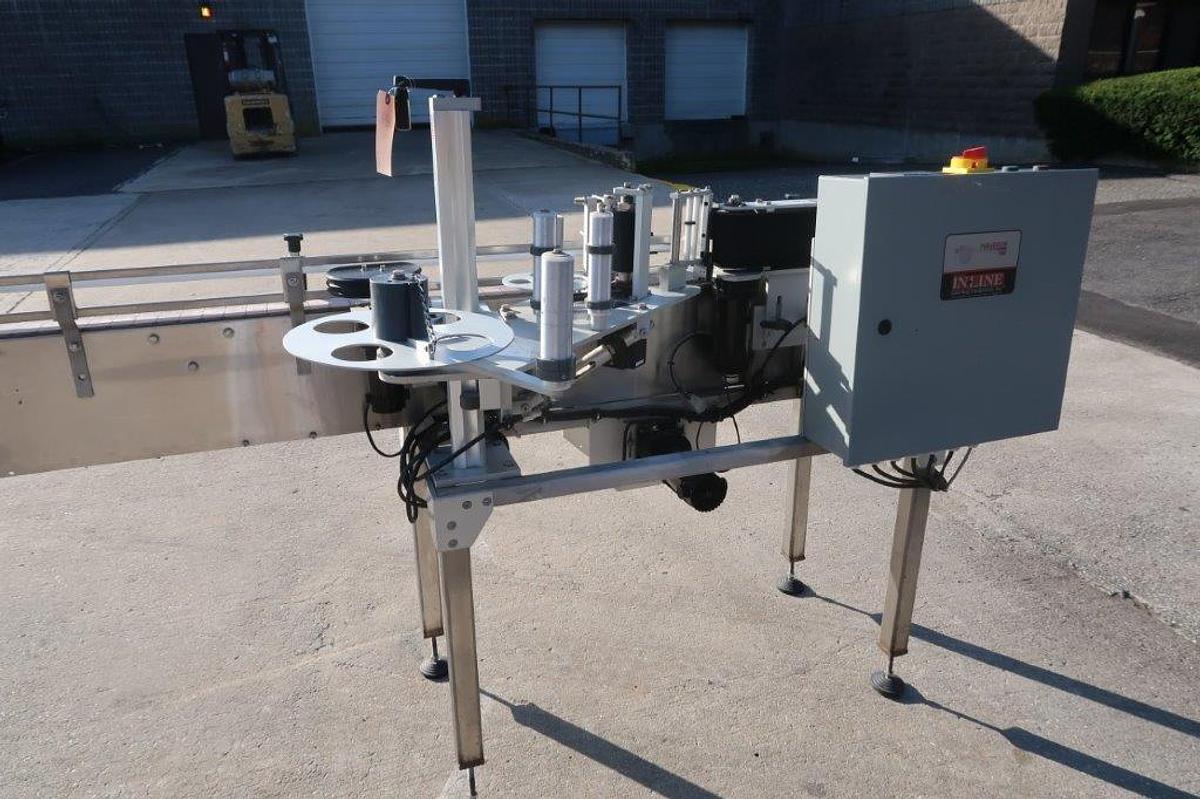
Within these categories, machines are available in semi-automatic and fully automatic configurations. Semi-automatic models typically require an operator to load or position products, while fully automatic systems handle product flow, filling, labeling, and sealing with minimal human intervention. Specific models like the In-Line Packaging Systems Paradigm 700, a stainless steel automatic spot and wraparound labeling machine, represent the kind of specialized equipment commonly found in the used market. Buyers searching for used packaging machinery should identify the specific function they need, the production speeds required, and the materials or container formats their operation uses before evaluating available inventory.
What certifications are typically required for packaging machines used in food and beverage production?
Packaging machines used in food and beverage environments are generally expected to meet several regulatory and safety standards. In the United States, equipment that contacts or handles food products is often evaluated against FDA food contact material guidelines, and machines may carry NSF certification for sanitary design. CE marking is required for equipment sold or operated in European markets, indicating compliance with EU machinery safety directives. UL or ETL listings address electrical safety standards applicable in North American facilities. Stainless steel construction, particularly 304 or 316 grade, is a common design requirement for food-grade machines because it resists corrosion and is easier to clean and sanitize.
When purchasing used packaging machinery, buyers should verify whether the machine was originally built to meet the relevant certifications for their intended application. A used machine may have been certified at the time of manufacture, but buyers should confirm that no modifications were made that could affect compliance. Consulting with the equipment manufacturer directly is advisable, as they can clarify the certification status of specific models and serial number ranges. Facilities subject to FSMA regulations, third-party food safety audits, or industry-specific standards such as those from PMMI or PACK EXPO guidelines should involve their quality and compliance teams in the equipment selection process before finalizing a purchase.
What industries most commonly use in-line packaging systems?
In-line packaging systems are used across a broad range of industries, but the food and beverage sector represents one of the largest and most consistent user bases. Beverage bottling, sauce and condiment filling, dairy packaging, snack food cartoning, and bakery product wrapping all rely heavily on in-line configurations to maintain throughput and hygiene standards. Pharmaceutical manufacturers use in-line systems for blister packing, bottle filling, and labeling of medications, where precision and traceability are critical. Cosmetics and personal care brands use them for filling lotions, shampoos, and other liquid or semi-liquid products into bottles and tubes.
Beyond these sectors, consumer goods manufacturers, electronics companies packaging components, and industrial product producers all incorporate in-line packaging equipment into their operations. The appeal across industries comes down to efficiency: in-line systems connect individual packaging steps into a continuous flow, which reduces labor costs, minimizes product handling, and improves consistency. Companies sourcing used in-line packaging equipment should look for machines that were previously operated in a similar industry, as this often means the equipment was configured and maintained to meet comparable production and sanitation standards.
How fast can in-line packaging systems process products?
Processing speeds for in-line packaging systems vary considerably depending on the machine type, configuration, and the product being packaged. Entry-level or semi-automatic systems may process anywhere from 10 to 60 containers per minute, which suits smaller production runs or operations transitioning away from fully manual packaging. Mid-range automatic systems commonly achieve speeds between 60 and 200 units per minute. High-speed fully automated lines designed for large-scale beverage, pharmaceutical, or consumer goods production can exceed 400 to 600 units per minute, with some specialized systems running even faster under optimal conditions.
When evaluating used in-line packaging machinery, buyers should look closely at the rated speed listed in the machine's specifications and compare it against the actual production demands of their facility. It is worth noting that used machines may have experienced wear on components like conveyors, servo motors, or filling nozzles that can affect sustained throughput. Conducting a thorough inspection, either in person or via video, before purchase helps buyers assess whether the machine is likely to perform at or near its rated capacity. Consulting with the manufacturer about the specific model's performance history and available replacement parts can also help set realistic throughput expectations.
What is the typical cost range for used in-line packaging system machines?
Used in-line packaging systems span a wide price range depending on the machine type, age, brand, level of automation, and overall condition. Entry-level semi-automatic models can be found in the range of $5,000 to $20,000, making them accessible for smaller operations or businesses just beginning to automate their packaging processes. Mid-range automatic systems with PLC controls and servo-driven mechanisms typically fall between $20,000 and $150,000 in the used market. High-speed, fully integrated systems from well-regarded manufacturers can command prices from $150,000 to well over $300,000 depending on configuration and condition.
Buyers should factor in more than just the purchase price when budgeting for used packaging equipment. Rigging, crating, freight, and any required installation or reconditioning work can add meaningfully to the total landed cost. Older machines may also require replacement parts or control system updates before they are production-ready, which adds to the overall investment. Requesting a detailed condition report and asking the dealer about the machine's service history, available spare parts, and any known issues before committing to a purchase will help buyers avoid unexpected costs after the equipment arrives.
Can used in-line packaging systems be integrated with existing production lines?
Used in-line packaging systems can often be integrated into existing production environments, but the compatibility of a specific machine depends on several factors including conveyor height, product dimensions, line speed, and the upstream and downstream equipment already in place. Many in-line packaging machines were designed with adjustable conveyor widths, variable speed drives, and modular configurations that make them adaptable to different production setups. Machines with PLC controls and standard communication protocols are generally easier to connect to existing automation infrastructure than older relay-based systems.
Before purchasing a used in-line packaging machine for integration purposes, buyers should document the specifications of their current line, including conveyor dimensions, product flow direction, electrical supply requirements, and available floor space. Sharing this information with the equipment dealer allows for a more accurate assessment of compatibility. In some cases, minor mechanical adjustments or control modifications may be needed to make the machine work within an existing line. Engaging a packaging systems integrator or the machine's manufacturer to review the planned installation can help identify potential issues before the equipment is shipped and installed.
What should buyers inspect when evaluating a used in-line packaging machine?
A thorough inspection of a used in-line packaging machine should cover both the mechanical and electrical systems. On the mechanical side, buyers should look at the condition of conveyor belts, drive chains, bearings, and any filling or sealing components for signs of excessive wear, corrosion, or damage. Stainless steel surfaces should be examined for pitting or cracks that could harbor bacteria in food-grade applications. The frame and structural components should be checked for straightness and integrity, particularly if the machine was previously moved or relocated multiple times.
On the electrical and controls side, buyers should verify that the PLC, HMI touchscreen, and any servo drives or sensors are functional and that software or program backups are available. Asking whether the machine was recently in production or has been in storage is important, since machines that have sat idle for extended periods may require additional servicing before they run reliably. Most reputable used equipment dealers will accommodate in-person inspections at their facility or at the plant where the equipment is currently located, and many also offer video inspections or recorded walkthroughs for buyers who cannot travel. Taking advantage of these inspection options is one of the most effective ways to assess the true condition of a machine before purchase.
What are the space and floor plan requirements for an in-line packaging system?
Floor space requirements for in-line packaging systems depend heavily on the machine's footprint, the length of the conveyor sections involved, and how the system connects to upstream and downstream equipment. A standalone labeling machine like the In-Line Packaging Systems Paradigm 700 may require only a few feet of linear floor space, while a fully integrated filling, capping, and labeling line can stretch 20 to 60 feet or more in length. Buyers should also account for operator access space on either side of the machine, typically a minimum of 36 inches, as well as clearance for maintenance access at the rear and ends of the line.
Beyond the machine's physical dimensions, buyers need to consider ceiling height for any overhead components, the location of electrical panels and utility connections, and floor load ratings for heavier systems. In food and beverage facilities, drainage and washdown access may also influence where a machine can be positioned. Before a used in-line packaging system is shipped, buyers should create a scaled floor plan that includes the machine's dimensions, service access zones, and connections to existing conveyors or equipment. This planning step helps avoid costly repositioning or facility modifications after the equipment has already arrived.
What maintenance does an in-line packaging system require?
Routine maintenance on in-line packaging systems generally includes lubrication of drive chains, bearings, and moving components on a scheduled basis, inspection and replacement of wear parts such as conveyor belts, timing belts, and sealing elements, and cleaning of product contact surfaces to prevent buildup or contamination. Machines used in food and beverage applications typically require more frequent and thorough cleaning protocols, including washdown procedures that must be compatible with the machine's construction materials and electrical enclosure ratings. Filters on pneumatic systems should be checked and replaced regularly, and compressed air fittings should be inspected for leaks.
For used machines specifically, buyers should request any available maintenance logs or service records from the dealer, as this history can reveal whether the machine was well-maintained during its prior service life. After acquiring a used in-line packaging system, it is advisable to perform a baseline inspection and replace any components that show wear before putting the machine into regular production. Contacting the manufacturer for a current parts list and recommended maintenance schedule for the specific model is also a practical step, as availability of replacement parts can vary based on the age and production status of the model in question.
How does buying a used in-line packaging machine differ from buying a new one?
Purchasing a used in-line packaging machine involves a different set of considerations compared to buying directly from a manufacturer. Used machines are typically sold as-is, meaning the buyer assumes responsibility for verifying the condition and suitability of the equipment before completing the purchase. There is no manufacturer production lead time, which can be an advantage for operations that need equipment quickly, and the purchase price is generally significantly lower than the cost of a comparable machine built to current specifications. However, buyers must invest more effort upfront in inspection and due diligence to understand what they are getting.
One of the most important factors in buying used packaging equipment is selecting a dealer with a strong track record in the packaging industry. Experienced dealers who specialize in packaging machinery are more likely to have accurate knowledge of the equipment they sell, provide reliable condition information, and facilitate proper inspections. Buyers should also contact the machine's manufacturer directly to understand what level of technical support, documentation, and spare parts are available for the specific model and age of equipment being considered. Older or discontinued models may have limited parts availability, which is a meaningful factor in the long-term cost of ownership for any used machine.