Category
Manufacturer
Model
Ilapak
Ilapak specializes in providing flexible packaging solutions for various industries, particularly in food, pharmaceutical, and personal care sectors. They are well-known for their advanced horizontal and vertical form-fill-seal machines, which are designed to enhance productivity and efficiency in packaging lines.
FAQ:
What types of Ilapak packaging machines are available on the used market?
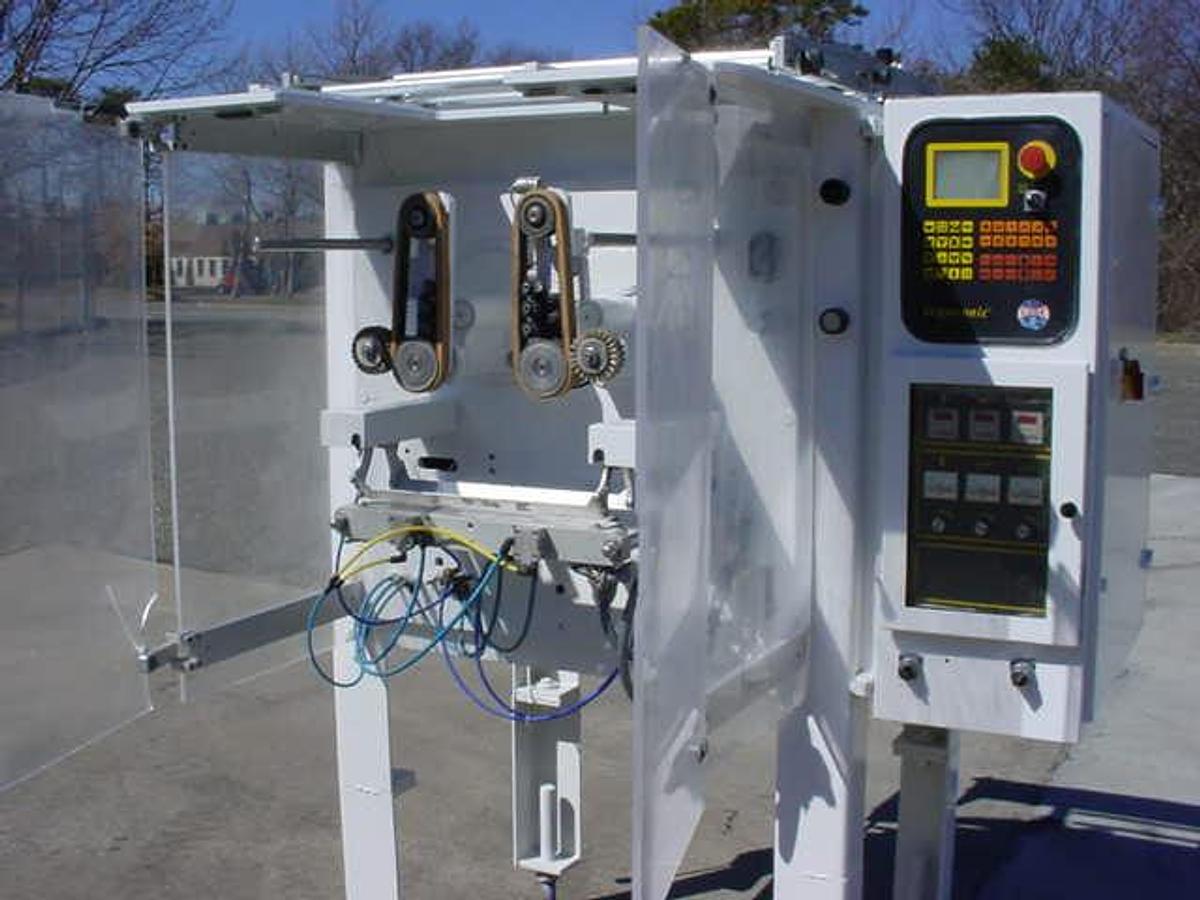
Ilapak produces several distinct machine families, and all of them appear regularly on the used equipment market. The Carrera series covers horizontal form-fill-seal (HFFS) flow wrappers, which are widely used for wrapping individual products like bakery items, fresh produce, and confectionery. The Delta series addresses vertical form-fill-seal (VFFS) bagging, handling products that are filled by weight or count into pillow bags, gusseted bags, or quad-seal formats. The Vegatronic line is purpose-built for fresh produce and wet goods, featuring wash-down construction suited to high-moisture environments. Beyond these core families, Ilapak has also produced combination weigher-integrated systems and multihead weigher-fed baggers that show up on the secondary market.
When shopping for a used Ilapak machine, buyers will encounter a range of models across these series at varying ages and configurations. A common example is the Ilapak VT-400 SP vertical bagging machine, a compact VFFS unit frequently found in snack, frozen food, and portion-pack applications. Because Ilapak has maintained consistent build quality across decades of production, older machines often remain mechanically sound and capable of high-volume output. Buyers should confirm the specific model, film width capacity, and any installed options (such as gas flush, date coders, or checkweighers) before purchasing, since configurations vary significantly between units of the same model line.
What industries are Ilapak packaging machines best suited for?
Ilapak machines were engineered with food manufacturing as the primary application, and the brand's installed base reflects that. Common food sectors include fresh produce, bakery and bread, meat and poultry, cheese and dairy, frozen foods, snacks, confectionery, and pasta. The Vegatronic series in particular was designed around the specific challenges of packing fresh vegetables and salads, including high-speed gentle handling and hygienic washdown construction. Flow wrappers from the Carrera line are standard equipment in high-volume bakery and biscuit lines across Europe and North America.
Beyond food, Ilapak machines are also used in pharmaceutical and nutraceutical packaging, where precise fill accuracy and cleanroom-compatible designs are required. Personal care and household products represent another segment, particularly for sachets and single-dose packaging. Because the machines are built to handle a wide range of film types (including laminates, polyethylene, polypropylene, and biodegradable films), they adapt well to different product and regulatory environments. Buyers from non-food industries should verify that the specific used machine they are considering has the appropriate construction and certifications for their application, since food-grade and pharmaceutical-grade configurations differ in materials and tolerances.
What packaging formats can Ilapak machines produce?
Ilapak's machine range covers a broad set of flexible packaging formats. On the horizontal side, the Carrera flow wrappers produce fin-seal and lap-seal pillow packs, which are the standard format for individually wrapped bars, rolls, and fresh produce trays. Some horizontal models are also configured for top-seal or three-side-seal pouches. On the vertical side, the Delta and Vegatronic VFFS machines produce pillow bags, gusseted bags (both side-gusset and bottom-gusset), quad-seal bags, and stick packs depending on the forming tube and jaw configuration installed.
Many Ilapak VFFS machines support modified atmosphere packaging (MAP) and gas-flush options, which extend shelf life for perishable products like meat, cheese, and fresh salads. Some models accommodate zipper applicators, tear notches, and hanging hole punches as inline accessories. The flexibility to change forming tubes and adjust film width means a single machine can often handle multiple bag sizes, which is a practical advantage in contract packaging or multi-SKU production environments. When evaluating a used machine, buyers should confirm which forming tubes, jaw sets, and accessory modules are included with the unit, as these components are often sold separately and can add meaningful cost.
What is the typical price range for used Ilapak packaging machines?
Pricing for used Ilapak machines varies considerably depending on the model series, age, configuration, and overall condition. Entry-level or older VFFS models like the VT-400 series can be found in the range of a few thousand to roughly $15,000-$25,000 USD, depending on included accessories and mechanical condition. Mid-range VFFS and HFFS units with more recent controls, higher speeds, or specialized features (such as MAP capability or multihead weigher integration) typically fall in the $25,000 to $75,000 range. High-end or nearly current-generation Carrera flow wrappers and fully optioned Vegatronic systems can exceed $100,000 on the secondary market, though they still represent a significant discount compared to purchasing equivalent equipment from a manufacturer.
Several factors push prices up or down from these general benchmarks. Machines that are still in active production at a facility and can be inspected running tend to command higher prices than decommissioned units. The availability of original manuals, spare parts inventory, and tooling also affects value. Buyers should factor in the full landed cost, including rigging, crating, freight, and any reconditioning work needed after delivery, since these expenses can add 10-30% or more to the purchase price depending on machine size and destination. Getting a detailed quote that breaks out each cost component before committing to a purchase is strongly advised.
What production speeds can used Ilapak packaging machines achieve?
Ilapak machines are engineered for high-volume production, and that reputation carries over to the used units available on the market. HFFS flow wrappers in the Carrera series are capable of wrapping 100 to 300+ products per minute depending on product size, film type, and machine configuration. VFFS machines in the Delta and Vegatronic lines typically operate at 30 to 120 bags per minute, with the upper end of that range achieved on smaller bag formats with optimized product flow. These speeds place Ilapak equipment firmly in the high-throughput tier of flexible packaging machinery.
It is worth noting that actual throughput on a used machine depends on its mechanical condition, the state of the servo drives and sealing jaws, and how well the machine has been maintained over its service life. A well-maintained Ilapak unit from 10 to 15 years ago can still deliver speeds close to its rated capacity, which is one reason the brand holds its value on the secondary market. Buyers planning to run the machine at or near maximum speed should pay particular attention to the condition of the sealing system, film tracking components, and drive train during any pre-purchase inspection, as these are the areas most likely to show wear in high-cycle applications.
Do used Ilapak machines meet food safety and hygiene standards?
Ilapak designs its machines to comply with relevant food safety and hygiene standards, and many models carry CE marking (required for equipment sold in European markets) along with construction features aligned with FDA and USDA guidelines for food contact equipment. Stainless steel product contact surfaces, open-frame designs that facilitate cleaning, and IP-rated electrical enclosures are common on food-grade Ilapak models. The Vegatronic series in particular is built for washdown environments, with sealed motors and corrosion-resistant materials throughout.
For used machines, buyers need to assess current compliance status rather than relying solely on the machine's original certifications. Years of use, modifications, and wear can affect whether a machine still meets the hygiene standards required by a particular facility or regulatory body. Buyers operating in regulated environments (FDA-registered food facilities, pharmaceutical plants, or export markets with specific CE requirements) should have their engineering or food safety team review the machine's documentation and physical condition as part of the inspection process. Consulting the manufacturer directly about the support and documentation available for a specific model and serial number is also a practical step, since Ilapak's ability to provide compliance documentation may vary by machine age.
How should a buyer inspect a used Ilapak machine before purchasing?
Reputable used equipment dealers typically offer in-person inspections, video walkthroughs, or detailed photo documentation of machines listed for sale. For a machine as mechanically complex as an Ilapak HFFS or VFFS system, a thorough inspection should cover the sealing jaws and heating elements (for wear and consistent temperature distribution), the film unwind and tracking system, the forming tube or forming box, servo drives and control system functionality, and the overall condition of the frame and guarding. If the machine is still installed at a production facility, an in-person inspection where the machine is running product is the most reliable way to assess its actual operating condition.
Buyers should be aware that most used equipment dealers do not have the production permits or facilities required to run actual product through a machine for demonstration purposes. In those cases, a powered-on inspection that cycles the machine without product, combined with a review of available service records, is the practical alternative. Engaging a third-party machinery technician or an Ilapak-experienced engineer to accompany you during the inspection (or to review inspection video) is a worthwhile investment, particularly for higher-value units. Before finalizing any purchase, buyers should also contact Ilapak directly to confirm parts availability and technical support options for the specific model and production year, since support levels can vary based on machine age.
Are spare parts and technical support available for used Ilapak machines?
Ilapak has maintained a relatively strong parts and support infrastructure compared to many packaging equipment brands, which is one of the practical reasons their machines hold value on the secondary market. For machines that are not excessively old, Ilapak and its authorized service network can typically supply wear parts such as sealing jaws, heating elements, belts, forming tubes, and electrical components. Older or discontinued models may have reduced parts availability directly from the manufacturer, but a secondary market for Ilapak spare parts exists through independent suppliers and dealers who specialize in packaging machinery.
Buyers should contact Ilapak's technical support team with the machine's model number and serial number before completing a purchase to get a realistic picture of what parts and documentation are available. This is especially important for machines that are more than 15 to 20 years old, where certain proprietary electronic components or custom-machined parts may no longer be stocked. Some used equipment dealers who specialize in packaging machinery maintain their own inventory of common Ilapak spare parts and can advise on parts availability as part of the sales process. Factoring potential parts sourcing complexity into the total cost of ownership is a sound practice when evaluating any used packaging machine purchase.
What should buyers know about shipping and rigging costs for used Ilapak machines?
Shipping costs for used Ilapak packaging machines depend heavily on the machine's size, weight, and the distance between the seller's location and the buyer's facility. VFFS machines like the VT-400 series are relatively compact and can often be palletized and shipped via LTL freight at moderate cost. Larger HFFS flow wrappers and multi-component systems are heavier and may require custom crating, which adds to the packaging cost but significantly reduces the risk of transit damage. Buyers should request a detailed breakdown of crating, rigging, and freight costs from the seller before committing to a purchase, since these expenses can add a meaningful percentage to the total acquisition cost.
For larger machines, professional rigging equipment (forklifts, cranes, or specialized machinery movers) is typically required both at the origin and at the destination. If the buyer's facility is not equipped to receive heavy machinery, arranging a rigger at the delivery end is the buyer's responsibility and should be budgeted in advance. International shipments add customs clearance, import duties, and potentially compliance documentation to the cost picture. Sellers experienced in packaging machinery transactions can usually provide guidance on typical shipping requirements for a given machine, but buyers should get firm quotes from freight carriers rather than relying on estimates.
What are the typical payment terms when buying a used Ilapak machine?
Most used equipment dealers require payment in full before a machine is released for shipping. This is standard practice in the used machinery industry and reflects the dealer's need to confirm cleared funds before incurring rigging and freight costs. For buyers who are new to a particular dealer, full payment upfront via wire transfer is the most common arrangement. Some dealers extend more flexible terms to established customers with a track record of prior transactions, but this is at the dealer's discretion and not a standard offering.
Buyers should treat the payment process as part of their overall due diligence. Confirming that the seller is a reputable, established used equipment dealer with a verifiable history in the packaging machinery sector is important before transferring funds. Asking for references, checking industry directories, and reviewing the dealer's online presence and transaction history are reasonable steps. For higher-value purchases, some buyers choose to use an escrow arrangement or work with a machinery broker who can facilitate the transaction. Understanding the full payment timeline, including when the machine will be released, when it will ship, and what documentation (bill of sale, title, CE documentation if applicable) will be provided, should all be confirmed in writing before payment is made.