Category
Manufacturer
Model
Ika
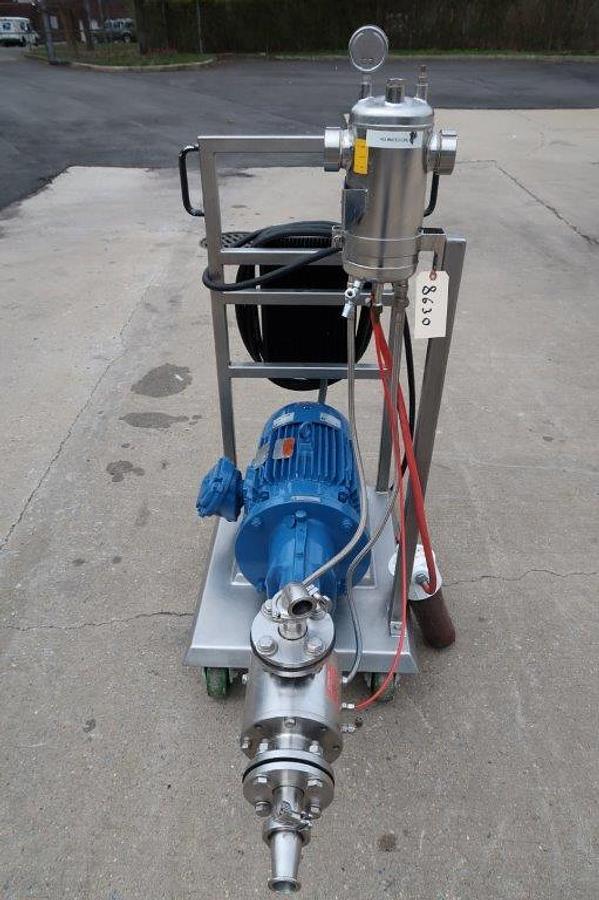
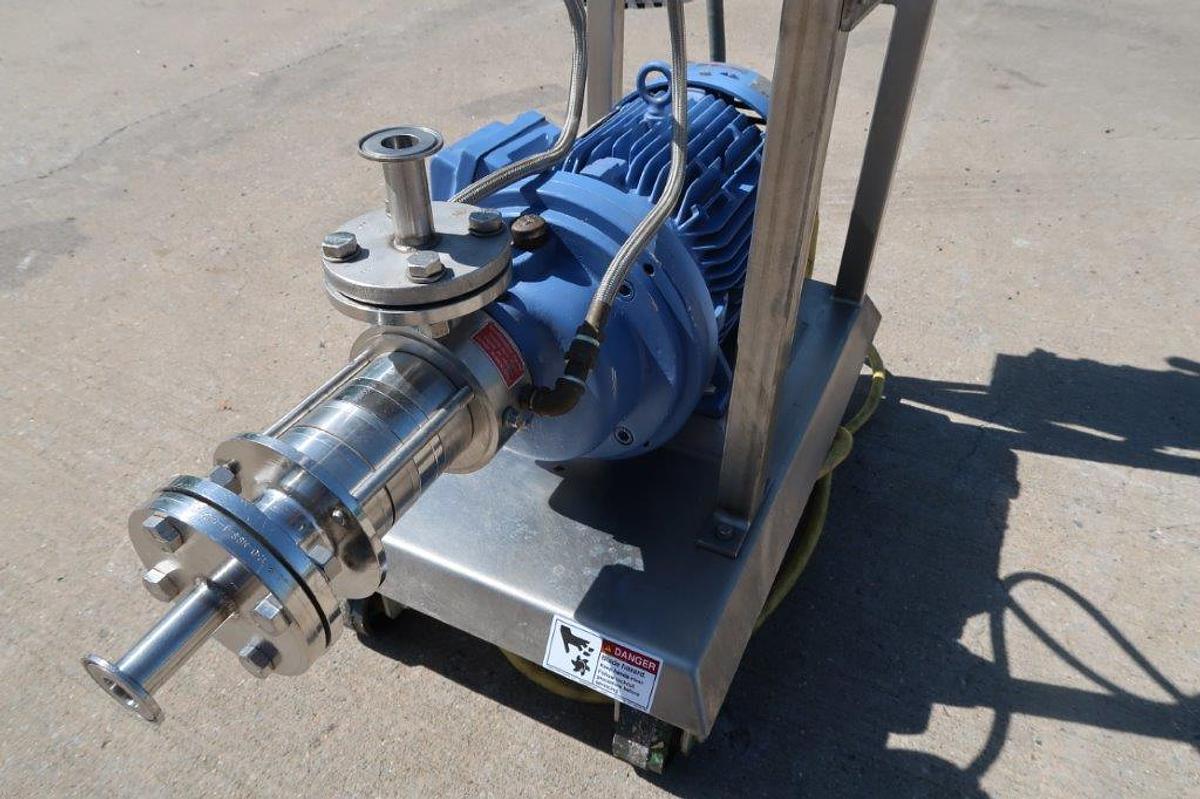
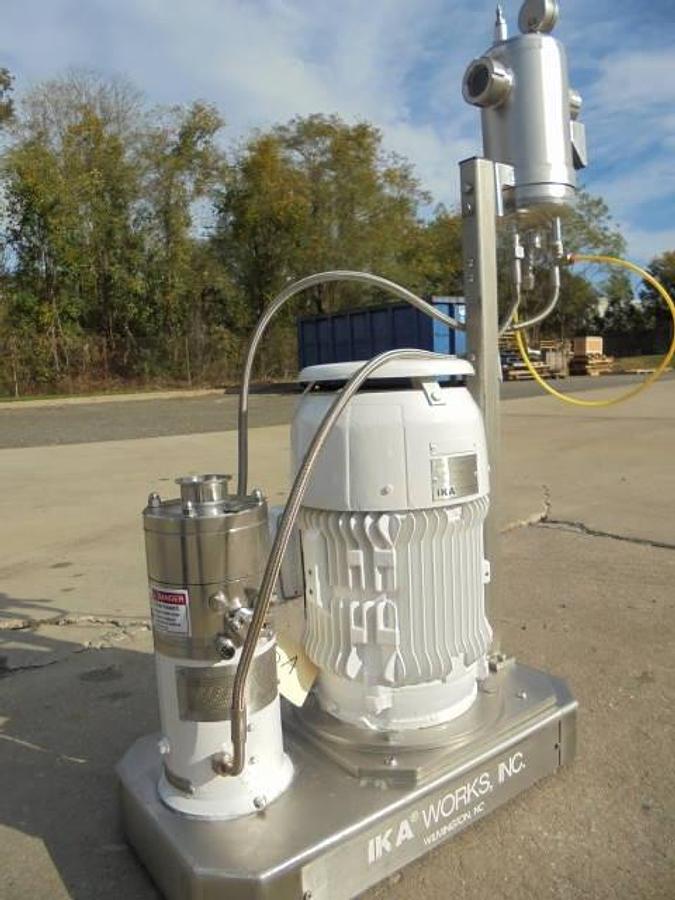
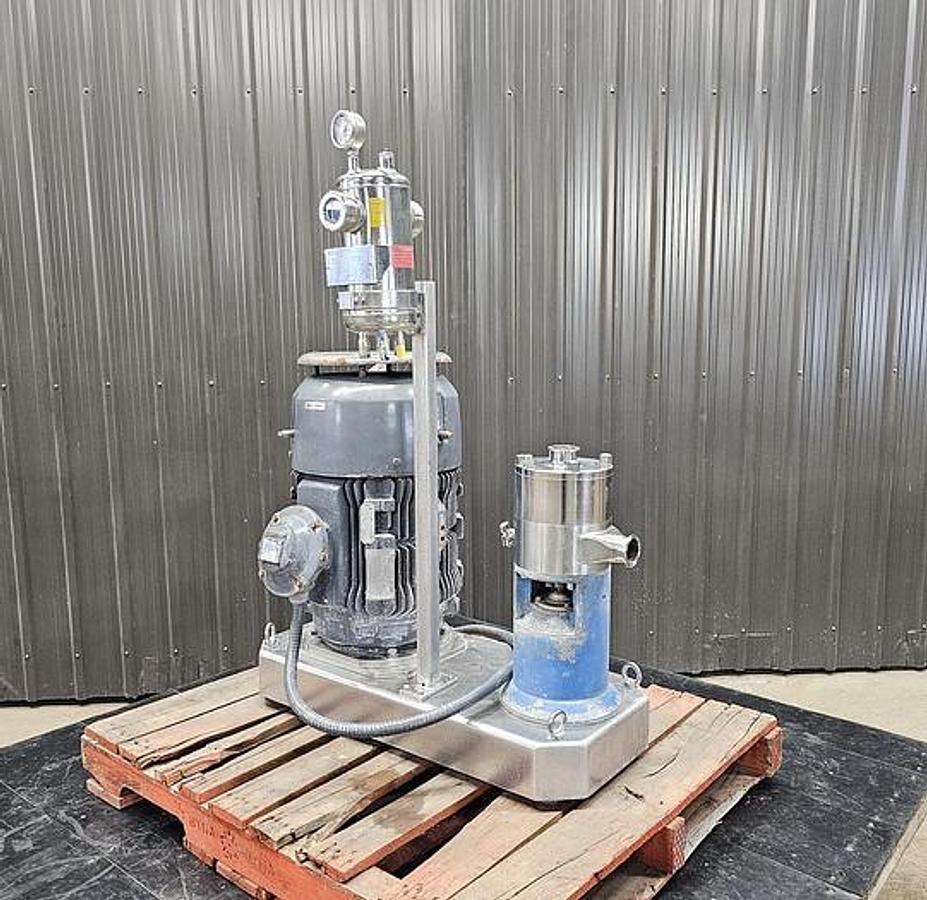
Ika is a manufacturer of laboratory and process equipment, serving various industries including pharmaceuticals and food. They are known for their mixing and dispersing machines that ensure high quality and consistency in production. Ika’s focus on innovation and precision has made them a trusted partner for manufacturers.
FAQ:
What types of IKA equipment are commonly available on the used market?
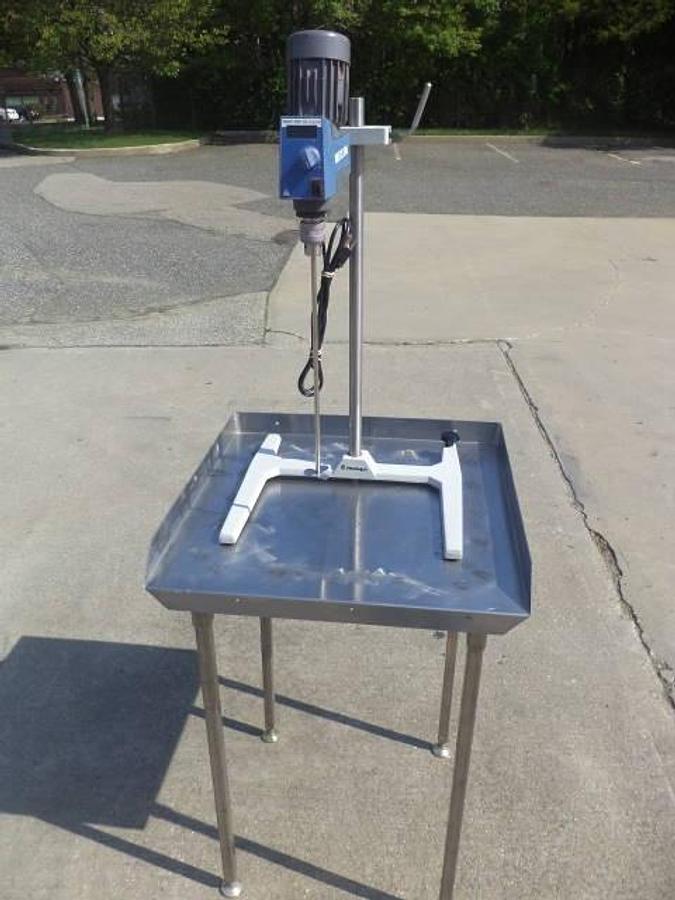
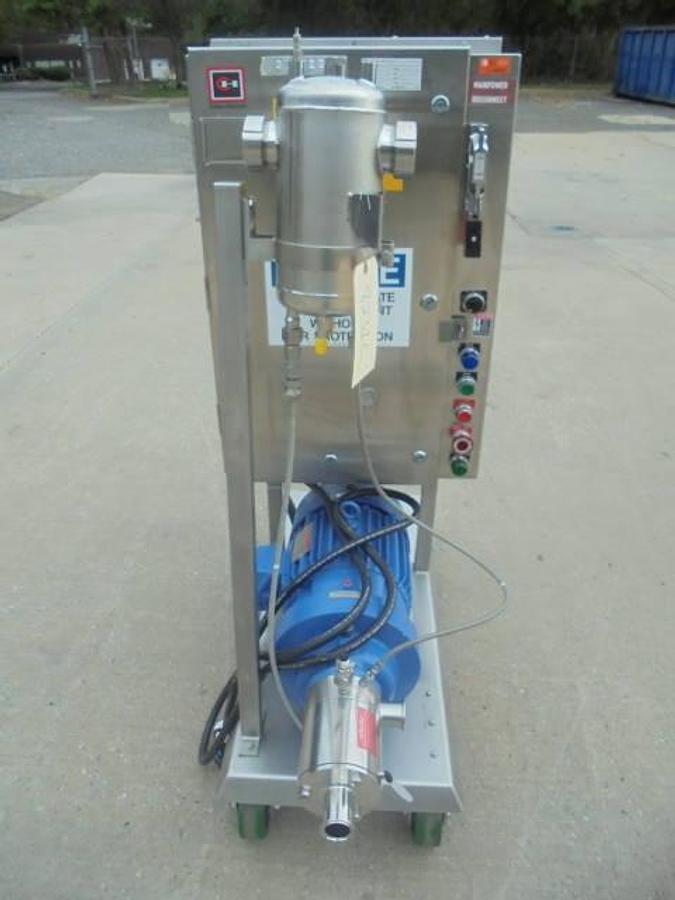
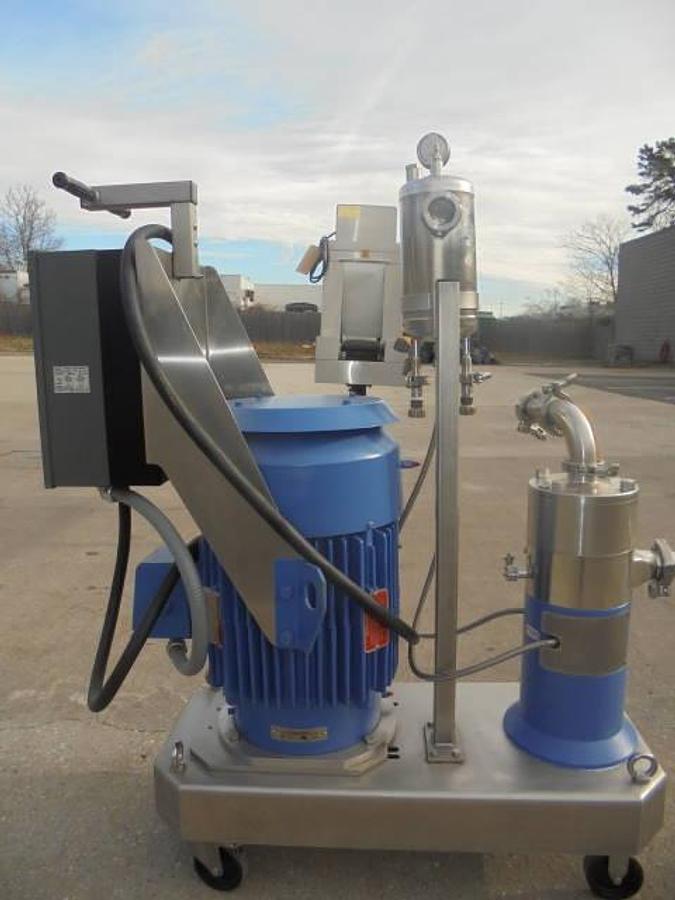
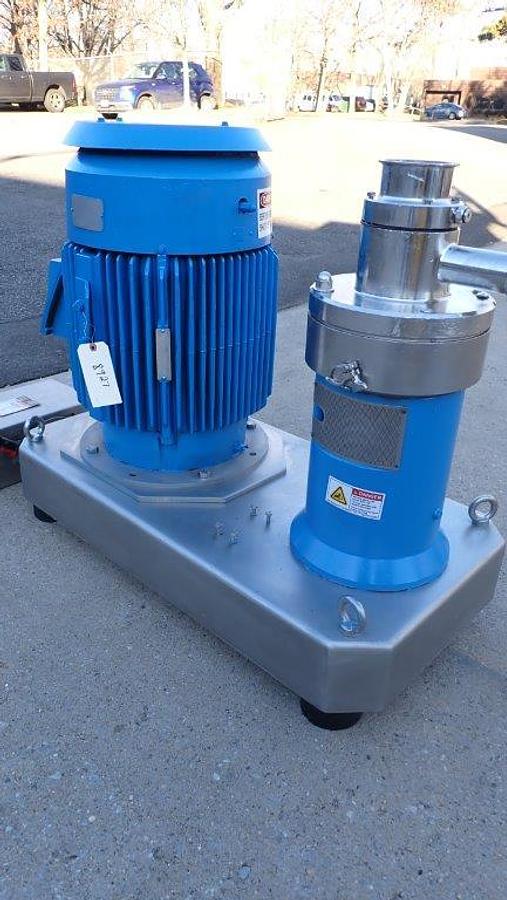
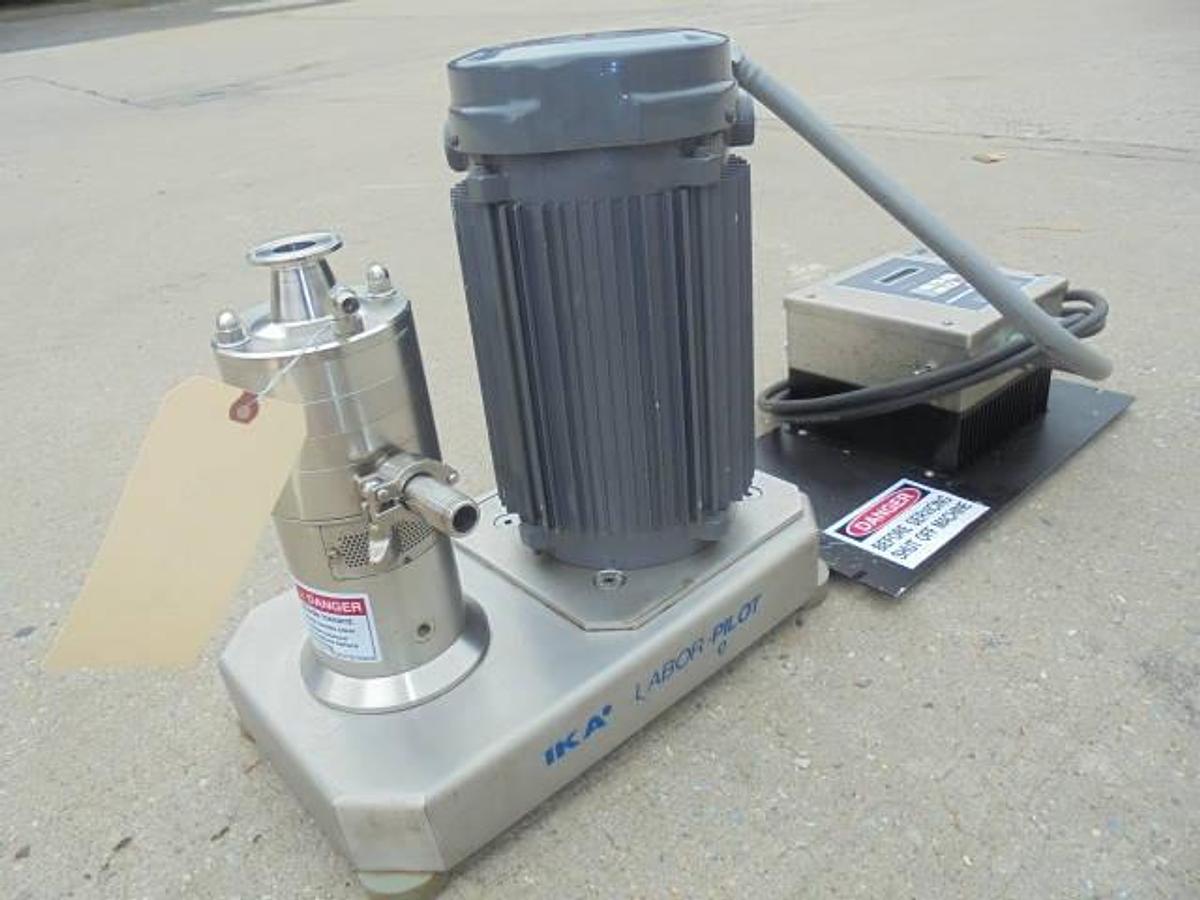
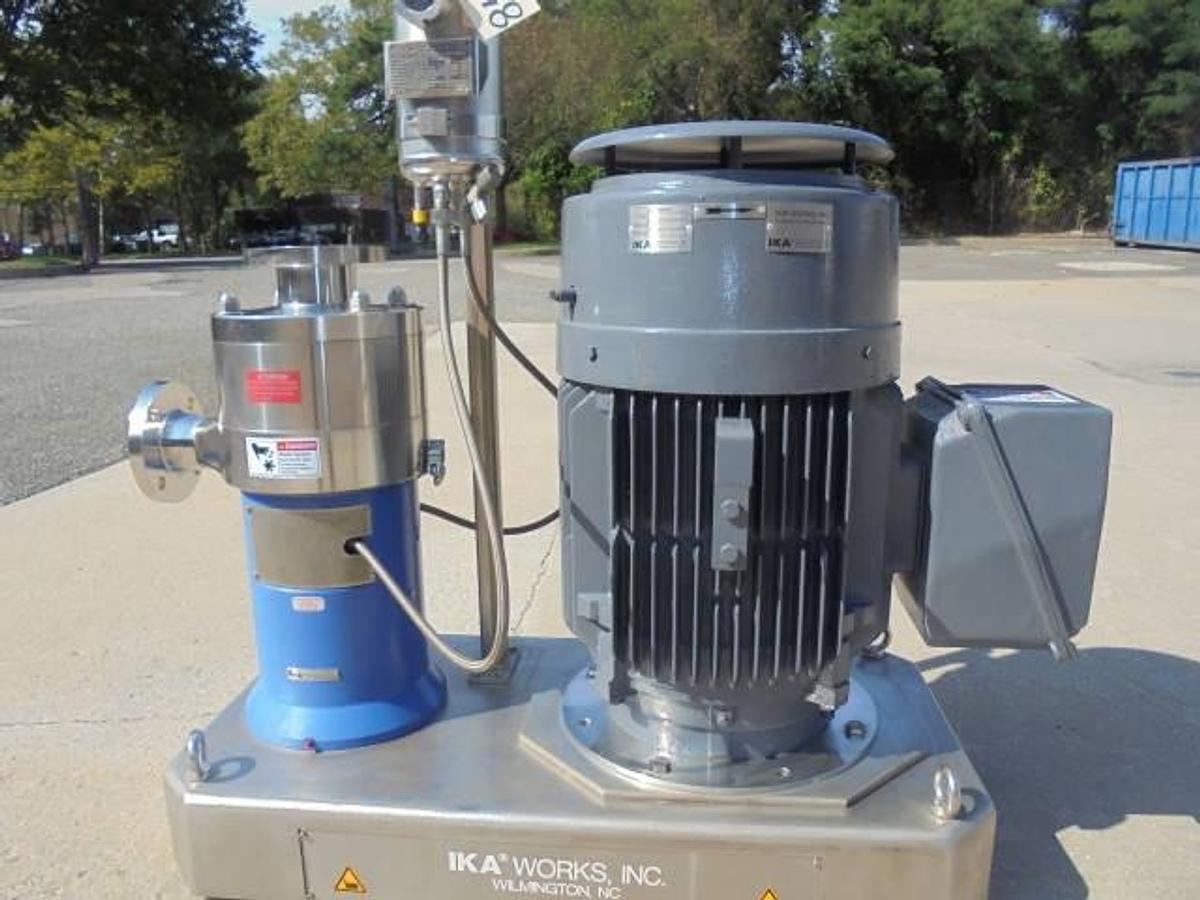
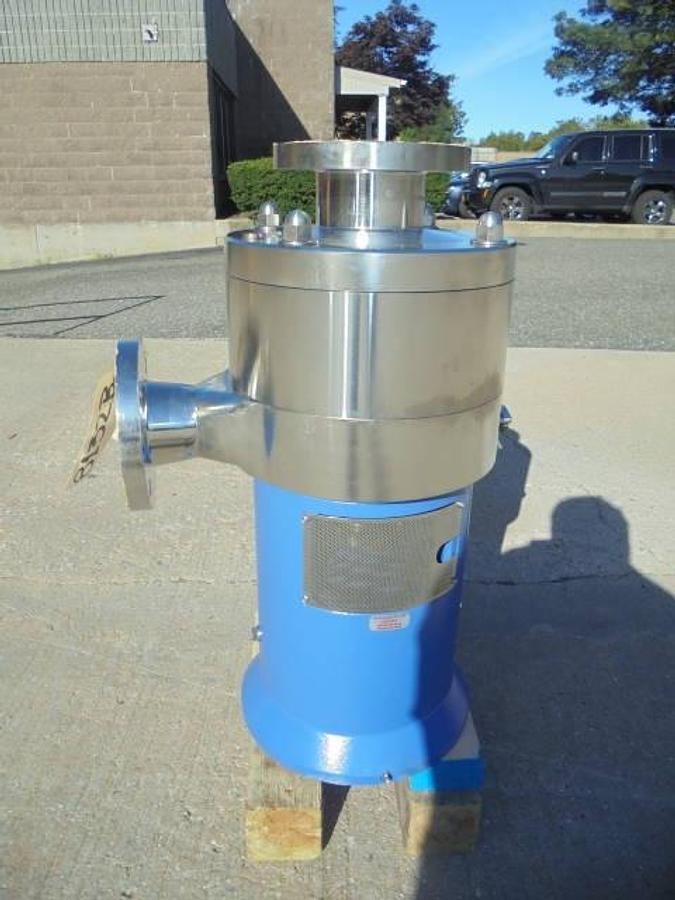
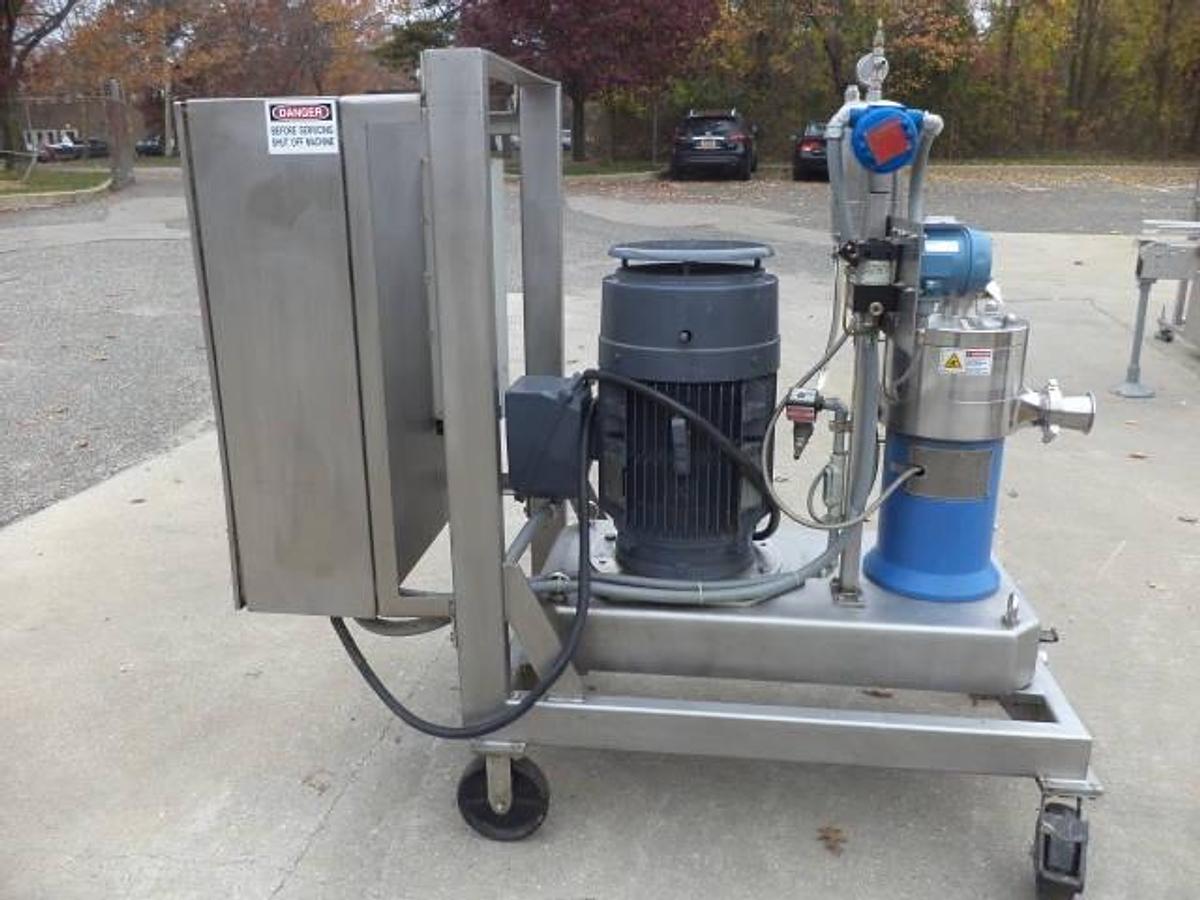
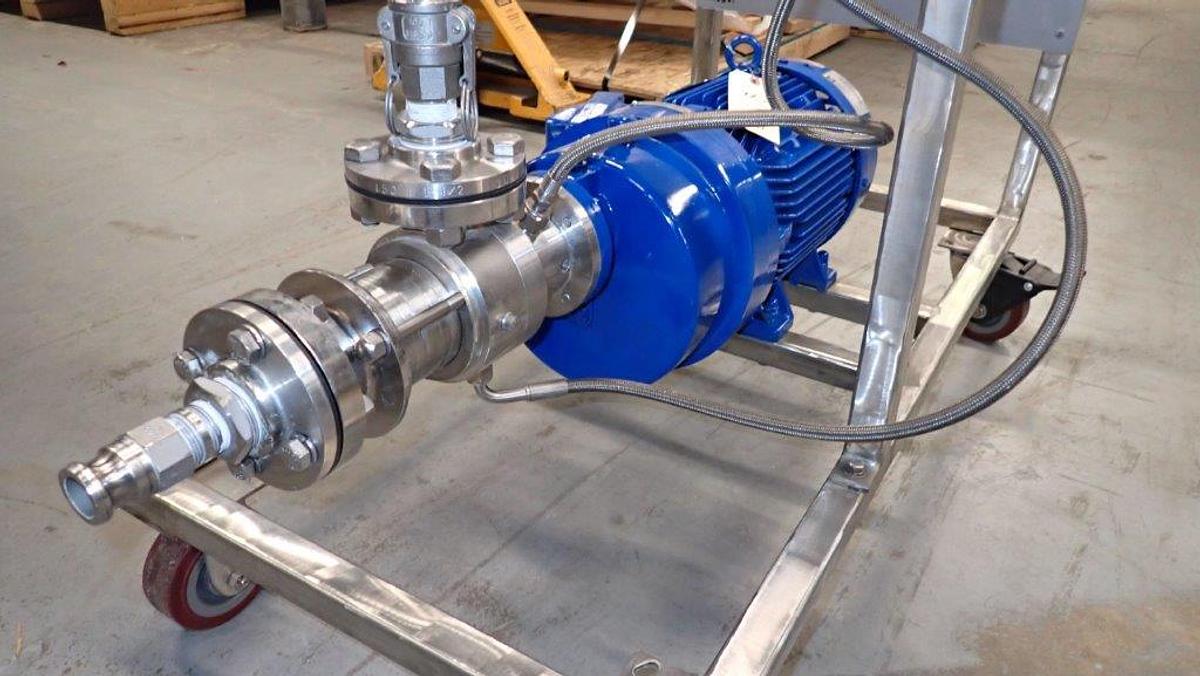
Used IKA equipment spans a wide range of laboratory and industrial applications. The most frequently available units include inline high shear mixers, Dispax Reactors, overhead stirrers, hotplate stirrers, homogenizers, rotary evaporators, and vacuum mix vessels. Industrial-scale units like the DR2000 series inline high shear mixers (ranging from 10HP to 60HP) and multi-stage dispersers are particularly common in the used process equipment market, as they are heavily used in pharmaceutical, food, and chemical manufacturing before being decommissioned or replaced.
On the laboratory side, benchtop units such as the ULTRA-TURRAX homogenizers, RCT and C-MAG hotplate stirrers, Eurostar overhead stirrers, and tabletop high-speed homogenizing mixers like the RW20D-S1 also appear regularly. Because IKA produces equipment across such a broad range of scales and industries, buyers sourcing used units can often find both small lab instruments and full production-scale dispersing systems from the same manufacturer, which simplifies spare parts sourcing and operator familiarity.
Is IKA a German company, and does that affect the quality of used units?
Yes, IKA is a German manufacturer headquartered in Staufen im Breisgau, Germany. The company has been producing laboratory and process equipment for decades and is widely regarded as one of the more precise and durable equipment makers in its category. German engineering standards tend to emphasize build quality and long service life, and IKA equipment reflects that reputation. Used IKA units that have been properly maintained often remain functional and accurate well beyond the timelines typical of lower-cost alternatives.
For buyers shopping the used market, IKA's German manufacturing heritage is practically relevant because it generally means the machines were built to tighter tolerances, use higher-grade materials like stainless steel construction on process units, and are supported by a global network of parts and service technicians. That said, age and prior use conditions vary from unit to unit, so prospective buyers should still request detailed inspection information and ask about the machine's service history before purchasing any used IKA equipment.
What is the typical price range for used IKA mixing and dispersing equipment?
Pricing for used IKA equipment varies considerably depending on the model, scale, condition, and motor horsepower. Small benchtop lab instruments like hotplate stirrers or tabletop homogenizers can be found in the low hundreds to low thousands of dollars. Mid-range overhead stirrers and pilot-scale inline mixers typically fall in the $2,000 to $15,000 range depending on their configuration and condition. Large industrial units such as the DR2000 series Dispax Reactors with motors ranging from 25HP to 60HP can command significantly higher prices, sometimes reaching $30,000 or more for well-maintained units in working condition.
It is worth factoring in the full landed cost when budgeting for any used IKA purchase. Shipping, rigging, crating, and any required reconditioning work can add meaningfully to the base equipment price. Buyers should request a detailed quote from the dealer that covers all of these line items before committing. Compared to purchasing equivalent equipment direct from a manufacturer, buying used IKA machinery can represent substantial savings, often 40% to 70% below the cost of a comparable unit, which is why the secondary market for IKA equipment remains active across pharmaceutical, food processing, and chemical industries.
What industries use IKA mixing and dispersing equipment?
IKA mixing, dispersing, and homogenizing equipment is used across a wide range of industries. Pharmaceutical and biotechnology manufacturers rely heavily on IKA inline high shear mixers and Dispax Reactors for emulsification, dispersion, and homogenization of drug formulations. The food and beverage industry uses similar equipment for producing sauces, dairy products, beverages, and other viscous or emulsified products. Cosmetics and personal care manufacturers use IKA equipment for cream, lotion, and gel production, where consistent particle size and texture are critical to product quality.
Chemical processing and specialty materials companies also use IKA dispersers for pigment dispersion, adhesive manufacturing, and polymer blending. Academic and research laboratories use the smaller benchtop instruments for sample preparation, extraction, and analytical work. This cross-industry demand is one reason used IKA equipment holds its value reasonably well on the secondary market. A Dispax Reactor originally purchased for pharmaceutical production, for example, can often be redeployed in a food or cosmetic manufacturing environment with minimal modification, giving buyers flexibility in how they apply the equipment.
Is used IKA equipment covered by a warranty when purchased from a third-party seller?
Warranties on used equipment are handled very differently than on equipment purchased directly from a manufacturer. Manufacturer warranties are typically tied to the original purchase and do not transfer to subsequent buyers. Used equipment dealers, including those selling IKA machines, generally sell equipment on an as-is basis, which places the responsibility for assessing condition squarely on the buyer. This is standard practice across the used industrial and laboratory equipment industry, not specific to any one dealer or brand.
Because of this, buyers should take several practical steps before finalizing a purchase. Requesting an in-person inspection, a video walkthrough, or detailed photographs of the machine is standard and reputable dealers will accommodate this. It is also advisable to contact IKA directly to determine what level of factory support, parts availability, and service documentation exists for the specific model and age of the unit being considered. Older or discontinued models may have limited parts availability, which is an important factor in the total cost of ownership calculation for any used IKA machine.
What should I look for when inspecting a used IKA inline high shear mixer or Dispax Reactor?
A thorough inspection of a used IKA inline high shear mixer or Dispax Reactor should focus on several key areas. First, examine the condition of the stainless steel housing, inlet and outlet connections, and any seals or gaskets. Pitting, corrosion, or signs of chemical damage on wetted surfaces can indicate that the machine processed aggressive materials that may have shortened component life. Check the motor nameplate against the listing specifications to confirm horsepower and electrical configuration match what is advertised. For explosion-proof (XP) rated units, verify that the XP certification markings are intact and legible, as these ratings are important for compliance in hazardous environments.
Functional inspection is equally important. Reputable dealers will typically offer video evidence of the machine running, or arrange for an in-person or virtual inspection. Keep in mind that most equipment dealers are not licensed production facilities, so they cannot run actual product through the machine during an inspection. What they can demonstrate is that the motor starts, runs smoothly, and that the rotor-stator assembly turns freely without unusual noise or vibration. Buyers should also ask about the machine's prior application, cleaning history, and how long it sat idle before being listed for sale, as extended idle periods can affect seal condition and bearing lubrication.
Are replacement parts and accessories available for used IKA equipment?
IKA maintains a global parts and service network, and for many of their product lines, replacement components such as rotor-stator sets, seals, generator heads, and drive components remain available for a number of years after a model is produced. The availability of parts for any specific used unit depends on the model age and whether that line is still actively supported. Buyers should contact IKA's service division directly with the model number and serial number of any used unit they are considering to get an accurate picture of current parts availability before purchasing.
For older or discontinued models, third-party machining and seal suppliers can sometimes fabricate replacement wear parts, though this adds cost and lead time compared to sourcing directly from the manufacturer. This is a practical consideration that affects the long-term operating cost of any used IKA machine. Buyers who plan to run the equipment in continuous production should factor parts lead times and availability into their purchase decision, particularly for critical wear items like seals and rotor-stator generator sets that require periodic replacement under normal operating conditions.
How does IKA equipment hold its resale value compared to other laboratory and process equipment brands?
IKA equipment generally holds its resale value better than many competing brands in the laboratory and process equipment space. Several factors contribute to this. The brand's reputation for precision and durability means buyers in the used market are willing to pay a premium for IKA units compared to lesser-known alternatives. The broad cross-industry applicability of IKA mixing and dispersing equipment also expands the pool of potential buyers, which supports pricing. A used IKA Dispax Reactor, for instance, is a recognizable and trusted piece of equipment to purchasing managers in pharmaceuticals, food processing, and cosmetics alike, which keeps demand relatively steady.
The specific model and condition are still the primary drivers of resale value. High-horsepower industrial units in good working condition with stainless steel construction and intact explosion-proof ratings tend to retain value well. Benchtop lab instruments in working condition also sell consistently because laboratories frequently need to expand capacity without the lead time or cost of purchasing equipment directly from a manufacturer. Compared to some other premium European laboratory equipment brands, IKA's combination of broad product range, multi-industry relevance, and parts support infrastructure makes it one of the stronger performers in the used equipment resale market.
What are the shipping and logistics considerations when buying used IKA process equipment?
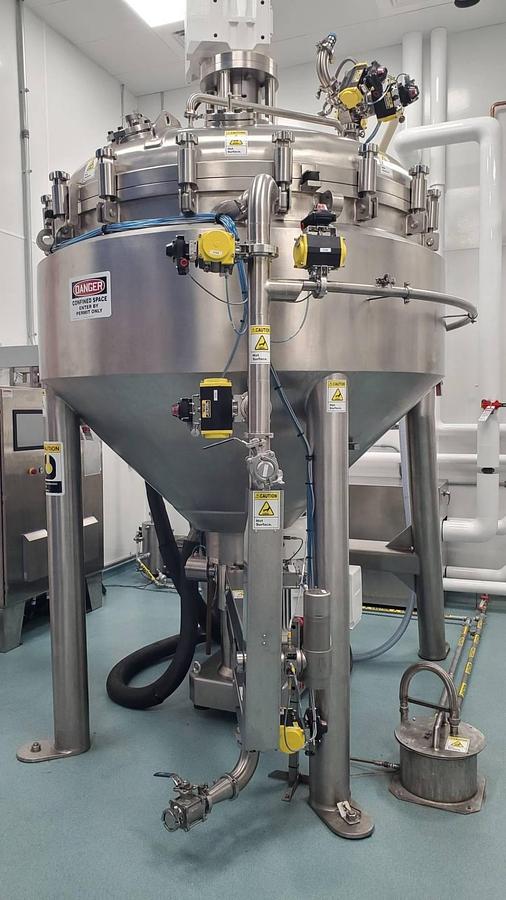
Shipping used IKA process equipment, particularly larger industrial units like multi-stage inline mixers or vacuum mix vessels, involves more complexity than shipping small parcels. These machines often weigh hundreds to thousands of pounds and require proper palletization or custom crating to prevent damage in transit. The level of packaging required directly affects shipping costs, and buyers should ask the dealer for a detailed breakdown of crating, rigging, and freight charges to understand the full landed cost before committing to a purchase. Smaller benchtop instruments like tabletop homogenizers are generally easier and less expensive to ship, often requiring only standard palletization.
For large industrial units, loading and unloading at both the origin and destination facilities may require a forklift or crane, and rigging services carry their own fees. Buyers should confirm in advance whether their receiving facility has the appropriate equipment to unload heavy machinery safely. International shipping adds additional considerations including customs documentation, import duties, and compliance with electrical standards that may differ from the country of origin. Reputable dealers with experience shipping process equipment can typically advise on the logistics requirements for a specific unit and help coordinate freight arrangements, though the buyer is generally responsible for confirming site readiness at the destination.
What payment terms should I expect when purchasing used IKA equipment from a dealer?
Most used equipment dealers require full payment prior to shipping, regardless of the equipment brand or price point. This is standard practice in the industry and applies to used IKA equipment purchases as well. The reasoning is straightforward: once a machine leaves a dealer's facility, verifying its condition becomes difficult, and dealers need to protect against payment disputes after delivery. Buyers should plan for this requirement and ensure their purchasing process can accommodate prepayment, particularly for higher-value industrial units where the transaction may involve tens of thousands of dollars.
Some dealers offer payment terms to established customers with whom they have an ongoing purchasing relationship, but this is not the norm for first-time buyers. Wire transfer is the most common payment method for used equipment transactions of significant value. Buyers should also clarify with the dealer exactly when title transfers and what documentation will be provided upon payment, including any available service records, manuals, or inspection reports for the specific IKA unit being purchased. Having this documentation in hand before the machine ships provides a useful baseline for understanding the equipment's history and condition.