Category
Manufacturer
Model
Hundred Machinery
Hundred Machinery focuses on providing manufacturing solutions for the plastic and packaging industries. Their equipment includes injection molding machines and blow molding systems, designed for high efficiency and quality. Hundred Machinery’s dedication to customer satisfaction and technological advancement positions them as a leader in the market.
FAQ:
What types of equipment does Hundred Machinery produce?
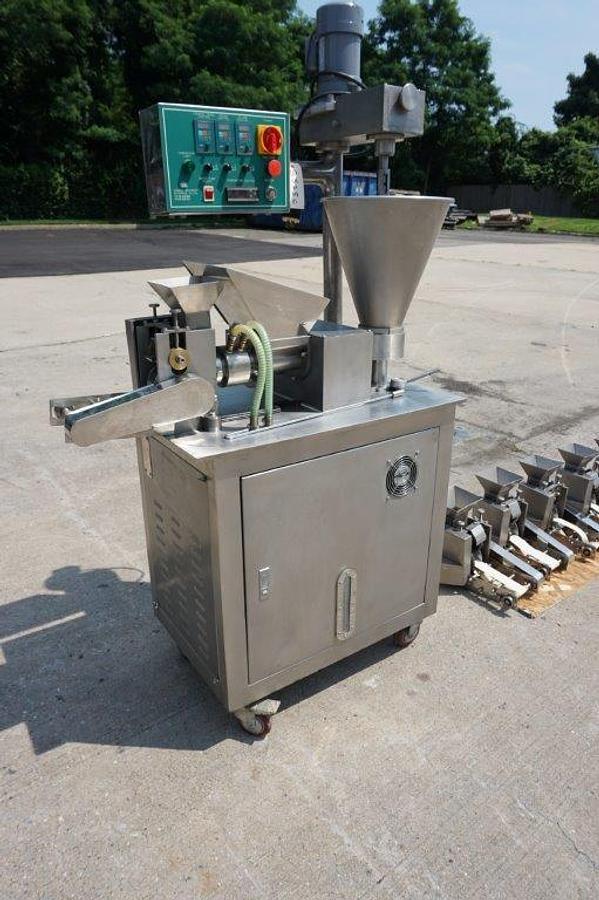
Hundred Machinery specializes in manufacturing equipment for the plastic and packaging industries. Their product lineup includes injection molding machines, blow molding systems, and multi-purpose forming machines, including stainless steel variants designed for demanding production environments. These machines are built around high efficiency and consistent output quality, making them a common choice for manufacturers who need reliable throughput in plastic fabrication and packaging operations.
Because Hundred Machinery focuses specifically on this segment of industrial production, their equipment tends to be well-suited for facilities running continuous or high-volume plastic forming and packaging lines. Buyers looking at used Hundred Machinery equipment should review individual machine specifications carefully, including shot capacity, clamping force, cycle times, and material compatibility, to confirm a given unit fits their production requirements before purchasing.
What industries use Hundred Machinery equipment?
Hundred Machinery equipment is primarily used in the plastics manufacturing and packaging industries. Injection molding machines from this manufacturer are found in facilities producing plastic components for consumer goods, automotive parts, medical devices, and industrial products. Blow molding systems are commonly used to produce hollow plastic containers such as bottles, jugs, and tanks, which makes them relevant to food and beverage, household products, and chemical packaging sectors.
The stainless steel multi-purpose forming machines in their lineup are particularly relevant for applications where hygiene and corrosion resistance matter, such as food-grade packaging or pharmaceutical production environments. Facilities evaluating used Hundred Machinery equipment should assess whether the specific machine model aligns with their industry's regulatory and material requirements, since different configurations are built for different end-use applications.
What should buyers know about purchasing used Hundred Machinery equipment?
Used Hundred Machinery equipment is sold as-is, which is standard practice in the used industrial machinery market. Unlike purchasing directly from a manufacturer, buying used means there is no factory warranty attached to the machine. This puts the responsibility of due diligence squarely on the buyer. Selecting a reputable used equipment dealer with a documented track record in the plastics and packaging machinery space is one of the most important steps a buyer can take to reduce risk.
Before committing to a purchase, buyers should request as much documentation as possible, including maintenance records, hours of operation, and any service history. It is also worth contacting Hundred Machinery directly to understand what level of technical support, parts availability, and documentation exists for the specific model being considered, since older models may have more limited manufacturer support than more recent ones.
Can I inspect Hundred Machinery equipment before buying?
Inspections are a standard and strongly recommended part of buying used industrial machinery. Reputable dealers will typically offer in-person inspections, video walkthroughs, or recorded video captures of the machine so buyers can assess its condition before committing to a purchase. In some cases, a machine may still be installed and running at a production facility, which can allow for a more thorough evaluation of its operating condition. Whether it is actively in production or decommissioned will affect what can be observed during the inspection.
It is worth noting that most used equipment dealers do not have the permitting or infrastructure to run full production tests with actual materials, so inspections generally focus on mechanical condition, visual assessment, and operational checks rather than end-product output testing. Buyers who need a more technical evaluation may want to bring in a qualified machinery technician or engineer to accompany them during an in-person inspection or review video footage with a critical eye toward wear indicators, condition of key components, and signs of prior repairs or modifications.
How is used industrial machinery like Hundred Machinery equipment typically shipped?
Shipping used industrial machinery involves several considerations that go beyond standard freight. Machines need to be properly prepared for transit, which can include palletizing, crating, or custom packaging depending on the size, weight, and fragility of the equipment. The level of preparation required directly affects shipping costs, so buyers should ask dealers for a detailed breakdown of packaging and crating charges before finalizing a purchase. Inadequate packaging is one of the most common causes of transit damage, so this step should not be treated as optional.
Larger and heavier machines, such as industrial injection molding or blow molding systems, often require specialized rigging for loading at the origin and unloading at the destination. Rigging services add to the total cost and require coordination with the appropriate equipment at both ends of the shipment. Buyers should request a full landed cost estimate that includes the machine price, packaging, rigging, freight, and any applicable import duties or fees, so there are no surprises after the sale.
What are typical payment terms for used machinery purchases?
In the used industrial equipment market, full payment prior to shipping is the standard arrangement. Most dealers require payment in full before a machine is released for transport, which protects the seller from non-payment once the equipment has left their facility. Buyers should factor this into their procurement planning, particularly for higher-value machines where cash flow timing can be a consideration. Some dealers may offer extended terms to established customers with a prior purchase history, but this is not the norm for first-time transactions.
Buyers should also clarify accepted payment methods early in the process, as wire transfers are common for large equipment transactions. It is advisable to confirm all terms in writing before transferring funds, including the machine description, agreed price, payment schedule, and any agreed-upon inspection conditions. For international purchases, additional considerations around currency, banking fees, and customs documentation will also affect the total transaction.
What specifications should buyers review when evaluating an injection molding machine?
Injection molding machines are characterized by several key technical specifications that determine what they can produce and how efficiently they operate. Clamping force, measured in tons, indicates how much pressure the machine can apply to hold the mold closed during injection and is one of the primary sizing criteria. Shot size or injection capacity determines the maximum volume of material that can be injected per cycle, which directly limits the size of parts that can be produced. Tie bar spacing and platen dimensions define the physical size of molds the machine can accommodate.
Additional specifications worth reviewing include injection pressure, screw diameter, cycle time ratings, and compatibility with specific resin types. Power requirements, machine footprint, and overall weight are also practical factors, particularly if the machine needs to fit within an existing facility layout or be moved through doorways and loading docks. For used machines specifically, buyers should pay close attention to the condition of the screw and barrel, as these are high-wear components that can be costly to replace and significantly affect the machine's output quality.
What should buyers consider when evaluating a used blow molding machine?
Blow molding machines are used to produce hollow plastic parts, most commonly bottles and containers, by inflating a heated plastic parison inside a mold. When evaluating a used blow molding machine, buyers should start by identifying the type of blow molding process the machine uses, since extrusion blow molding, injection blow molding, and stretch blow molding each have different capabilities and are suited to different product types. The container size range, output rate in units per hour, and compatible resin types are all fundamental specs to review.
Condition of the extruder, die head, molds (if included), and clamping mechanism are critical inspection points on a used machine. Molds in particular can represent significant value and should be evaluated separately from the machine itself. Buyers should also consider the availability of replacement parts for the specific model, since some older or less common configurations may have limited parts support. Consulting the manufacturer about parts and service availability for the model in question is a practical step before committing to a purchase.
How does buying used plastics machinery compare to buying new equipment?
Used plastics machinery offers a substantially lower upfront cost compared to purchasing new equipment, which makes it an attractive option for manufacturers looking to expand capacity, replace aging equipment, or enter a new production area without committing to full capital expenditure. Lead times for used equipment are also typically much shorter than for new machines, which can involve extended manufacturing and delivery schedules from the factory. For operations that need to get production running quickly, used equipment can be a practical path.
The trade-offs are real and worth understanding clearly. Used machines come without a manufacturer's warranty and may have wear on critical components that requires attention before or shortly after installation. The buyer takes on more responsibility for assessing condition and understanding the machine's history. Choosing a dealer who specializes in the relevant machinery category and who can provide thorough documentation and inspection access helps offset that risk considerably. In many cases, well-maintained used equipment from a reputable manufacturer can deliver years of reliable service at a fraction of the cost of a comparable new machine.
What role does parts and manufacturer support play when buying used Hundred Machinery equipment?
Parts availability and manufacturer support are factors that can significantly affect the long-term value of any used machine purchase. Before buying a used Hundred Machinery unit, it is worth reaching out to the manufacturer directly to understand what documentation, spare parts, and technical support are available for the specific model and production year in question. Older models or discontinued configurations may have more limited support, which can make maintenance and repairs more difficult or expensive down the line.
For injection molding and blow molding equipment, common wear items include screws, barrels, hydraulic seals, heating elements, and control system components. Understanding the availability and cost of these parts before purchasing gives buyers a clearer picture of the true cost of ownership over time. Third-party parts suppliers and specialized rebuild shops can sometimes fill gaps where manufacturer support is limited, but this adds complexity to the maintenance equation. Factoring parts availability into the purchasing decision is a sound practice, particularly for machines that will be running in high-volume production environments.