Category
Manufacturer
Model
Hundom
Hundom specializes in providing equipment for the textile and non-woven industries. They are known for their advanced machinery that enhances production efficiency and product quality. Hundom’s commitment to innovation ensures they meet the evolving needs of manufacturers in these sectors.
FAQ:
What types of industrial equipment does Hundom manufacture?
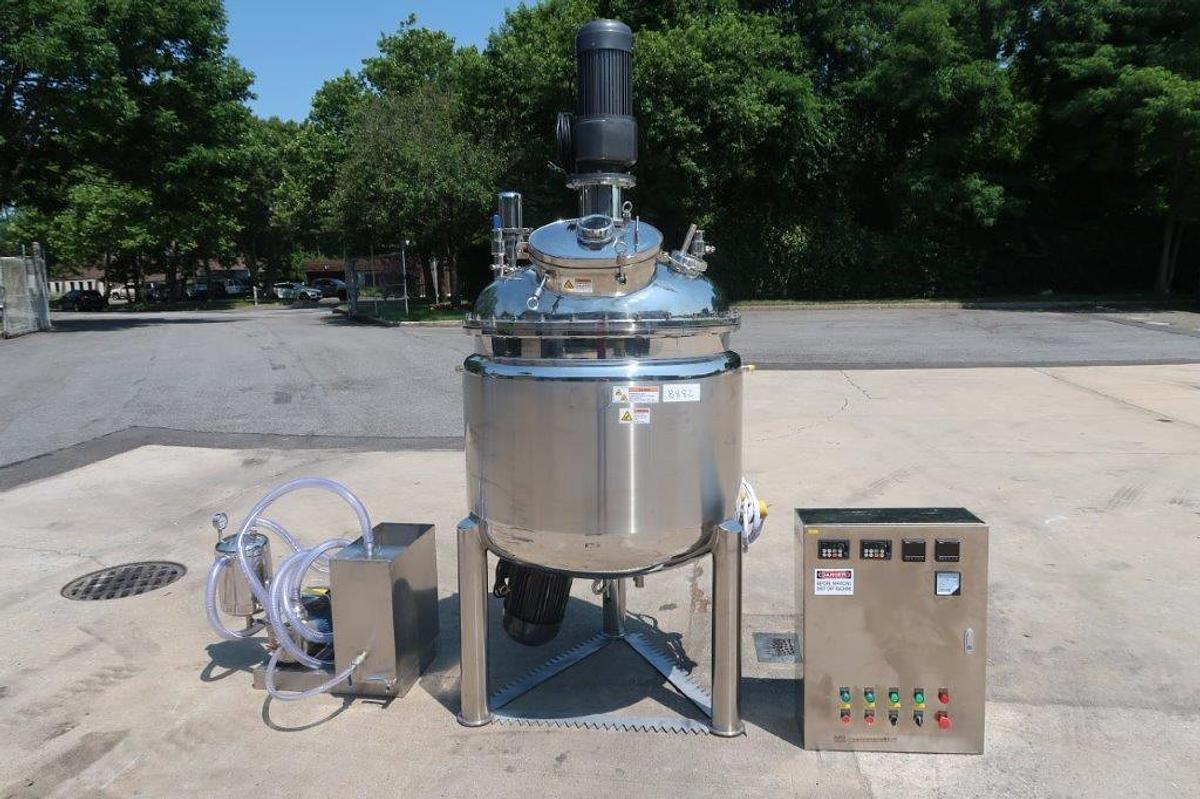
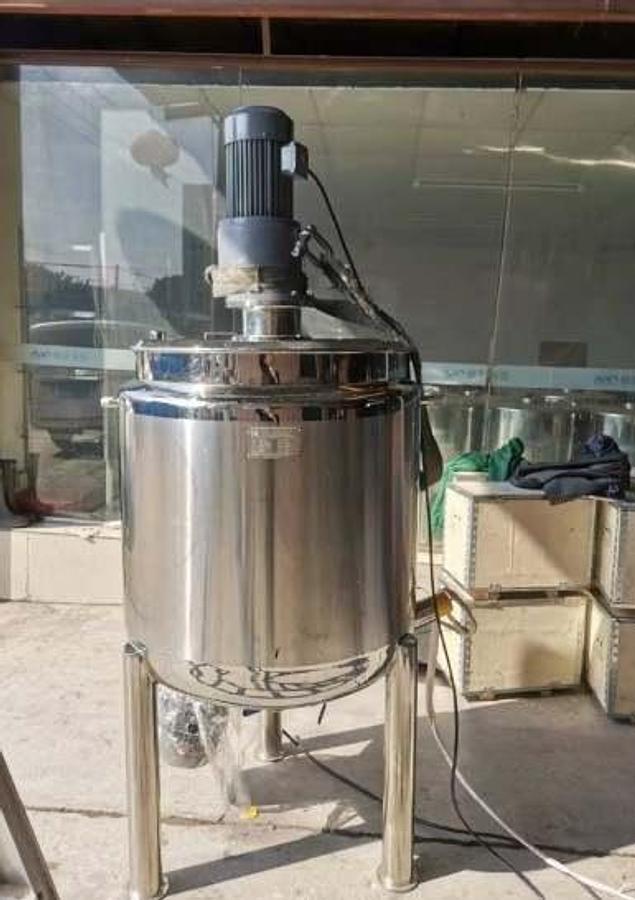
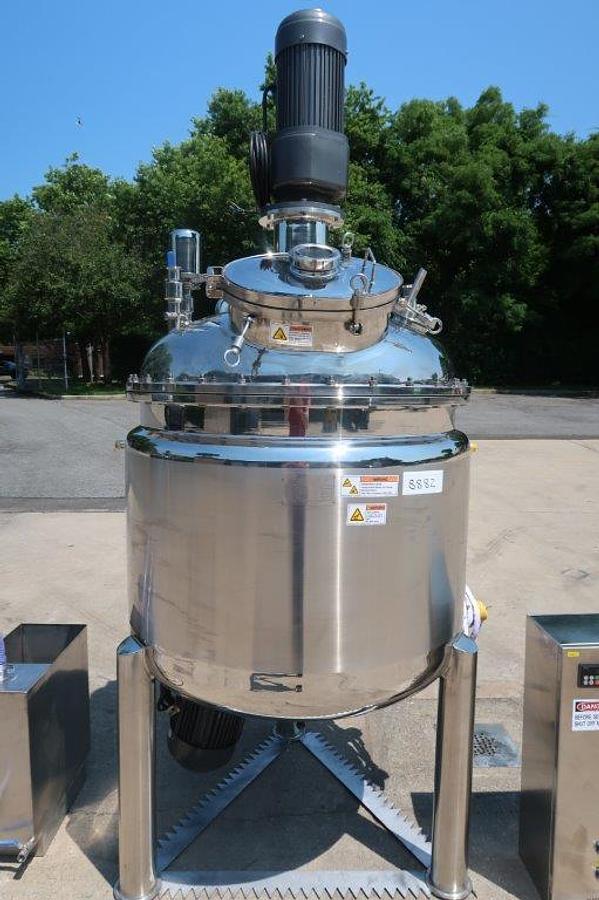
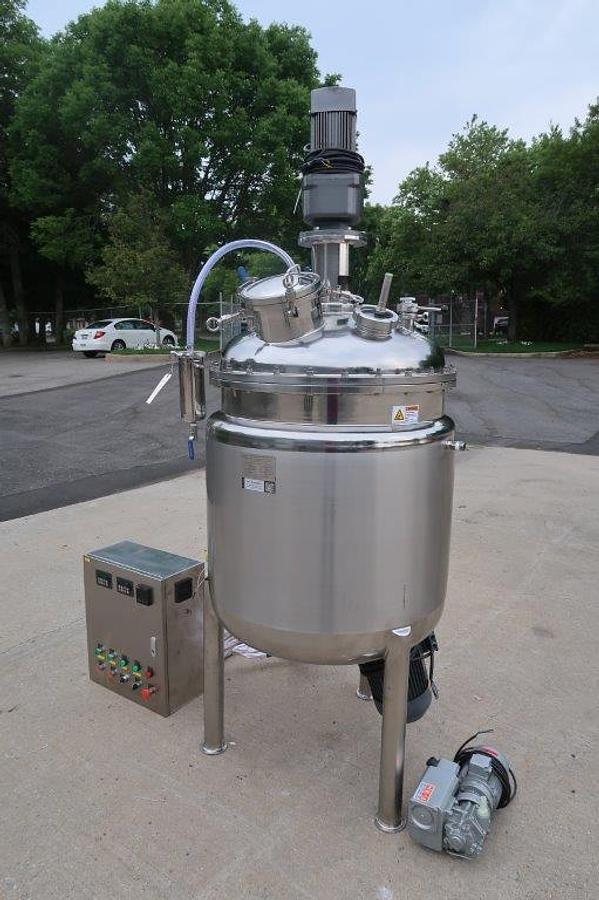
Hundom specializes in machinery for the textile and non-woven industries, with a focus on equipment that improves production efficiency and product quality. Their product line includes processing vessels such as jacketed emulsifying vacuum kettles, jacketed electric scraper kettles with homogenizing capabilities, and stainless steel reactors in various capacities. These machines are designed for mixing, emulsifying, heating, and processing viscous or specialty materials in industrial production environments.
The equipment is built for manufacturers who need consistent, repeatable results in demanding production settings. Hundom's machines are used in applications where precise temperature control, vacuum processing, and high-shear mixing are critical to the end product. Capacities range from smaller batch sizes around 80 gallons up to larger units of 300 liters or more, giving buyers flexibility depending on their production volume requirements.
What should buyers know about purchasing used Hundom equipment?
Used Hundom machinery can offer significant cost savings compared to sourcing equivalent equipment elsewhere, but buyers need to approach the purchase with the same diligence they would apply to any used industrial machine. The most important step is understanding the machine's history, including how many hours it has run, what materials it processed, and whether it has been maintained according to the manufacturer's recommended service intervals. Stainless steel processing vessels like jacketed kettles and reactors can show wear in the form of pitting, seal degradation, or damage to internal agitator components, so a thorough inspection is essential.
Buyers should also check the condition of electrical components, heating elements, vacuum systems, and any homogenizing or scraper assemblies, as these are the parts most likely to require attention on a used machine. Reputable used equipment dealers will typically accommodate in-person or video inspections so buyers can assess the machine's actual condition before committing. Consulting with Hundom or an authorized service technician about parts availability for the specific model and year being considered is also a smart step, since age and model generation can affect how readily components can be sourced.
What industries use Hundom processing equipment?
Hundom's core market is the textile and non-woven manufacturing sector, where their machinery supports production processes that require precise mixing, heating, and material handling. Beyond textiles, their jacketed vacuum kettles and emulsifying reactors are well-suited for cosmetics and personal care manufacturing, pharmaceutical processing, food production, and chemical processing, anywhere that batch mixing under controlled temperature and vacuum conditions is part of the workflow.
The stainless steel construction of Hundom vessels makes them particularly appropriate for industries with strict hygiene and contamination requirements. Cosmetic emulsion production, for example, relies heavily on the type of vacuum emulsifying kettle that Hundom produces, as the vacuum environment prevents oxidation and air entrapment during mixing. Buyers from a range of industries often find that Hundom equipment translates well across sectors, which also supports the resale value of used machines.
How do you inspect used Hundom equipment before buying?
Inspecting used industrial equipment before purchase is one of the most important steps a buyer can take, since used machines are typically sold as-is without warranty coverage. For Hundom kettles and reactors, a proper inspection should cover the condition of the vessel interior and exterior, including welds, the jacket integrity, agitator or scraper blade condition, seal and gasket condition, and the state of the electrical panel and heating elements. Buyers should ask for the machine to be powered on if possible so they can observe the agitator operation, vacuum hold, and temperature control systems in action.
Reputable dealers will generally offer three formats for inspection: in-person visits to the dealer's facility or the facility where the machine is currently in production, live video walkthroughs conducted remotely, or recorded video documentation of the machine running. Keep in mind that most equipment dealers are not set up to run full production trials, so testing with actual product is usually not feasible. The goal of the inspection is to get an accurate picture of the machine's mechanical and electrical condition, not a full production simulation. If there is any uncertainty, hiring an independent machinery inspector with experience in processing equipment is a reasonable investment before finalizing a purchase.
Are warranties available on used Hundom industrial equipment?
Warranties on used industrial equipment work differently than they do for equipment purchased directly from a manufacturer. Manufacturer warranties are tied to the sale of a machine from the factory and are generally not transferable to subsequent buyers or have already expired by the time the machine reaches the used market. Used equipment dealers typically sell machinery on an as-is basis, which means the buyer accepts the machine in its current condition without a formal warranty backing the transaction.
This is standard practice across the used industrial equipment industry and is not specific to Hundom machines. Because of this, the inspection process becomes especially important. Buyers should select dealers with a demonstrated track record in industrial equipment sales, ask detailed questions about the machine's service history, and consult directly with Hundom about the availability of parts and technical support for the specific model they are considering. The age and production run of a particular machine model can significantly affect how much manufacturer support remains available, so it is worth clarifying that before purchase rather than after.
What is the typical price range for used Hundom jacketed kettles and reactors?
Pricing for used Hundom processing equipment varies based on several factors: vessel capacity, the specific configuration (vacuum-only versus vacuum with homogenizer, scraper agitator versus standard agitator), the year the machine was manufactured, and its overall condition. Smaller units in the 80-gallon range will generally be priced lower than larger 300-liter or higher-capacity systems, and machines that were manufactured more recently and show minimal wear will command a premium over older or heavily used units.
Used industrial processing vessels of this type, across brands, can range from a few thousand dollars for smaller or older units to tens of thousands of dollars for larger, well-maintained, recently manufactured machines with advanced features like integrated homogenizers. Buyers should also factor in shipping, rigging, and any reconditioning costs when evaluating the total landed price of a used machine. Getting quotes from multiple dealers and comparing the full cost, including freight and any necessary refurbishment, gives a more accurate picture of value than comparing list prices alone.
What are the shipping and logistics considerations for purchasing used Hundom equipment?
Shipping used industrial processing equipment like jacketed kettles and reactors requires more planning than standard freight. These machines are heavy, often have fragile components such as agitator assemblies and vacuum fittings, and need to be properly secured and protected before transport. Depending on the dealer, machines may be palletized, crated, or skidded, and the level of packaging directly affects both the safety of the machine in transit and the shipping cost. Buyers should ask dealers specifically what packaging method will be used and whether any disassembly is required for transport.
For larger or heavier units, rigging services may be needed at both the origin and destination points to safely load and unload the equipment. Rigging is typically an added cost beyond the base freight charge. Buyers should request a full breakdown of shipping costs, including palletization or crating fees, rigging charges, freight, and any insurance, to understand the complete landed cost before agreeing to a purchase. International shipments add customs documentation and import duties to that calculation. Coordinating with the dealer early in the process about logistics helps avoid surprises and ensures the machine arrives in the condition expected.
How do you evaluate the condition of a used stainless steel jacketed kettle?
Evaluating a used stainless steel jacketed kettle involves checking both the structural integrity of the vessel and the functionality of its mechanical and electrical systems. On the vessel itself, buyers should look for signs of corrosion, pitting on interior surfaces, cracks or repairs at weld seams, and any damage to the jacket that could affect heating performance. The agitator shaft, bearings, and blade or scraper assembly should be inspected for wear, and the shaft seal should be examined for signs of leakage or deterioration. For vacuum-capable units, the vacuum pump and all associated fittings and valves need to be checked to confirm the system can hold a proper vacuum.
Electrical components, including the control panel, heating elements, and any variable speed drives for the agitator, are common points of failure on used equipment and should be tested if possible. Asking for maintenance records or service logs gives insight into how consistently the machine was maintained during its operating life. If a machine has been sitting idle for an extended period, additional checks for seal degradation and electrical component condition are warranted. Buyers who are not experienced with this type of equipment may want to bring in a qualified technician to conduct or assist with the inspection, particularly for higher-value purchases.
What payment terms should buyers expect when purchasing used industrial equipment?
Payment practices in the used industrial equipment market are fairly consistent across dealers. Most transactions require payment in full before the machine is released for shipping. This protects the dealer from the risks associated with shipping large, heavy equipment before funds have cleared. Wire transfers are the most common payment method for transactions of this size, though some dealers may accept other forms of payment depending on the purchase amount and the buyer's relationship with the dealer.
Buyers who have an established purchasing history with a particular dealer may be able to negotiate payment terms, but this is generally reserved for repeat customers rather than first-time buyers. For buyers making a large purchase for the first time, it is reasonable to ask about the dealer's payment process upfront, including when payment is due relative to the inspection and shipping timeline. Understanding the full payment and shipping sequence before signing a purchase agreement helps avoid misunderstandings and keeps the transaction moving smoothly.
How does the availability of replacement parts affect the value of used Hundom equipment?
Parts availability is one of the more practical factors to research before committing to any used industrial machine, and Hundom equipment is no exception. The ease of sourcing replacement parts, including wear items like seals, gaskets, agitator blades, and scraper components, directly affects the long-term operating cost and uptime of the equipment. For machines that are still within a relatively recent production run, parts are generally easier to source either directly from the manufacturer or through authorized distributors. Older or discontinued models may require more effort to find parts, and in some cases, components may need to be custom fabricated.
Buyers should contact Hundom directly before purchasing a used machine to ask about parts support for the specific model and year they are considering. Questions worth asking include whether the model is still in production, which wear parts are most commonly replaced, and what the typical lead time and cost is for those parts. This information gives a clearer picture of the true cost of ownership and helps buyers avoid purchasing a machine that could become difficult or expensive to maintain down the line. Dealers with experience selling equipment in the processing and textile sectors can also be a useful resource for guidance on parts sourcing.